 1
Religion and art
Florence Cathedral (Duomo)
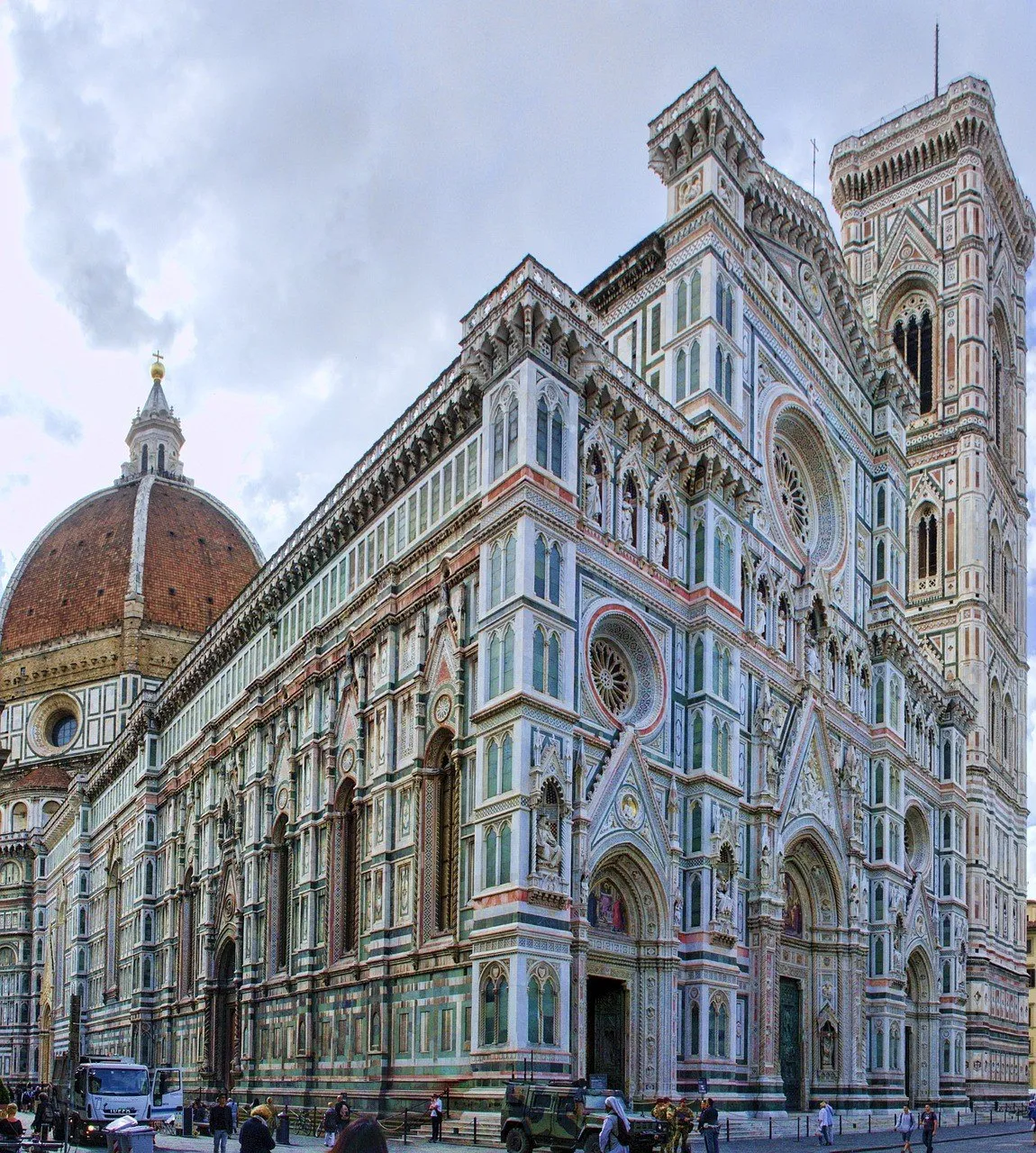
Santa Maria del Fiore brings together Brunelleschi's dome and a facade of colored marble; entering the cathedral and climbing to the top are separate visits.
View details for Florence Cathedral (Duomo)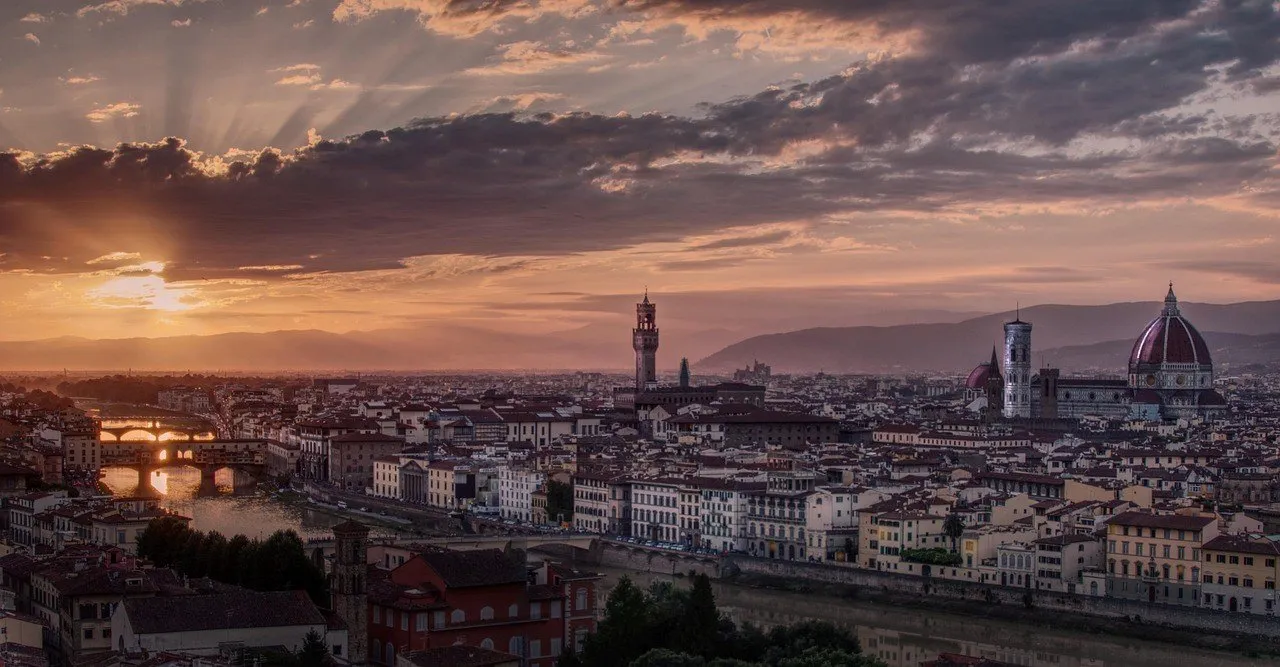
You follow a narrow street and the Duomo's dome fills the whole sky. In Florence, even the walk to lunch goes past sculptures; the challenge is reaching your plate before you want to photograph another facade.
The terracotta dome peeks out between buildings, vanishes behind a corner and reappears just when you were thinking about lunch. Florence packs churches, sculptures and painting collections into a center that invites walking. The Arno cuts through that stroll and offers a change of perspective: after studying so many details up close, cross a bridge and watch the buildings line up along the opposite bank.
Plan the trip around the most sought-after tickets, especially the Accademia, the Uffizi and the dome climb. Between those slots, there is room for the San Lorenzo market and the sculptures of Piazza della Signoria. Set aside another day for Palazzo Pitti, Boboli and the view from Piazzale Michelangelo. The itinerary suggests selective visits: if you like reading every label, add a day, because Botticelli doesn't go well with a stopwatch.
Brunelleschi's dome has a double structure: the climb passes through the space between its two shells.
The jewelry shops on the Ponte Vecchio replaced old butcher and fishmonger stalls; the shop windows were not always the things that sparkled there.
David appears in several versions around the city: the original is in the Accademia, while Piazza della Signoria and Piazzale Michelangelo display copies.
Even after becoming a Medici residence, Palazzo Pitti kept the family name of the banker who began its construction, Luca Pitti.
1Santa Maria del Fiore brings together Brunelleschi's dome and a facade of colored marble; entering the cathedral and climbing to the top are separate visits.
View details for Florence Cathedral (Duomo)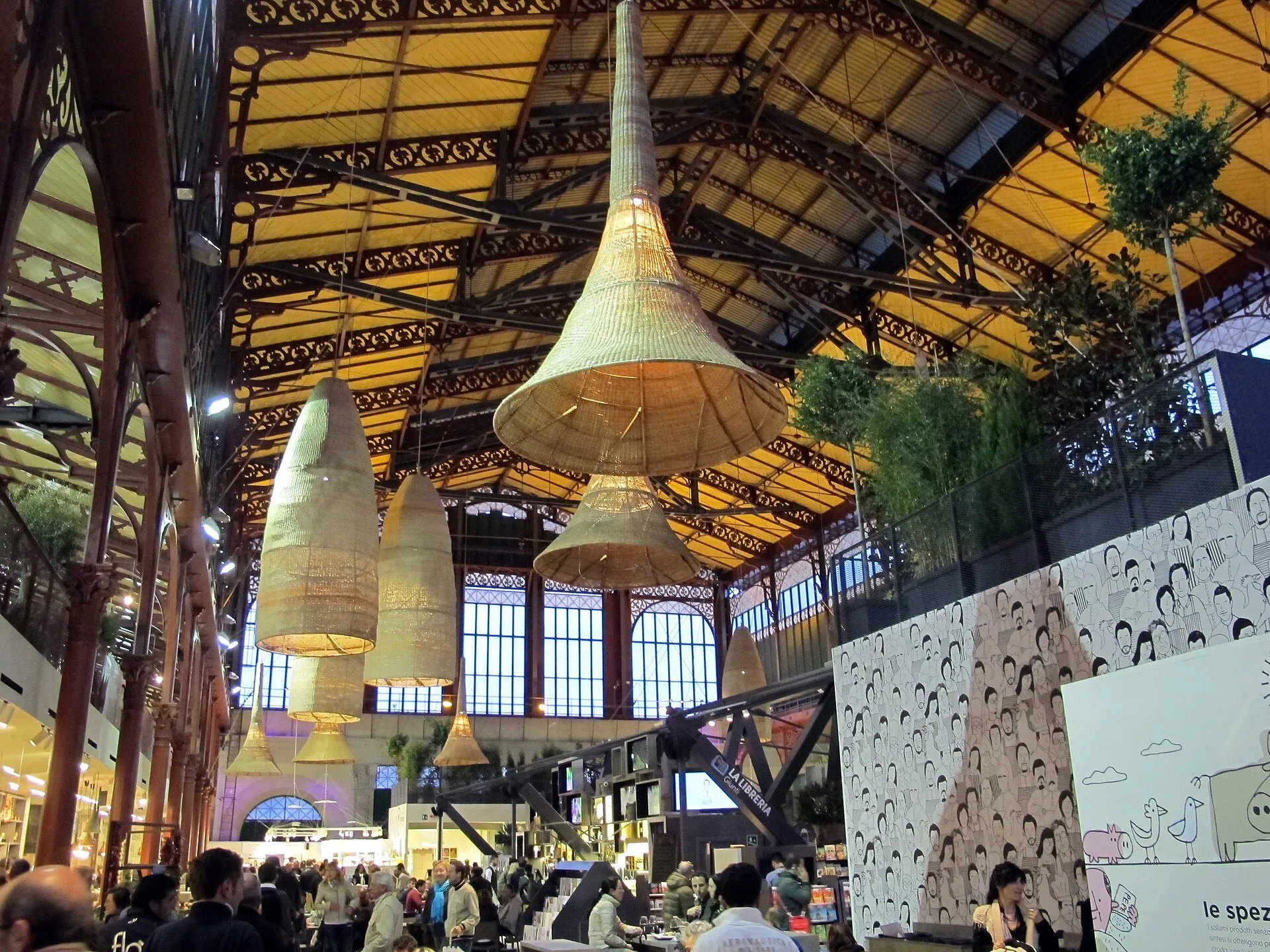 2
The covered market in San Lorenzo combines food stalls on the ground floor with an upstairs level of restaurants, handy for fitting lunch between two visits.
View details for Mercato Centrale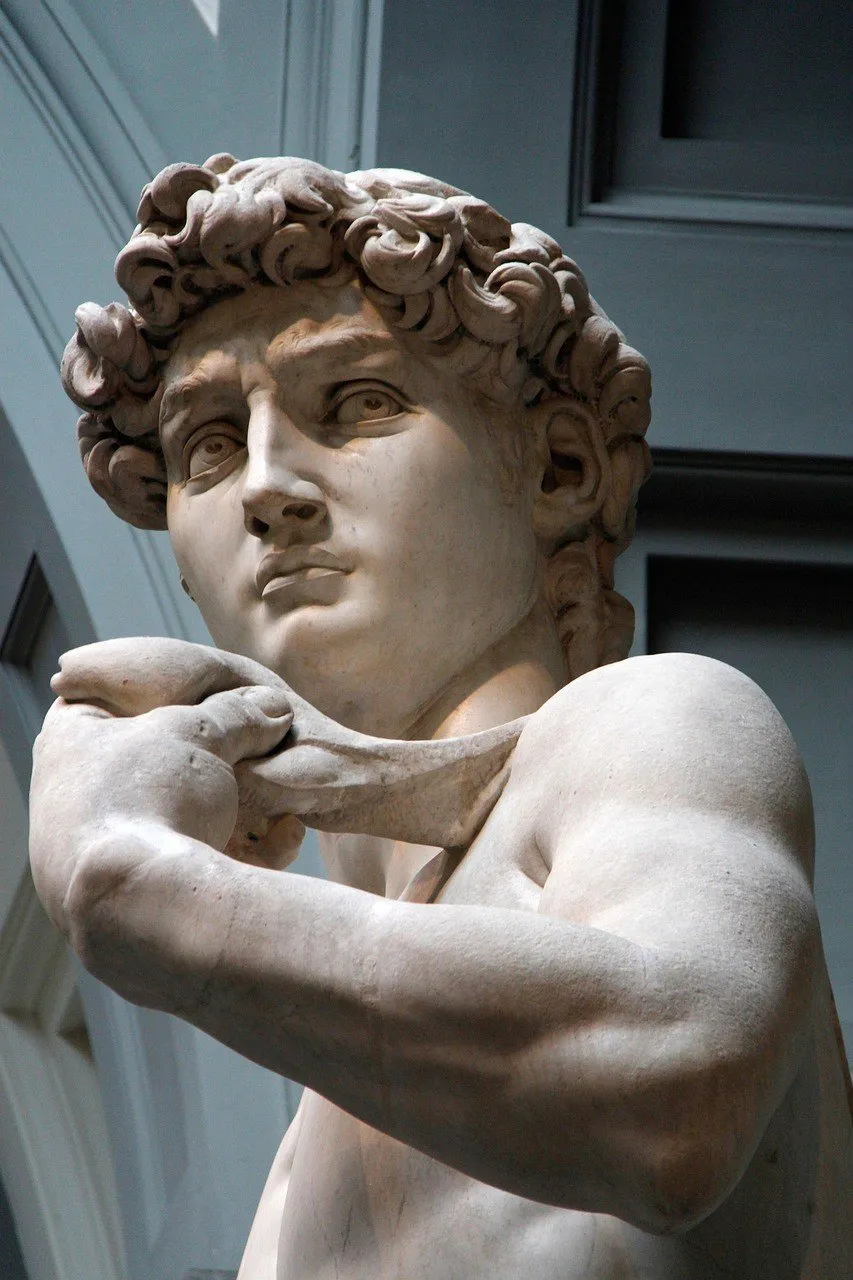 3
Michelangelo's original David is in the Accademia, along with the unfinished Prisoners, paintings and a collection of musical instruments.
View details for Galleria dell’Accademia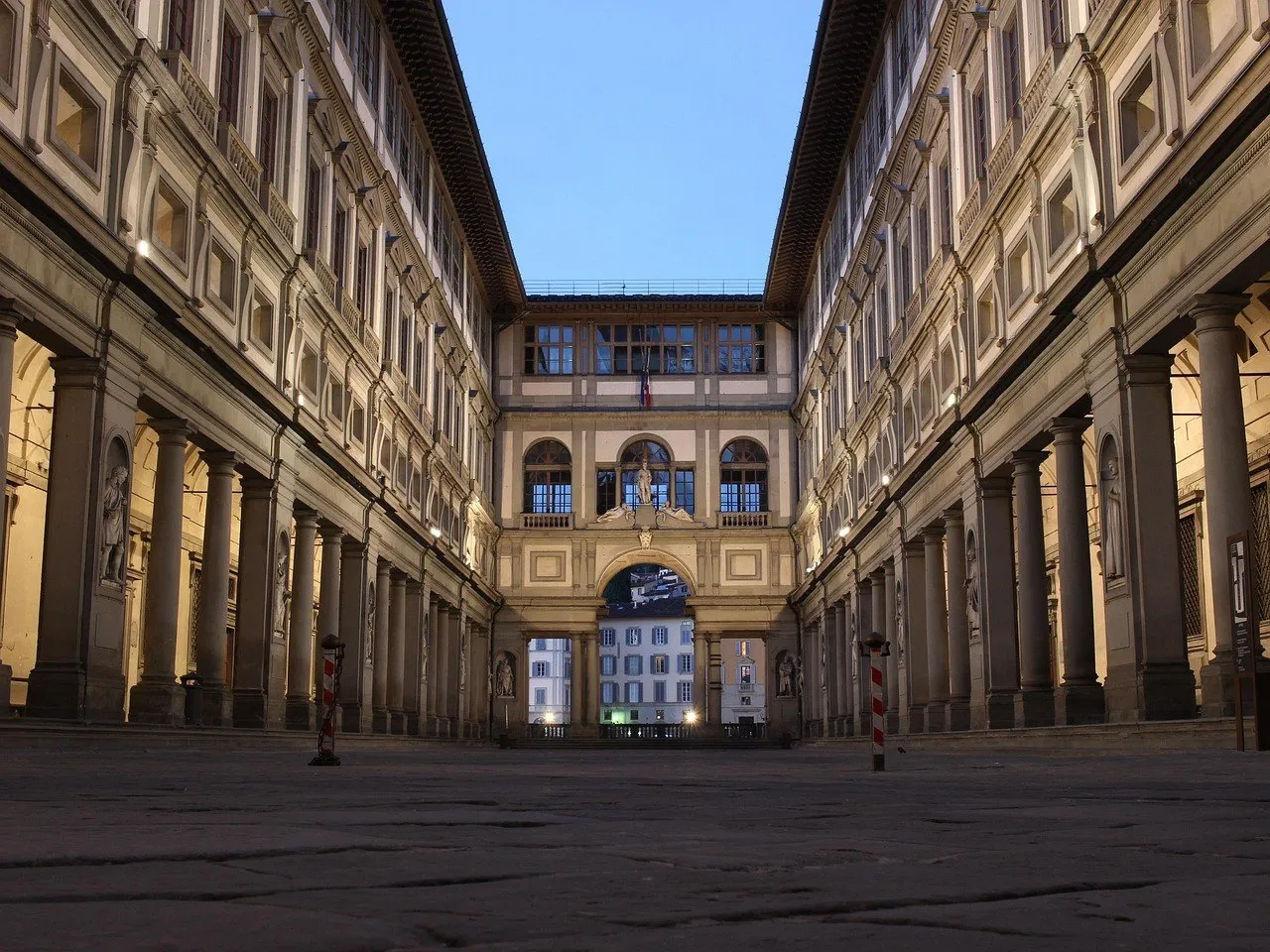 4
Botticelli, Leonardo and other artists appear in the Uffizi, where corridors of sculpture and painting rooms call for a careful choice of route.
View details for Galleria degli Uffizi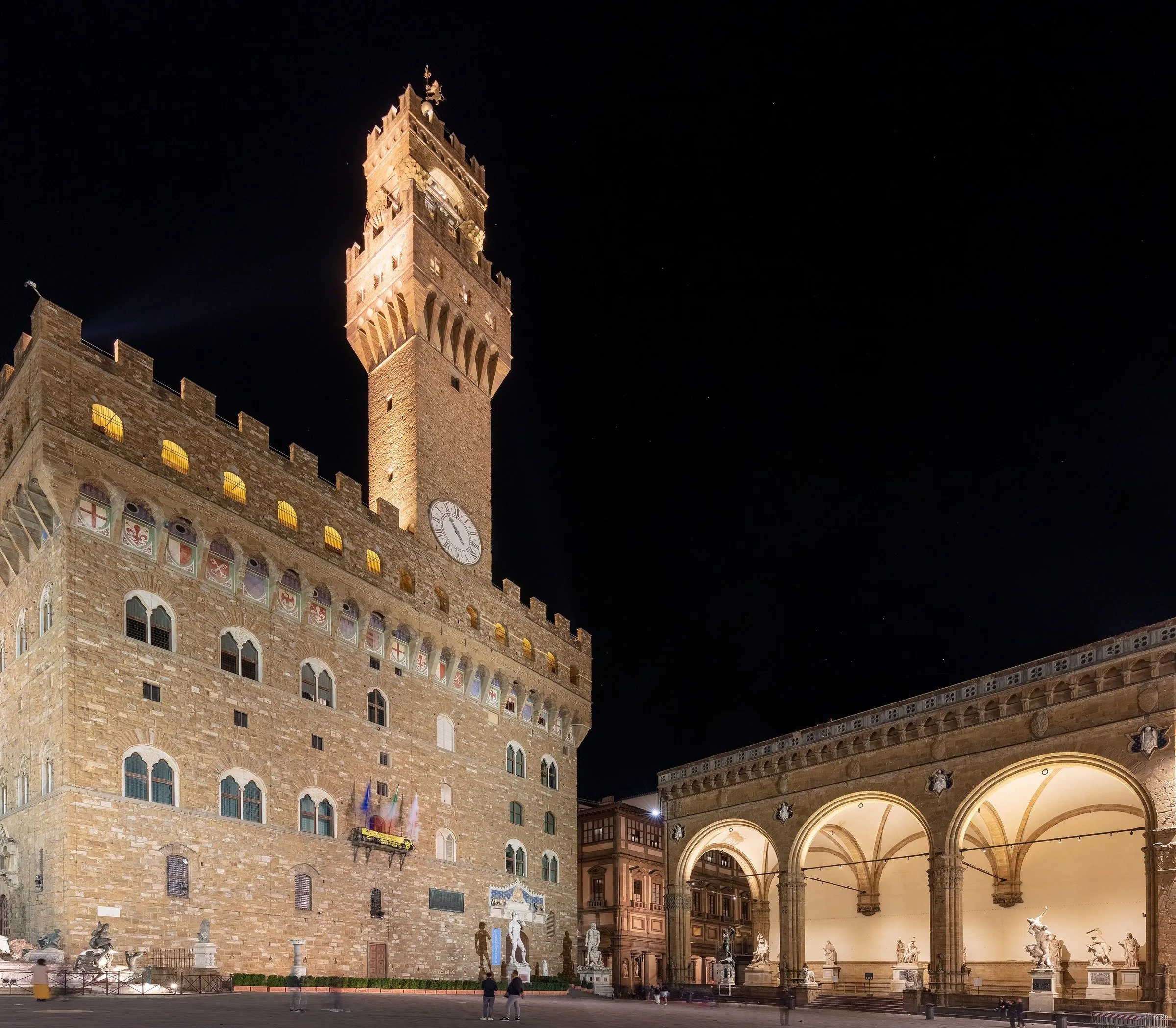 5
Palazzo Vecchio, the Neptune fountain and the sculptures of the Loggia dei Lanzi share this civic square, right next to the Uffizi, with the bustle of people crossing the center.
View details for Piazza della Signoria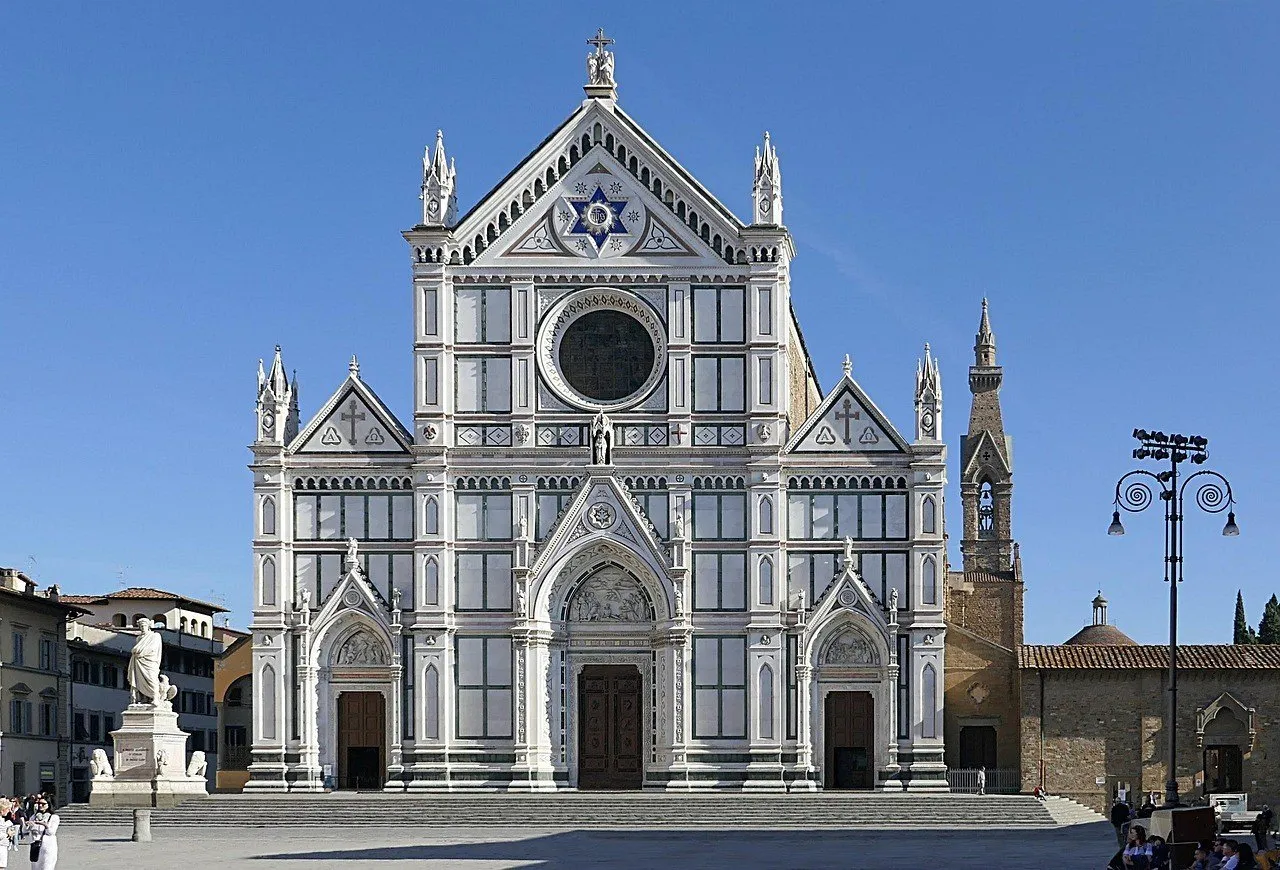 6
The basilica holds the funeral monuments of Michelangelo, Galileo and Machiavelli, among works of art and spaces of a religious complex still in use.
View details for Basilica of Santa Croce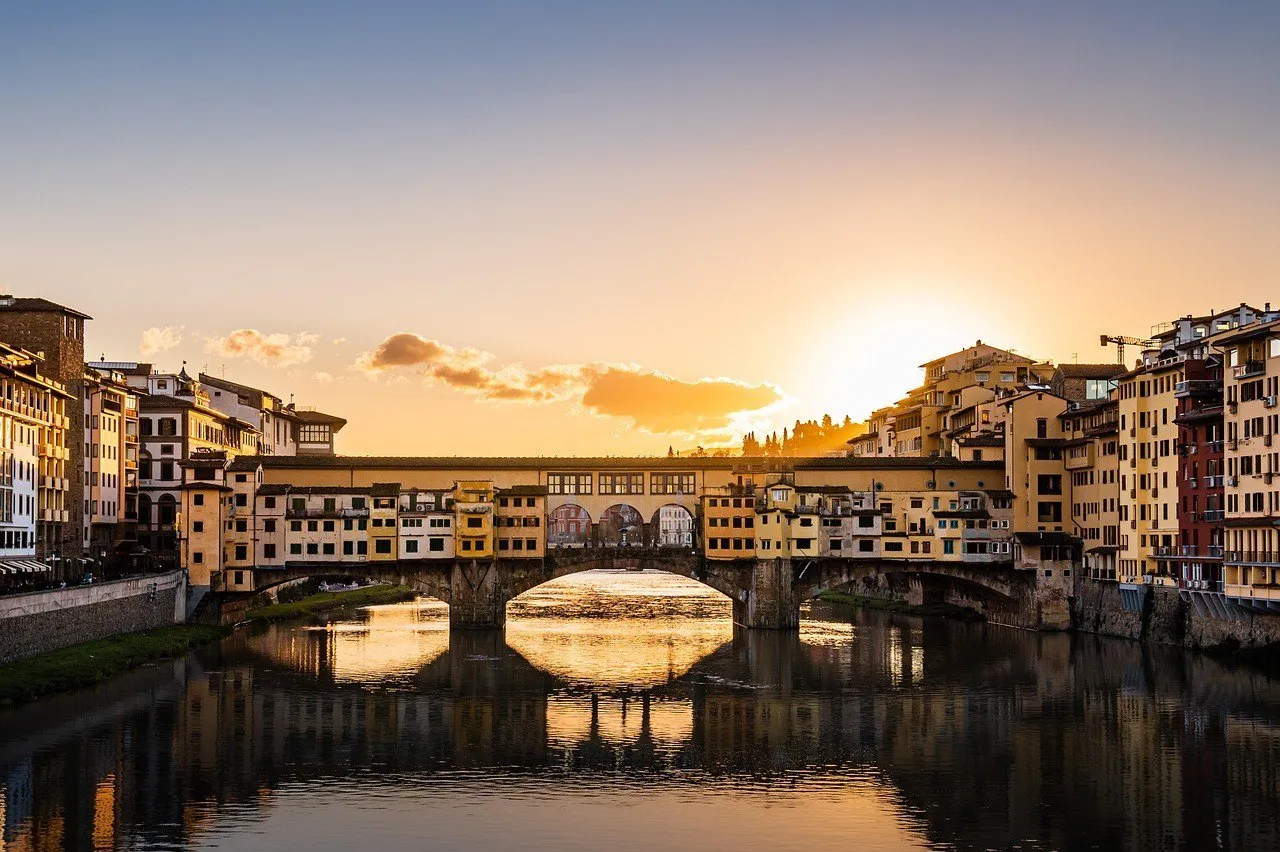 7
The little shops over the Arno make the Ponte Vecchio look like a street in the air; the openings in the middle give you back the view of the river between the windows.
View details for Ponte Vecchio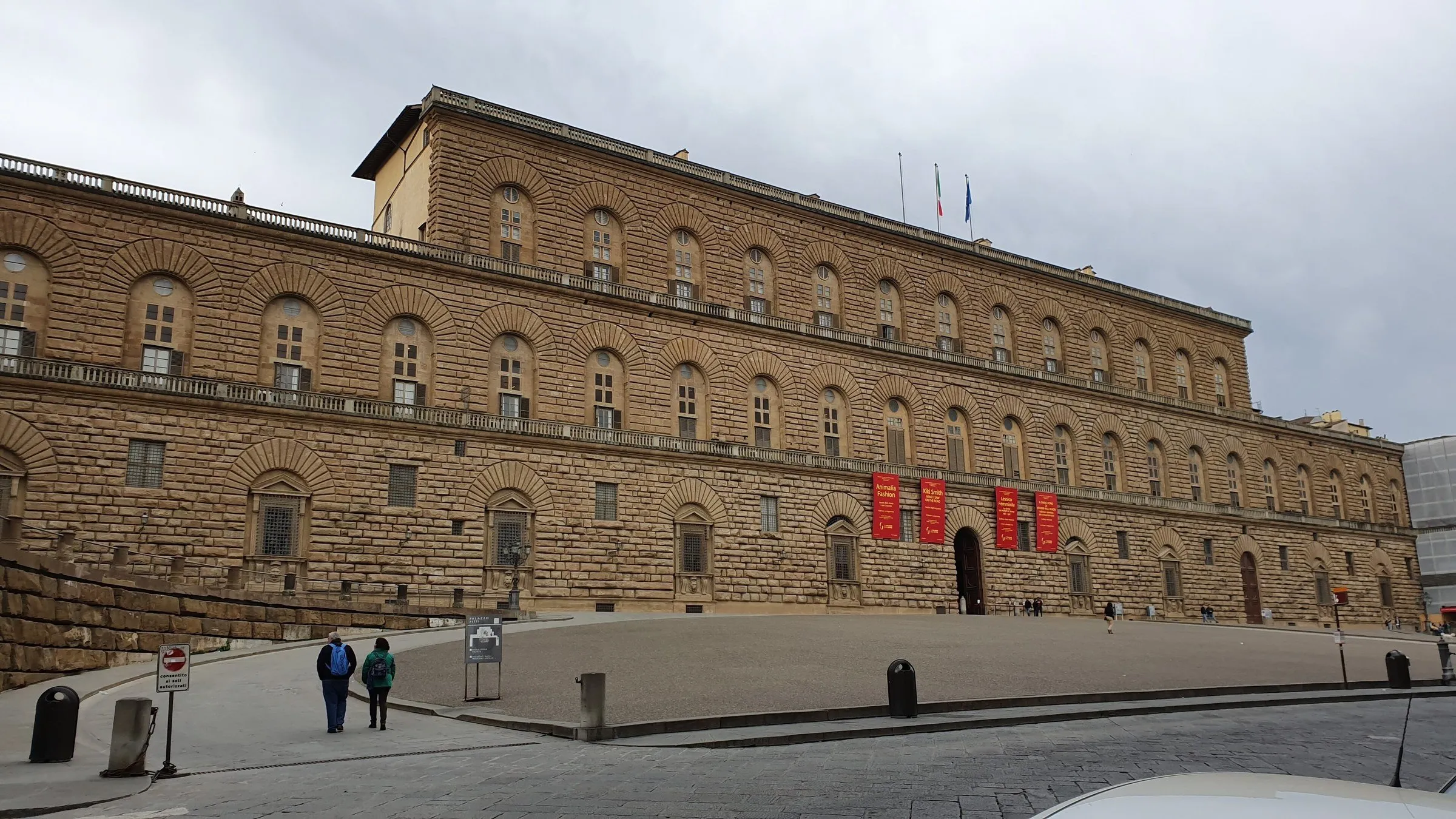 8
Behind the stone facade of Palazzo Pitti lie painting collections and court interiors, in a former Medici residence across the Arno.
View details for Palazzo Pitti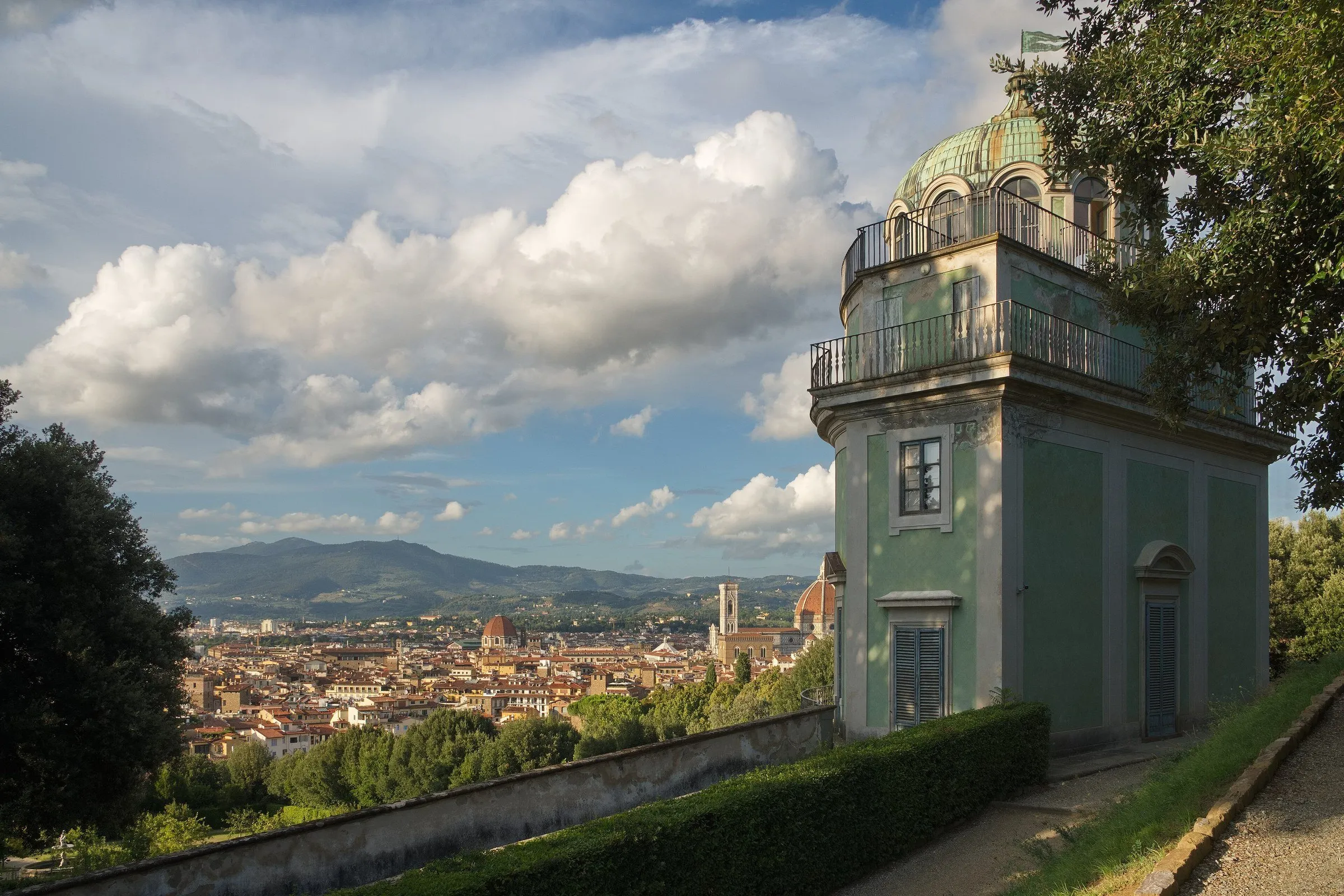 9
Behind Palazzo Pitti, Boboli brings together fountains, sculptures and avenues on sloping ground: a garden designed to extend court life outdoors.
View details for Boboli Gardens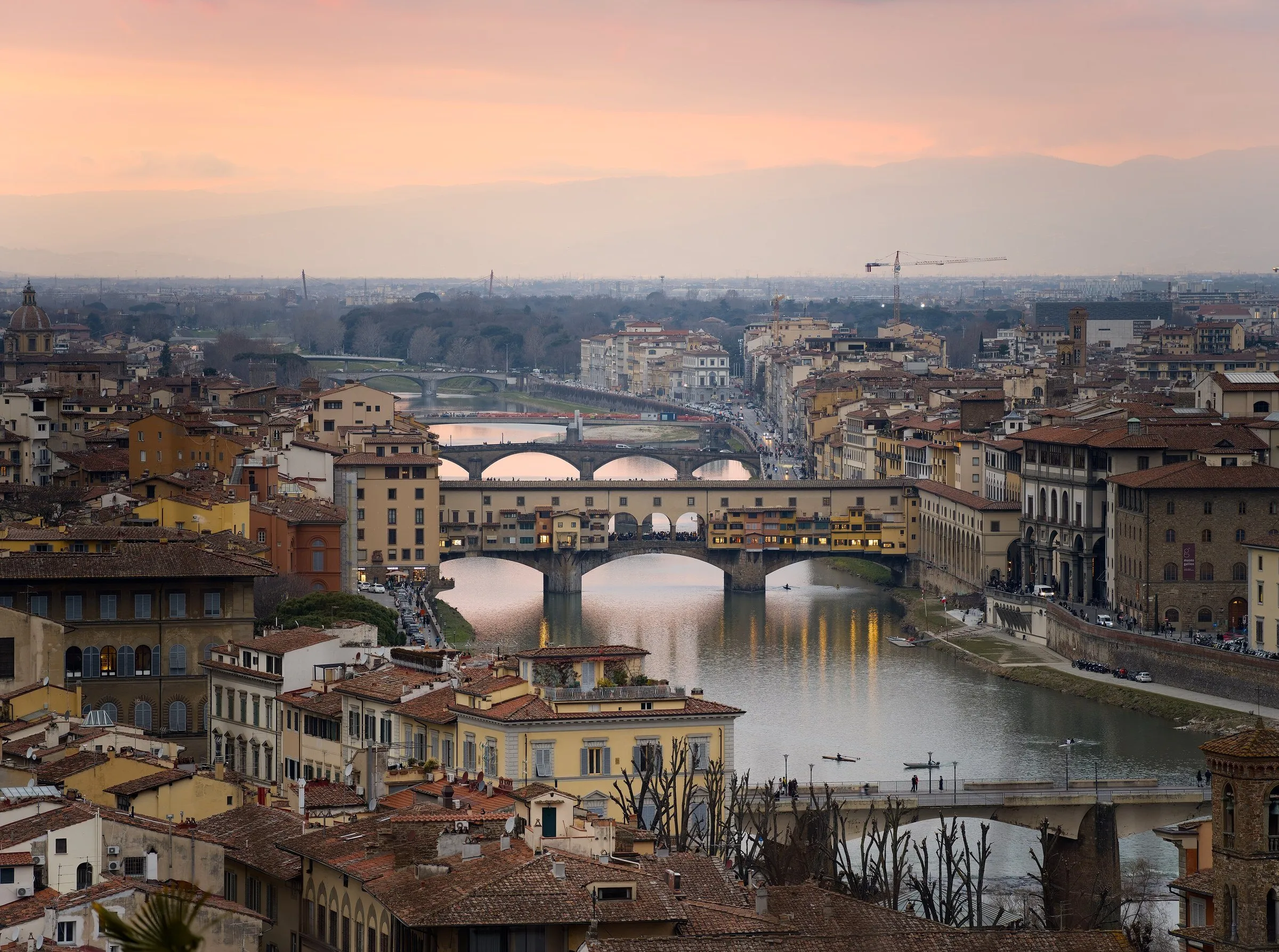 10
The terrace on the hill brings the Duomo's dome, Palazzo Vecchio, the Arno and its bridges into a single view, with a bronze copy of David right at the lookout.
View details for Piazzale Michelangelo1First comes the pattern of the marble; then you step back to fit the whole dome into the photo. Santa Maria del Fiore anchors the landscape of the center, alongside Giotto's bell tower and the Baptistery. Take in the whole ensemble before choosing your line.
The regular visit to the cathedral is free, but it does not include climbing the dome. For that, the Brunelleschi Pass requires a reserved time slot, and there are many stairs and no elevator. Choose the cathedral plus one complementary experience; seeing the whole complex takes more time.
2Under the iron-and-glass structure, the marbles are gone and fruit, cheese and food counters have moved in. The ground floor keeps its food stalls and places to taste on the spot; upstairs, the Mercato Centrale gathers restaurants and a range of kitchens.
It is a practical break between the Duomo and the Accademia, especially when everyone wants something different to eat. Walk around before deciding: the first line you see doesn't have to choose your lunch. The floors keep different hours; open restaurants don't guarantee the stalls are running.
3David occupies the tribune at the far end, but the approach deserves attention too. In Michelangelo's unfinished Prisoners, bodies emerge from blocks of marble. Study the surfaces before comparing them with the polish of the sculpture that draws all the phones in the room.
The Accademia also holds paintings and musical instruments; set aside some time for those rooms. Buy through the route given on the official website, which leads to the B-Ticket. The museum is compact, but the wait at the entrance can stretch the visit.
4You recognize The Birth of Venus and Primavera before you reach the rooms. Seeing Botticelli in person lets you notice what the reproduction in your textbook squeezed out. The Uffizi also holds works by Leonardo and ancient sculptures spread along the corridors.
Go in with a few chosen interests and accept that you won't exhaust the collection. The suggested time is for a selective route; a deeper visit takes longer. The standard ticket should not be confused with options that add the Vasari Corridor, whose visit requires specific planning.
5The tower of Palazzo Vecchio rules the skyline; down at ground level, sculptures compete with pedestrians for your attention. Piazza della Signoria was the center of Florentine political life and shows power in stone and bronze. The copy of David helps you imagine the original in that space.
Step up to the Loggia dei Lanzi to see Benvenuto Cellini's Perseus and look for the Neptune fountain. The plan here is outdoors: the museum and tower of Palazzo Vecchio need a separate ticket and more time.
6The names on the walls read like the index of a school textbook: Michelangelo, Galileo and Machiavelli are among those buried in Santa Croce. But looking only at the funeral monuments shortens the visit; the church is part of a complex with other spaces and works of art.
Use the map to choose the route available on your date. It is a place of worship: keep your voice low and cover your shoulders and legs. The tourist entrance is paid and follows different rules from the access reserved for prayer.
7The Ponte Vecchio looks like a street that forgot to mention it is over a river. The shops along the sides display jewelry, unlike the old meat and fish stalls. In the middle of the crossing, an opening lets your eyes follow the Arno.
Above the buildings runs the Vasari Corridor, a historic link used by the Medici. Crossing the bridge on foot does not give you access to the corridor. Step away to the banks as well to see the shops over the water: from inside the bridge, part of the bridge itself disappears.
8The stone facade doesn't prepare you for what comes next: halls, frames and paintings take over the visit. Palazzo Pitti was a Medici residence and houses several collections. In the Palatine Gallery, looking at the decoration is as much a part of the visit as looking at the paintings.
Choose one part to explore calmly before Boboli. The suggested time does not cover all the museums and apartments. Check which rooms are open, since restoration work changes the route, and check the ticket: the palace and gardens have their own and combined options.
9The statues carry on after you leave the halls. In Boboli, they share the scene with fountains, grottoes and paths on the hillside behind Palazzo Pitti. The layout, organized by the Medici, presents the Italian garden as a composition to be walked through.
Choose a short circuit if you plan to head on to Piazzale Michelangelo. The avenues are tough on the legs, with slopes and gravel that also affect accessibility. Early closing in the cold season and occasional interruptions for bad weather affect the flow of your day.
10Here you arrange Florence into a single image: the dome above the rooftops, Palazzo Vecchio in another direction and the Arno stitching the banks together. Piazzale Michelangelo is a panoramic terrace on the hill, with a bronze copy of David keeping the landscape company.
Late afternoon suits a long stop, with no need to time the sunset to the minute. The walk up from the riverbank involves a climb; after Pitti and Boboli, consider transport. Add the trip there to the time you spend on the terrace.
Buy through the official websites. Compare the options: the Duomo pass doesn't replace the Accademia ticket, and the standard Uffizi ticket is not the same as the Vasari Corridor one.
The T2 tram links Peretola to the city. In the center, walk by area; for the viewpoint, weigh the climb against transport. Confirm the route, validation and fare before boarding.
Cover your shoulders and knees in religious spaces. Check the rules on backpacks and bag storage for each attraction; going out with little luggage makes the first day's sequence easier.
May, June and September favor walking; in summer, take breaks and carry water. The Uffizi, Accademia and Pitti normally close on Mondays, while Boboli has its own calendar.
Keep your bag and phone in sight in lines and at photo stops. Keep tickets handy and leave margin between reservations: safety and rest take time too.
Alternate sit-down meals with counter food in San Lorenzo. Lampredotto comes from offal; soups and bistecca offer other flavors. Read what's in the dish and how you're charged before ordering, especially when the portion looks bigger than your hunger.
Sandwich of boiled beef tripe, served at the counters of the lampredottai; learn about the ingredient before choosing the sauce.
Bone-in beef cut associated with the city; agree on portion and doneness with the restaurant.
Thick Tuscan vegetable soup; check the house recipe before ordering.
Thick Tuscan soup with tomato at the heart of the flavor, a change of pace between sandwiches and meat.
We use cookies and similar technologies, such as Google Analytics, in accordance with our Privacy Policy and, by continuing to browse, you agree to these terms. You can decline at any time in the policy.