 1
Islands and canals
Grand Canal
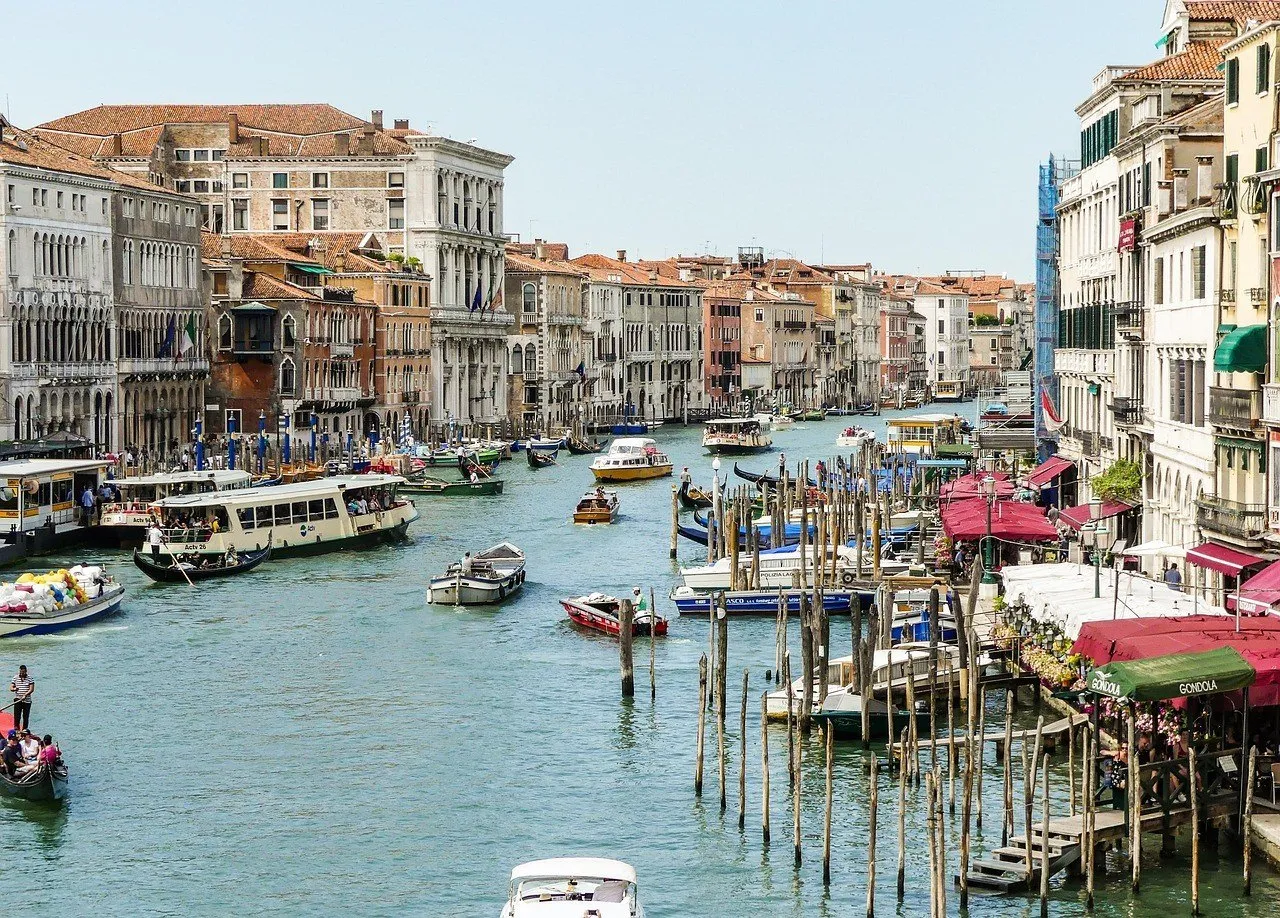
The main waterway runs past palace façades, bridges and working boats; a vaporetto ride doubles as a sightseeing trip.
View details for Grand Canal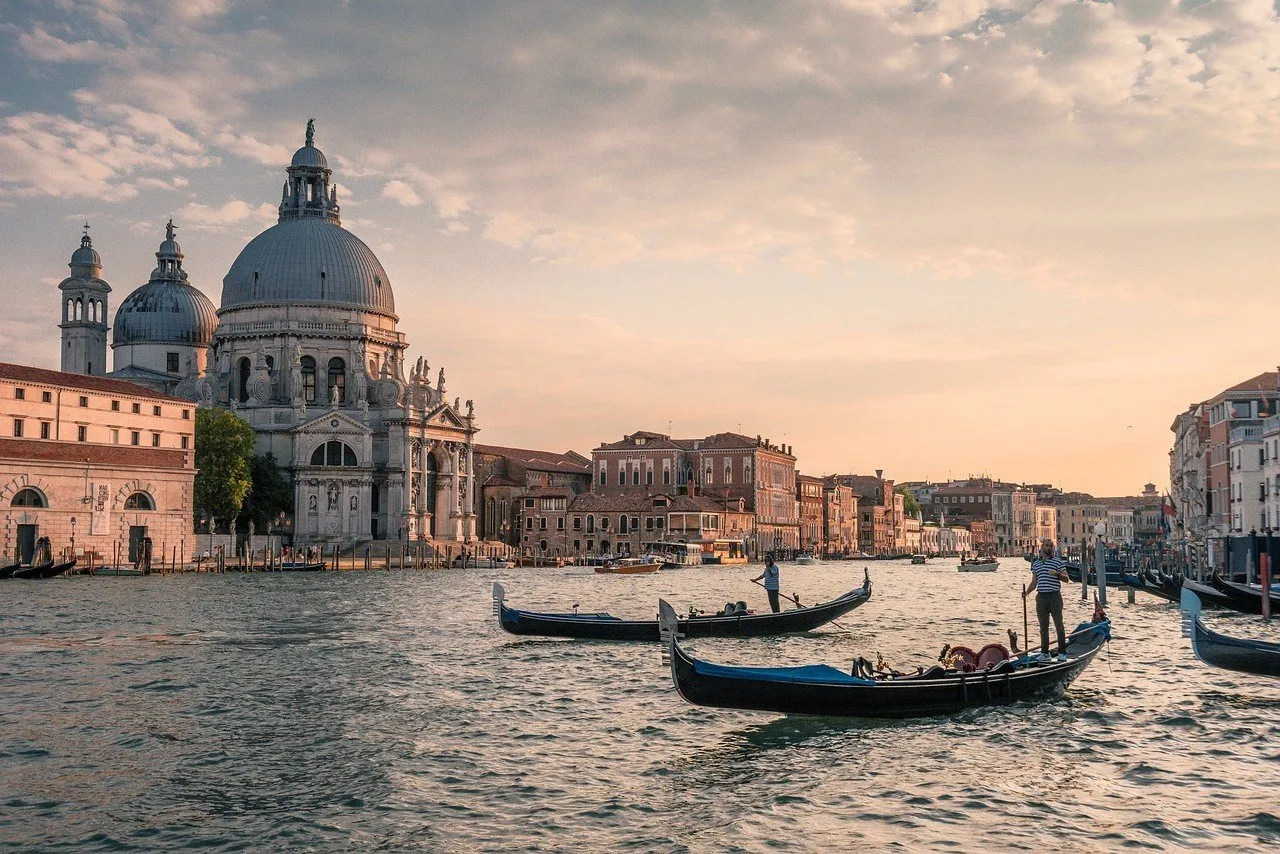
The bus stops at a pier, the delivery guy arrives by boat, and you realize the street simply ended in water. In Venice, even a wrong turn can earn you a bridge, a reflection and one more photo.
Venice's façades face the water. On the Grand Canal you see why, as the vaporetto shares space with gondolas and cargo boats: the city keeps working even when it seems to be posing for the camera. On land, the map becomes a negotiation with bridges, narrow passages and dead ends. Leave time to walk; the route is part of the visit.
Organize the trip in three blocks: St. Mark's and its monuments, the neighborhoods and museums between Cannaregio and Dorsoduro, then the islands of Murano and Burano. Sleeping in the city helps you enjoy the hours outside peak visiting times. Spring and early autumn are good bets for walking, but they don't promise empty streets. The lagoon also calls for flexibility: fog and tides can change the boat schedules.
The Bridge of Sighs links the Doge's Palace to the old prisons; the visit takes you inside the corridor you see photographed from the canal.
The original horses of St. Mark's are kept in the museum of the complex. The ones on the façade are copies; check your ticket before looking for the originals.
Burano fits in your bag too: its bussolà is a biscuit of flour, eggs and butter, traditionally shaped as a ring.
1The main waterway runs past palace façades, bridges and working boats; a vaporetto ride doubles as a sightseeing trip.
View details for Grand Canal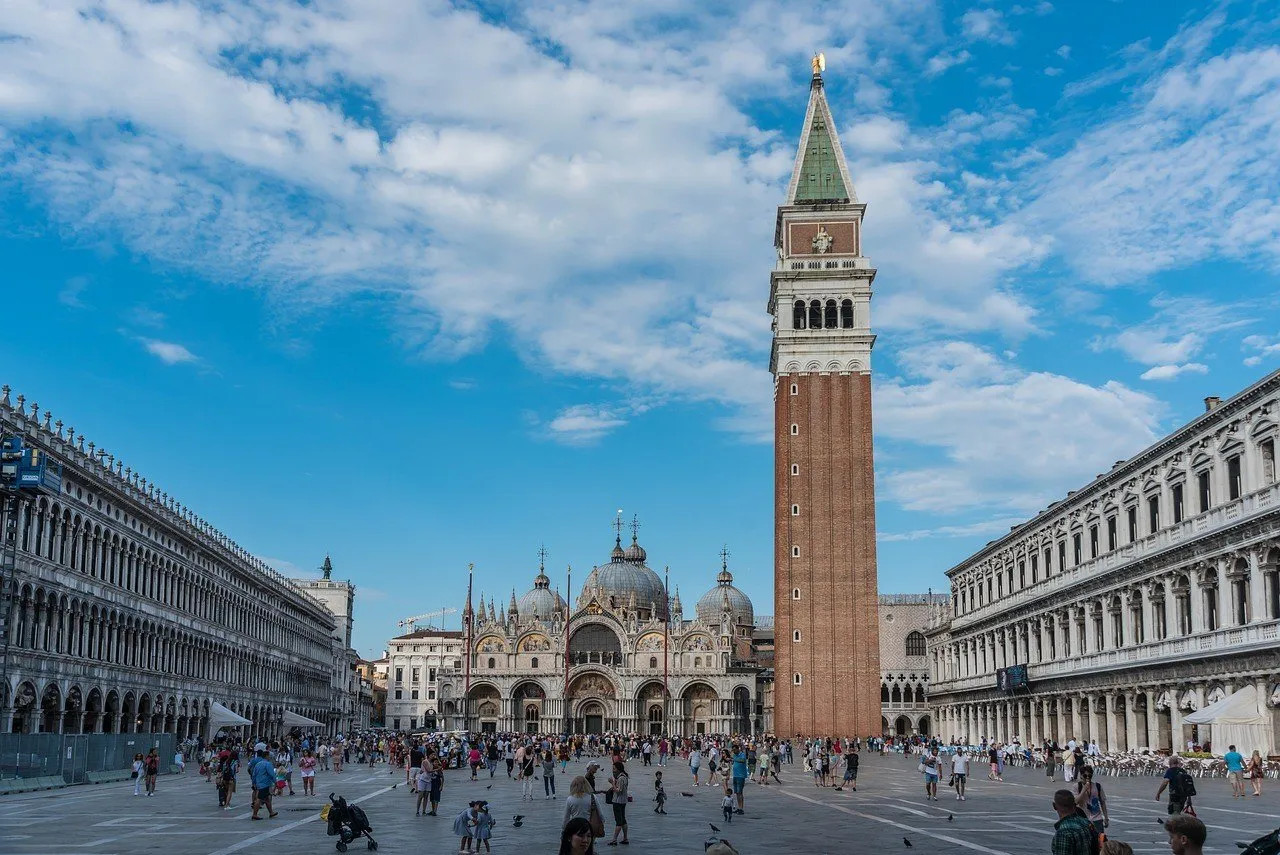 2
A square framed by arcades, with the basilica and bell tower ahead: the spot to understand the monumental ensemble before going into the buildings.
View details for St. Mark's Square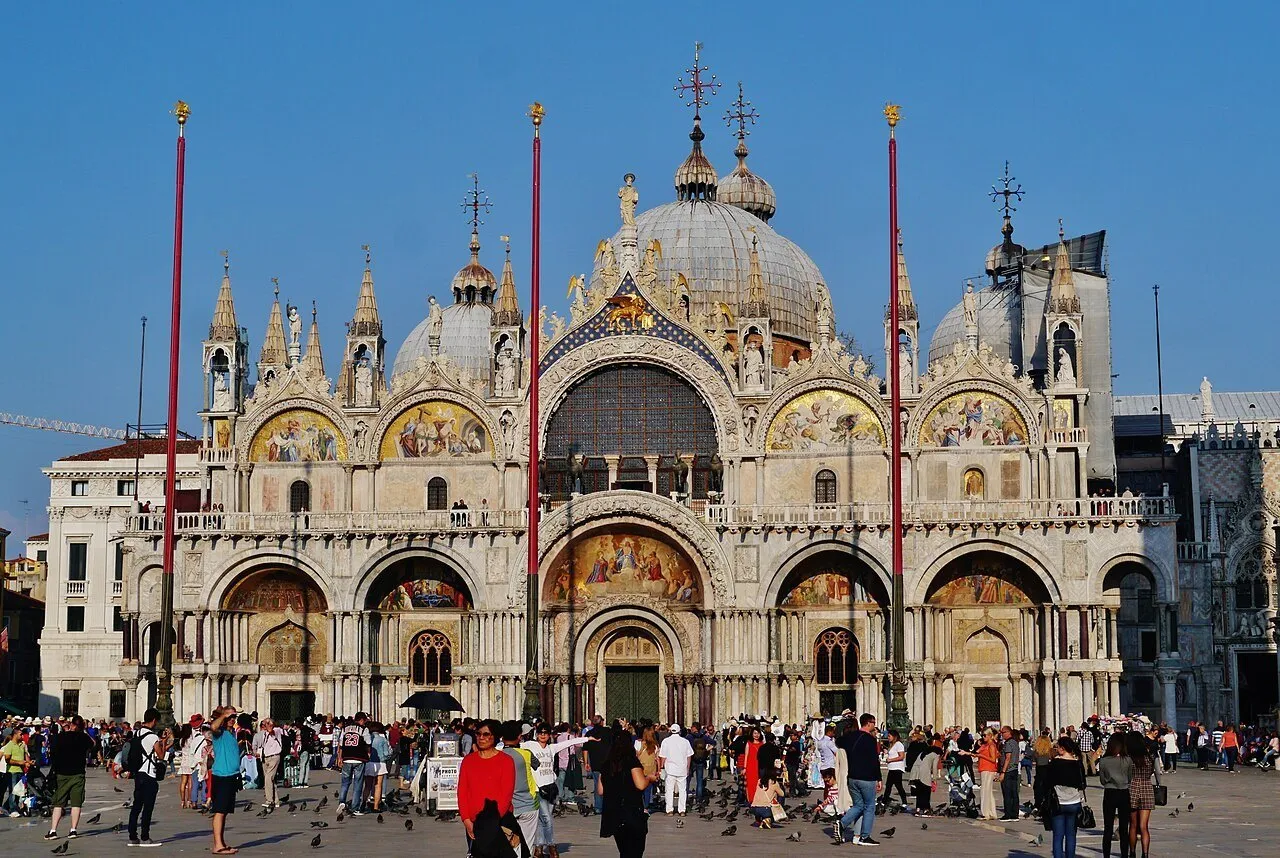 3
Golden mosaics, domes and the Pala d'Oro set the tone of the basilica; the museum and loggia depend on the type of ticket you choose.
View details for St. Mark's Basilica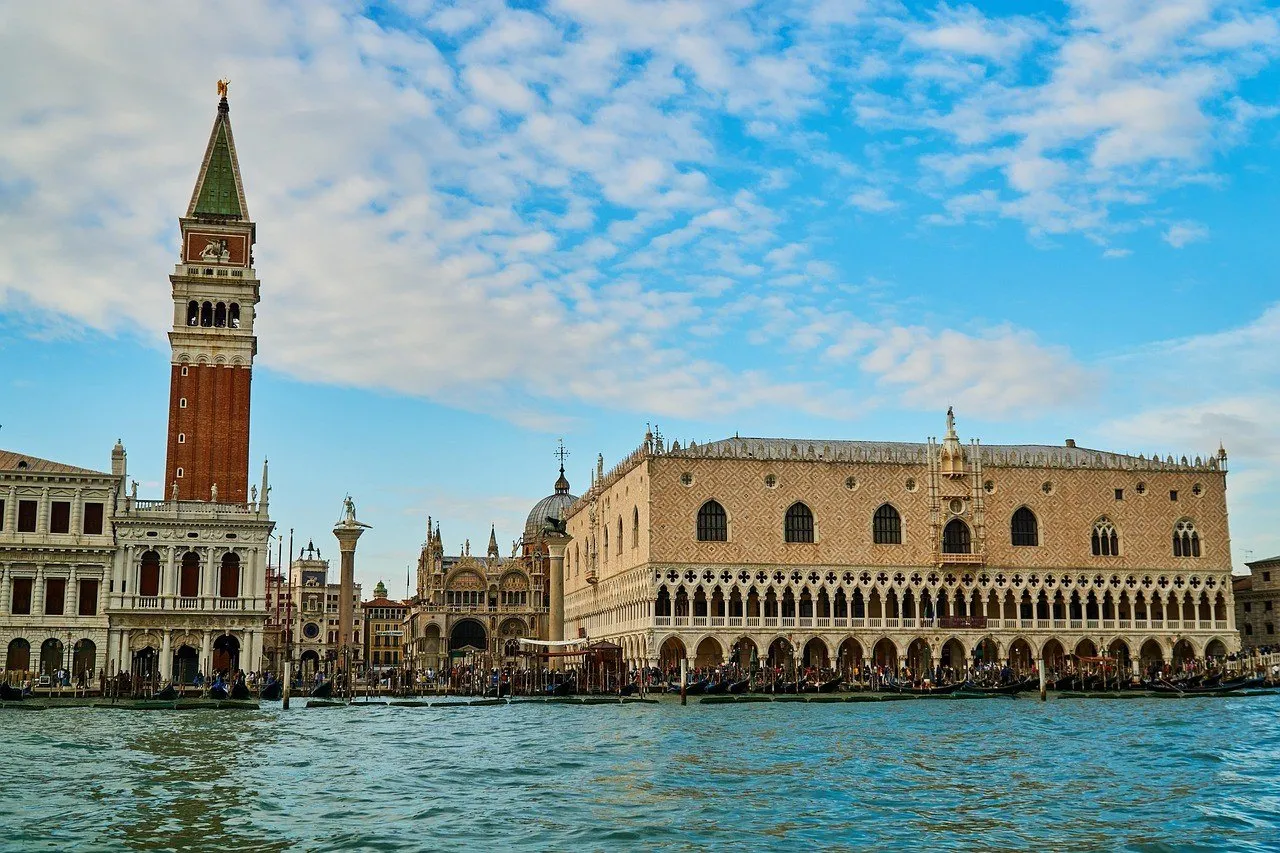 4
Government chambers, staircases and old prisons show the backstage of the Republic of Venice; the route includes the Bridge of Sighs.
View details for Doge's Palace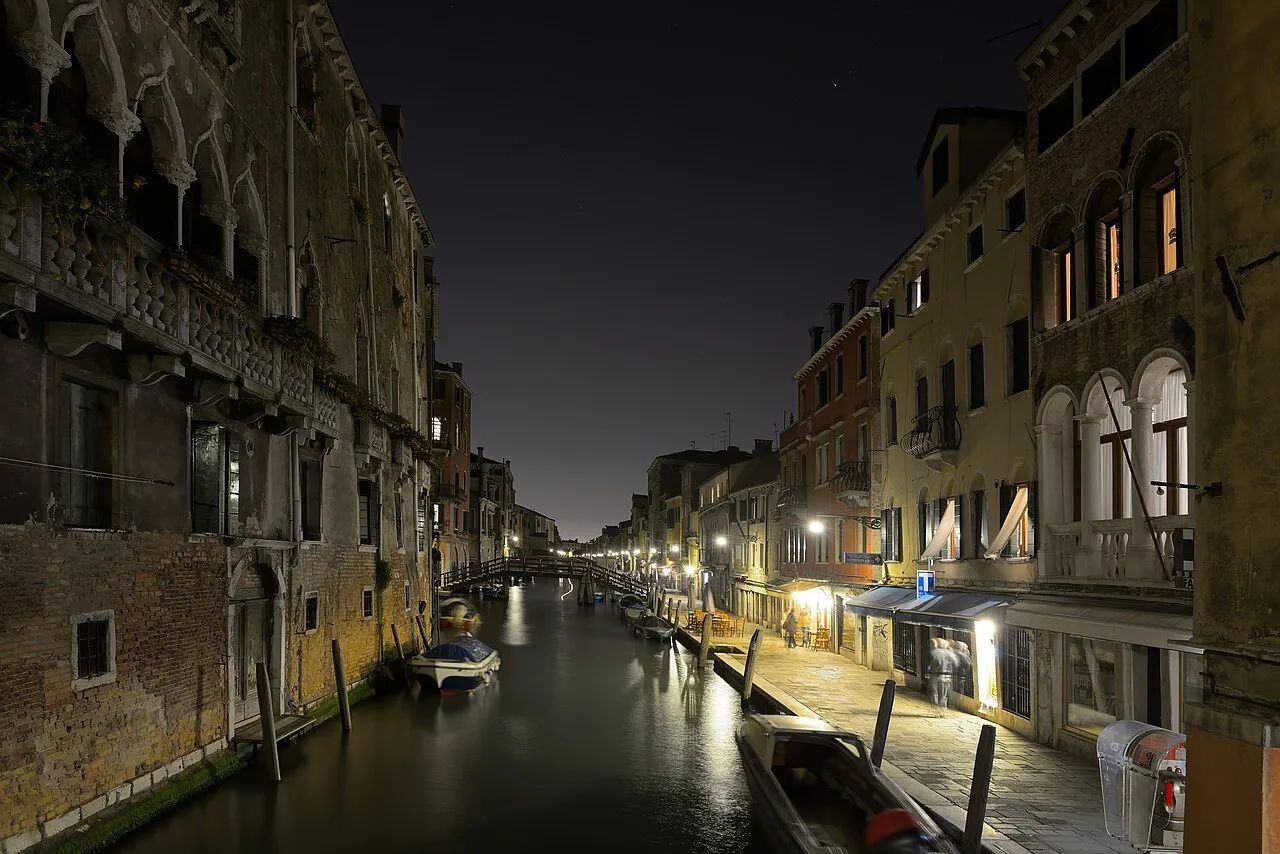 5
Canals, bàcari and the Ghetto Nuovo make up a walk through northern Venice, between neighborhood life and the memory of the Jewish community.
View details for Cannaregio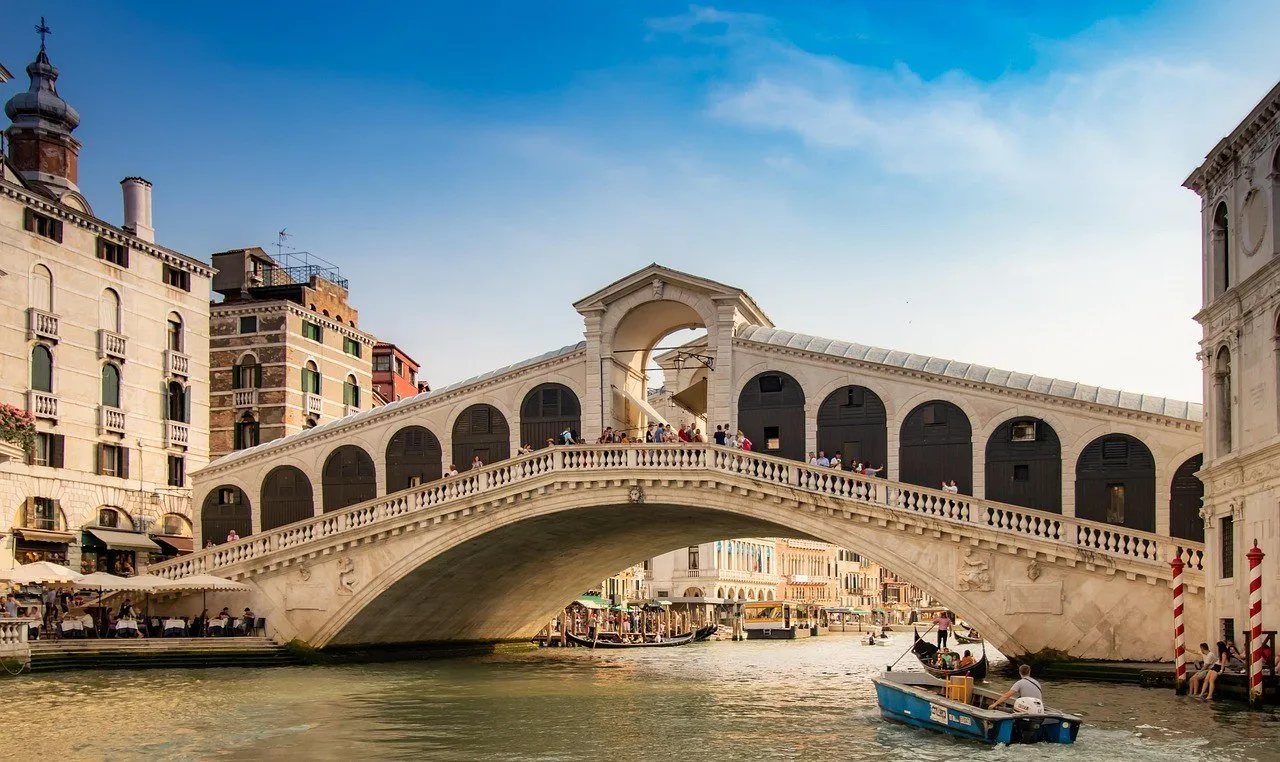 6
The stone arch over the Grand Canal holds shops, a pedestrian crossing and a place to watch Venetian water traffic.
View details for Rialto Bridge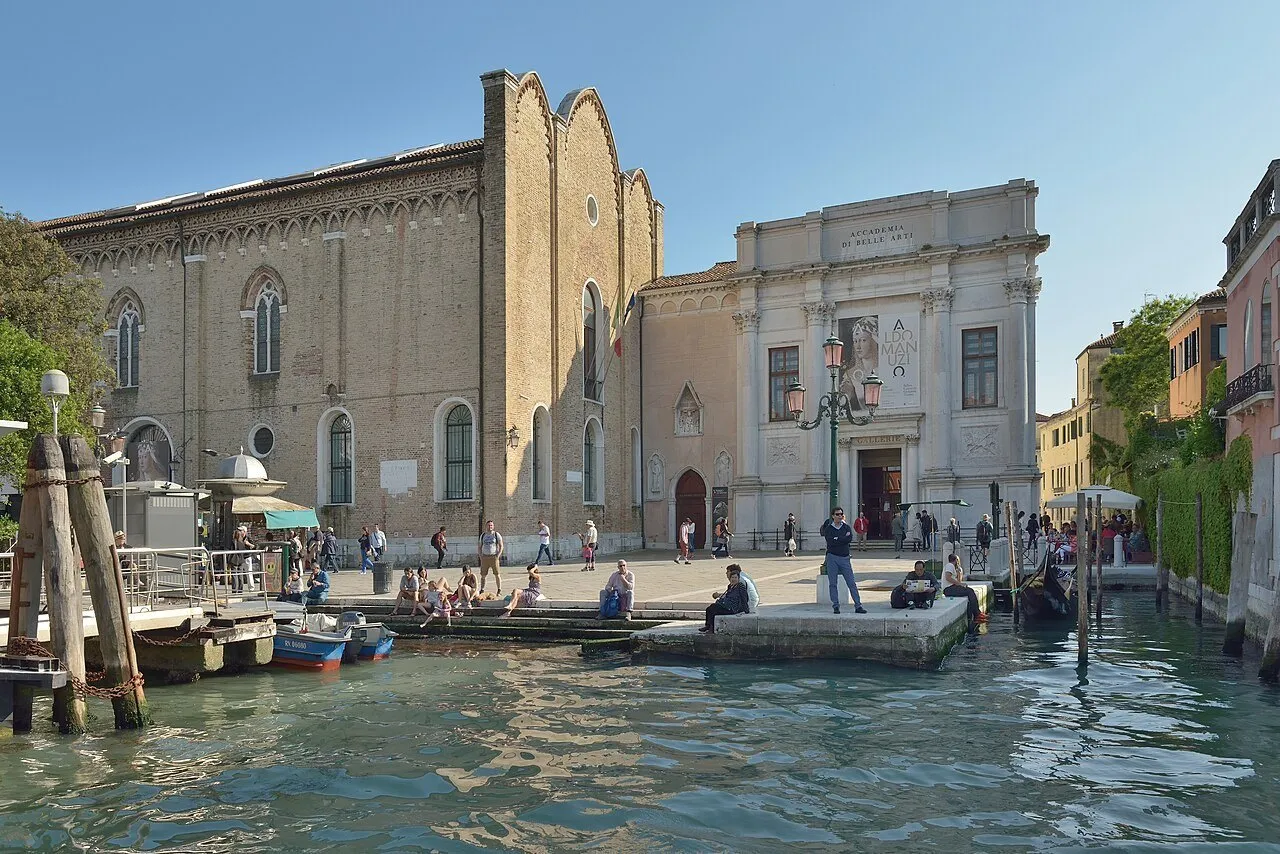 7
Venetian painting gets a concentrated visit, with works by Giorgione, Titian and Veronese, right by the Accademia bridge.
View details for Gallerie dell'Accademia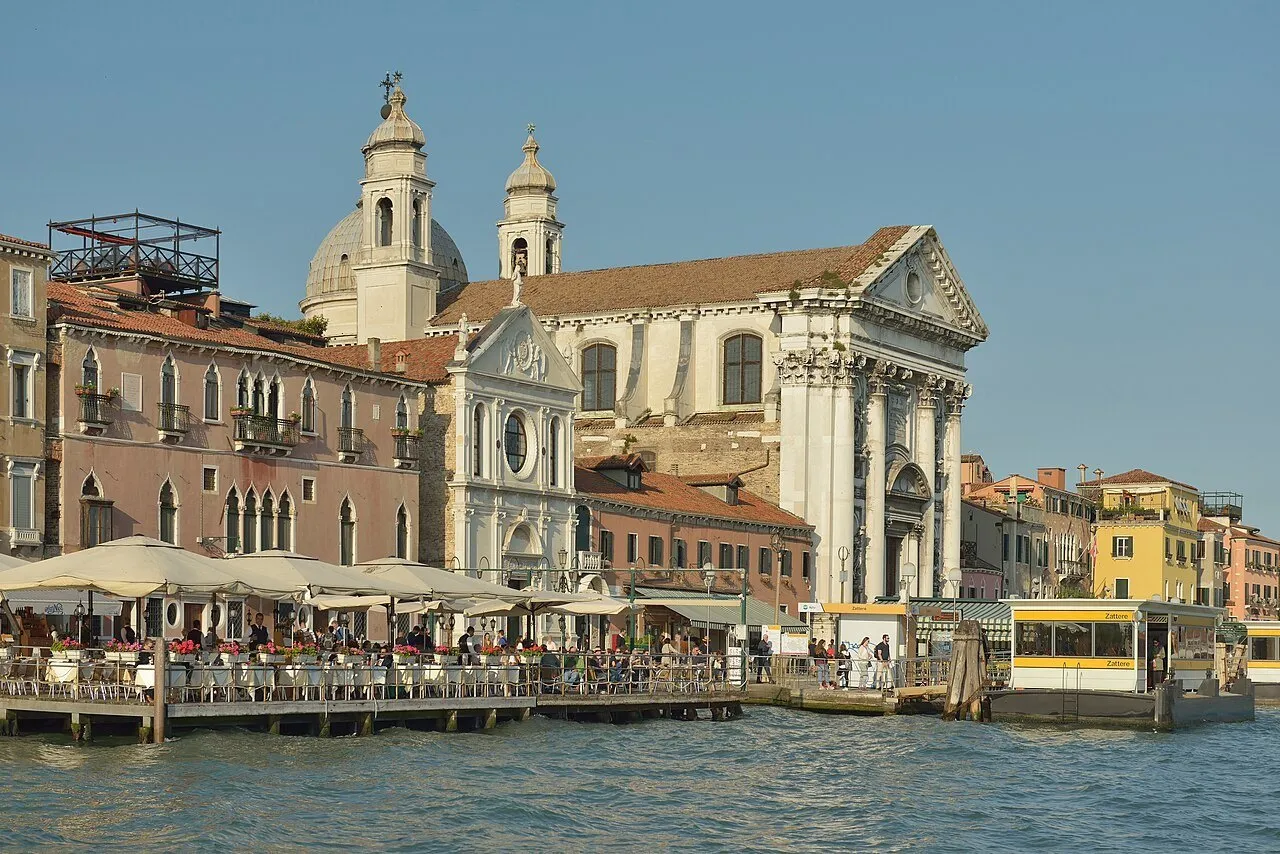 8
Between museums, the dome of the Salute and the Zattere promenade, Dorsoduro offers art and room to walk beside the Giudecca Canal.
View details for Dorsoduro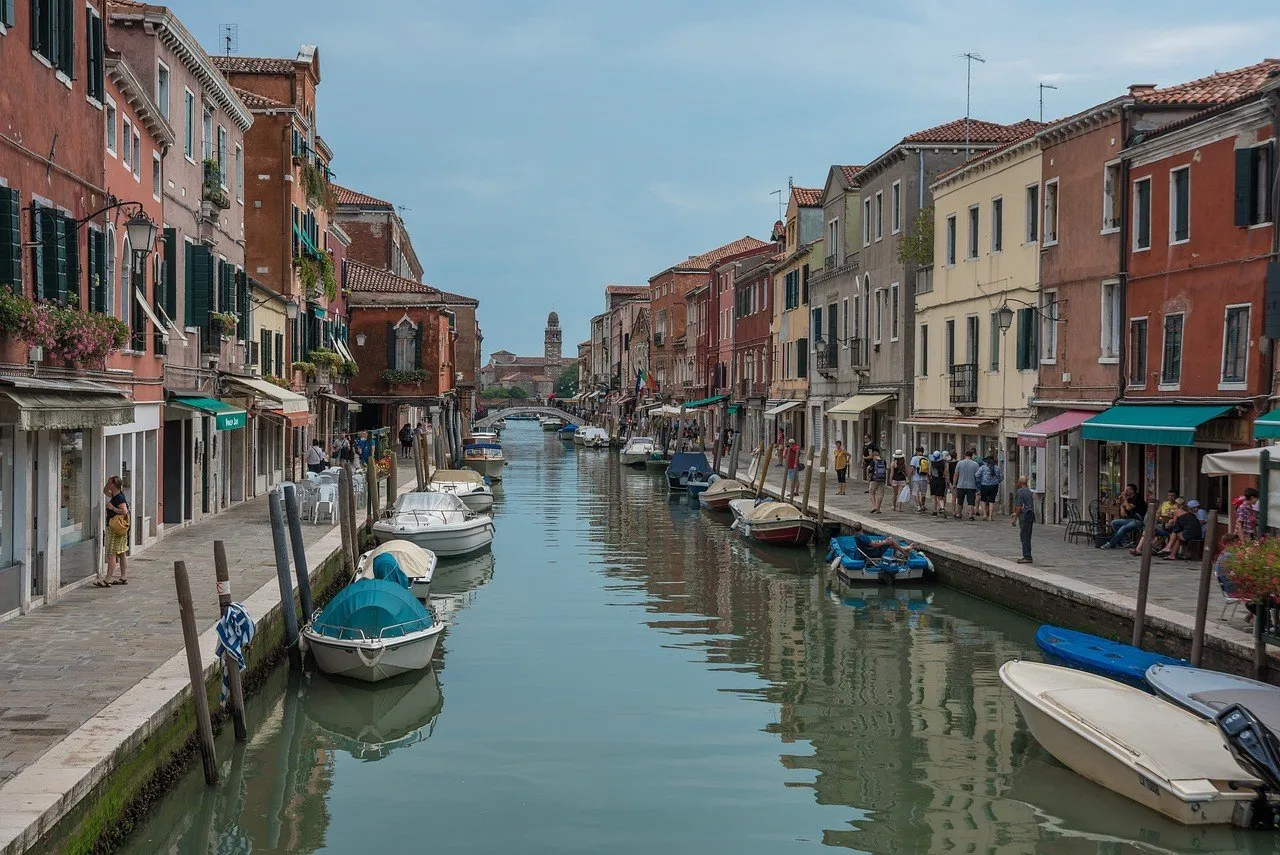 9
Canals and workshops give context to Murano's glass tradition; pick a demonstration or the Glass Museum to deepen the trip.
View details for Murano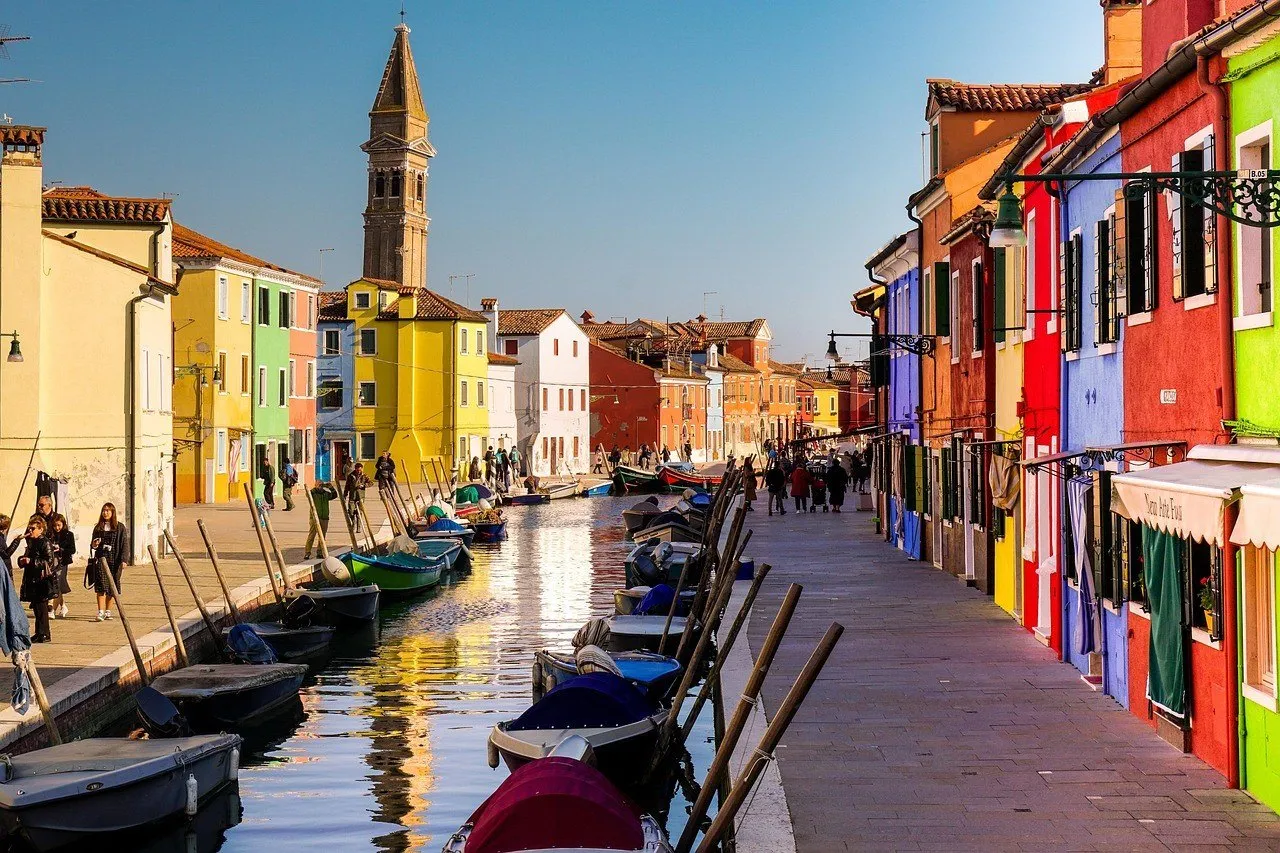 10
Colorful houses reflected in the canals and the lace tradition mark Burano; leave time to walk beyond the first photo spot.
View details for Burano1Here the window of public transport looks onto palaces. The Grand Canal winds through the center while gondolas, water taxis and cargo boats remind you that this water keeps office hours. The façades face the traffic; watching from a boat explains the city better than many a map.
Vaporetto line 1 serves the stretch between Piazzale Roma, Ferrovia, Rialto and St. Mark's. Pick your direction and your stop; the regular service can get crowded. Keep the door area clear for people who need to get off.
2After the narrow streets, St. Mark's Square opens the frame all at once. The basilica, the bell tower and the arcades of the Procuratie compete for your attention; along the Piazzetta, the scene continues all the way to the lagoon. It's worth taking in the whole ensemble before starting the sequence of tickets.
Take a lap and notice the shift between the square and the corridors under the arcades. Come back at another time of day to compare light and crowds. To rest, look for a spot where it's permitted, and keep the walkways clear.
3The gold of the mosaics makes you forget your phone for a moment. Inside St. Mark's, it's worth slowing down to see how the figures follow the curves of the domes. The church is still a place of worship, and services can change tourist access.
Planning starts with choosing your ticket: the basilica, the Pala d'Oro and the museum with the Loggia dei Cavalli come in different combinations. Allow time for the areas you've booked and check the permitted length of stay. The bell tower has a separate ticket.
4Behind the arches of the façade, the Doge's Palace holds a machine of government in the form of rooms. Councils, courts and the doge's residence shared this complex. The decoration was part of the message: to govern was also to impress whoever walked in.
The visit changes scale between halls, corridors and the old prisons, reached via the Bridge of Sighs. From the inside, the corridor reveals its function. The route takes time and some walking; special itineraries have their own conditions and shouldn't be confused with the regular visit.
5Campo del Ghetto Nuovo stands out for the tall houses around it. This part of Cannaregio holds synagogues and the memory of the Venetian Jewish community, which is still present; visits to the interiors require checking specific opening arrangements.
Combine the campo with the Fondamenta degli Ormesini, where osterie and bàcari line the canal. Notice how the waterfront is used day to day, then continue to Rialto. You don't need to enter every church to enjoy the neighborhood; keep doorways and bridges clear.
6At Rialto you can cross the canal, browse the shop windows and forget which side you meant to exit on. The stone bridge has shops and a covered central stretch; from the sides, the view follows the boats moving between the façades.
The spot connects the market area with the streets leading to St. Mark's. Go down to the bank as well to see the whole arch: from on top, you lose the bridge itself. Take photos without blocking people crossing the bridge.
7Giorgione's The Tempest and Veronese's Feast in the House of Levi show how Venetian painting can swing between mystery and abundance. The Gallerie dell'Accademia give context to the art you find scattered across the city's churches and palaces.
Choose a few works to look at slowly, including Titian's Pietà, depending on what's on display. Rushing through everything at boarding-gate speed leaves you with nothing but tiredness. At Campo della Carità, near the Accademia bridge, the museum pairs well with Dorsoduro.
8In Dorsoduro, you leave one museum and soon find another reason to stop. The neighborhood is home to the Gallerie dell'Accademia, the Peggy Guggenheim Collection and Punta della Dogana; the dome of the Salute helps you spot the tip facing St. Mark's.
After the galleries, keep the rest of the route outdoors: walk toward the Zattere, facing the Giudecca Canal. The scenery widens. Save the other museums for another afternoon.
9In Murano's shop windows, glass seems to accept any shape: vases, beads, curls and pieces you'll prefer to admire without touching. The island is tied to the glassmakers' craft, and the Glass Museum helps you look at the pieces beyond the souvenir.
Choose one main visit, to the museum or to a workshop with a confirmed demonstration, and leave time to walk the canals. Agree in advance on price, duration and booking when there is one. To continue to Burano, check the pier before crossing the island.
10The reflection of Burano's houses changes color with every bank. After the first round of photos, walk down another street and notice the façades, bridges and doors: these colors belong to a place where people live, not a studio set up for visitors.
Lace is the island's other tradition, presented at the Lace Museum, which can be a complement if the hours allow. For a break, look for the buttery bussolà. Plan the return trip before you eat, with a margin for boarding and service changes.
Compare ACTV passes with your routes and validate the ticket according to the format you bought. Check the airport transfer separately; a water taxi is a different service.
Check the calendar for the access fee, which is different from the accommodation tourist tax. Confirm with your lodging any exemption and the proof required for the year of your trip.
Wear comfortable shoes and pack light. For step-free routes, look up accessible paths and boarding conditions before booking; a short distance can include several bridges.
In summer, plan museums for the hot hours; in autumn and winter, expect damp cold and fog. Check the city's tide forecast and ACTV notices before heading to the islands.
Follow the signs about eating and resting. Keep walkways clear, lower your voice on residential streets and keep your bag and phone close at crowded boarding points.
Check the price, service charge and extras before ordering. Mix meals with small bites at a bàcaro, following the city's rules on eating in public spaces.
In the bàcari, the small plates called cicchetti let you sample Venetian cooking bit by bit. Ask at the counter: the fish comes creamy, fried or pickled in a sweet-and-sour marinade. Cannaregio and the Rialto area suit this kind of break. On the islands, Burano's biscuits take care of dessert.
Whipped fish cream, served with bread or polenta; despite the name, the Venetian tradition uses dried cod.
Fried sardines marinated with onion and vinegar, with versions that add raisins and pine nuts: the sweet-and-sour takes charge.
Rice with peas, somewhere between risotto and thick soup; a vegetable option to look for on the menu, checking the other ingredients.
A buttery biscuit of eggs and flour, good with coffee or as a take-away from the island.
We use cookies and similar technologies, such as Google Analytics, in accordance with our Privacy Policy and, by continuing to browse, you agree to these terms. You can decline at any time in the policy.