1Wat Phra Yai (Big Buddha)
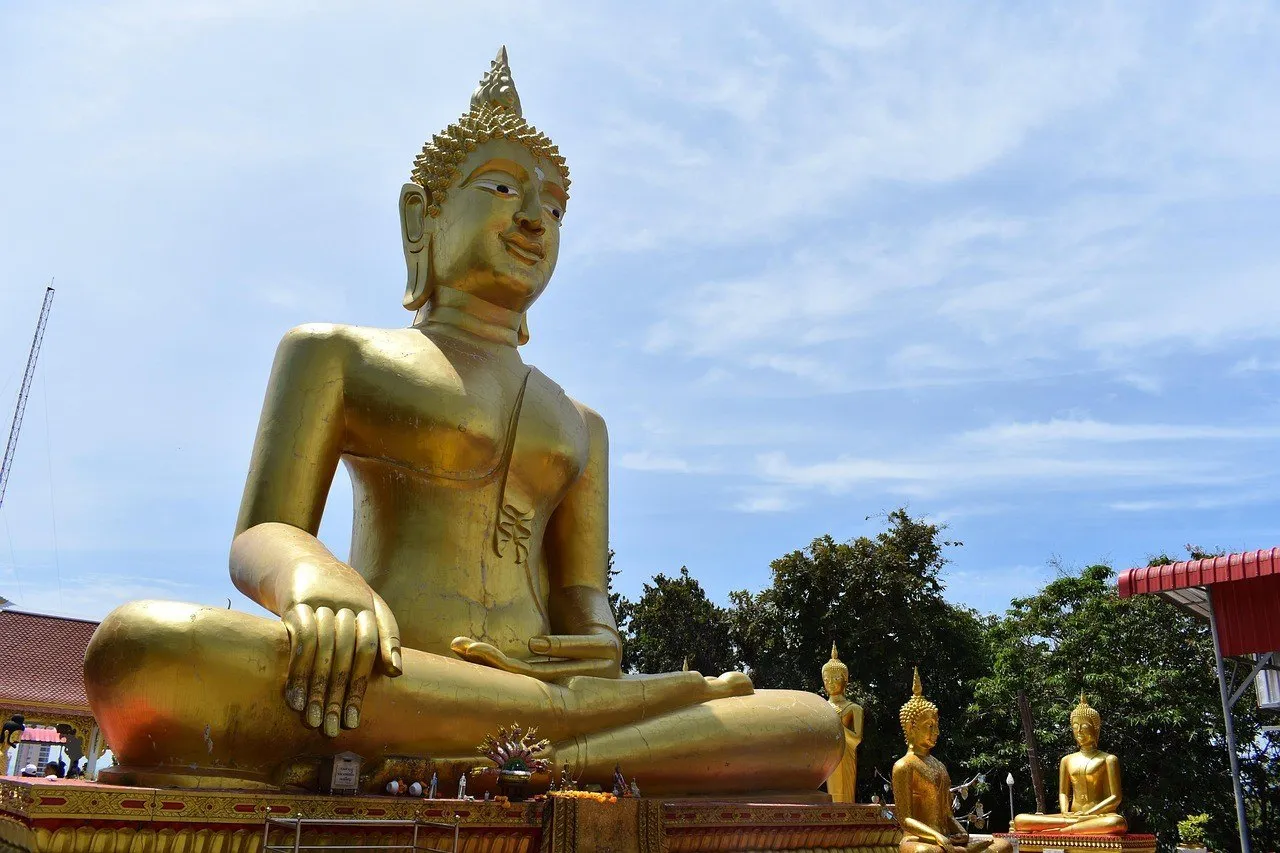
A temple from the 1940s on top of Pratumnak Hill, between Pattaya and Jomtien, with an 18-meter seated golden Buddha and a staircase guarded by seven-headed nagas.
View details for Wat Phra Yai (Big Buddha)
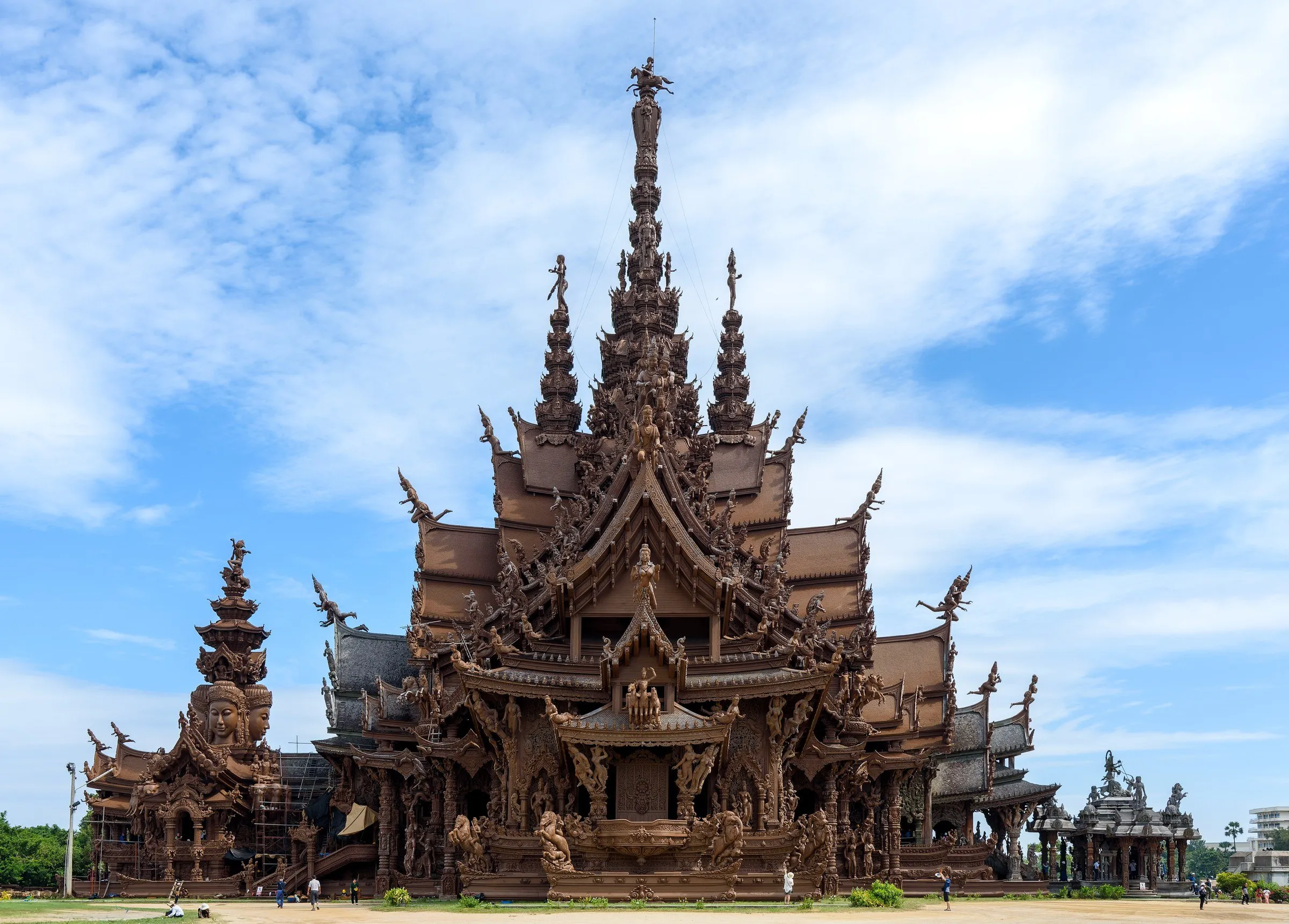
In Pattaya, the most curious building on the north shore is made entirely of wood, has been under construction since 1981 and welcomes visitors in hard hats while the carvers keep working right beside them.
According to local tradition, the place was called Thap Phraya, in memory of the passage of Phraya Tak's army, and the name gradually changed until it became Pattaya.
Pattaya has been run as a special self-governing area since 1978, but it only elected its first mayor by direct vote in 2004.
At the Sanctuary of Truth, the main pillar is made of takien, the oldest wood in the building, chosen because it should last about 600 years.
Nong Nooch garden has a Stonehenge replica built in 2000, with stones bought in Prachinburi province.
1A temple from the 1940s on top of Pratumnak Hill, between Pattaya and Jomtien, with an 18-meter seated golden Buddha and a staircase guarded by seven-headed nagas.
View details for Wat Phra Yai (Big Buddha)
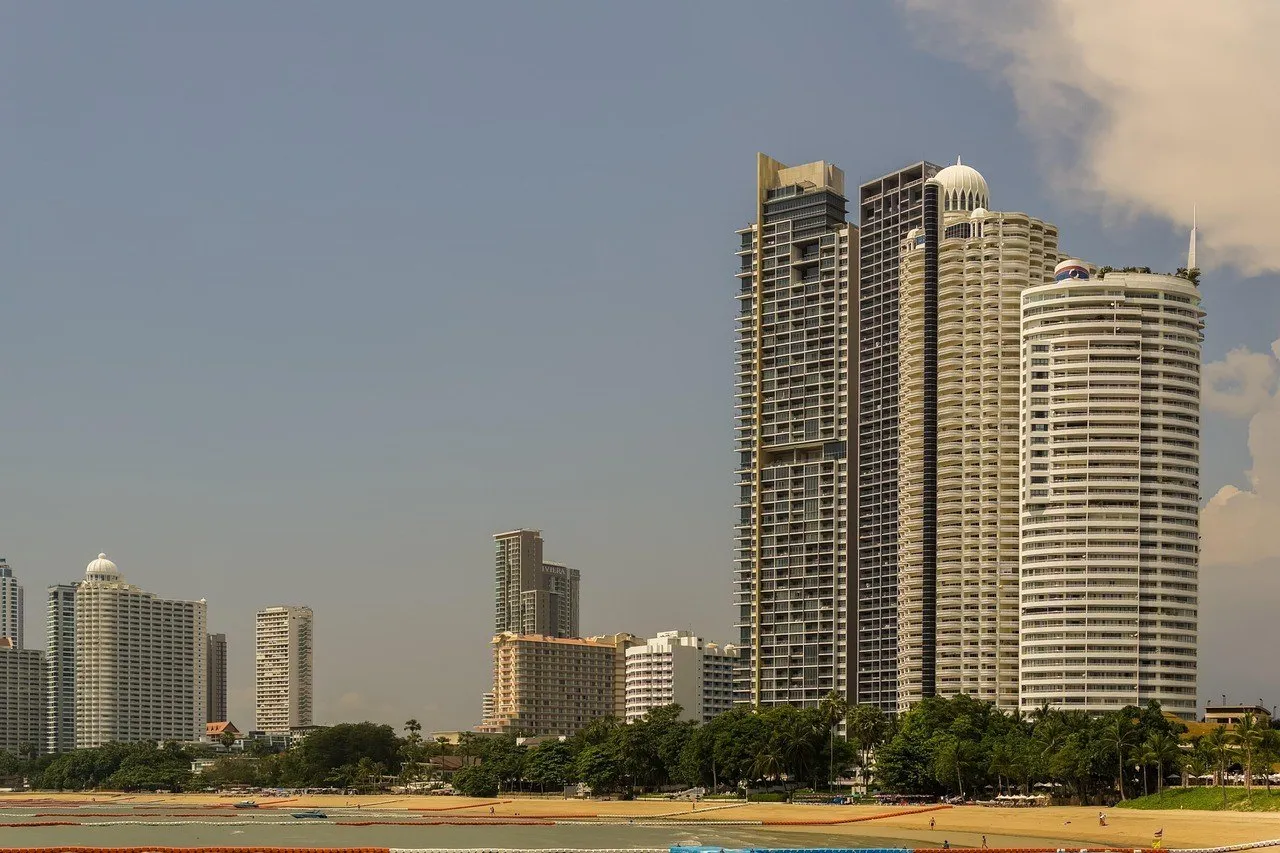
2A long beach on the far side of Pratumnak Hill, separated from the center by Thepprasit Road, with condos, hotels and restaurants along the shore and a pace that feels more neighborhood than downtown.
View details for Jomtien Beach
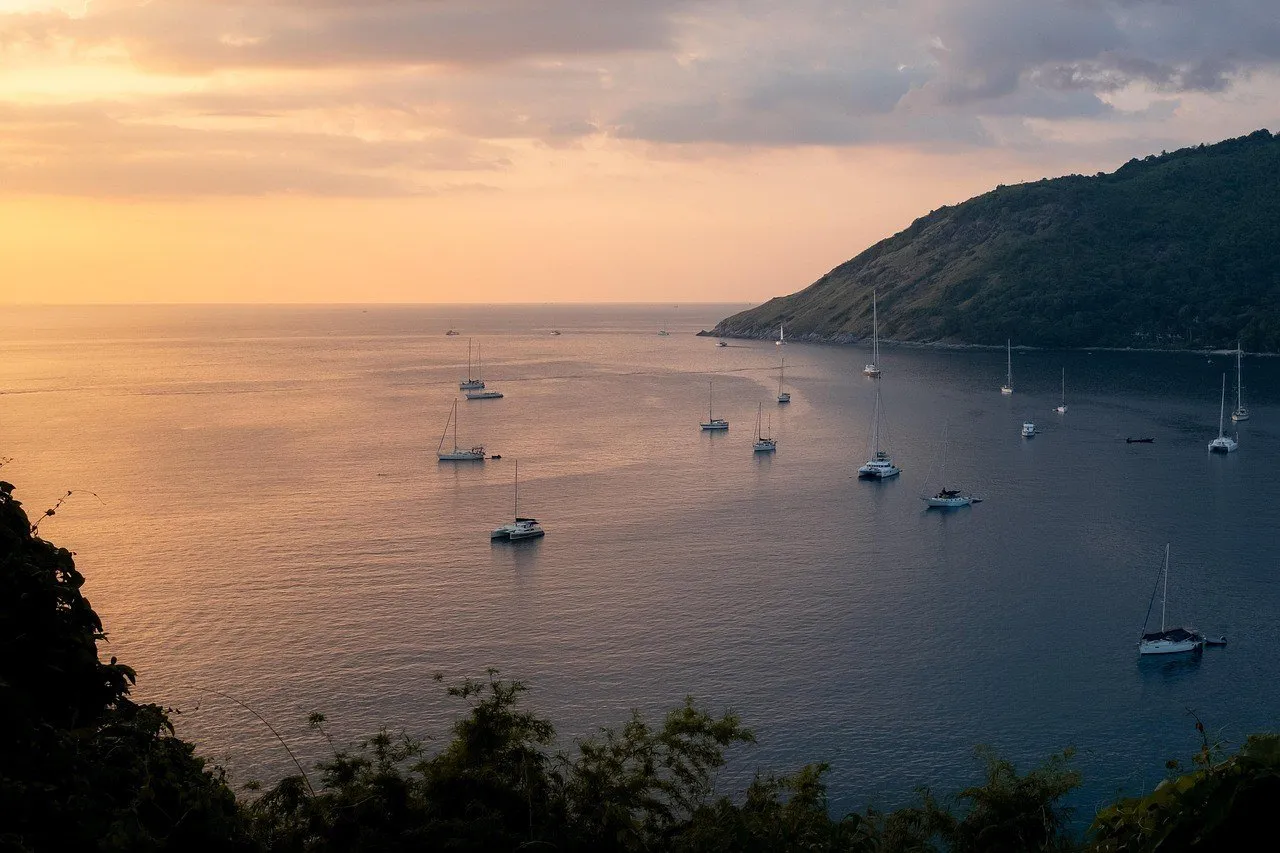
3A free viewpoint on top of Pratumnak Hill, next to the shrine of the Prince of Chumphon, with the whole bay from Bali Hai Pier to Naklua. The Pattaya City sign is on the slope.
View details for Khao Phra Tamnak Viewpoint and the Pattaya City sign
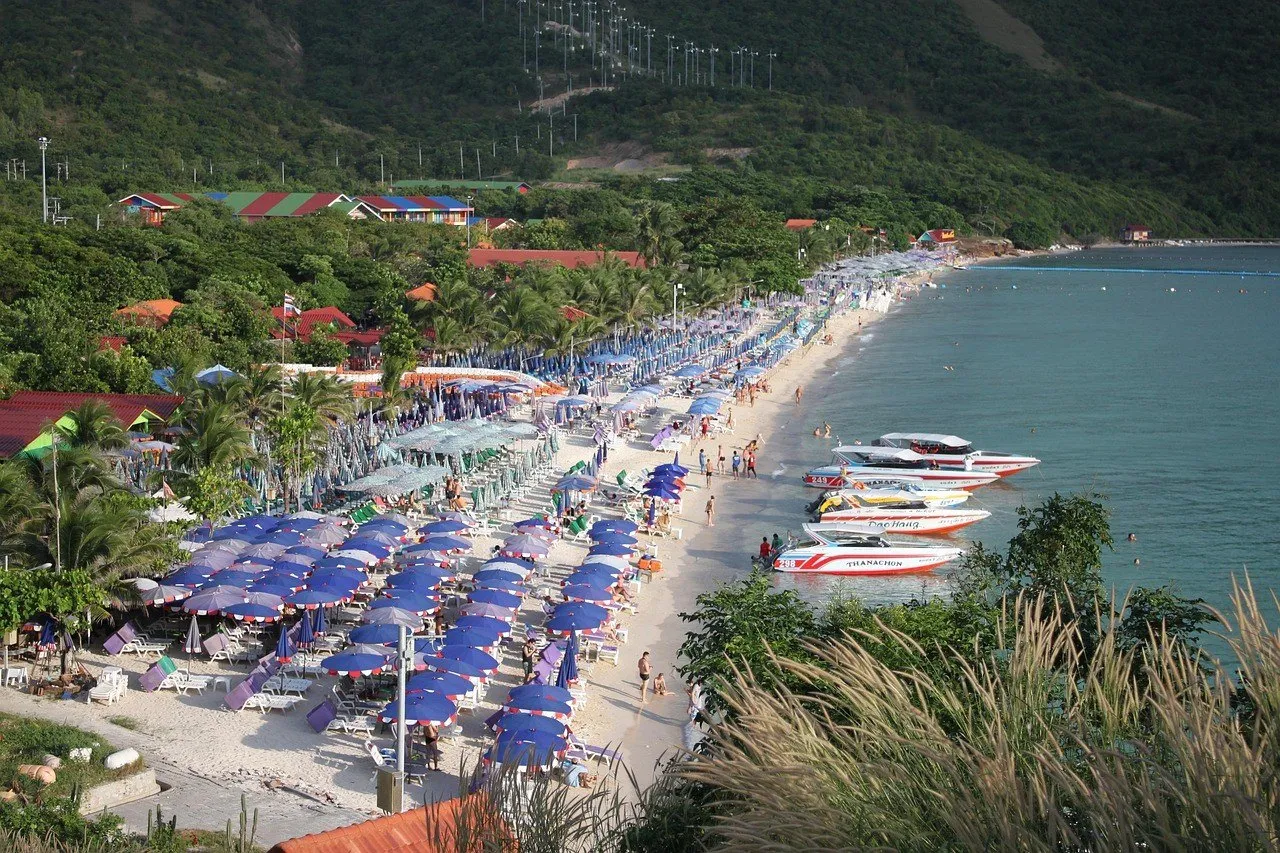
4An island about 7 km off the coast, with beaches such as Tawaen, Samae, Tien and Nual. The ferry leaves from Bali Hai Pier and takes about 45 minutes; the speedboat takes 15 to 20.
View details for Koh Larn (offshore island)
5A castle-temple made entirely of wood, without nails, by the sea in Naklua. It was started in 1981, has a tower of about 105 m and carvings with Buddhist and Hindu themes, and is still under construction.
View details for Sanctuary of Truth
6A curved beach of about 1.3 km in the north of the city, a former fishing village, with big trees on the sand, much calmer than the central bay and with rocks that limit swimming.
View details for Wong Amat Beach
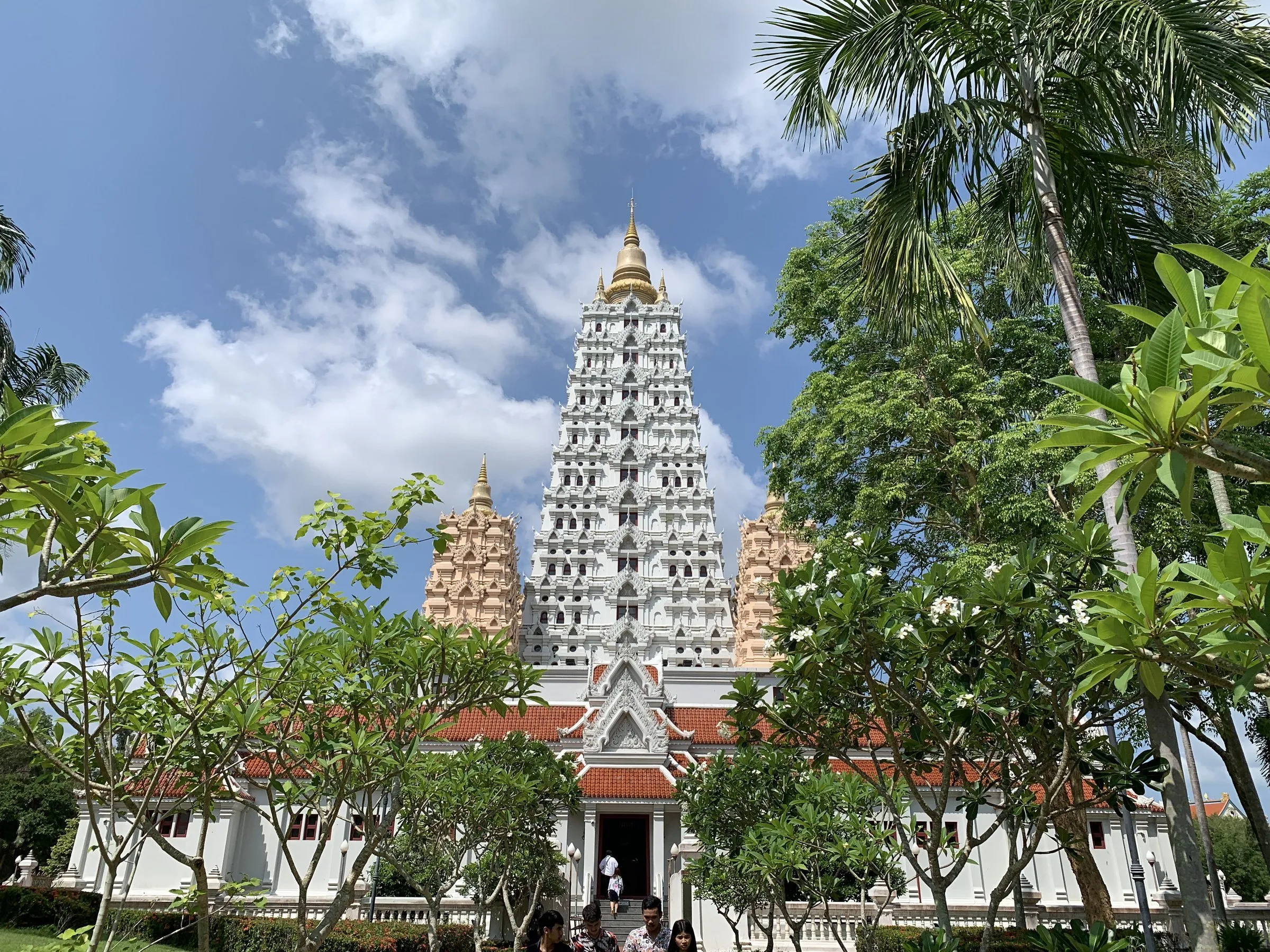
7Outside the center, about 20 km to the southeast: a Buddhist complex from 1976 with royal patronage, a replica of the Mahabodhi Temple and pavilions in the styles of several countries around a lake.
View details for Wat Yansangwararam (outside the center)
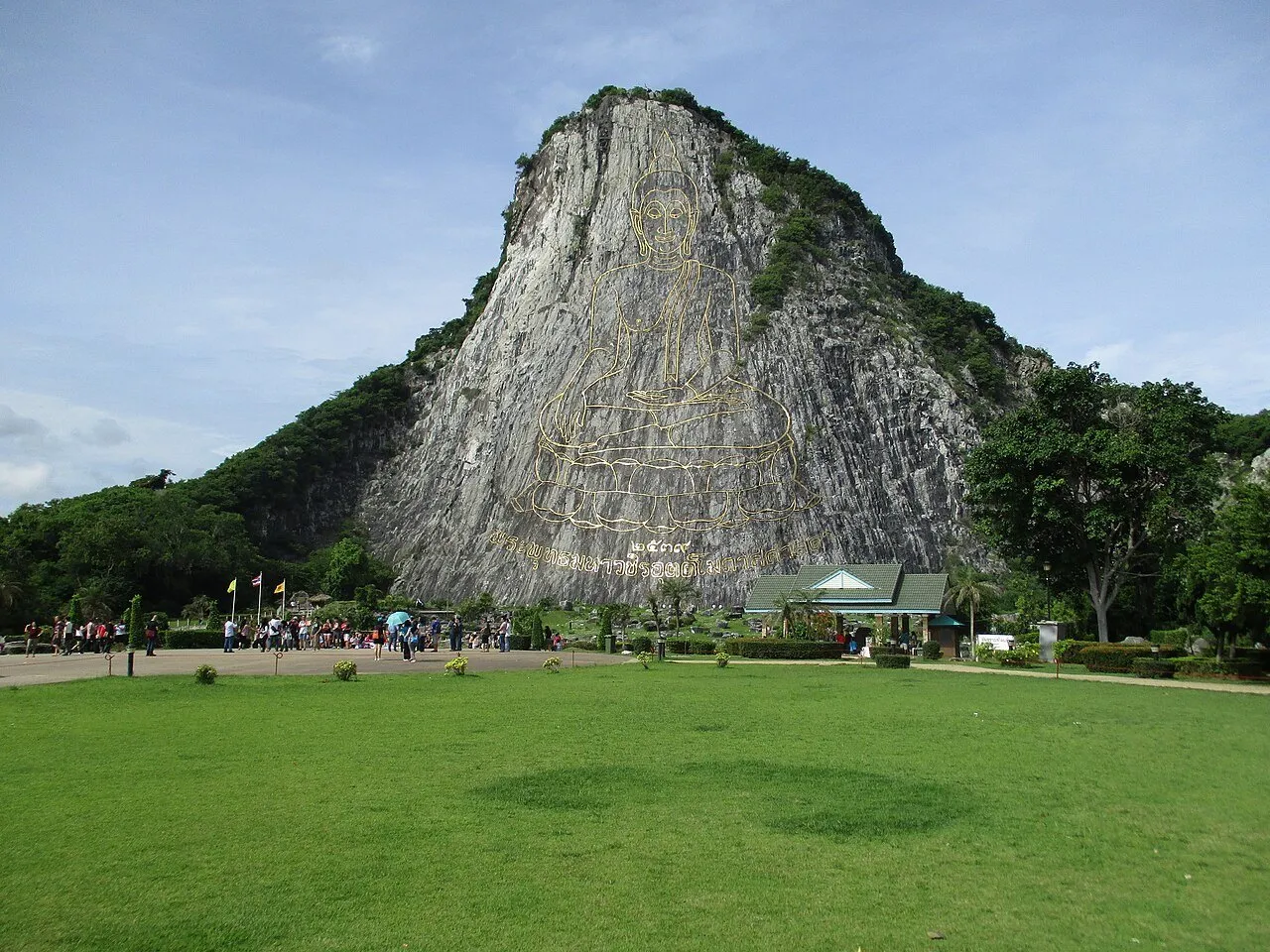
8Outside the center, in Sattahip: a seated Buddha of about 109 meters, drawn with lasers and filled in with gold on the face of a limestone hill, made for the 50th year of Rama IX's reign.
View details for Khao Chi Chan (outside the center)
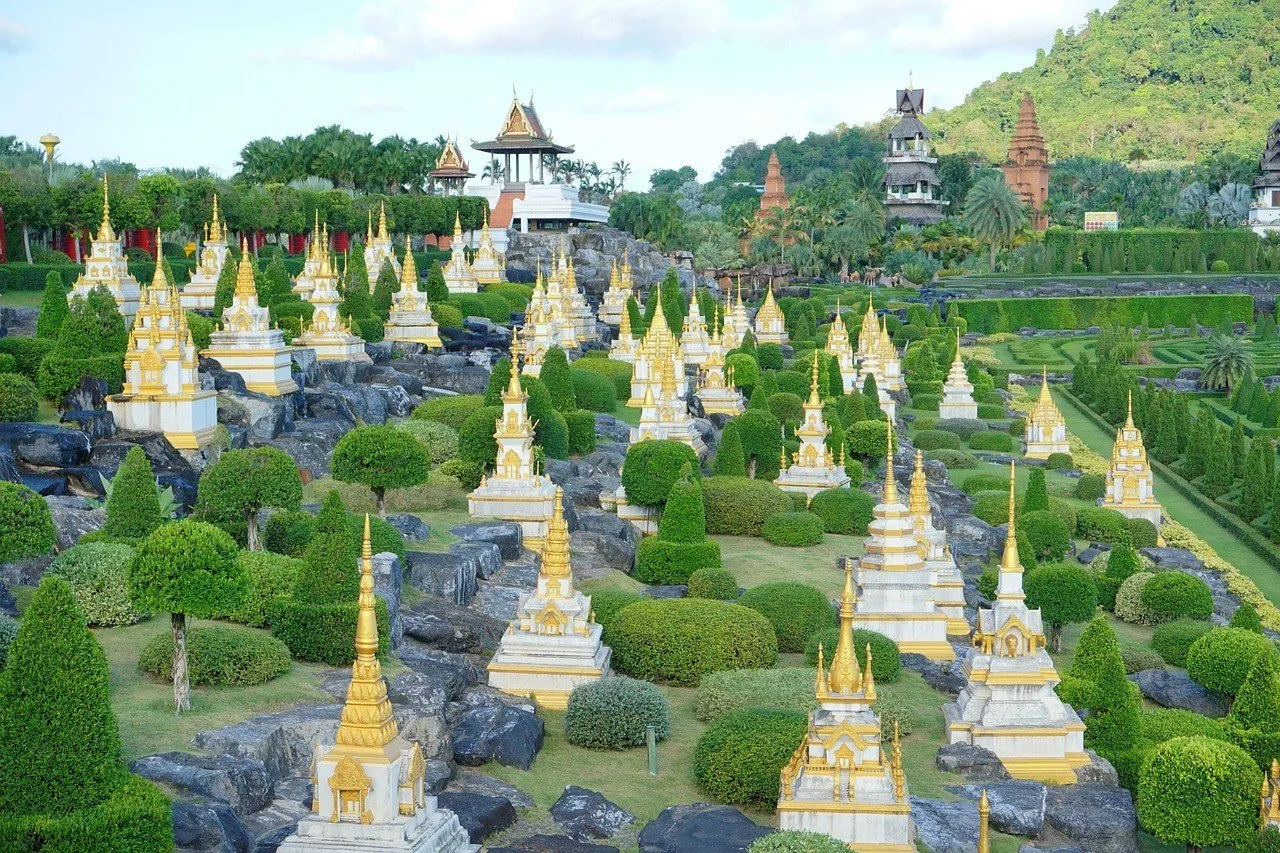
9Outside the center, about 15 km to the south: a botanical garden open to the public since 1980, with more than 1,700 rai, a French garden inspired by Versailles, a cycad collection and a dinosaur valley.
View details for Nong Nooch Tropical Garden (outside the center)
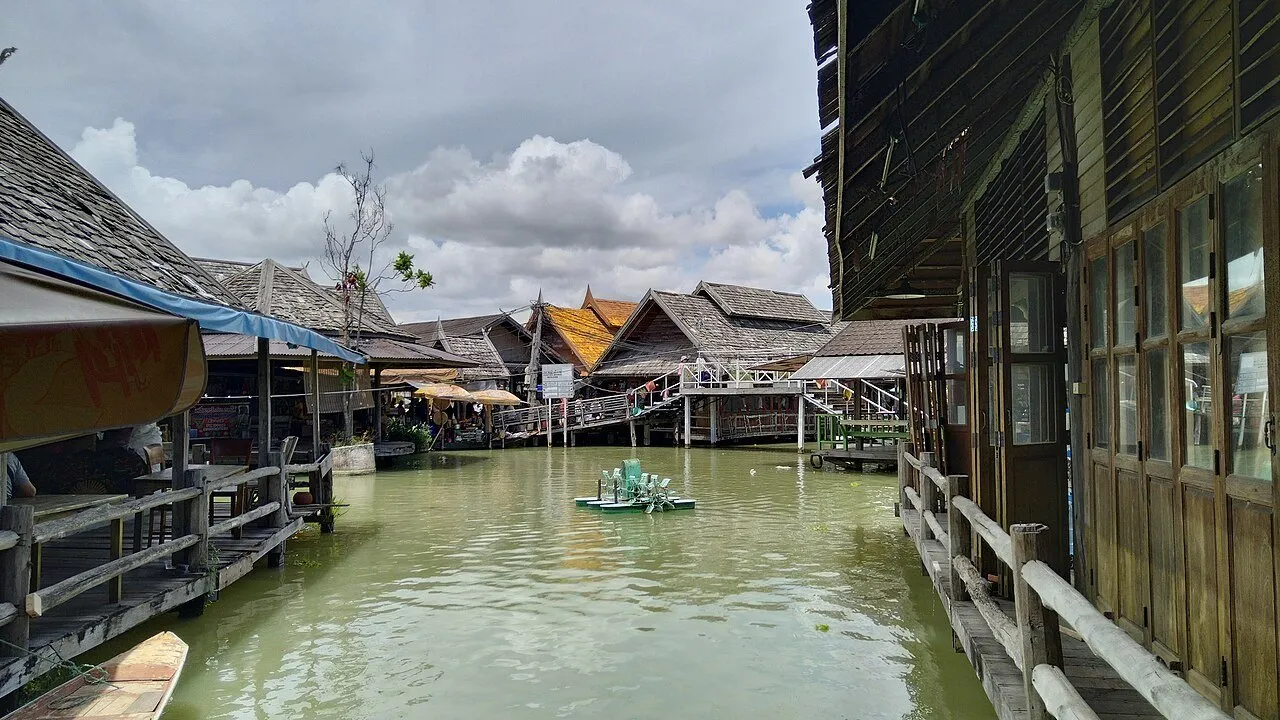
10A market built on an artificial lake and opened in 2008 on Sukhumvit, divided into four zones for the regions of Thailand, with about 500 shops, boats and local food.
View details for Pattaya Floating Market
1Pratumnak Hill is only 98 meters high, but it separates Pattaya Bay from Jomtien beach, and Wat Phra Yai sits at the top. The temple dates from the 1940s, when the city still lived off fishing. The 18-meter seated golden Buddha was raised in 1977 and can now be seen from many points along the shore.
The climb is up a staircase flanked by two nagas, mythical seven-headed serpents that stand guard over the statue. On the platform, seven smaller statues, each in a different posture, represent the days of the week. Look for the one for the day you were born before heading down.
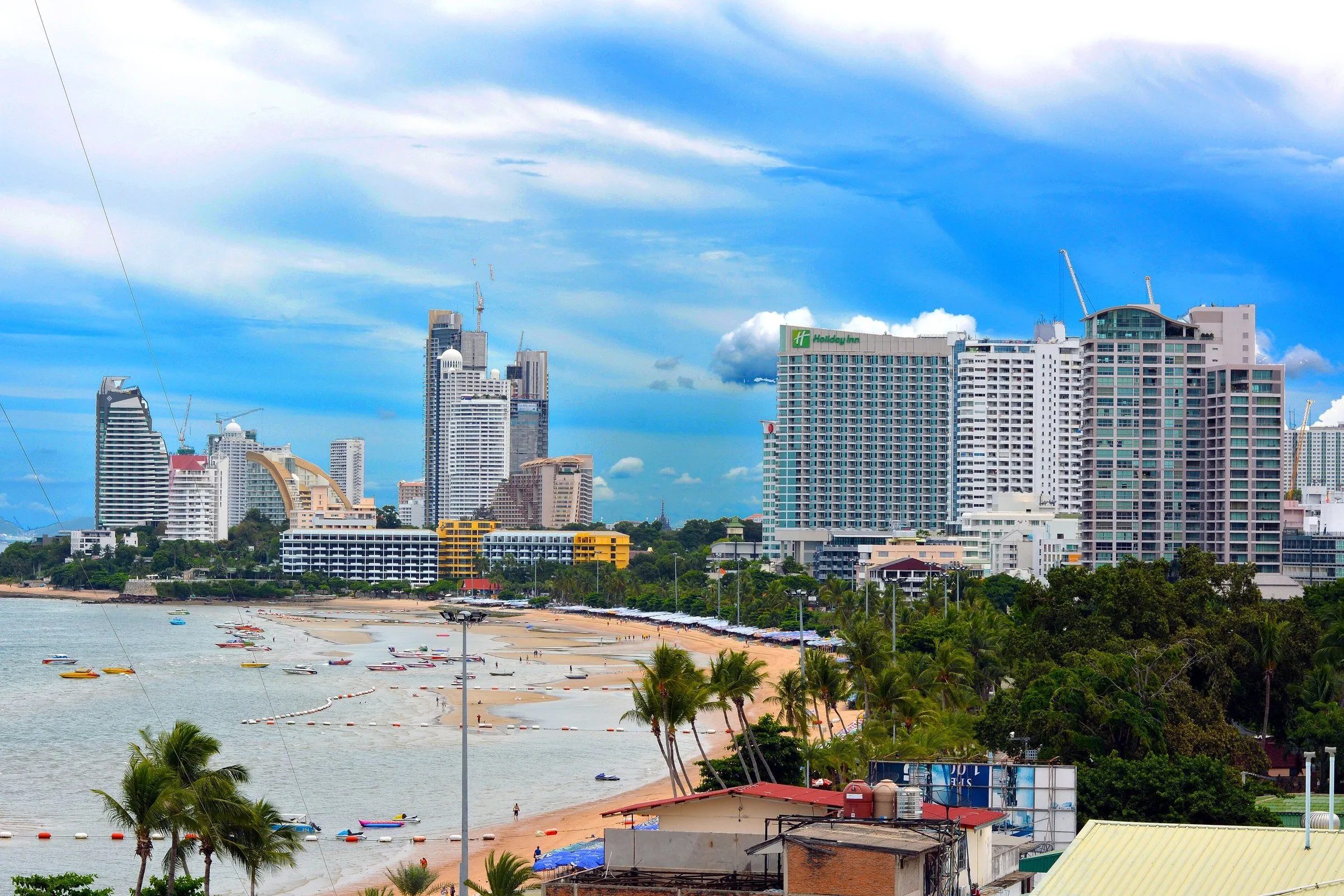
2Past Pratumnak Hill, Jomtien begins. Thepprasit Road marks the boundary with Pattaya, and the shore is lined with tall condo towers, beachfront hotels, bungalow complexes, shops and restaurants. It is a good base for anyone who wants the center close, but not at the door of the room.
On the sand, jet ski rentals are common, and it is here and on Pattaya Beach that the local press has reported the invented-damage scam: after the ride, the operator points to old scratches as if they were new and charges a lot for the repair, sometimes pressuring you to pay on the spot. Photograph the equipment beforehand, get the owner to acknowledge the marks and ask for a written agreement.
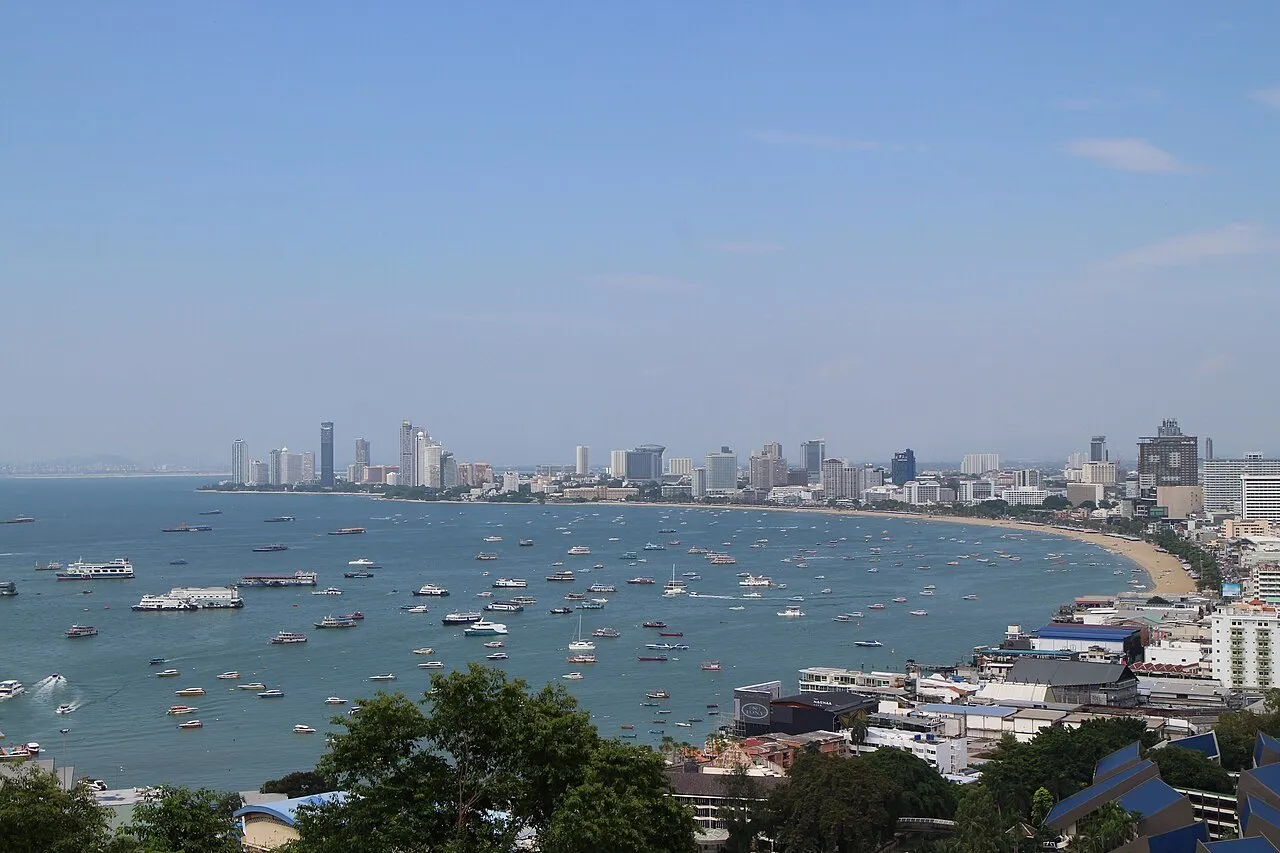
3From here the bay unfolds from end to end: Bali Hai Pier on one side, Naklua on the other and the row of waterfront buildings in between. The viewpoint stands next to the shrine dedicated to Admiral Prince Abhakara Kiartivongse, the Prince of Chumphon, remembered as the father of the Royal Thai Navy, and it is free to enter.
Farther down the slope, the sign with PATTAYA in red and city in white has its own vantage point and makes for the photo that proves you were in town. On the same hill, Chaloem Phrakiat Park adds about 24,000 m² of gardens and more viewpoints. Late afternoon is the most popular time.
4A note about the map: Koh Larn is out at sea, about 7 km from the shore, and it is the classic beach outing for anyone staying in Pattaya. It all starts at Bali Hai Pier, at the southern end of Beach Road. The public ferry takes around 45 minutes and almost always stops at Na Ban Pier, in the village; some departures go straight to Tawaen beach. The speedboat makes the crossing in 15 to 20 minutes.
Tawaen is the busiest, with water sports and seafood restaurants. Samae is wide and good for late afternoon, Tien has a wooden walkway and clear water, and at Nual, in the south, monkeys sometimes show up. From Na Ban Pier, songthaews and motorbike taxis take you to the beaches along narrow, steep and winding roads.
5The businessman Lek Viriyaphan began the project in 1981, on a seafront plot in Laem Ratchawet, in the Naklua district, and it has never been finished: for part of the visit, the hard hat on your head is not a fashion statement. The building is entirely wooden, assembled with traditional Thai joinery instead of nails, mixes temple and castle, and has a tower that reaches nearly 105 meters at its tallest.
Each of the four wings has a theme: Guanyin and wisdom in the north, the sun, moon and planets in the south, the four elements and the Hindu trinity in the west, and the family in the east. The museum deals with questions about the origin and purpose of life, without tying its message to a single religion, and Thai and Burmese artisans carve pieces live.
6At the far north, past Naklua, Wong Amat beach draws a half-moon of roughly 1.3 km, with rows of big trees shading the families below. It used to be a fishing village; today there are luxury hotels and restaurants behind the sand, but it remains much quieter than Pattaya Beach, even in high season, from November to February.
The rock formations that follow the curve make the scenery prettier and the swimming area smaller than on the wide beaches of the center. It is the natural choice for the afternoon after the Sanctuary of Truth, which is at the same end of the city.
7About 20 km southeast of Pattaya, Wat Yansangwararam was begun in 1976, in honor of the Supreme Patriarch Somdet Phra Nyanasamvara, and grew under the patronage of King Bhumibol Adulyadej. It covers almost 59 hectares of gardens, lakes and buildings, most of them raised in honor of the royal family, with statues of the king and his mother in the parks.
The most eye-catching building reproduces the Mahabodhi Temple in Bodh Gaya, India, and a mondop houses a replica of a Buddha footprint. On the edge of the reservoir, pavilions in different styles, from Lanna and Isan to Japanese, Chinese and Indian, make a trip around the world on foot.
8In Na Chom Thian, in Sattahip district, near Wat Yansangwararam, the slope of a limestone hill that was once quarried carries a seated Buddha about 109 meters tall, in the Sukhothai style, with one hand resting on the knee. The work was done in the 1990s to mark the 50th year of the reign of King Bhumibol Adulyadej, Rama IX.
The design was born on a computer and projected onto the rock with a laser at night, when the beam was visible; by day, the team checked and adjusted the lines. The lines were then filled in with gold leaf. Entry is free, and the place is still used for worship, with monks and ceremonies on the grounds.
9Outside the center, at km 163 of Sukhumvit, Nong Nooch began on land that Nongnooch Tansacha had planned to use for orchards and ended up turning into a garden, open to the public in 1980. Today it covers more than 1,700 rai, the Thai unit of land area, which comes to around 270 hectares. Wear sneakers: the walk is long.
The French Garden, from 1998, is inspired by Versailles; the Dinosaur Valley, from 2017, scatters more than 180 replicas across the lawn. Botany fans head straight for the cycad genetic bank and the palm collection, with more than a thousand species. Shows of Thai culture, with dance and martial arts, take place every day.
10Opened on November 1, 2008, on the outskirts of Pattaya, the market was built from scratch on an artificial lake, in teak and with thatched roofs, and divided into four zones representing the North, the Northeast, the Center and the South of Thailand. There are about 500 shops, many on walkways over the water, with food and crafts from each region.
The vendors' boats sit moored by the walkways, and some of them came from Ayutthaya, bought to give the feel of an old market. It is a setting designed for visitors, and it works well for trying snacks from four regions in a single afternoon. In September 2023, a fire hit dozens of shops, and the market reopened nine days later.
Within the city and as far as Jomtien, the pickup trucks nicknamed baht buses, or blue taxis, handle almost everything. For Wat Yansangwararam, Khao Chi Chan and Nong Nooch, to the south along Sukhumvit, it pays to hire a car with a driver or take a tour. From Suvarnabhumi airport, bus 389 takes about 1.5 hours.
From May to October the sea can get rough, and speedboats to Koh Larn are sometimes suspended. When renting a jet ski, photograph the equipment beforehand, point out existing damage and ask for a written agreement about liability. If you are charged an abusive amount, call the Tourist Police at 1155. On the island, only ride a motorbike with the proper license and a helmet.
Men: a shirt with sleeves and trousers or shorts to the knee; women: a skirt below the knee and a top with sleeves. Take your shoes off to enter, step over the threshold without standing on it and, when seated, keep your feet pointed away from Buddha images. Do not touch or point at the statues, and women should not touch monks or their robes.
Article 112 of the Thai Criminal Code provides for 3 to 15 years in prison, per charge, for offenses against the king, the queen, the heir or the regent. The law has been applied to foreigners and covers social media posts. Treat images of and references to the royal family, including the statues and tributes in temples such as Wat Yansangwararam, with seriousness.
Entry rules depend on your nationality, and many travelers can enter Thailand for tourism without a visa for a limited stay, as listed by the Thai Ministry of Foreign Affairs. Rules change often: check the current conditions for your own passport on the ministry's or the embassy's website before you fly.
From December to February it is hot, but the weather is drier. March and April are hot and muggy. From May to November the rains arrive, heaviest in September and October, just when the sea tends to get in the way of boat trips.
In Pattaya, those who eat well look to the sea at Naklua. At the Lan Pho market, in the north of the city, the stalls sell shrimp, crab, squid and shellfish caught that morning, and small kitchens at the back cook what you bought for a fee. Compare prices between stalls, because the first price quoted to a tourist tends to be high, and go at lunchtime: the market closes in the early evening. For dinner with the sea next to you, the waterside restaurants of Naklua, such as Moom Aroi, fill up between 7 and 9 p.m.
Oysters wrapped in egg batter, served still sizzling on the plate. It is the order that brings many people down from Bangkok to the seaside tables of Naklua.
You pick the shrimp or crab at a Lan Pho stall and pay one of the kitchens at the back to cook it. Sauces are usually charged separately.
A spicy, sour green papaya salad, to alternate with the skewers and the grilled seafood.
Slices of ripe mango over sticky rice, the sweet finish to a walk through the night market, preferably with a cold fruit juice.
We use cookies and similar technologies, such as Google Analytics, in accordance with our Privacy Policy and, by continuing to browse, you agree to these terms. You can decline at any time in the policy.