1Grand Palace and Wat Phra Kaew
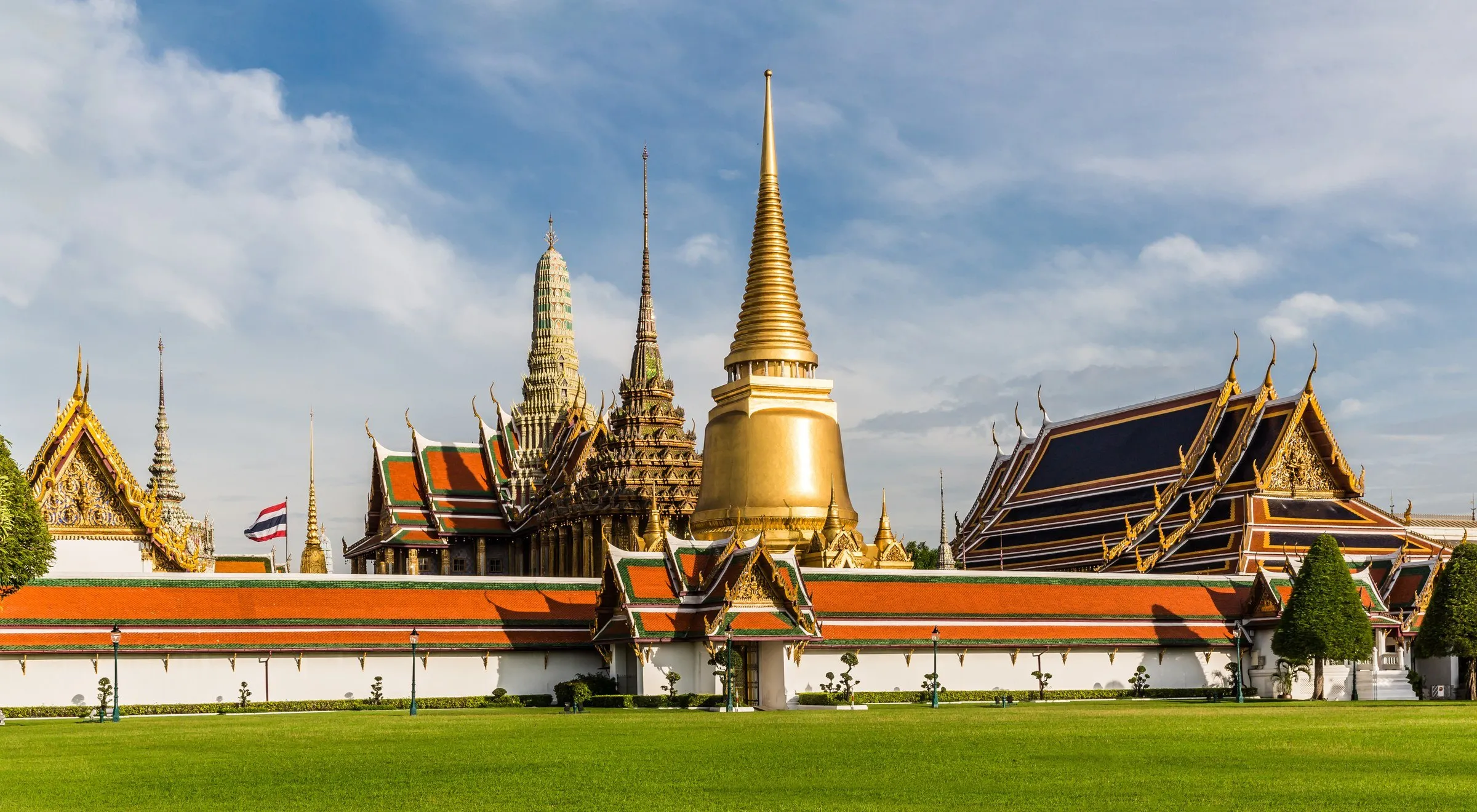
Built from 1782 as the home of the kings, the complex brings together halls with tiered roofs and Wat Phra Kaew, the royal chapel that houses the Emerald Buddha.
View details for Grand Palace and Wat Phra Kaew
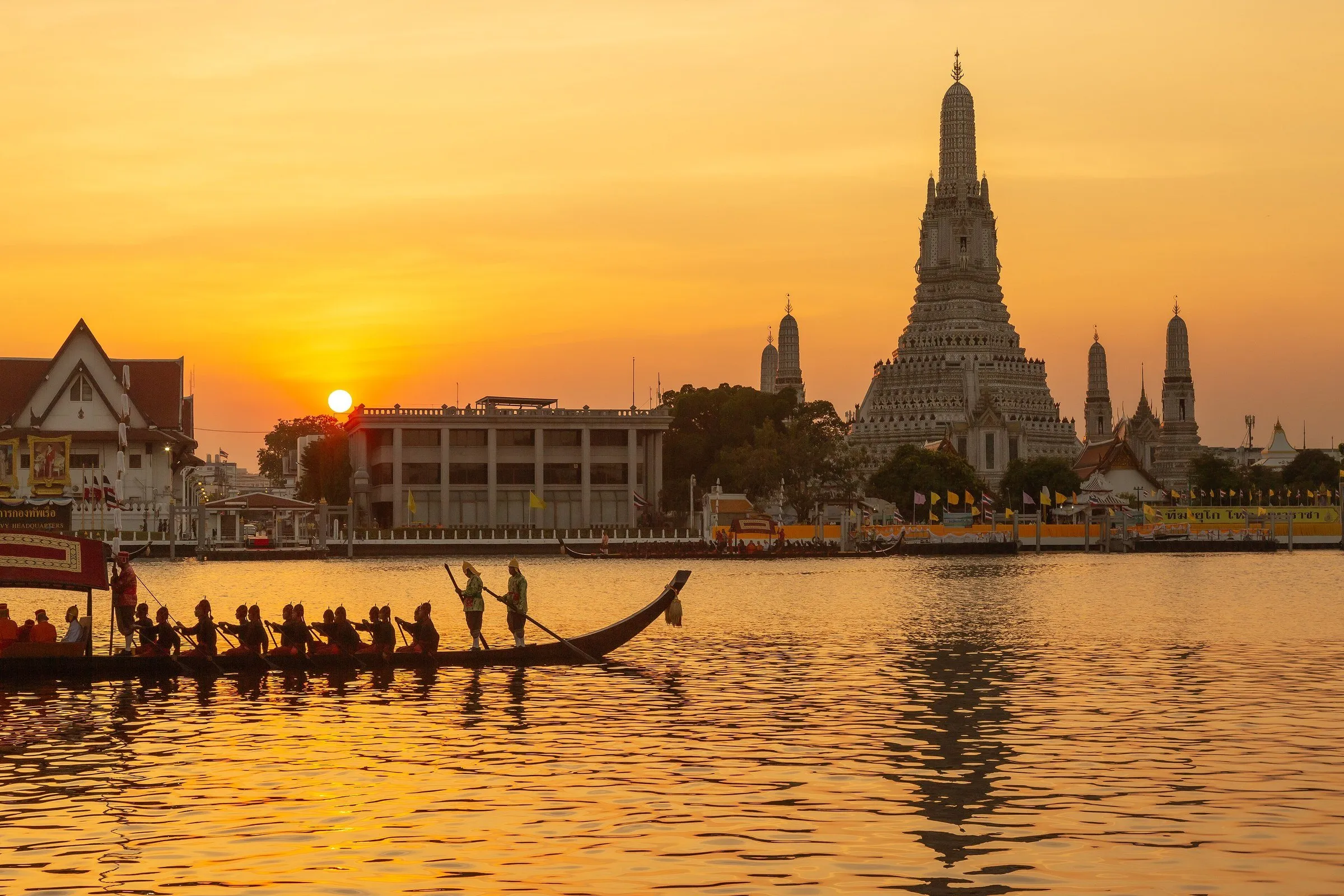
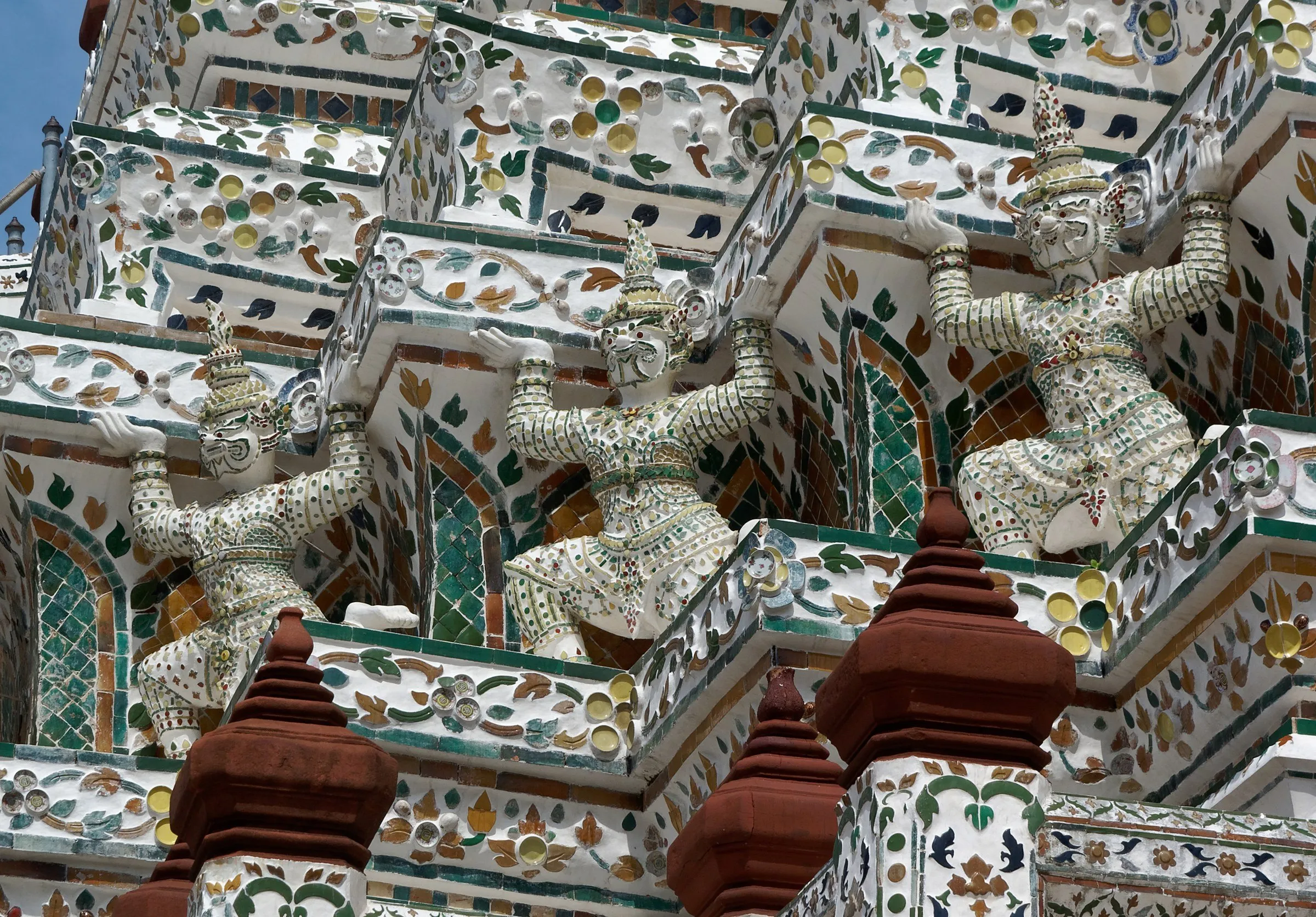
At Tha Tien Pier, the little ferry crosses the Chao Phraya in about two minutes. On the other side, the tower of Wat Arun glitters with pieces of Chinese porcelain that arrived as ship ballast.
The Emerald Buddha is not made of emerald: the statue, about 66 centimeters tall, is carved from a green stone described as jade or jasper. Three times a year, the king, or a senior member of the royal family, changes its golden robes in a ceremony that marks the change of season.
The Golden Buddha of Wat Traimit spent centuries disguised as a plaster statue. In 1955, the ropes snapped during a move, the statue fell, the plaster chipped, and about 5.5 tons of solid gold appeared.
The date regarded as the founding of Bangkok as a capital is April 21, 1782, the day King Rama I ordered the City Pillar to be raised.
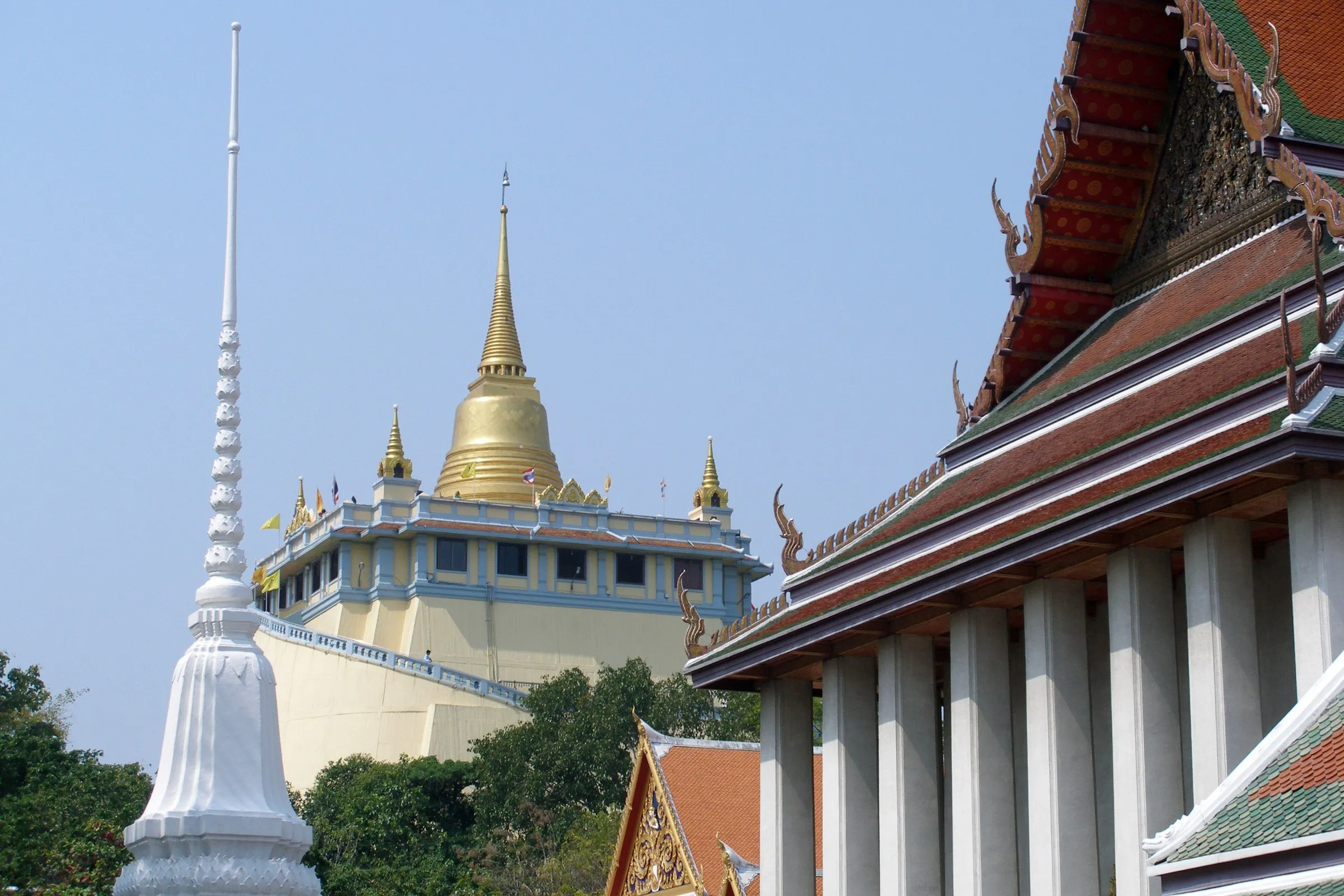
The Golden Mount is not a natural hill: it is what remained of a giant chedi commissioned by Rama III that collapsed into the soft ground. The ruin was overtaken by vegetation, became a hill, and only later received the golden chedi at the top.
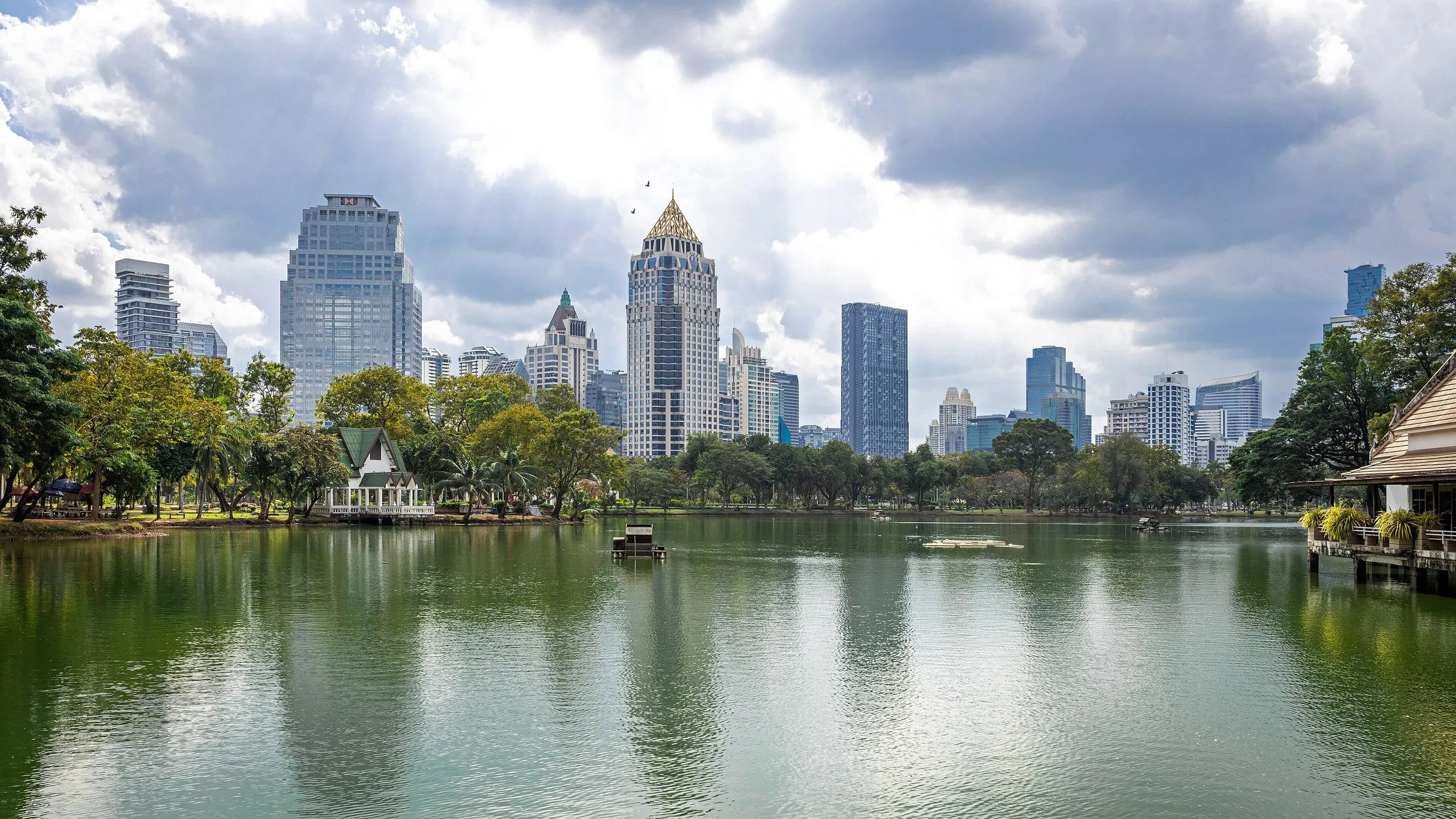
About 400 water monitors live in Lumphini Park, crossing the lawn and swimming in the lake among joggers and paddle boats. In 2016, some of them were relocated to control the population.
1Built from 1782 as the home of the kings, the complex brings together halls with tiered roofs and Wat Phra Kaew, the royal chapel that houses the Emerald Buddha.
View details for Grand Palace and Wat Phra Kaew
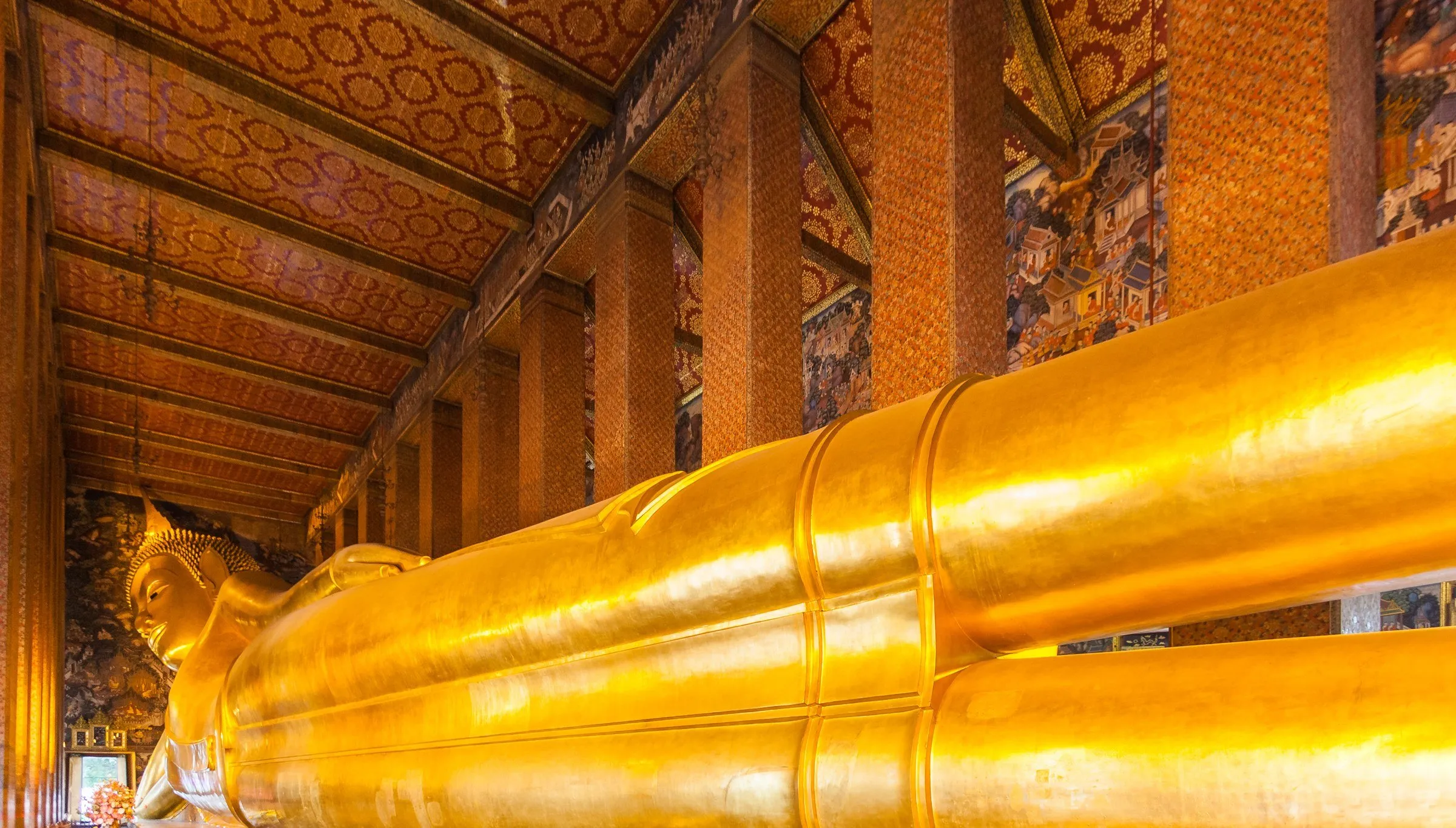
2The temple of the Reclining Buddha, a 46-meter golden statue lying on its side, with 108 mother-of-pearl panels on the soles of its feet and a Thai massage school on the grounds.
View details for Wat Pho
3The Temple of Dawn, on the Thonburi bank, has a central tower covered in Chinese porcelain fragments and sits one boat crossing away from Wat Pho.
View details for Wat Arun
4An artificial hill born from a building project that collapsed, with more than 300 steps up to a golden chedi and a 360-degree view over the old city.
View details for Wat Saket and the Golden Mount
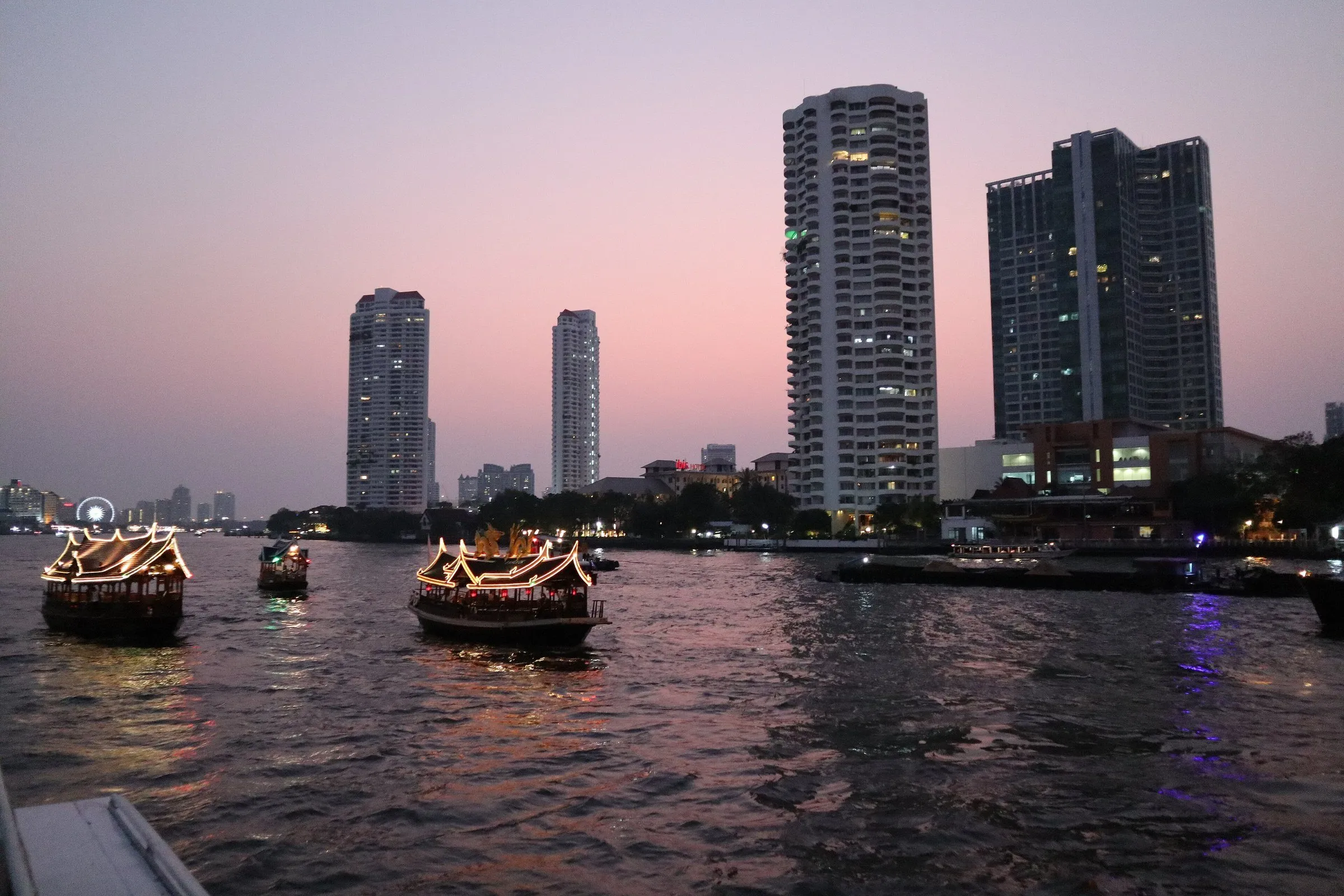
5The river that cuts through Bangkok works like an avenue: the express boat stops at dozens of piers, and the crossing to Wat Arun takes just a few minutes.
View details for Chao Phraya River
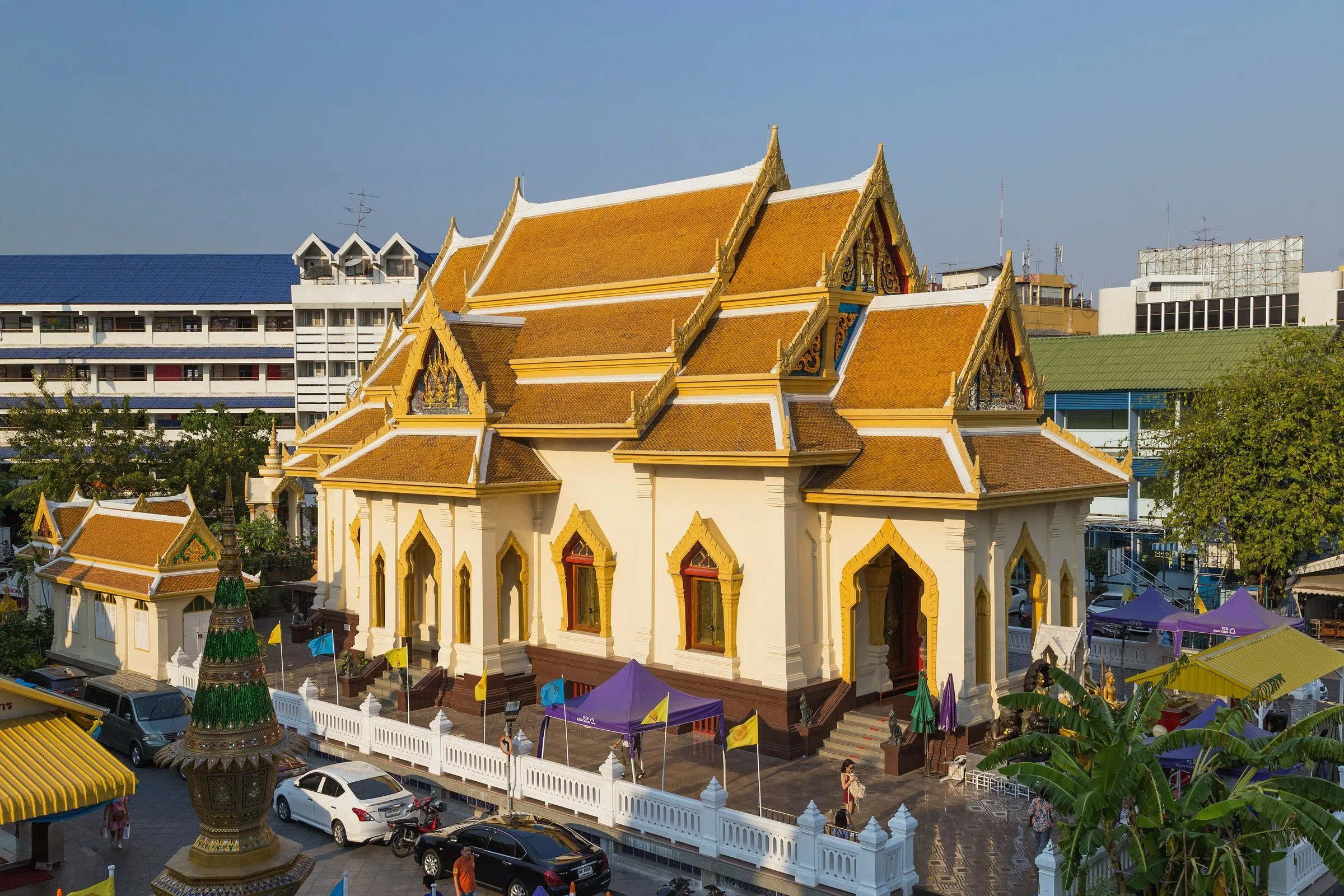
6In Chinatown, the temple houses a Buddha about 3 meters tall made of 5.5 tons of solid gold that spent centuries hidden under a layer of plaster.
View details for Wat Traimit and the Golden Buddha
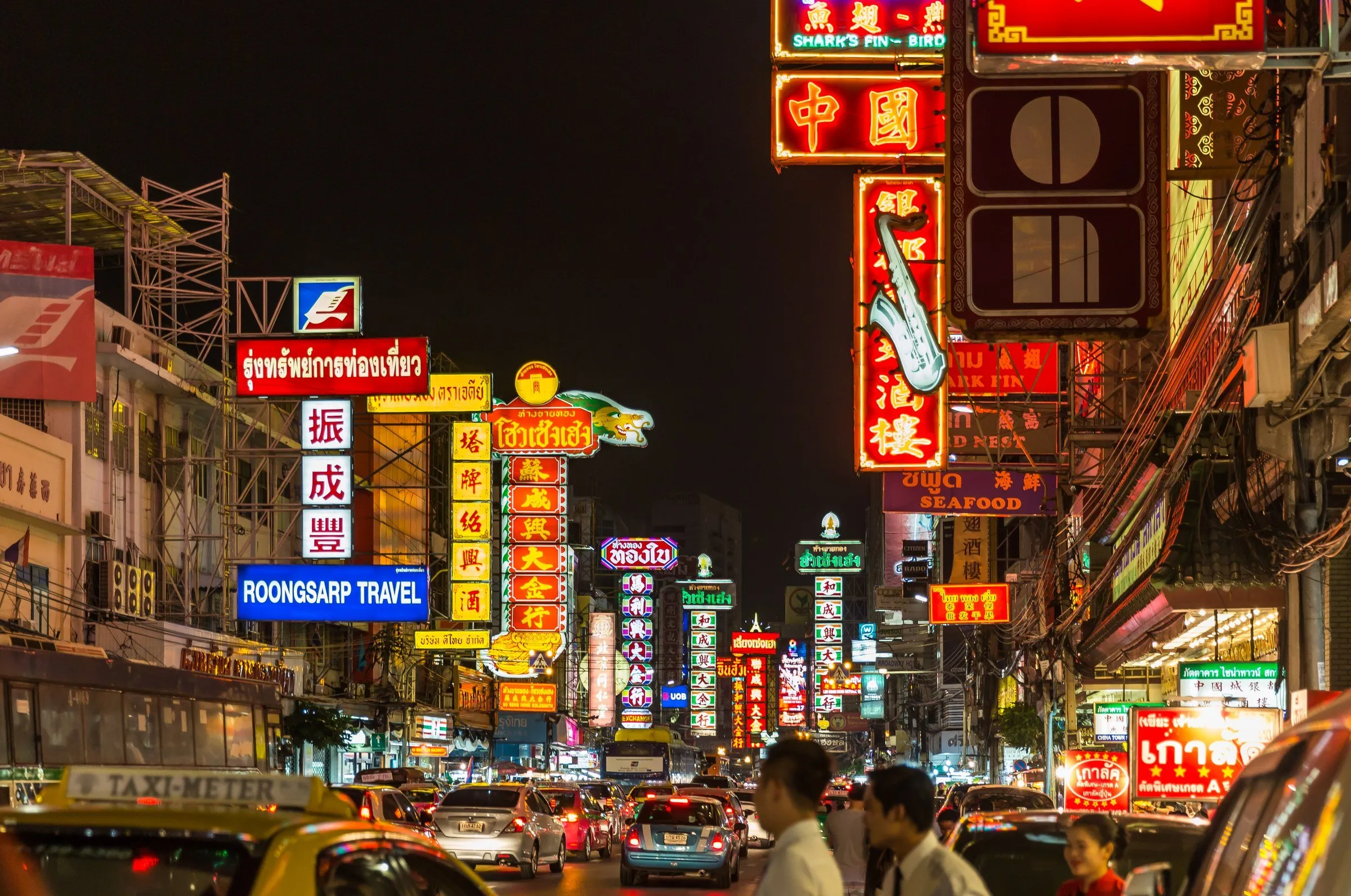
7The main street of Bangkok's Chinatown has about 1.5 kilometers of gold shops by day and becomes a long sidewalk food court as soon as night falls.
View details for Yaowarat (Chinatown)
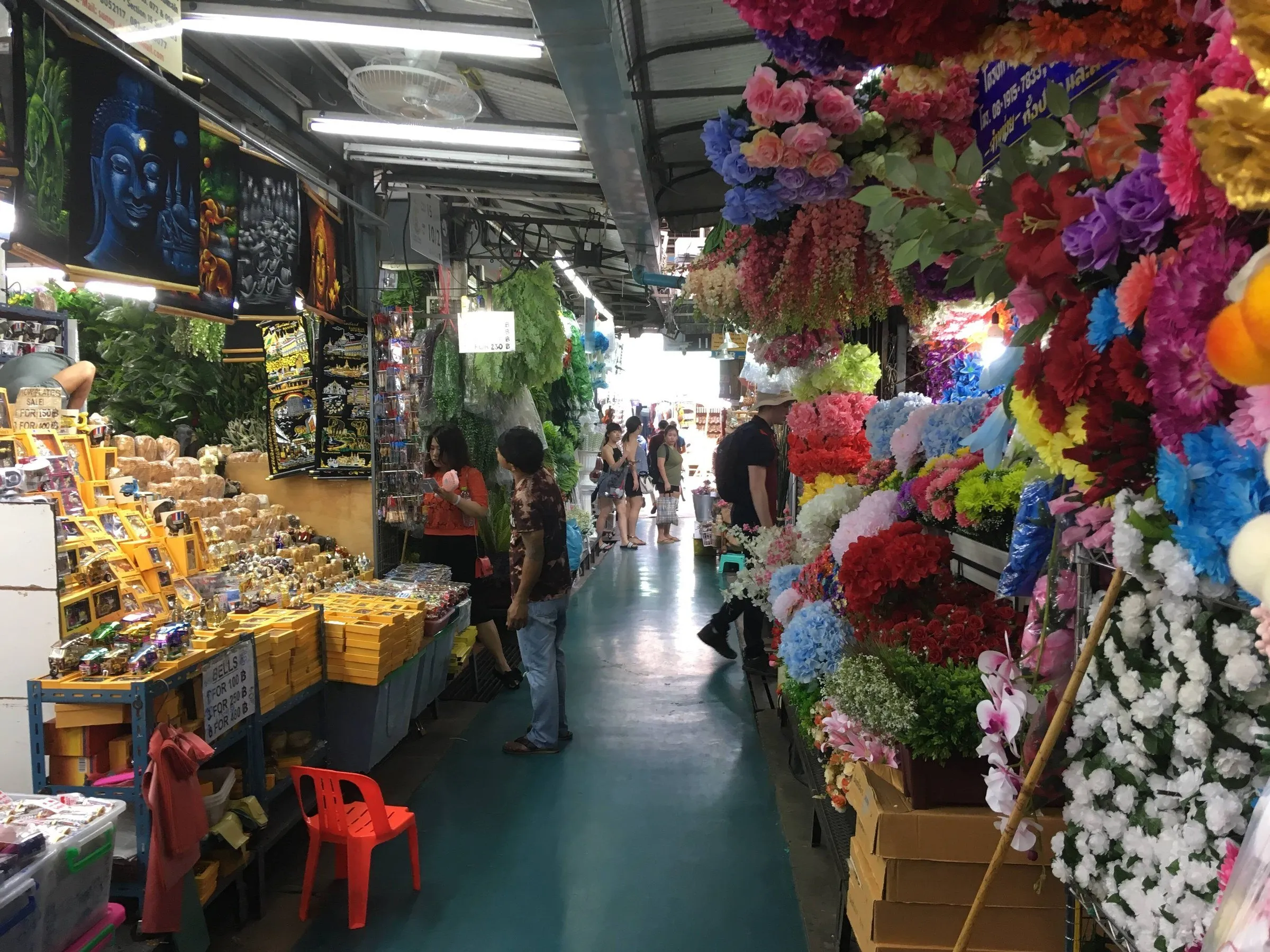
8More than 15,000 stalls divided into numbered sections, open on weekends: clothes, plants, home decor, food and aisles that seem never to end.
View details for Chatuchak Market
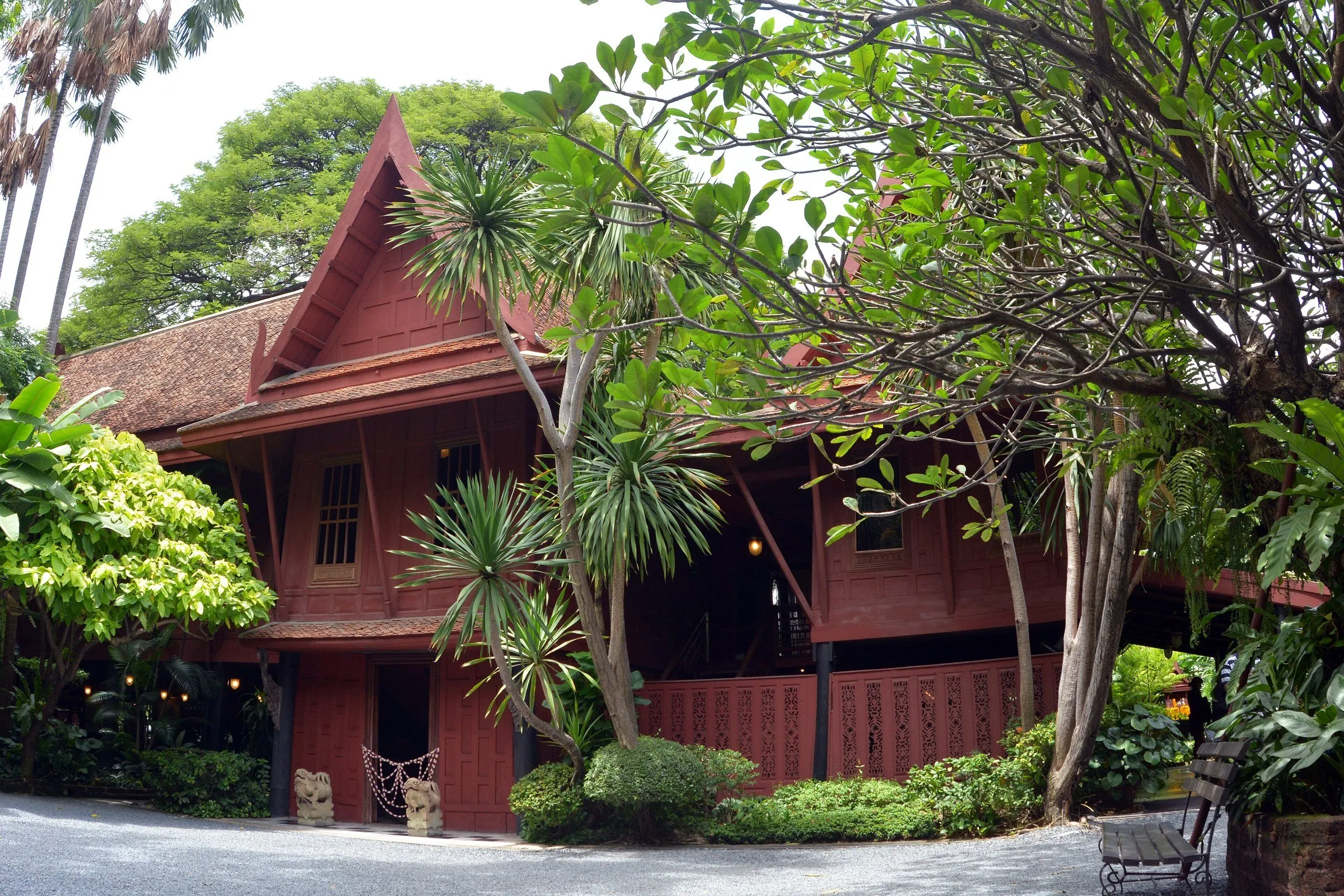
9Traditional wooden houses beside a canal, assembled by the American who founded the Thai Silk Company and disappeared in Malaysia in 1967.
View details for Jim Thompson House
10About 57 hectares of lawn, lake and running paths among the buildings, with swan-shaped paddle boats and hundreds of monitor lizards basking in the sun.
View details for Lumphini Park
1Construction began in May 1782, under Rama I, and for almost a century and a half the court and the government worked inside these walls, until the move to other residences in 1925. The walled grounds cover about 218,000 square meters, and you can spend the whole morning just looking at roofs: overlapping layers, tips that rise like flames, gold and colored glass throwing the sun back.
The heart of the visit is Wat Phra Kaew, called a chapel rather than a temple because no monks live there. High on the altar, the Emerald Buddha is only about 66 centimeters tall, and the silence around it says a lot about its importance. The palace still hosts official ceremonies, so opening hours may change on royal family dates.
2It fills the hall from end to end: 46 meters long and 15 high, with a brick core, modeled plaster and gold leaf on top. There is no angle that fits it all in one photo. Walk to the feet, whose soles are divided into 108 mother-of-pearl panels with auspicious symbols, and listen for the clinking along the wall: it is coins dropping into 108 bronze bowls, an offering that helps maintain the temple.
Just south of the Grand Palace, Wat Pho holds more than a thousand Buddha images and is considered the country's first public university, because it taught religion, science and literature through murals and inscriptions, now listed in UNESCO's Memory of the World program. The traditional massage school operates on the grounds.
3The name comes from Aruna, a Hindu deity linked to the first rays of the sun, but the most famous photo of Wat Arun is the one at sunset, taken from the opposite bank. Up close, the surprise changes scale: the central tower, the prang, completed in 1851, is covered in flowers and mandalas made from pieces of Chinese porcelain, many of which arrived as ballast in merchant ships.
Before moving on to the Grand Palace in 1785, the Emerald Buddha was kept here. You can climb part of the outer staircase, which is narrow and very steep: hold the handrail, go down slowly and leave the hurry for the boat.
4Rama III wanted to build an enormous chedi here, but the soft ground could not bear it and the structure collapsed. The ruin was left abandoned, was covered by vegetation and became a hill. Rama IV started a smaller chedi on top, finished early in the reign of Rama V and covered in gold, and a Buddha relic brought from Sri Lanka was placed inside.
There are more than 300 steps in a spiral, with rest stops along the way. From the top, to the west, you can see the roofs of Wat Phra Kaew; to the east, the towers of the financial district. In November, a candlelit procession climbs the hill and the chedi is wrapped in a long red cloth, on which worshippers write their names.
5Before roads, Bangkok got around by water, and the Chao Phraya still plays that role. The express boat has 34 stops and carried, on average, nearly 20,000 passengers a day in 2023, a mix of commuters and tourists trading the stalled taxi for the river breeze. From the water, the temples appear one after another along the bank.
For the historic center, the key pier is Tha Tien, a few minutes' walk from the Sanam Chai metro station. From there the little ferry leaves for Wat Arun, crossing in about two minutes, and the orange-flag boats link Sathorn Pier to the same stretch of the river.
6For a long time, this statue passed for an ordinary plaster image. On May 25, 1955, during a move, the ropes snapped, it fell and the plaster chipped: underneath was gold, and plenty of it. It weighs about 5.5 tons and stands 3 meters tall, and Guinness recognizes it as the largest solid gold sculpture in the world.
The most commonly cited explanation is that the coating was meant to protect it from theft, probably before the destruction of Ayutthaya in 1767. Today it sits at the top of its own building, the Phra Maha Mondop, which also houses a Chinatown history center, a good way to understand the neighborhood before heading out to eat your way through it.
7The Chinese community settled in this area after giving up its earlier site to make way for the Grand Palace and Wat Phra Kaew. The avenue was opened between 1892 and 1900, by order of Rama V, and the name means something like “young king,” a tribute to the first crown prince of the reign.
By day, what stands out are the gold shops, one right next to the other, with windows that shine even under the awning. At night, the sidewalks turn into kitchens: carts, plastic tables, smoke from griddles and lines in front of the most popular stalls. The street is one-way, so cars travel in one direction and pedestrians in all of them.
8Chatuchak has operated since 1942, moved around from Sanam Luang before settling at its current address, and today receives, according to estimates, more than 200,000 people per weekend. There are more than 15,000 stalls organized in numbered sections, and the map helps a lot in the first few aisles; after an hour, they all start to look the same.
The strategy is to arrive early, before the peak in late morning and early afternoon, when heat and crowds close in together. Bargaining is part of the game, always with good humor. The Mo Chit BTS station and the Chatuchak Park and Kamphaeng Phet metro stations drop you at the edges of the market.
9Jim Thompson moved to Bangkok, founded the Thai Silk Company in 1948 and became a major collector of Southeast Asian art. In 1959, he built his home by combining traditional wooden structures, most of them from the 19th century and brought from Ayutthaya. The largest, which became the living room, was the house of a weaver from Bangkrua, a neighborhood across the Saen Saep canal where the company's weavers worked.
After Thompson disappeared in Malaysia in 1967, the house passed to a foundation under royal patronage, and the guided tour goes through rooms with Buddhist sculptures, Thai paintings and Chinese porcelain, a block from the National Stadium.
10King Rama VI donated the land in 1925, and the name honors Lumbini, in Nepal, where the Buddha was born. A statue of the king, from 1942, marks the creation of the park. The roughly 2.5 kilometers of paths receive those who run early, before the heat takes over the day.
The most famous residents have tails: the park is home to about 400 water monitors, large lizards that cross the grass and swim in the lake without asking permission. The deal is simple: look, take photos and keep your distance. To get there, use the Lumphini or Si Lom metro stations, or Sala Daeng on the BTS.
The BTS and the metro run over and under the traffic jams, and the Airport Rail Link, opened in 2010, connects downtown to Suvarnabhumi Airport. For the old city, the boat on the Chao Phraya is usually faster than a car.
Cover shoulders and knees, take your shoes off before entering worship halls, and put away hats and sunglasses. Step over the raised threshold rather than on it, and, when seated, point your feet away from Buddha images. Do not touch the images or climb on them.
Women should not touch monks or their robes. To hand something to a monk, place the object where he can pick it up or ask a man to pass it along.
Article 112 of the Criminal Code provides for 3 to 15 years in prison, per charge, for anyone who defames, insults or threatens the king, the queen, the heir or the regent, and the law has been applied to foreigners. Treat images and mentions of the royal family seriously, including on social media, and stand if the royal anthem plays.
Pointing with the index finger is considered rude. The polite gesture is to extend your hand with the palm up and the fingers together.
The annual average is above 28 °C, and the rainy season runs from mid-May to October. Plan temples and markets for early morning and late afternoon, and use midday for museums, boats and meals in the shade.
In Bangkok, the most important kitchen in the city has no walls: estimates put the number of street vendors at more than 100,000, and many people in the city eat their daily meals at these stalls. Yaowarat at night is the best place to start, but it is worth exploring beyond it. Boat noodles, for example, were born on the canals, and today the area around Victory Monument is the best known for trying them. Order without ceremony, point with an open hand and accept the chili at your own risk.
Stir-fried rice noodles with egg, tofu, tamarind, fish sauce and dried shrimp, served with peanuts, bean sprouts and lime so everyone can adjust their own plate.
A dark, intense noodle soup with beef, dark soy sauce and a broth thickened with blood. It comes in small bowls, a legacy of the days when the vendor paddled, cooked and served from the boat itself.
We use cookies and similar technologies, such as Google Analytics, in accordance with our Privacy Policy and, by continuing to browse, you agree to these terms. You can decline at any time in the policy.