 1
Temples
Xingtian Temple
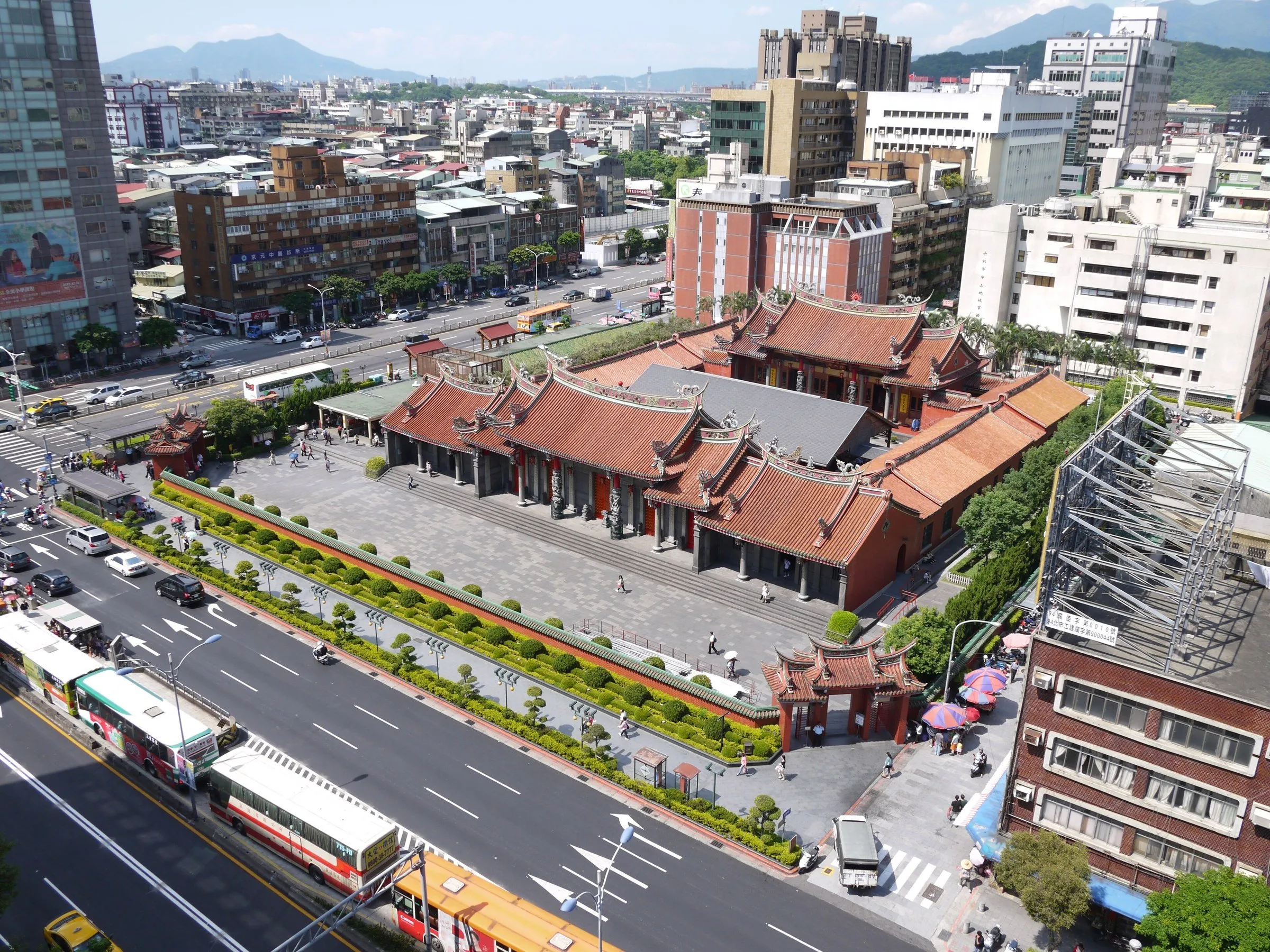
A 1967 temple dedicated to Guan Yu, patron of merchants, which in 2014 became the first in Taiwan to abolish burning incense.
View details for Xingtian Temple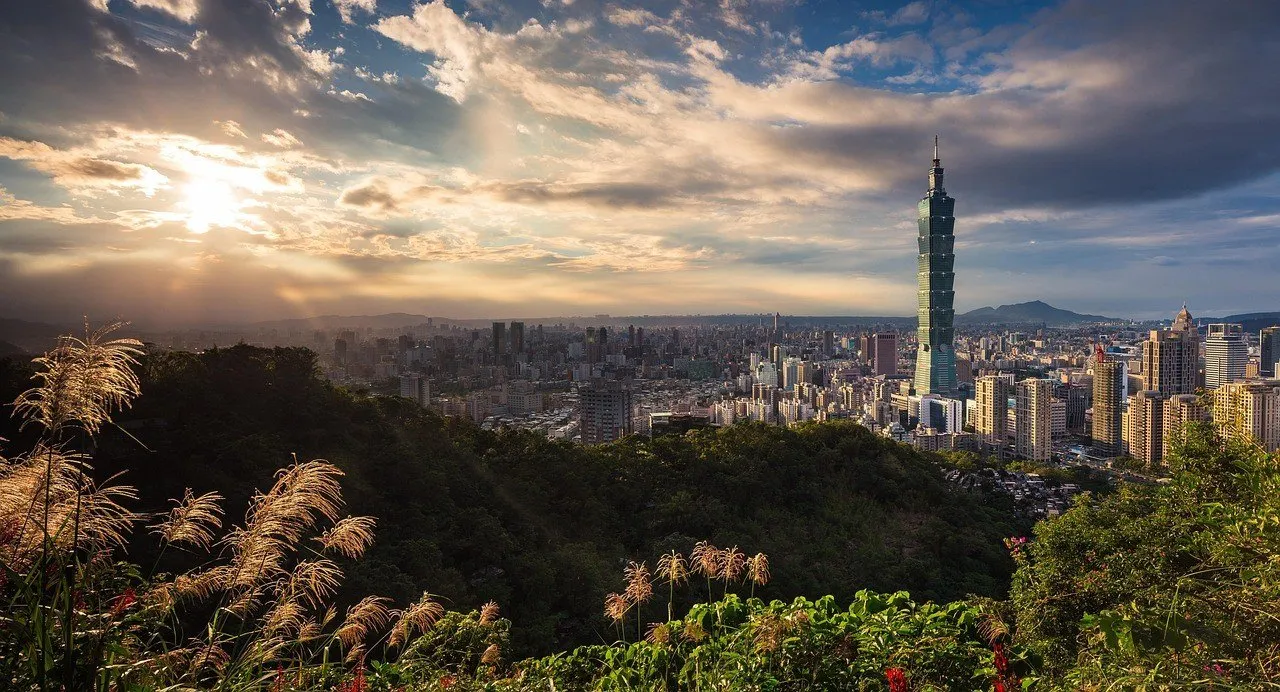
In Taipei, you reach the metro gate with a cup of tea in hand and remember the rule just in time: inside, not a sip. Outside, the whole city seems to be eating.
Taipei sits in a basin ringed by hills, and that changes how you travel: you can spend the morning in an 18th-century temple, have lunch at a neighborhood counter and, by late afternoon, tackle a trail that starts a few minutes from a metro station. From up there, Taipei 101 appears dead ahead, and to the north the hills of Yangmingshan give off sulfur steam, as if the city always had a kettle on the stove.
The most practical way to split it up is by direction. The west holds the old neighborhoods of Wanhua and Datong, with the Longshan and Bao'an temples and the traditional shops of Dihua Street. The east has Taipei 101 and Elephant Mountain. To the north, in Shilin and Beitou, you'll find the National Palace Museum, the hot springs and the national park. The metro connects almost everything, and a contactless card, the EasyCard, takes care of public transit without anyone counting coins.
Plan with one eye on the sky. Typhoon season runs from June to October, and the rainiest months are June to September, peaking in August and September. Summer is long, hot and humid; winter is short, mild and often misty, which turns the view from 101 into a small gamble. At night the routine repeats and nobody complains: pick a night market and eat dinner standing up.
The name Taipei comes from the romanization of a phrase meaning "north of Taiwan."
Songshan Airport sits inside the city and was Taipei's only international airport until 1979; today it mostly handles domestic flights.
The Taipei 101 New Year's Eve fireworks debuted on the night the tower opened, in 2004, and are now part of the countdown broadcasts; many people watch from the area around City Hall.
Taipei 101's tuned mass damper, a 660-tonne steel pendulum hanging near the top, can reduce the building's sway by up to 40%.
1A 1967 temple dedicated to Guan Yu, patron of merchants, which in 2014 became the first in Taiwan to abolish burning incense.
View details for Xingtian Temple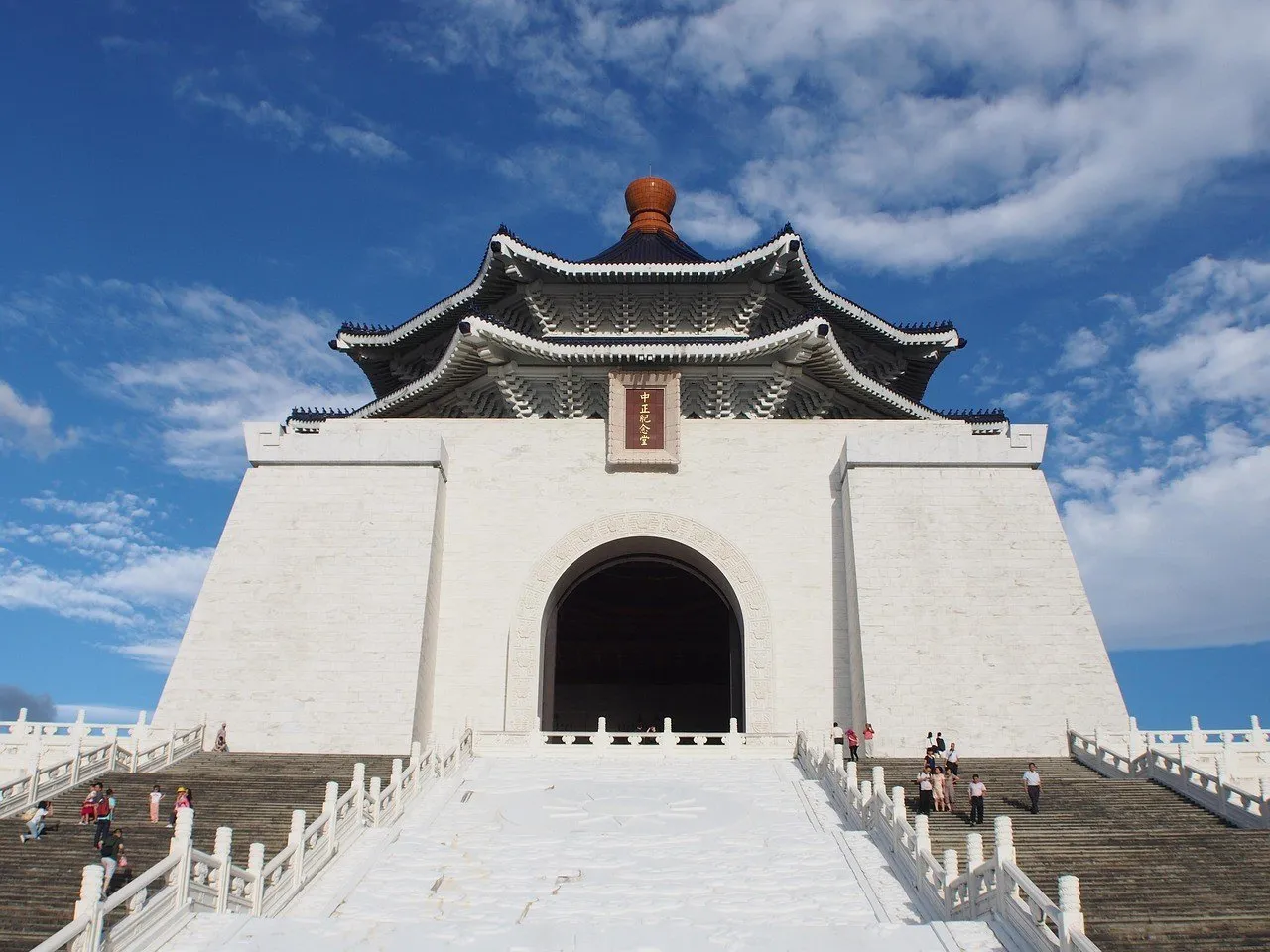 2
A white hall with a blue roof opened in 1980, with staircases of 89 steps and a vast plaza that has been called Liberty Square since 2007.
View details for Chiang Kai-shek Memorial Hall and Liberty Square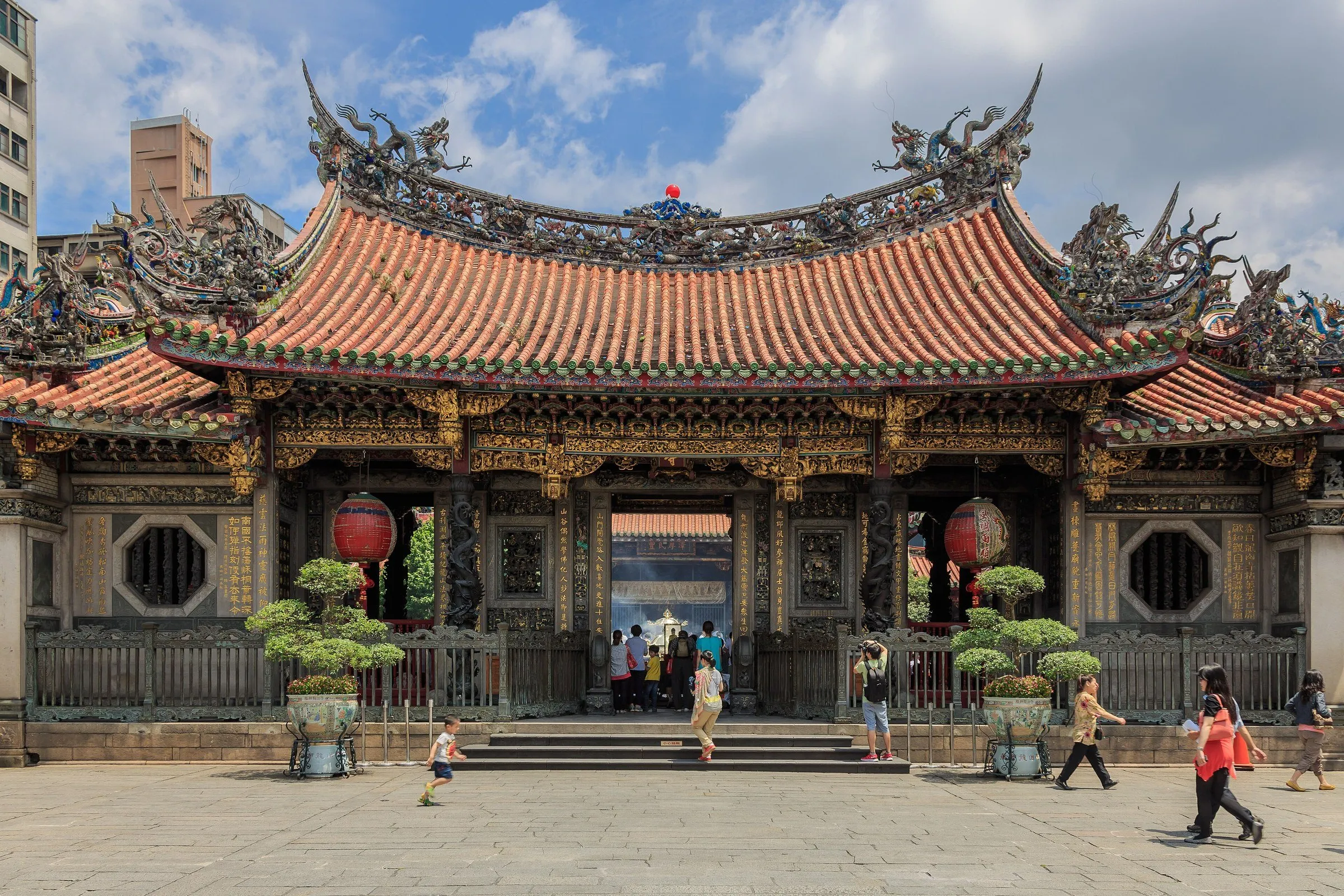 3
Founded in 1738 by immigrants from Fujian and rebuilt several times, it brings together altars to Guanyin, Mazu, Guan Yu and the matchmaker Yue Lao in Wanhua.
View details for Longshan Temple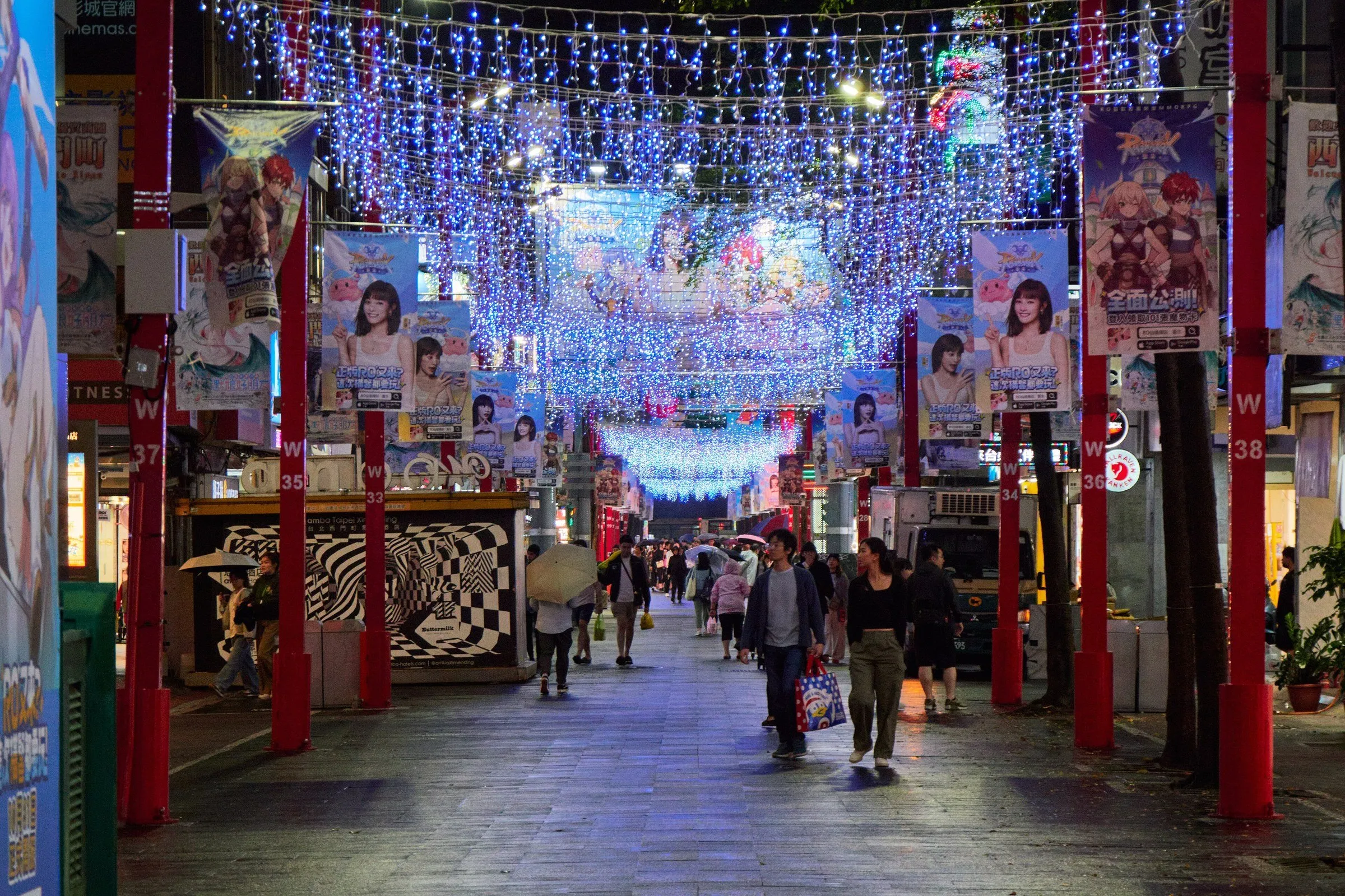 4
A shopping and entertainment district since the 1930s, Ximending is the place to burn off the energy left over after a whole morning of temples and history.
View details for Ximending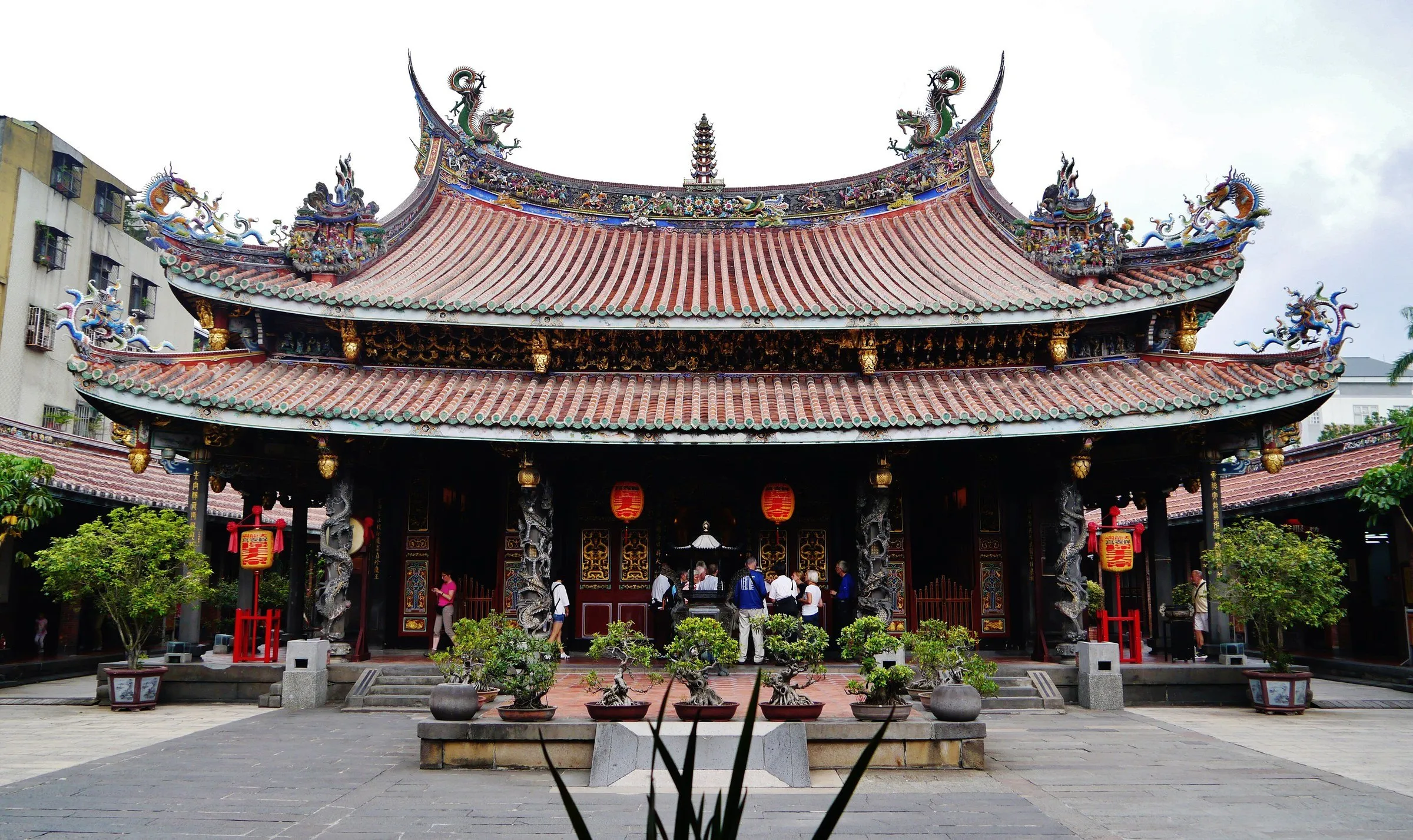 5
A temple built from 1804 on the site of a wooden shrine, honored by UNESCO in 2003 for its conservation and right next door to the Confucius Temple.
View details for Dalongdong Bao'an Temple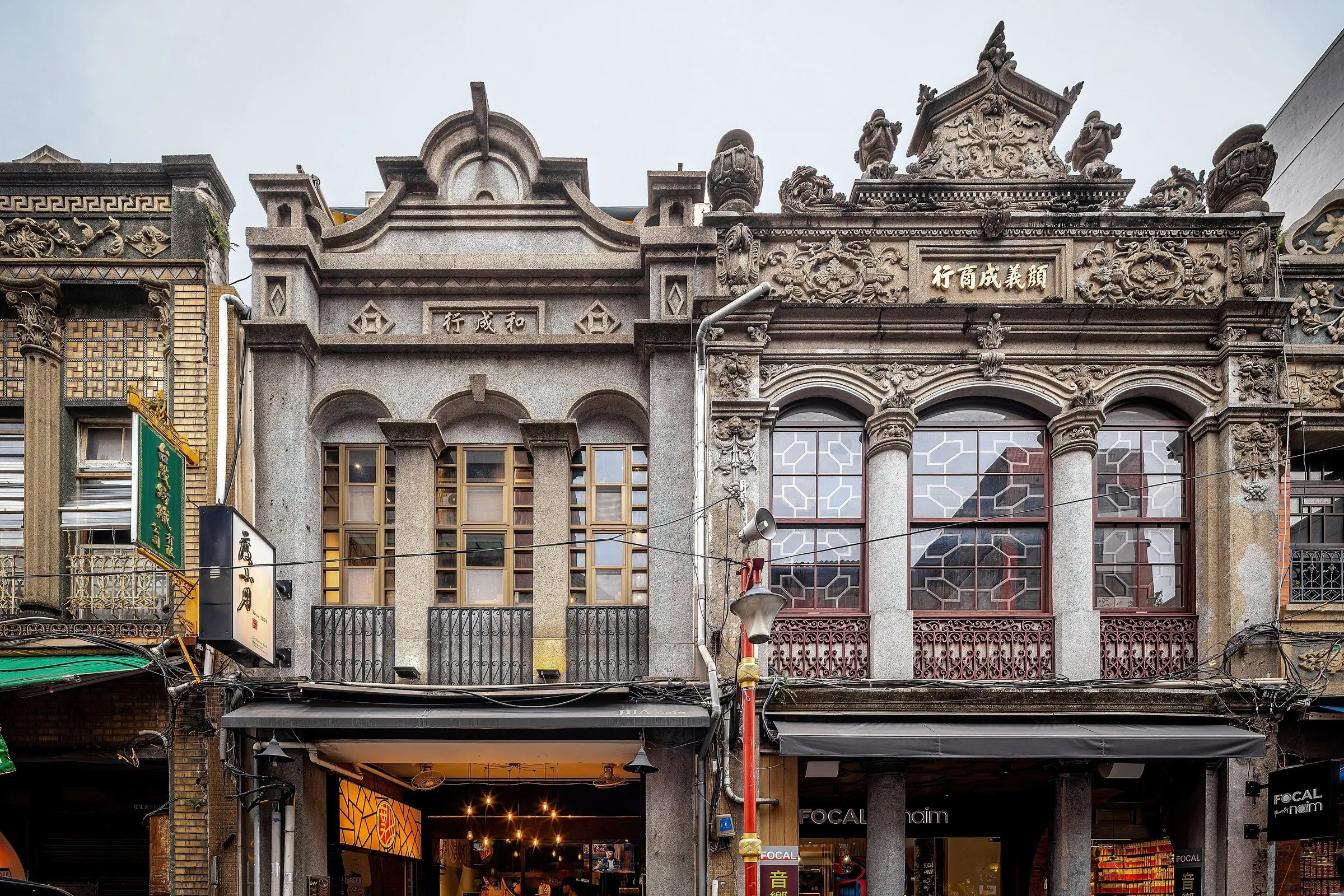 6
A street opened in the 1850s that became a hub for medicinal herbs, textiles and tea, and that turns into a big festive market before Lunar New Year.
View details for Dihua Street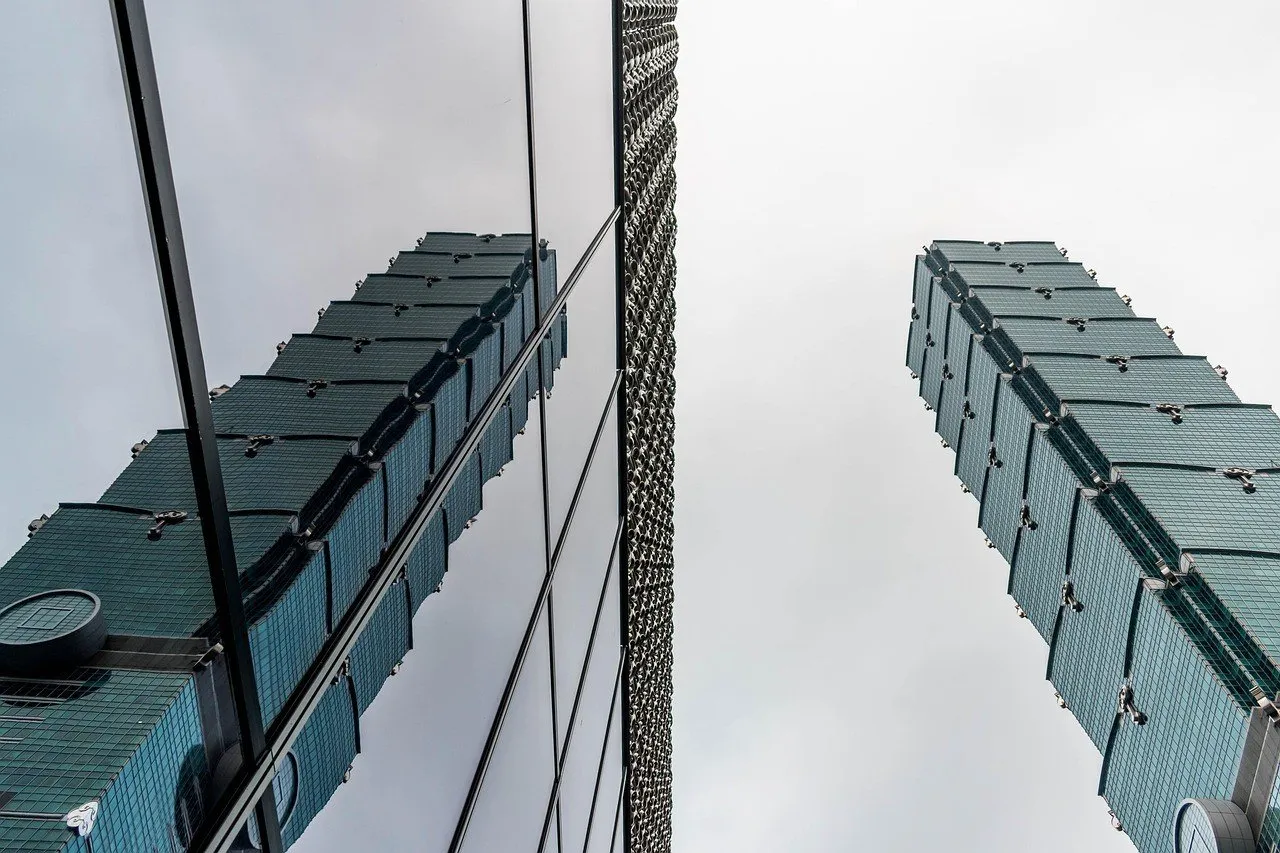 7
A 508-meter tower opened in late 2004, it was the world's tallest until the Burj Khalifa and has indoor and outdoor observation decks near the top.
View details for Taipei 101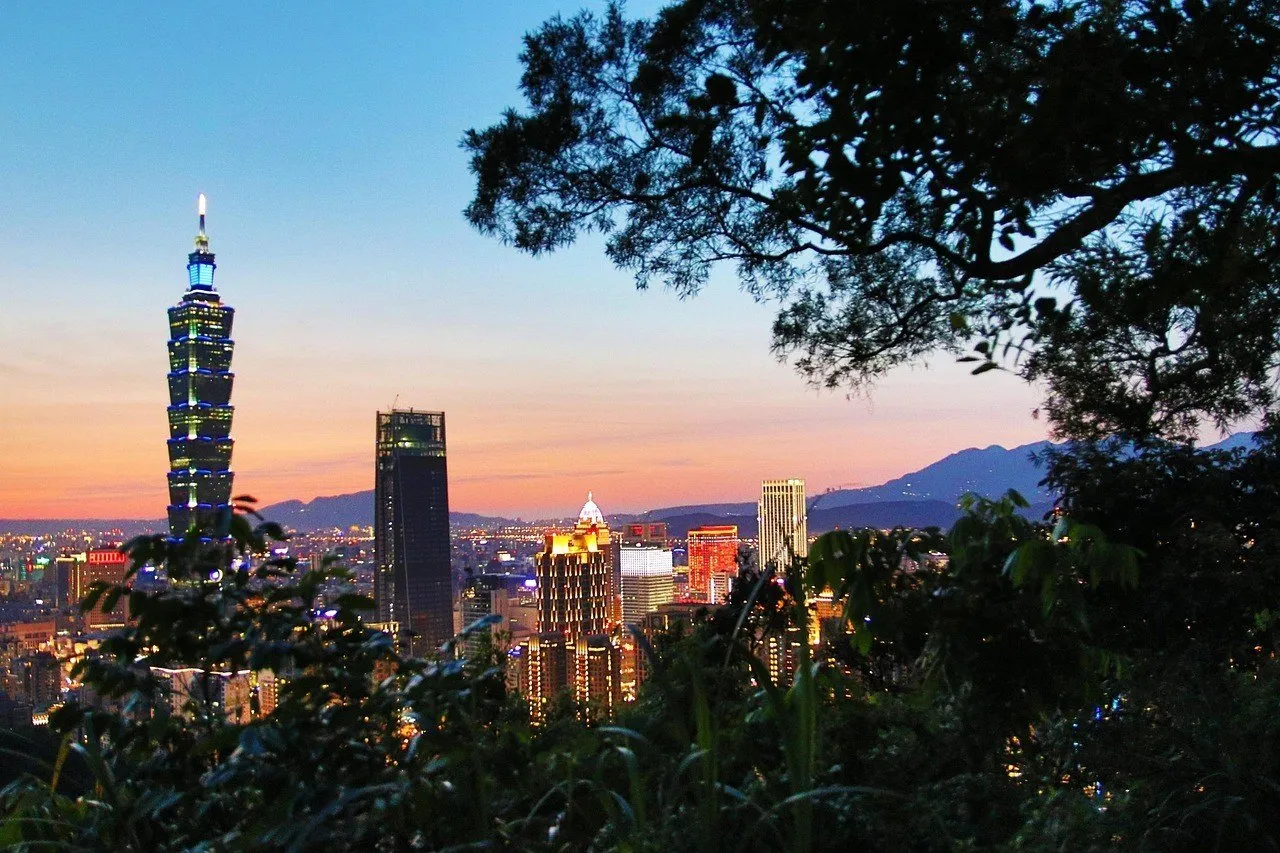 8
A 183-meter hill with a trail that starts a few minutes from Xiangshan metro station and ends at viewpoints facing Taipei 101 head-on.
View details for Elephant Mountain (Xiangshan)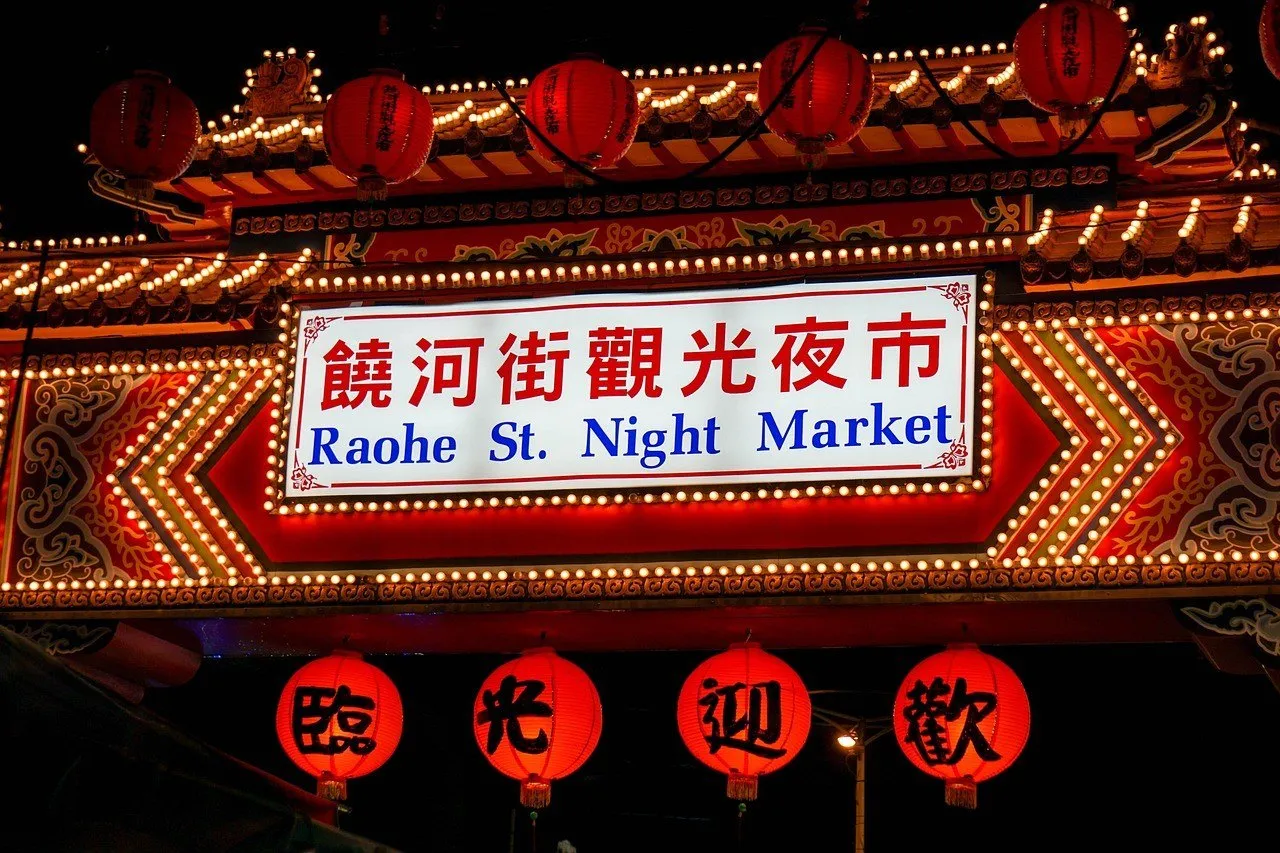 9
A corridor of about 600 meters in Songshan, known for pork rib soup with Chinese herbs and a great way to end the day after Elephant Mountain.
View details for Raohe Night Market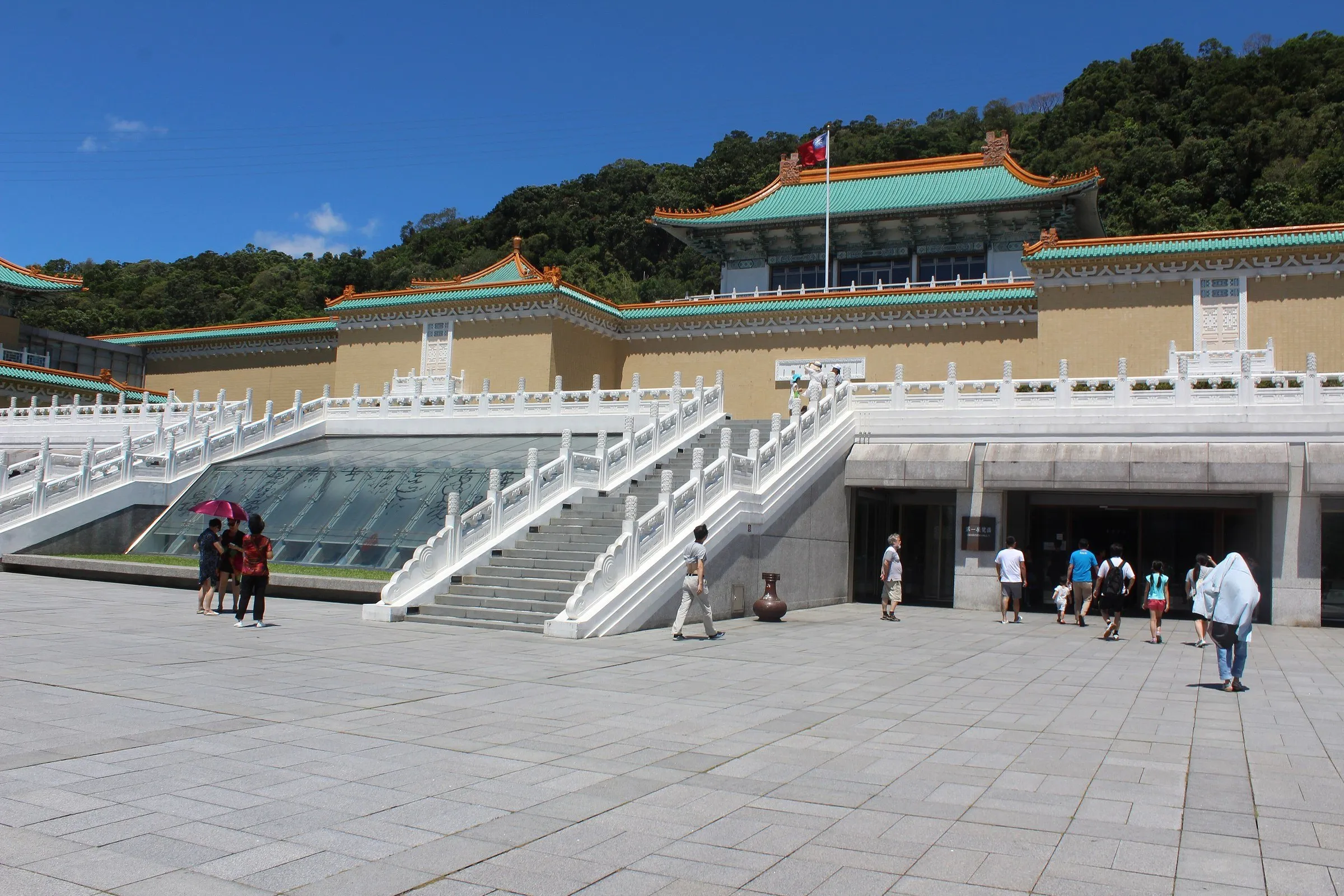 10
Opened in Shilin in 1965, it holds nearly 700,000 pieces of ancient Chinese art, with unlikely stars such as a jade cabbage and a stone that looks like meat.
View details for National Palace Museum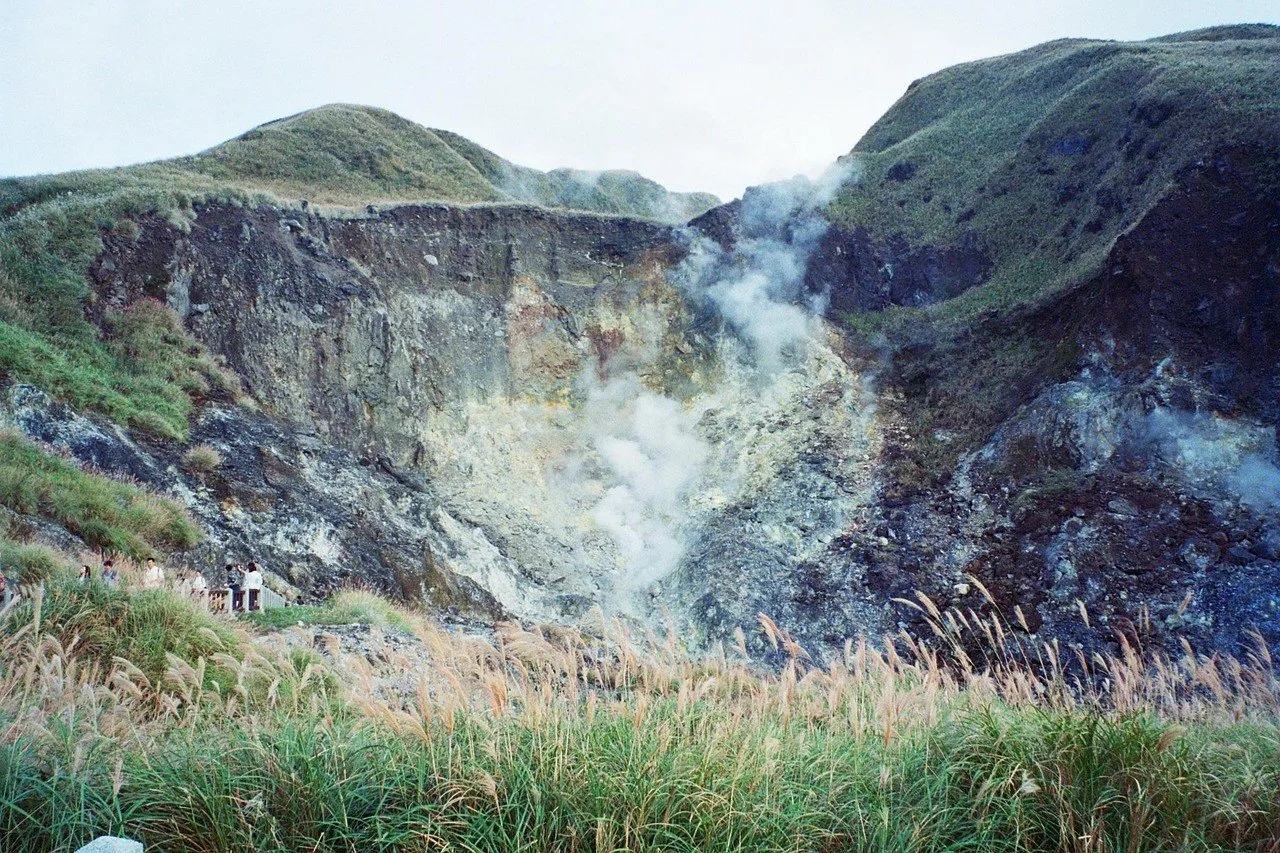 11
A national park created in 1985 in the hills north of Taipei, with sulfur fumaroles, cherry blossoms and Qixing, a 1,120-meter dormant volcano.
View details for Yangmingshan National Park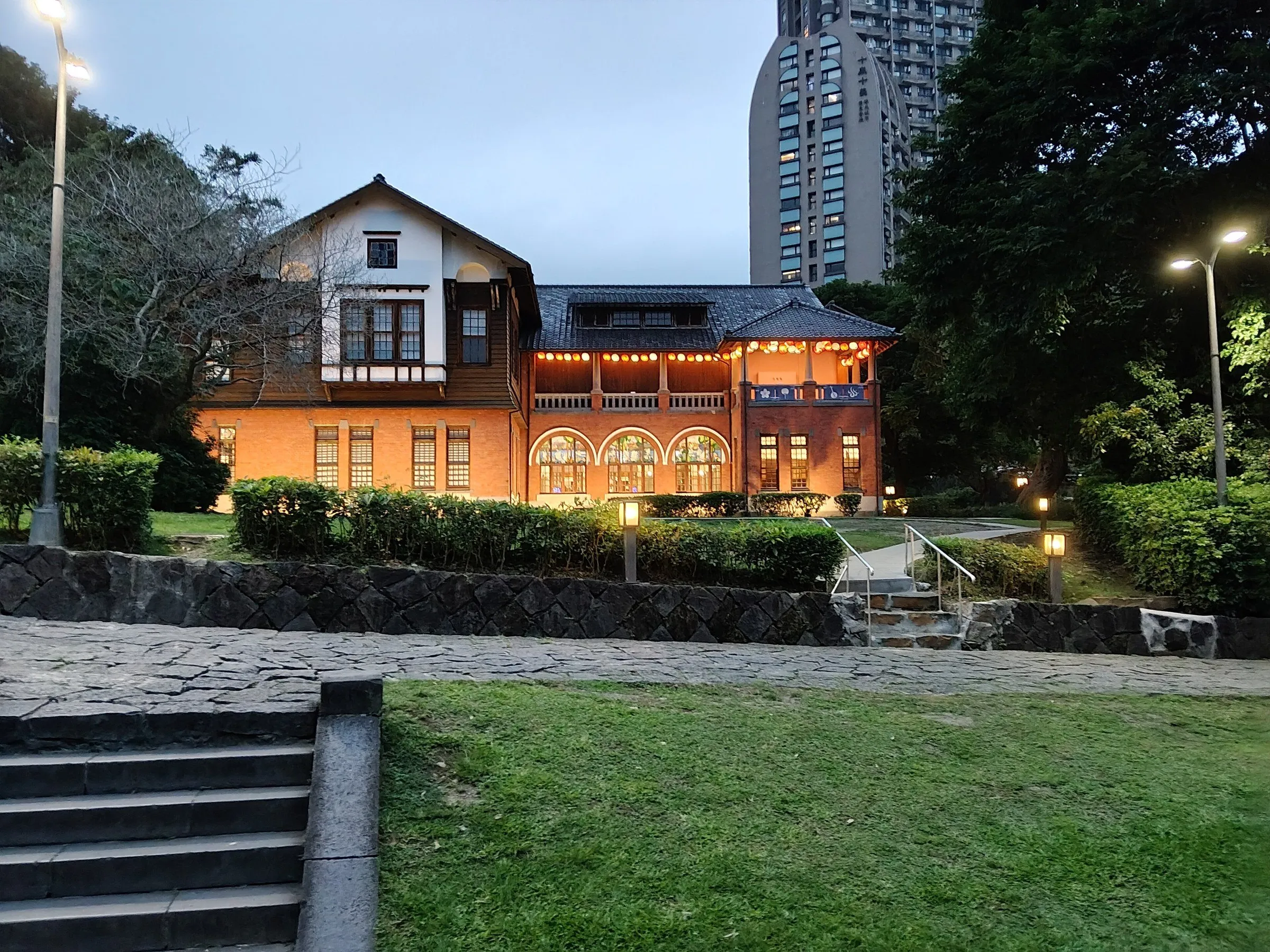 12
A hot springs district in the north of the city, where a public bathhouse from 1913, then the largest in East Asia, became a museum in 1998.
View details for Beitou and the Hot Springs Museum1At Xingtian, the main altar belongs to Guan Yu, a historical figure revered as the patron of merchants, soldiers and police officers. Founded in 1967, it is a young temple by the city's standards, set on a corner of Zhongshan and so much a part of neighborhood life that it lends its name to the nearby metro station.
What you notice first is what's missing: smoke. In 2014, Xingtian became the first temple in Taiwan to abolish burning incense, to reduce air pollution. Without the haze, the details come into sharp focus and the prayers stay the same, just with much lighter air.
2The memorial was built after Chiang Kai-shek's death in 1975 and opened in 1980. The white hall is 76 meters tall with an octagonal blue roof, and each of the two white staircases has 89 steps, a number that echoes his age at death. On the sides of the plaza stand the National Theater and the National Concert Hall.
The plaza was renamed Liberty Square in 2007 and has hosted large gatherings, such as the 1990 student demonstrations, which helped push political reforms. The site now holds exhibitions on the martial law period and Taiwan's democratization. Since 2024, the honor guard drills have taken place outside, on the avenue in front of the main hall.
3At Longshan, listen for a dry sound of wood hitting the floor. Those are jiaobei, pairs of blocks that worshippers toss up to three times after praying, to ask for an answer or a confirmation. Founded in 1738 by immigrants from Fujian, the temple has survived earthquakes, fires and a bombing in 1945, and was rebuilt after every loss.
Prayers begin before Guanyin, in the central hall, but the house is shared: there are altars to Mazu, Guan Yu, Wenchang and Yue Lao, the god of love, whose red threads are a hit with people looking for a partner. Tradition says to enter through the Dragon Gate, leave through the Tiger Gate and not step on the threshold.
4Ximending has lived on shopping and entertainment since the 1930s, and almost a century later it still takes the job seriously. This is not a neighborhood to visit with a checklist: the fun is wandering aimlessly, stepping into a shop out of curiosity, trying something at a counter and sitting down when your feet ask for it.
It works best as a bridge between the historical part of the day and dinner. After the Chiang Kai-shek Memorial Hall and Longshan Temple, you can spend the late afternoon here and then head to Ningxia Night Market, in Datong, where choosing which line to join becomes the main event of the evening.
5Construction of Bao'an began in 1804, on the site of a wooden shrine from 1742, and the temple is dedicated to Baosheng Dadi, also written Poh Seng Tai Tay. In 2003, the temple's conservation work received a UNESCO Asia-Pacific Heritage Award, so it's worth taking your time with the wood and stone details.
From mid-April to mid-June, the Baosheng Cultural Festival celebrates the deity's birthday, and visitors at that time find the temple in a festive mood. Right beside it is the Taipei Confucius Temple, and the two visits fit into the same morning, no rush.
6Dihua was opened in the 1850s, when merchants from Quanzhou moved here, and over the 19th century it became the address for medicinal herbs, textiles and incense supplies, as well as the processing of Taiwanese tea. That calling hasn't vanished: the surrounding area is still among the busiest commercial districts in Taipei.
The big moment of the year comes in the weeks before Lunar New Year, when the street becomes the place for festive shopping and the sidewalk is contested bag by bag. In the other months the stroll is more relaxed, good for admiring the old facades, the target of preservation efforts, and for browsing the shops without the jostling.
7The design of Taipei 101 recalls a bamboo shoot or a pagoda: eight blocks of eight floors stacked up, because the number 8 is associated with prosperity. The tower is 508 meters tall (1,667 feet), opened on December 31, 2004 and was the world's tallest building until the Burj Khalifa arrived in Dubai.
The elevator goes from the 5th to the 89th floor in about 37 seconds, enough time for your ears to complain. The indoor observatory occupies floors 88 and 89, and there are outdoor areas on the 91st and, since 2019, the 101st. Near the top sits the damper, a 660-tonne steel pendulum that holds back the tower's sway.
8In Taipei, the prettiest photo of Taipei 101 is taken from outside it, from the top of Elephant Mountain. The hill is 183 meters high and is part of the Four Beasts group, alongside Lion, Leopard and Tiger mountains. The trail to the summit is about 1.5 km, and the climb makes you earn every meter.
One of the access routes starts at Exit 2 of Xiangshan station: walk south to Lingyun Temple, next to the start of the trail. At the top are the Six Giant Rocks, from which you can see the Taipei Basin, and observation platforms popular with photographers.
9Raohe is a single corridor, about 600 meters long, which simplifies the strategy: go in at one end, eat your way to the other and, if there's still room, walk back. The house specialty is pork ribs stewed with Chinese herbs, served at many stalls and restaurants and seen as a boost for cold days.
According to the official tourism guide, the market opens in the late afternoon and runs until close to midnight. It's in Songshan, in the east of the city, which makes it the natural stop after Elephant Mountain: the hot soup arrives as a reward for every step.
10The museum's stars are a cabbage and a piece of pork. The Jadeite Cabbage and the Meat-Shaped Stone, a jasper carved to look like braised pork, show the level of detail waiting for you in the galleries.
The collection traces back to the museum founded in 1925 in the Forbidden City in Beijing. In 1948 and 1949, nearly 3,000 crates with the most valuable pieces were shipped to Taiwan, and the Shilin building opened in 1965. Today there are nearly 700,000 items, with about 1% on display at a time, so what's in the cases is always a small sample.
11At Xiaoyoukeng, at the foot of Mount Qixing, the ground gives off steam, there are sulfur crystals on the rocks and hot springs nearby, all the result of volcanic activity that still shapes the landscape. Qixing, at 1,120 meters, is the highest point in Taipei and the tallest dormant volcano in Taiwan.
The area was known as Grass Mountain and, in 1950, got its current name in honor of Wang Yangming, a Ming dynasty thinker. Created in 1985, the park covers about 113 km² and counts cherry blossoms among its big attractions. There are also semi-wild cattle grazing in the open areas, so watch your step.
12Beitou is where Taipei takes its tired shoulders. The district's symbol is the old public bathhouse, opened in 1913 during Japanese rule and modeled on a bathhouse in the Izu region of Japan. At the time, it was the largest bathhouse in East Asia.
After World War II, the building was abandoned. In 1994, teachers and students from a local primary school came across it on a study trip and asked for it to be preserved; in 1997 it became a municipal historic site and, in 1998, reopened as a museum. Xinbeitou metro station is less than 500 meters away.
In the paid areas of the metro, eating, drinking and chewing gum are prohibited, and smoking is banned across the whole system. Finish your tea before the gate. To pay, the EasyCard, a contactless card, works on the city's public transit.
Most international flights land at Taoyuan, about 40 km west of the city. Songshan is inside Taipei and mostly handles domestic and charter flights, plus a few international routes.
Entry rules for Taiwan depend on your nationality, so check the official list of visa-exempt countries and the requirements for your passport well in advance. A passport valid for at least six months and an online arrival card are also on the checklist.
Enter through the Dragon Gate and leave through the Tiger Gate; the central door is usually reserved for the deities. Incense is optional: pressing your palms together is also an accepted form of reverence. Some temples prohibit photos in interior areas, and eating meat inside should be avoided.
Typhoon season runs from June to October, and the rainiest months are June to September. Follow the official weather alerts and keep an indoor plan up your sleeve, such as the National Palace Museum.
The standard voltage is 110 V. Hotels and restaurants usually add a service charge of about 10%. In an emergency, dial 110 for the police and 119 for the fire department and ambulance.
In Taipei, dinner usually happens standing up, among the stalls. Shilin takes over the streets around Dadong and Danan and ranges from steak to thick squid soup; Ningxia, in Datong, was the city's first night market to separate pedestrians from cars and is devoted to traditional Taiwanese snacks; Raohe is the territory of the herbal ribs. At lunchtime, the answer is usually at the neighborhood counter, in a bowl of lu rou fan.
Chopped pork belly, stir-fried with shallots and braised in soy sauce, served over white rice. An icon of Taiwanese home cooking.
Rib soup cooked with Chinese herbs, a Raohe specialty and a classic order for warming up in the cold months.
Oysters and egg on the griddle, one of the classics of the Shilin stalls, to eat hot, right there, standing up.
We use cookies and similar technologies, such as Google Analytics, in accordance with our Privacy Policy and, by continuing to browse, you agree to these terms. You can decline at any time in the policy.