 1
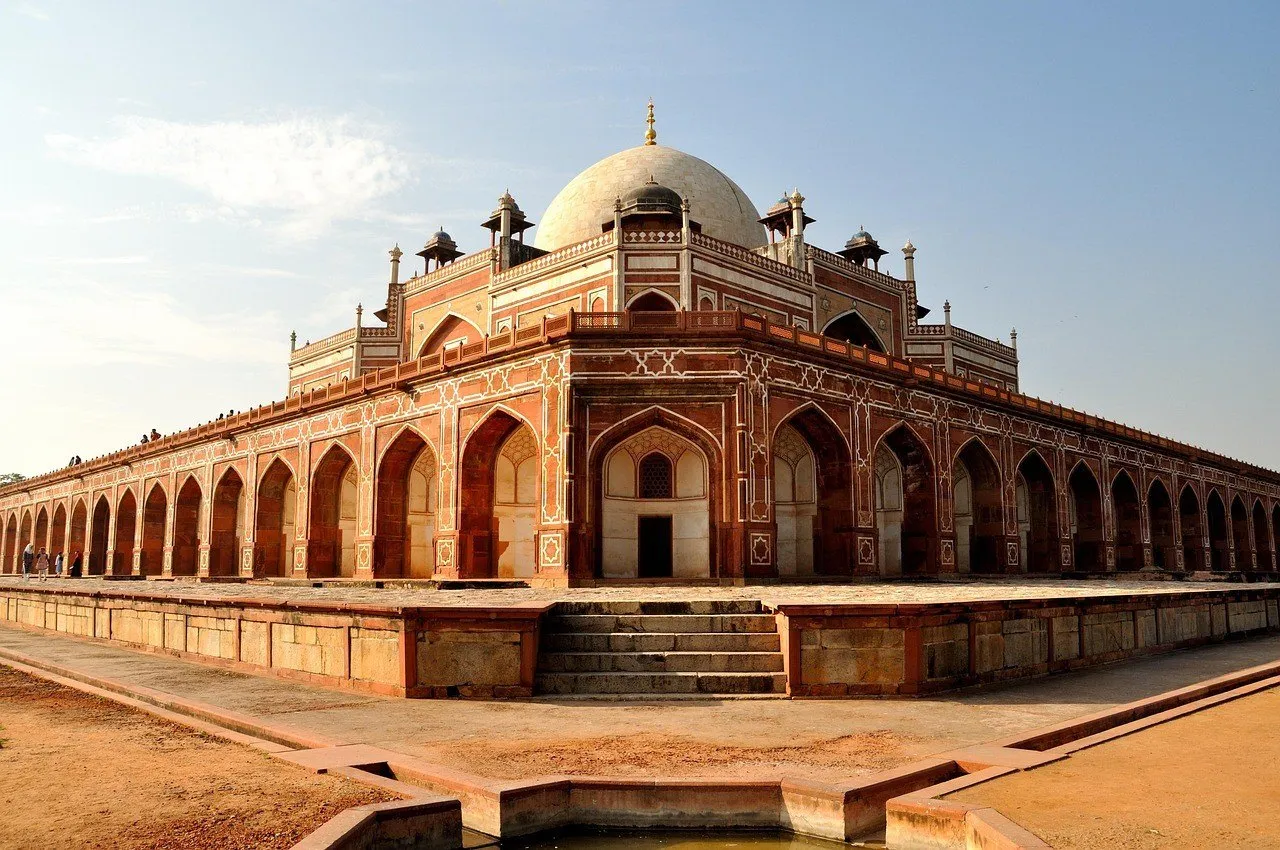
Mughal architecture
Taj Mahal
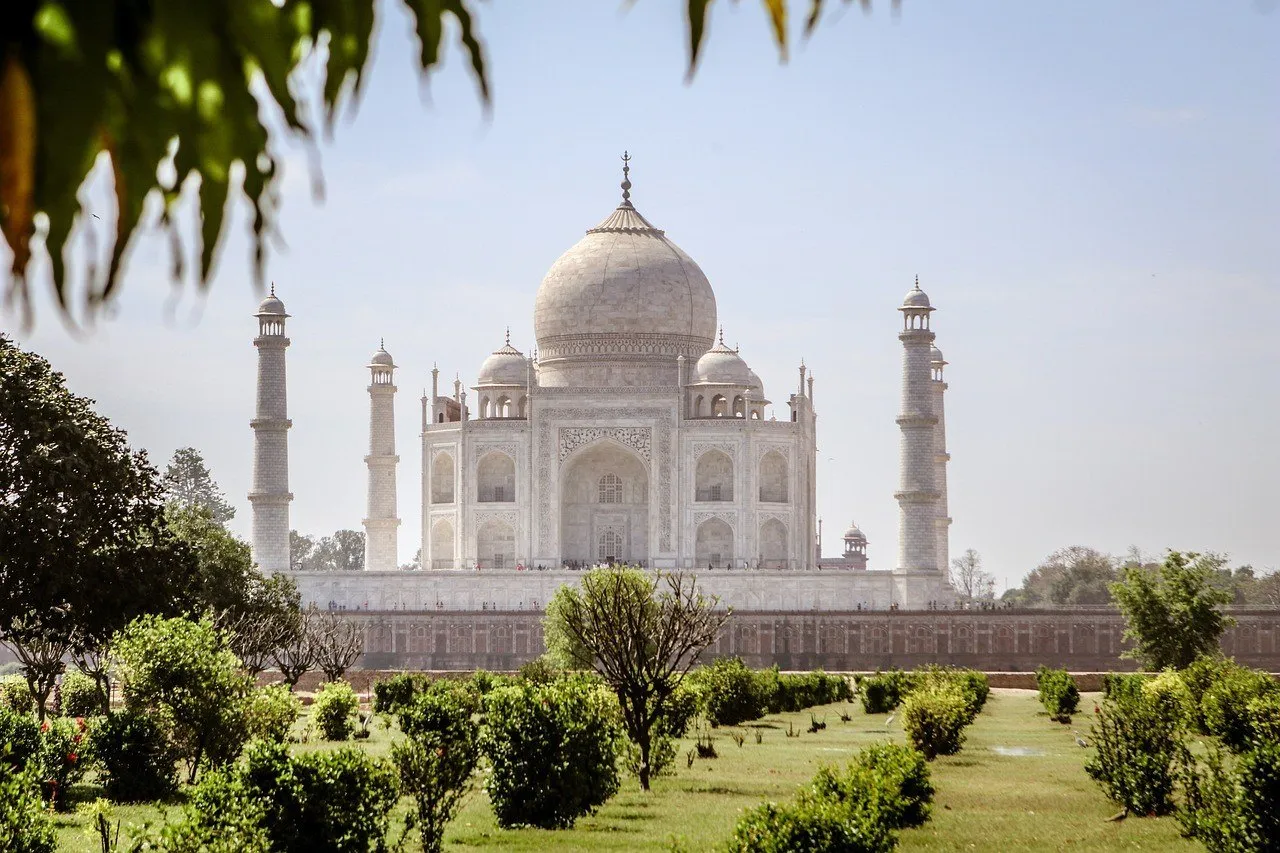
The mausoleum of Mumtaz Mahal combines white marble, stone flowers and gardens aligned with the Yamuna; leave time to look beyond the classic arrival photo.
View details for Taj Mahal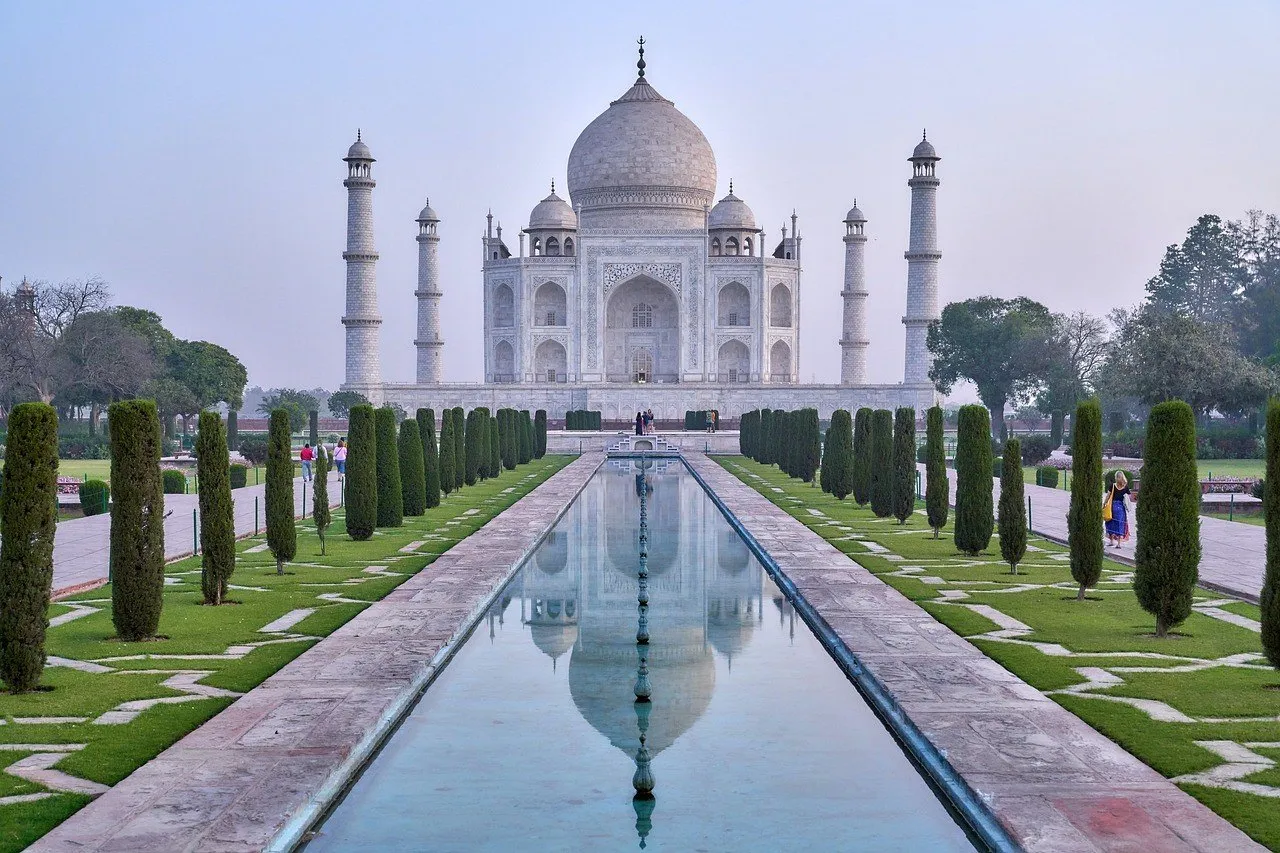
You walk through the gate of the Taj Mahal, spot its reflection in the water channel and see why everyone stopped right here. After that, Agra carries on among red sandstone, gardens and a box of petha.
Your first encounter with the Taj Mahal happens from a distance: the marble appears framed by the great gateway, with the whole garden in between. You have seen this picture before, but now you have to choose between looking at the building or at your phone screen. Agra asks for that change of scale. After the dome come the flowers inlaid in stone; after the palaces of Agra Fort, the gardens on the far bank and the sweet-shop counters.
On the banks of the Yamuna, in Uttar Pradesh, the former Mughal capital works best with two full days, plus a third for Fatehpur Sikri, outside the city. The sights are spread out: pair Sikandra with Guru ka Tal in one outing, and the garden across the river with Itimad-ud-Daulah. Sleep in Agra so you can start early at the Taj and take breaks. Before locking in your sequence, check the Friday rule: the Taj usually closes to tourist visits that day.
At the Taj Mahal, the mausoleum sits at the far end of the garden, by the river, instead of at its center: the long approach is part of the architecture.
Itimad-ud-Daulah was a title of Mirza Ghiyas Beg, father of Empress Nur Jahan; his daughter commissioned the mausoleum you visit today.
Shah Jahan, who had the Taj Mahal built, ended his life imprisoned by his own son in Agra Fort: the family story crosses the river too.
1The mausoleum of Mumtaz Mahal combines white marble, stone flowers and gardens aligned with the Yamuna; leave time to look beyond the classic arrival photo.
View details for Taj Mahal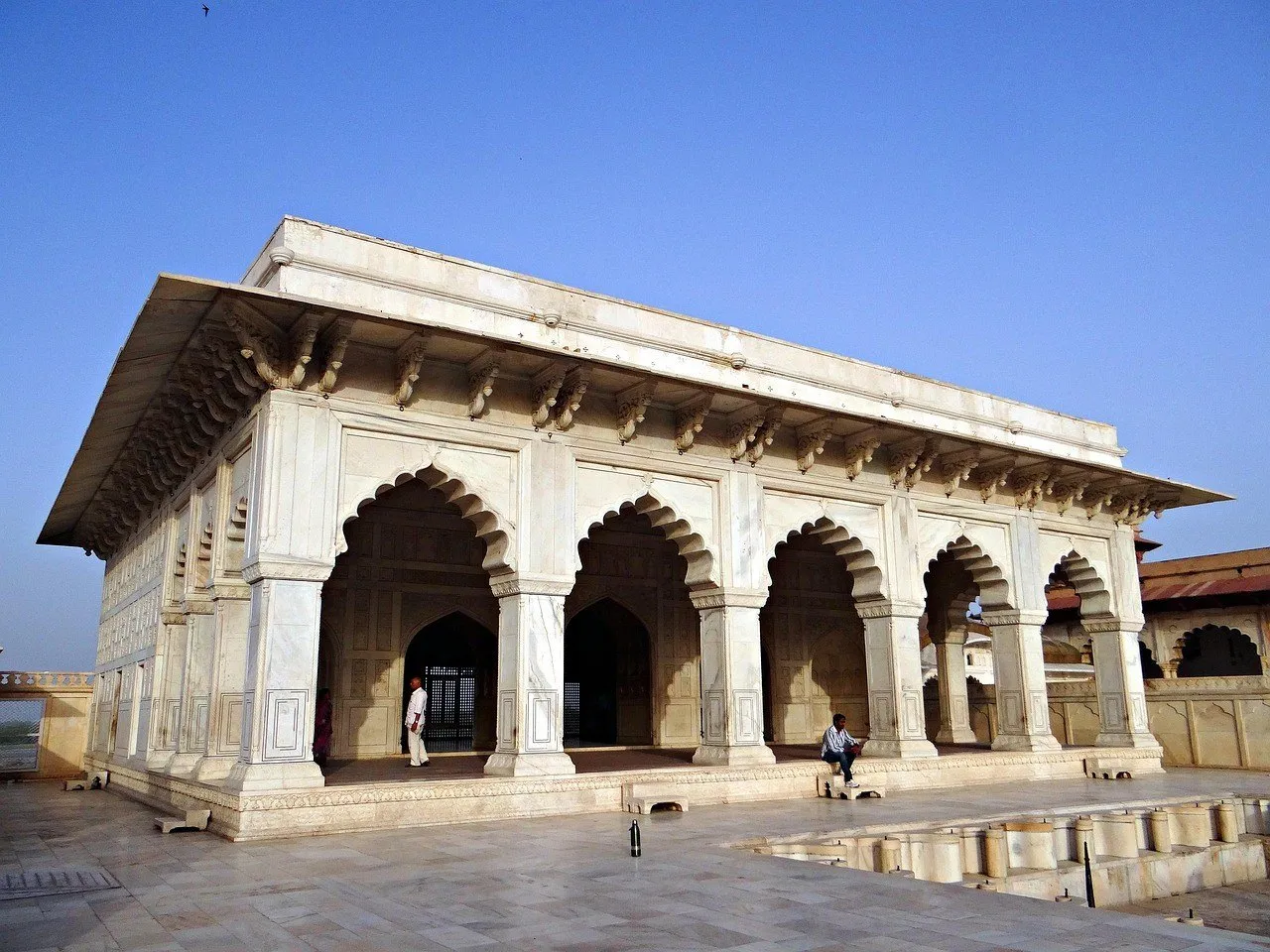 2
Behind the red sandstone walls are palaces, audience halls and white marble: an entire imperial city to explore at an easy pace.
View details for Agra Fort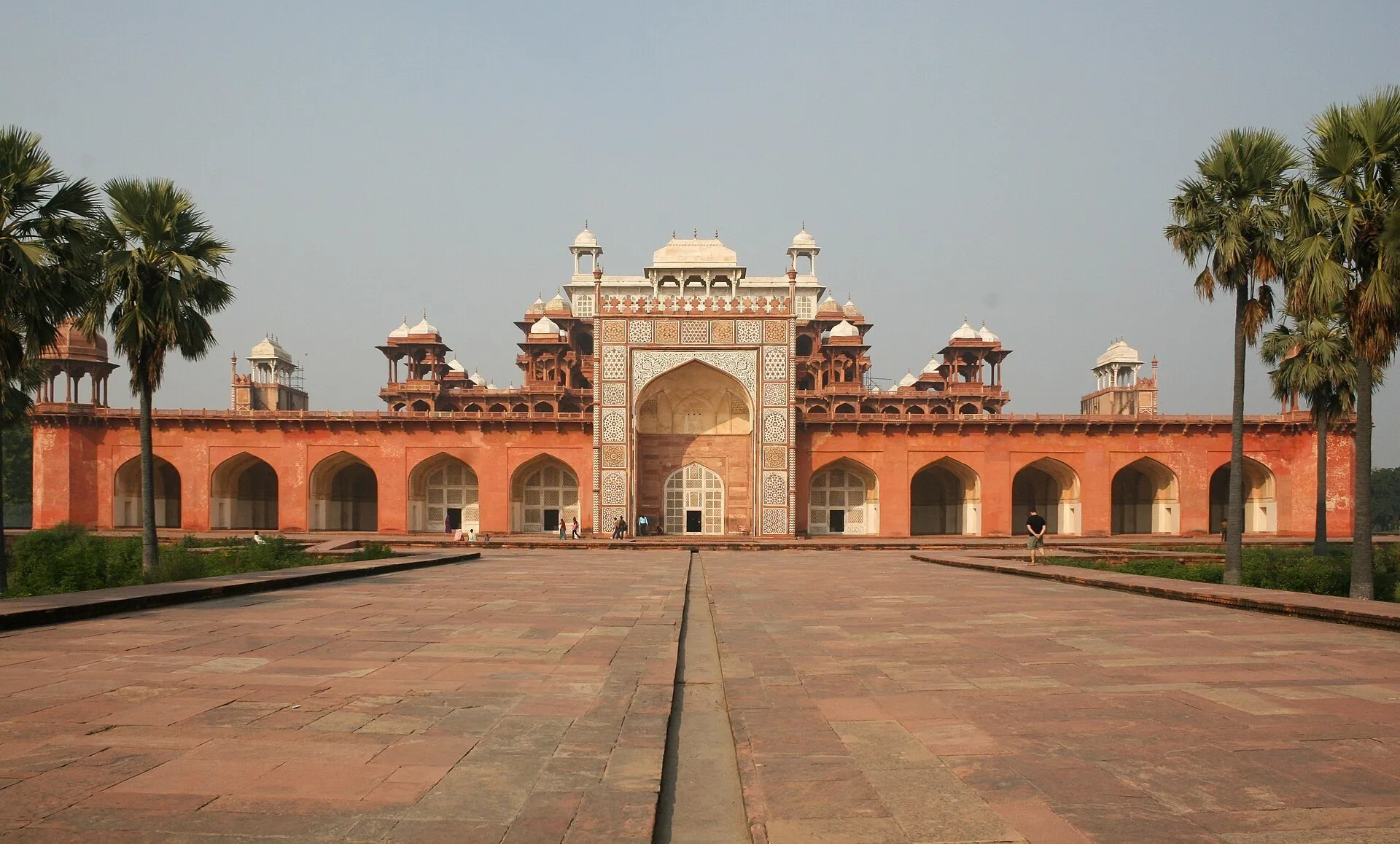 3
Akbar's mausoleum combines sandstone, marble and a wide garden; the ornate gateway alone is worth a pause before you reach the tomb.
View details for Akbar's Tomb in Sikandra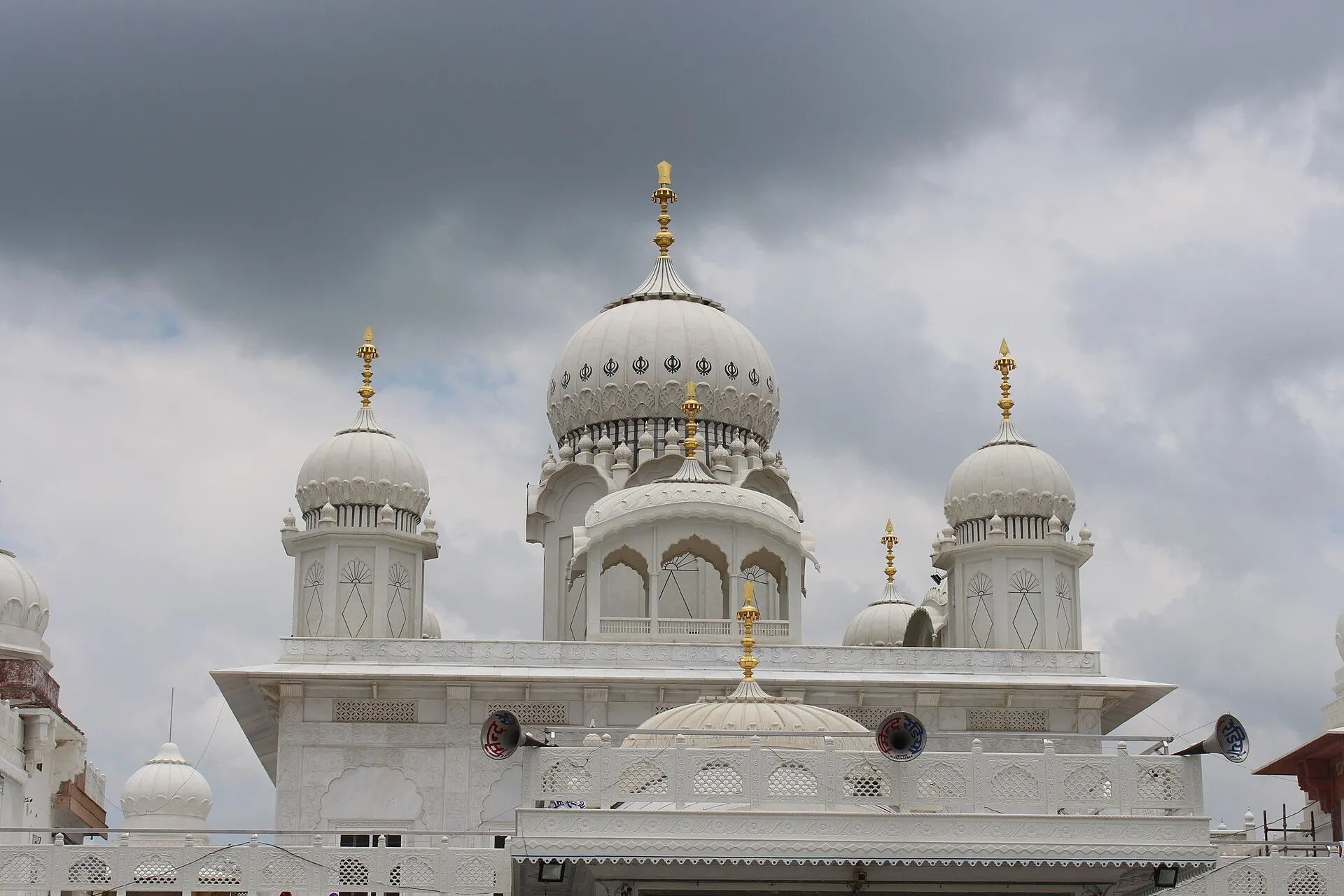 4
A Sikh shrine associated with Guru Tegh Bahadur, beside an old reservoir; it welcomes visitors of all faiths and runs a community kitchen.
View details for Gurdwara Guru ka Tal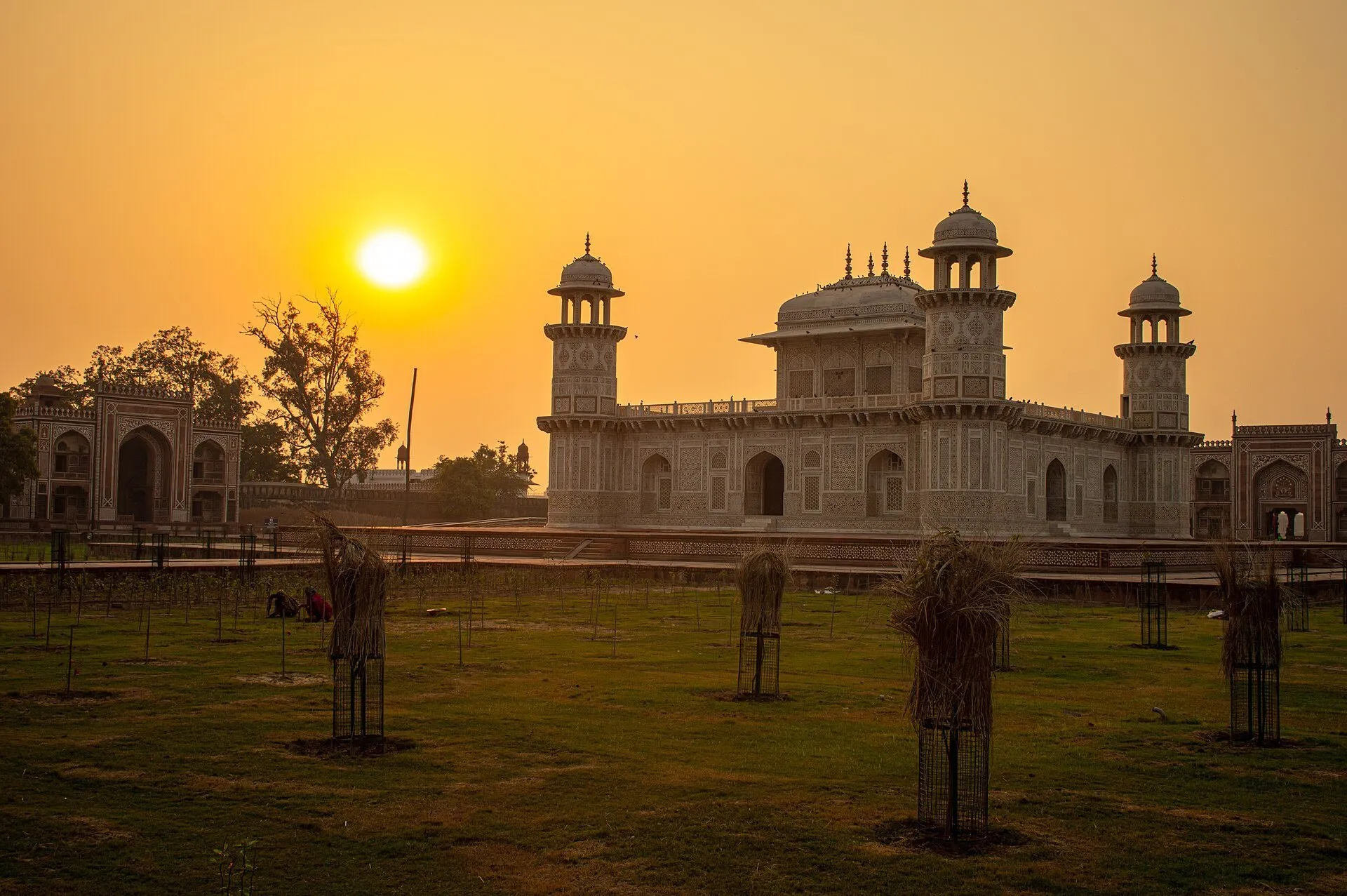 5
Known as the Baby Taj, the mausoleum commissioned by Nur Jahan for her father has worked marble, inlay and pierced screens that deserve a close look.
View details for Tomb of Itimad-ud-Daulah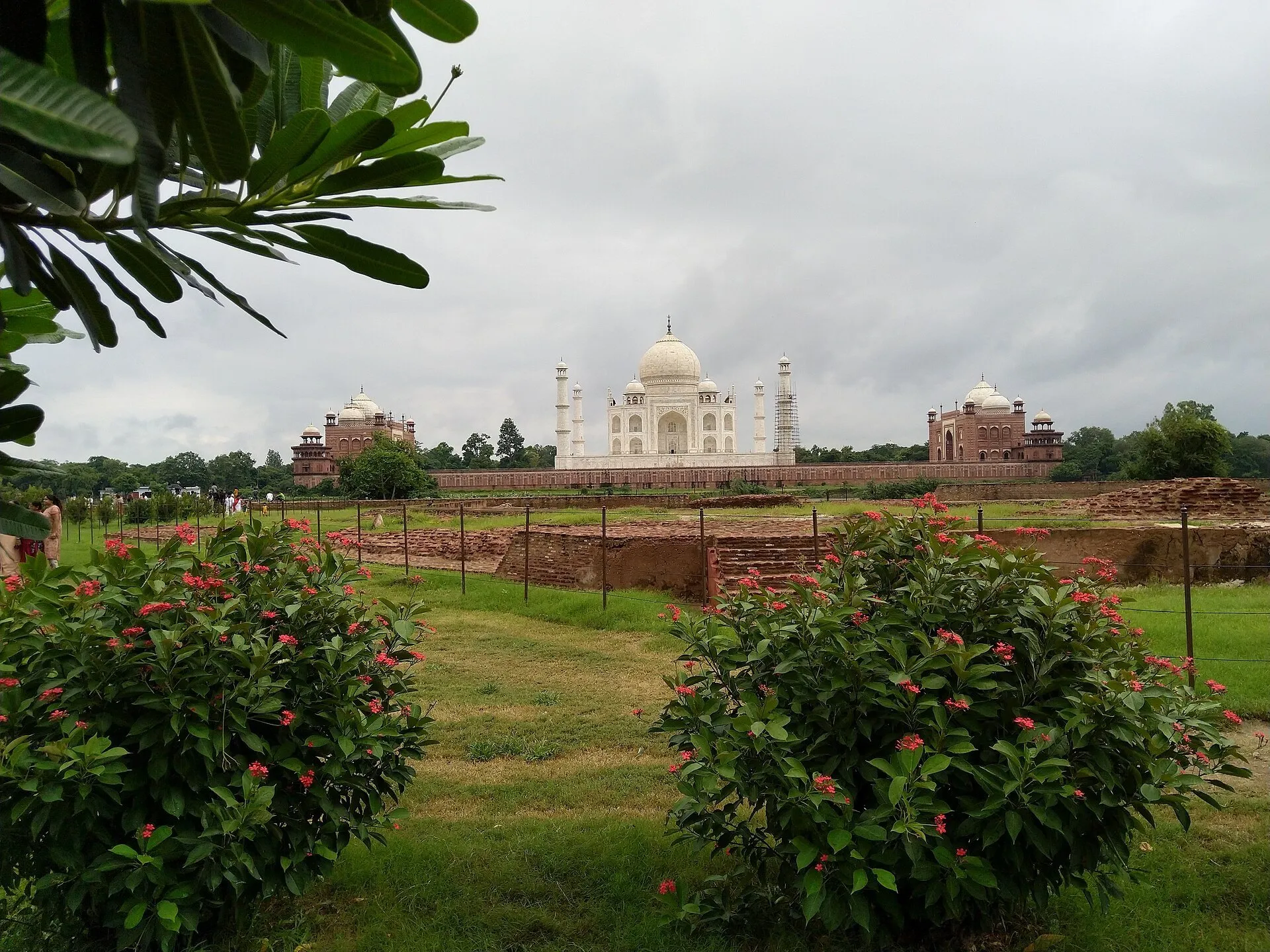 6
Across the Yamuna, the garden frames the Taj Mahal from afar; a pause among paths and trees to see the mausoleum in a bigger landscape.
View details for Mehtab Bagh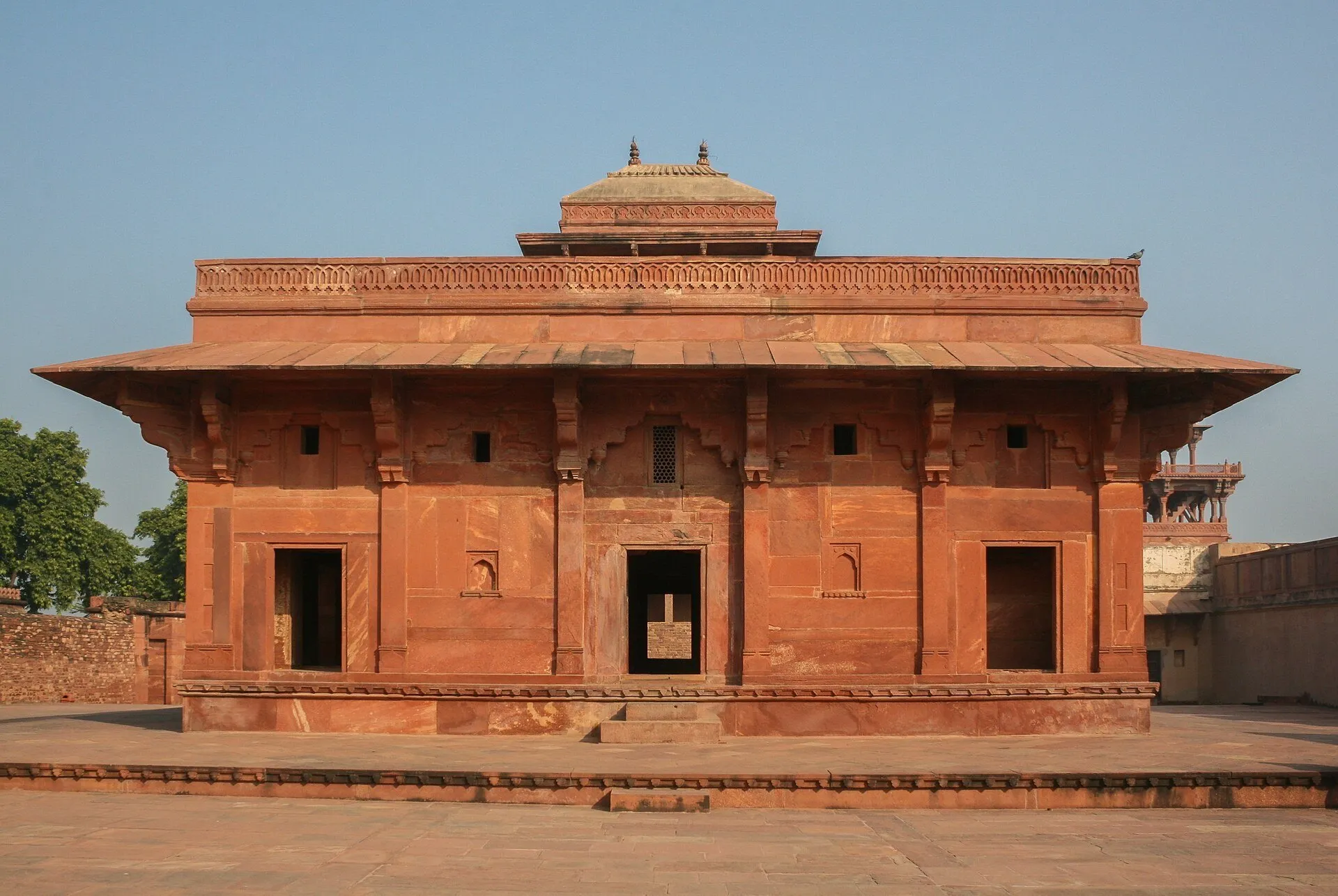 7
Akbar's former capital has red sandstone palaces, courtyards and a mosque; it deserves its own round trip, with the road and the walking built into the plan.
View details for Fatehpur Sikri1Past the great gateway, the Taj appears with its dome above the reflecting channel. Shah Jahan had it built in memory of Mumtaz Mahal. Step closer to trade the silhouette for the inlaid flowers and the pierced marble patterns: the facade deserves a look without a phone in the way.
The complex usually closes to tourists on Fridays. The main mausoleum normally requires an extra ticket; decide before you buy. Check the east or west gates: the south gate is listed as an exit, with no visitor entry. Expect a security check and a walk.
2The red walls give the first clue; the palaces reveal the rest. Akbar turned Agra Fort into a seat of power, and Shah Jahan added white marble buildings. Notice the shift from heavy fortification to the audience halls and the finely worked surfaces.
This is where Shah Jahan was held prisoner on the orders of his son Aurangzeb. The link with the Taj takes on a different weight when you look out at the Yamuna. Explore the areas that are open, without counting on access to every building mentioned on the signs.
3Before looking for the tomb, stop at the gateway in Sikandra: red sandstone and marble patterns invite a slow look. Akbar's mausoleum was completed by his son Jahangir, and the garden stretches the walk to the main building.
The structure rises in levels, with a silhouette unlike the Taj's dome. Compare the two to see how Mughal architecture changed between emperors. Sikandra is far from Tajganj; combine the outing with Guru ka Tal, without crossing the city again.
4Beside the old Guru ka Tal reservoir, the Sikh shrine keeps alive the memory of Guru Tegh Bahadur. The surviving sandstone towers recall the place's history with water. You are visiting a working place of worship, with a rhythm of its own.
The gurdwara welcomes people of different faiths and has a langar, the Sikh community kitchen. Cover your head, leave your shoes and follow the instructions of those in charge. To join the meal, ask how it works at that moment and set aside time to stay.
5Here, getting close changes the visit. The inlay and pierced marble screens of Itimad-ud-Daulah make you slow down to follow the patterns. Nur Jahan commissioned the mausoleum for her father, Mirza Ghiyas Beg, a senior official at the Mughal court.
The nickname Baby Taj helps in conversation, but the garden holds its own family story. Walk around the building and watch the light pass through the screens. On the opposite bank of the Yamuna from the fort, it pairs well with Mehtab Bagh in the same outing.
6The Taj reappears across the river, with room to breathe around it. Mehtab Bagh is a Mughal garden aligned with the mausoleum, with paths and trees between you and the view. After the inlaid flowers, it is worth seeing the whole building in its landscape.
Aim for the late-afternoon light, arriving with time to spare: closing usually follows sunset. The name, linked to gardens and moonlight, does not guarantee night access. The entrance is separate and gives no passage to the Taj; head back by car.
7Red sandstone courtyards link the palaces of the city Akbar made his capital. Look at the pillars of the Diwan-i-Khas; then visit the Jama Masjid, with the Buland Darwaza gateway and the tomb of Salim Chishti, respecting the worship areas.
It lies outside Agra, to the west. As a planning margin, allow 1.5 to 2 hours each way, plus the visit and the walk from the parking area; traffic can stretch the trip. Set the day aside, bring water and stop for lunch.
The Taj usually closes to tourists on Fridays; set its date before the other outings. Check the official website for the foreign-visitor ticket, the mausoleum surcharge and the entry gate.
Security restricts food, tripods and other items; review the official list before you leave. Photography is prohibited inside the main mausoleum. If you hire a guide, check the badge and agree on the service and price.
Group your outings by area and agree on the route, waiting time and return; for Fatehpur Sikri, the price must cover the full round trip. Check the station named on your train ticket.
October to March usually offers better conditions for sightseeing; check the forecast. The courtyards of Fatehpur Sikri and the walks in Sikandra call for water and sun protection. Take breaks between monuments so you can enjoy the next one.
At Guru ka Tal, cover your head and remove your shoes where indicated. At the mosque and the religious tomb in Fatehpur Sikri, follow local rules and respect those at prayer; ask before taking photos.
When buying crafts, compare pieces and agree on prices; a demonstration does not oblige you to buy. Keep rupees for small expenses and confirm whether they accept your card. At meals, mention allergies before ordering.
In Agra, you can start with bedai and potato curry and finish by choosing which petha to take home. In between, Mughlai cooking serves kebabs, curries and naan. Chaat fits into a break between sights. Ask for help with the spice level and pick small portions to try more things.
A sweet made from ash gourd and sugar, sold plain or flavored; start with a sample before choosing the box.
Fried bread served with spiced potatoes, a breakfast pairing that deserves time at the table.
A fried potato snack with sauces and toppings; the mix of crunch, tang and sweetness varies with the preparation.
A crunchy savory mix of fried lentils, spices and chickpea-flour noodles, good for snacking.
We use cookies and similar technologies, such as Google Analytics, in accordance with our Privacy Policy and, by continuing to browse, you agree to these terms. You can decline at any time in the policy.