 1
Museums
War Remnants Museum
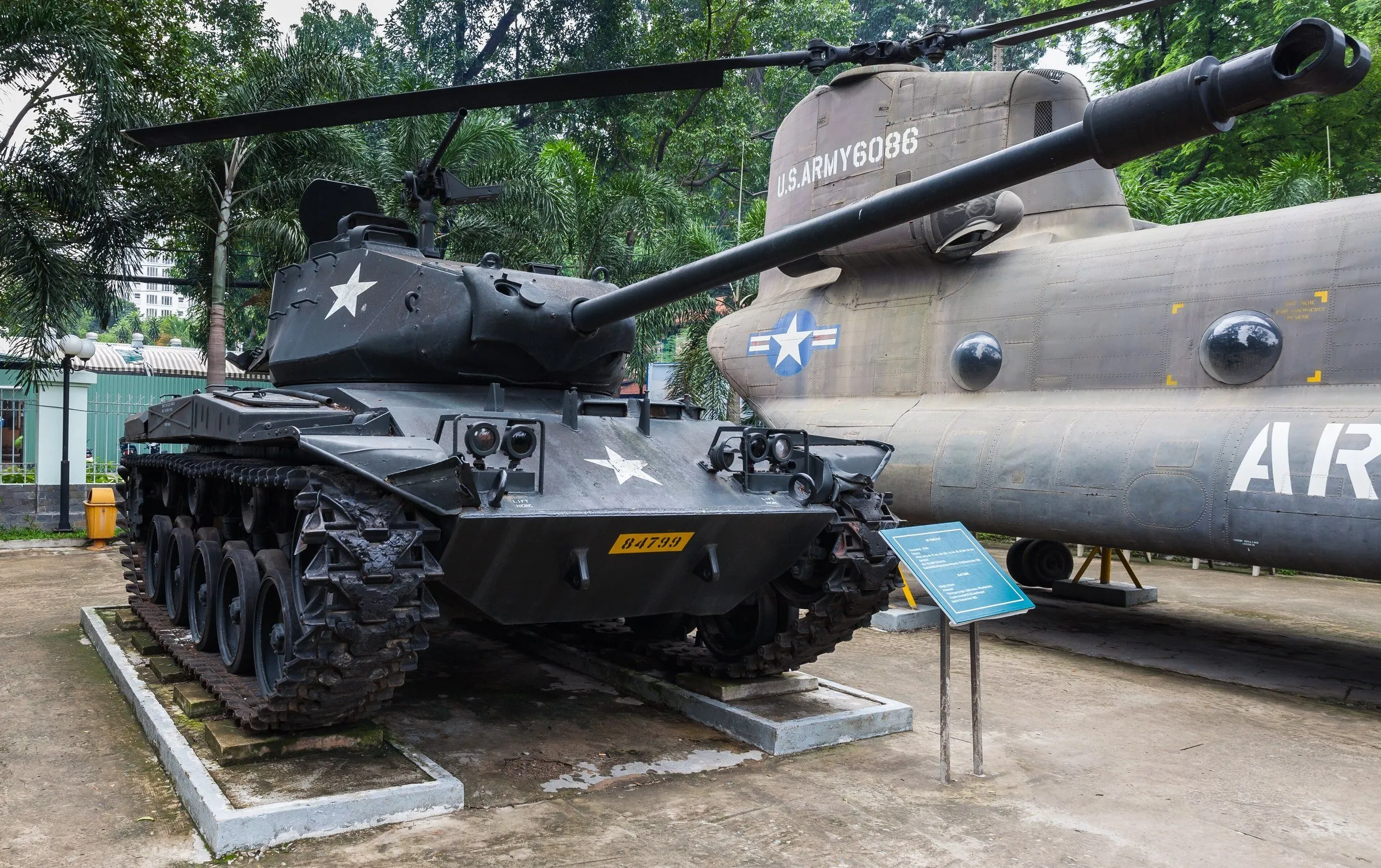
Photographs, documents and military equipment present the effects of the war in Vietnam; a visit to make with time, attention and room for a break.
View details for War Remnants Museum
Coffee drips through the metal filter, ice clinks in the glass and the motorbikes keep rolling by. In Ho Chi Minh City, the pause happens on the sidewalk, with condensed milk and a whole city ahead of you.
You order an iced coffee and get a good reason to sit down along with it: in Ho Chi Minh City, traffic and stopwatch sightseeing don't mix. The former Saigon keeps its name alive in the vocabulary of hotels, markets and locals, while the center gathers a post office that still works, a former presidential residence and museums that ask for your full attention. In between visits come the crunchy bánh mì baguette, the low plastic stools and the very serious question of when it's acceptable to have another lunch.
Organize your stay in blocks: the memory of the war and the area around the cathedral; the markets and the evening on Nguyễn Huệ; then the temples and trade of Chợ Lớn. There are pleasant stretches for walking, but heat and street crossings make getting around slower than a straight line suggests. This itinerary gives three days to the urban core; for the Củ Chi tunnels, set aside an extra day or swap out one of the blocks, remembering to count the trip there.
The stone screen on the facade of Independence Palace stylizes bamboo segments and helps control how much light comes in.
The Central Post Office welcomes visitors interested in architecture but still offers postal services, so your stop could also produce a postcard actually sent.
Chợ Lớn and Bến Thành offer different outings: Bình Tây has a strong wholesale trade, while Bến Thành combines tourist shopping with food stalls in the center.
The phin, a small metal filter that sits on top of the cup, brews coffee drip by drip; it's a good local excuse to give your watch a break.
1Photographs, documents and military equipment present the effects of the war in Vietnam; a visit to make with time, attention and room for a break.
View details for War Remnants Museum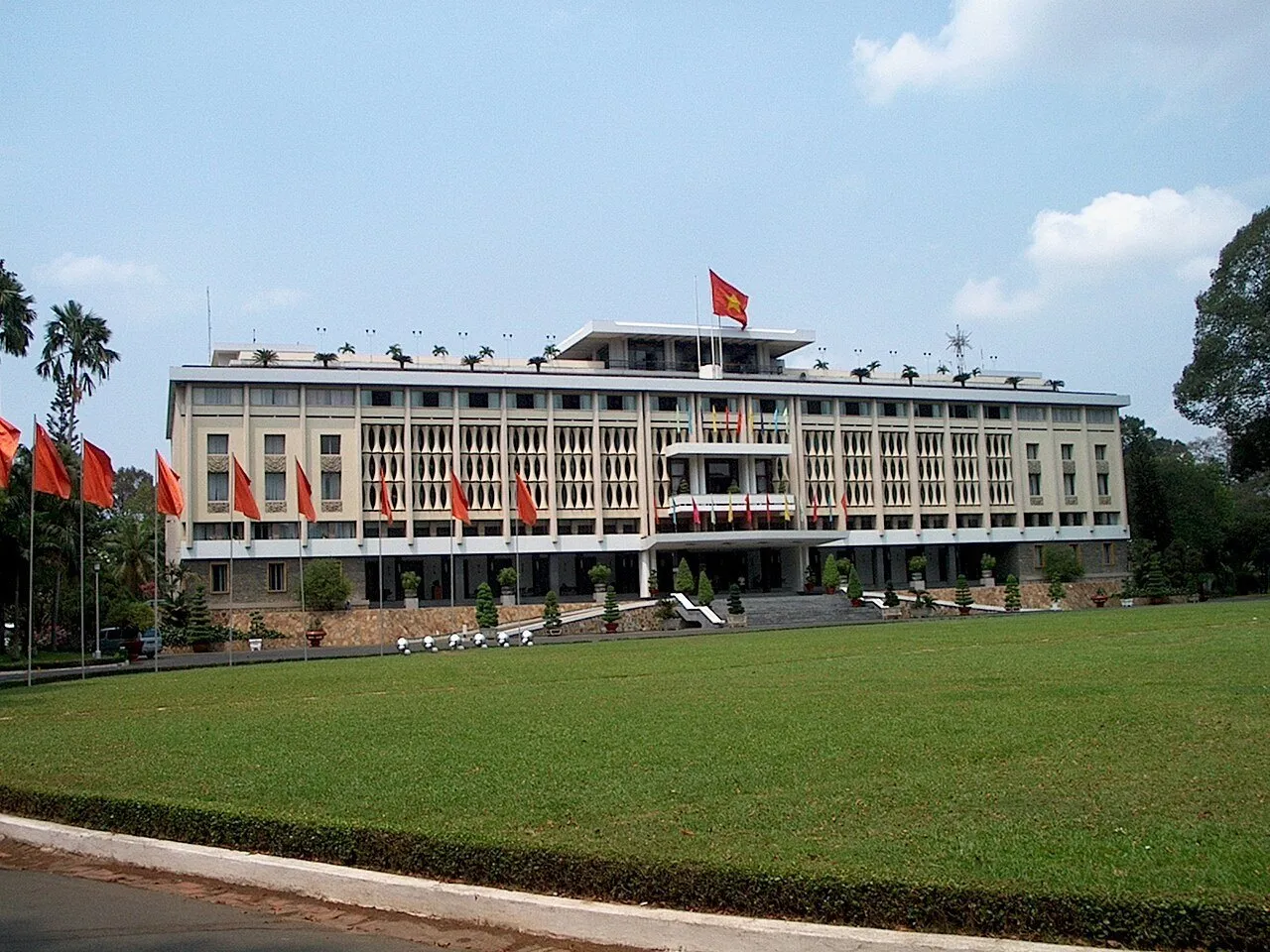 2
The former presidential residence of South Vietnam has reception rooms and command spaces; the concrete facade also deserves a long look.
View details for Independence Palace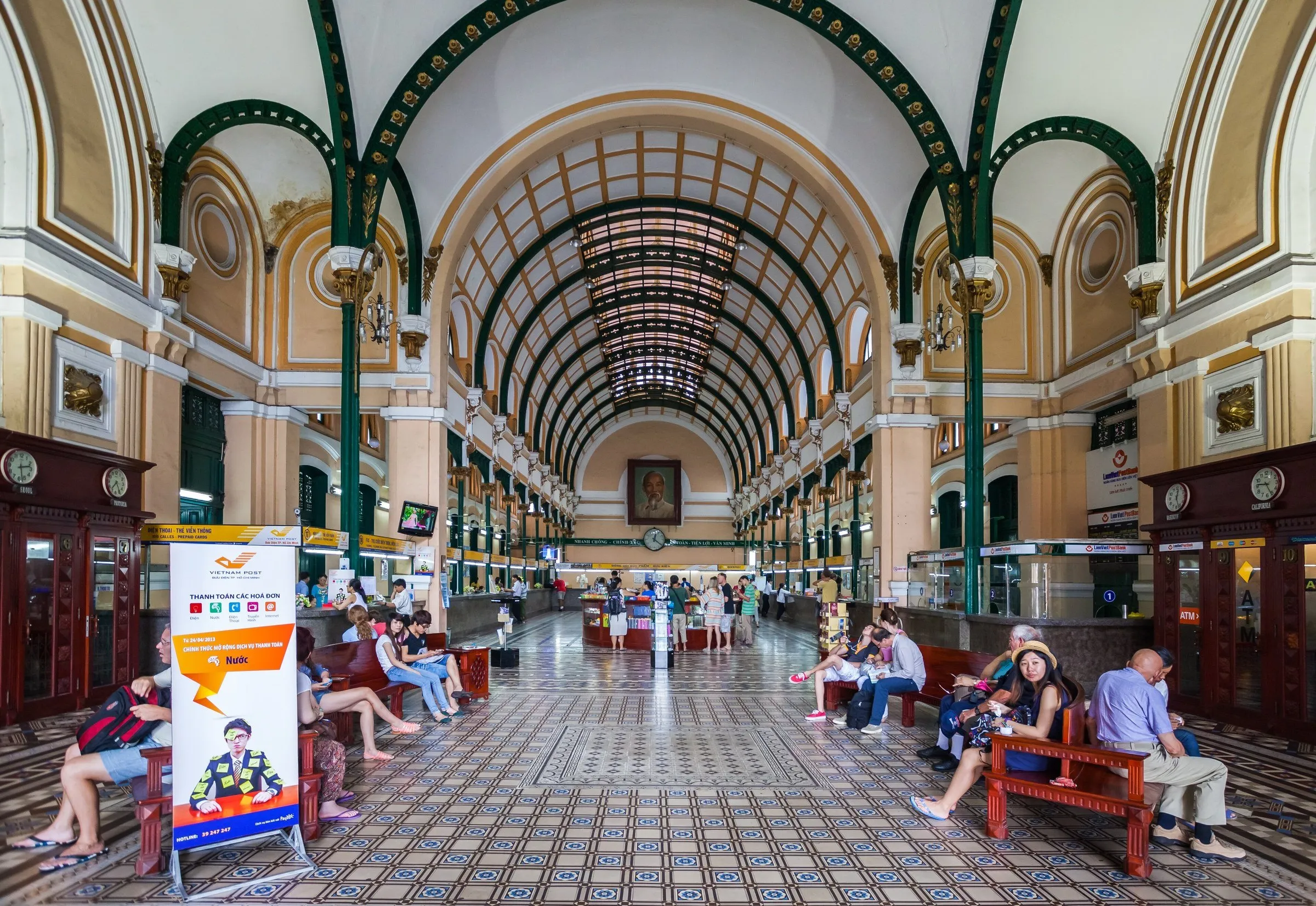 3
Under the great vaulted ceiling, historic maps and postal counters share space with visitors; you can turn the stop into a letter actually sent.
View details for Saigon Central Post Office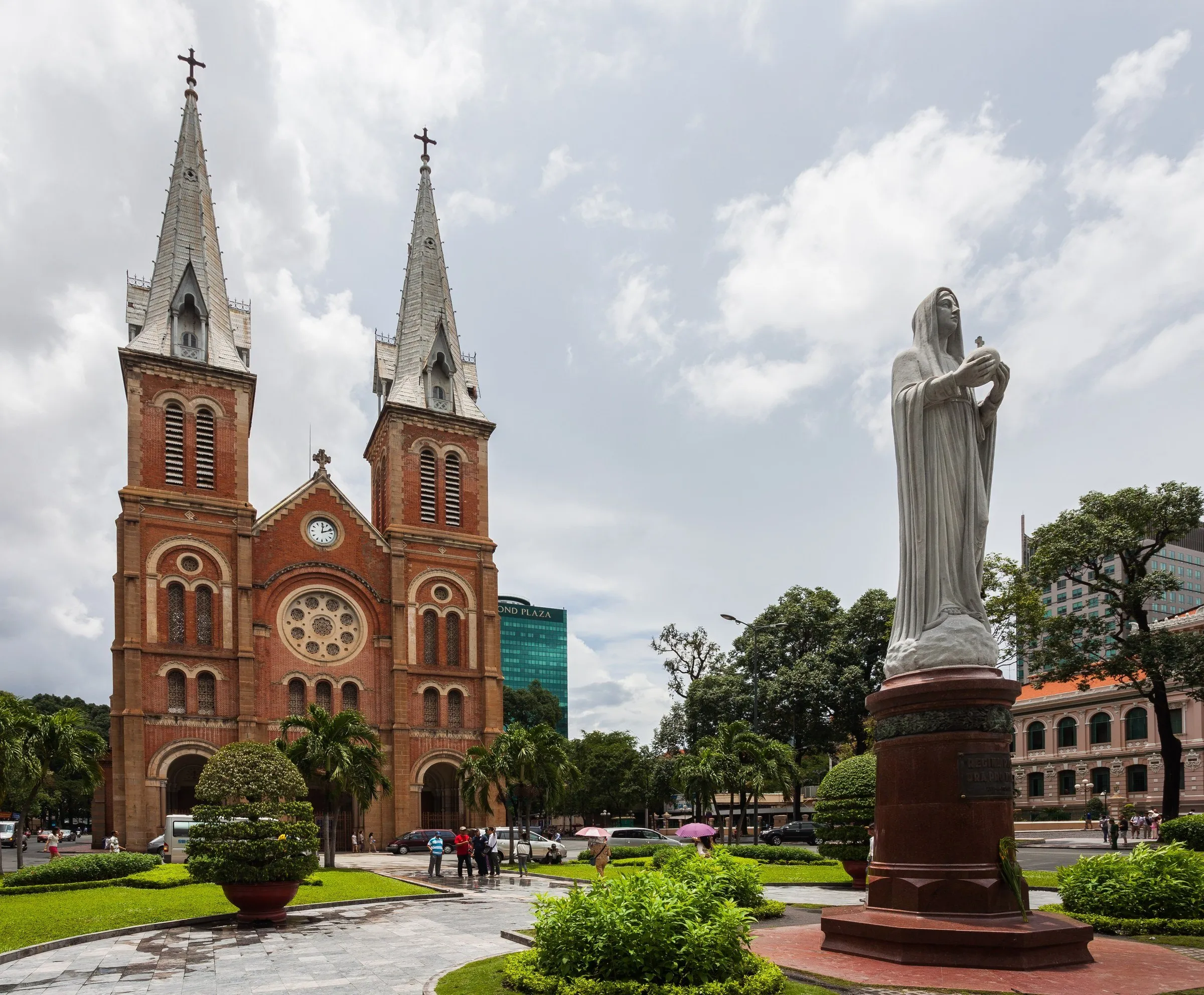 4
The brick cathedral with twin towers faces the Post Office; with restoration underway, keep your visit flexible and treat the exterior as your reference.
View details for Saigon Notre-Dame Cathedral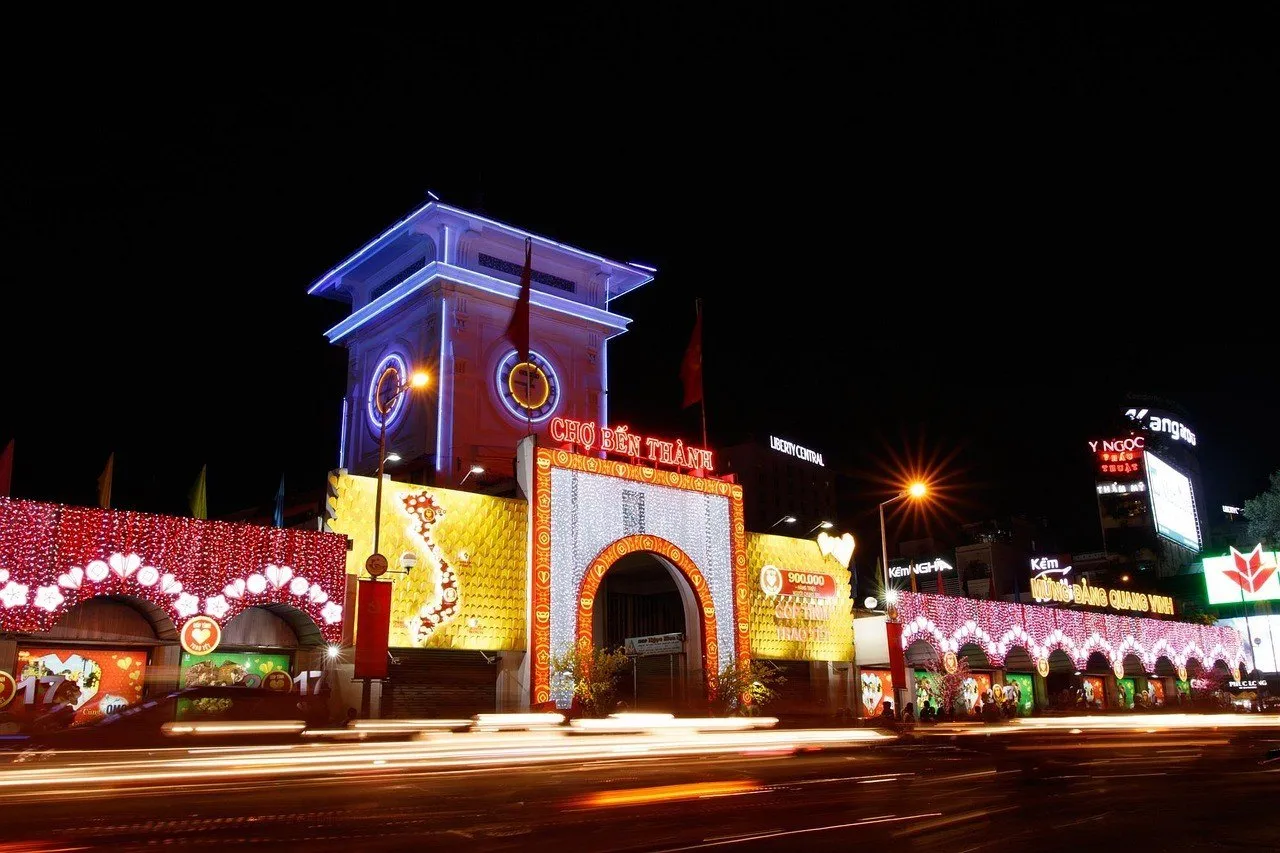 5
The market with the clock tower gathers fabrics, souvenirs and food in busy aisles; before you haggle over a purchase, compare stalls and prices.
View details for Bến Thành Market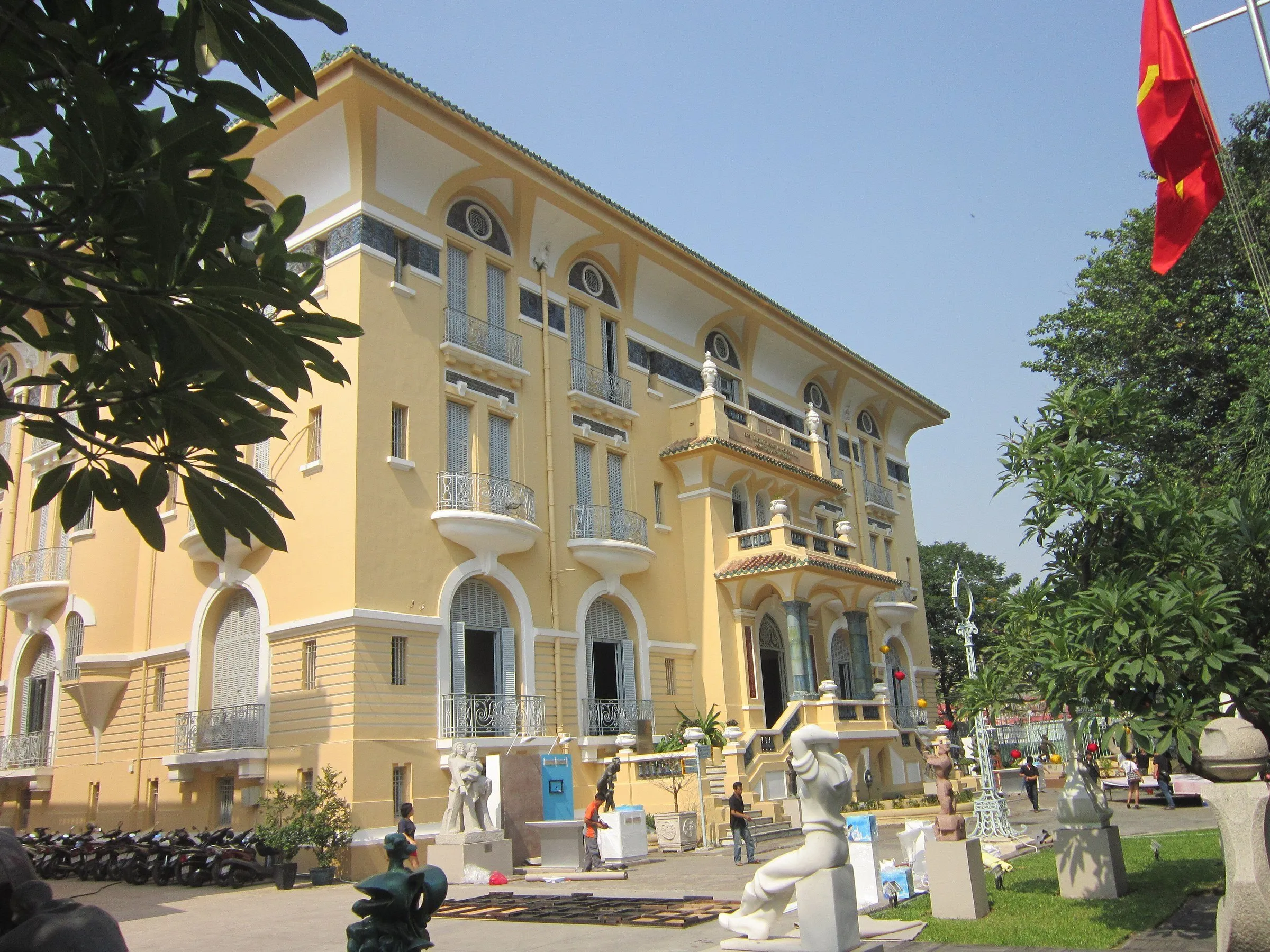 6
Painting, sculpture and ceramics fill buildings that mix French references with Eastern decoration, a short distance from the central market.
View details for Ho Chi Minh City Museum of Fine Arts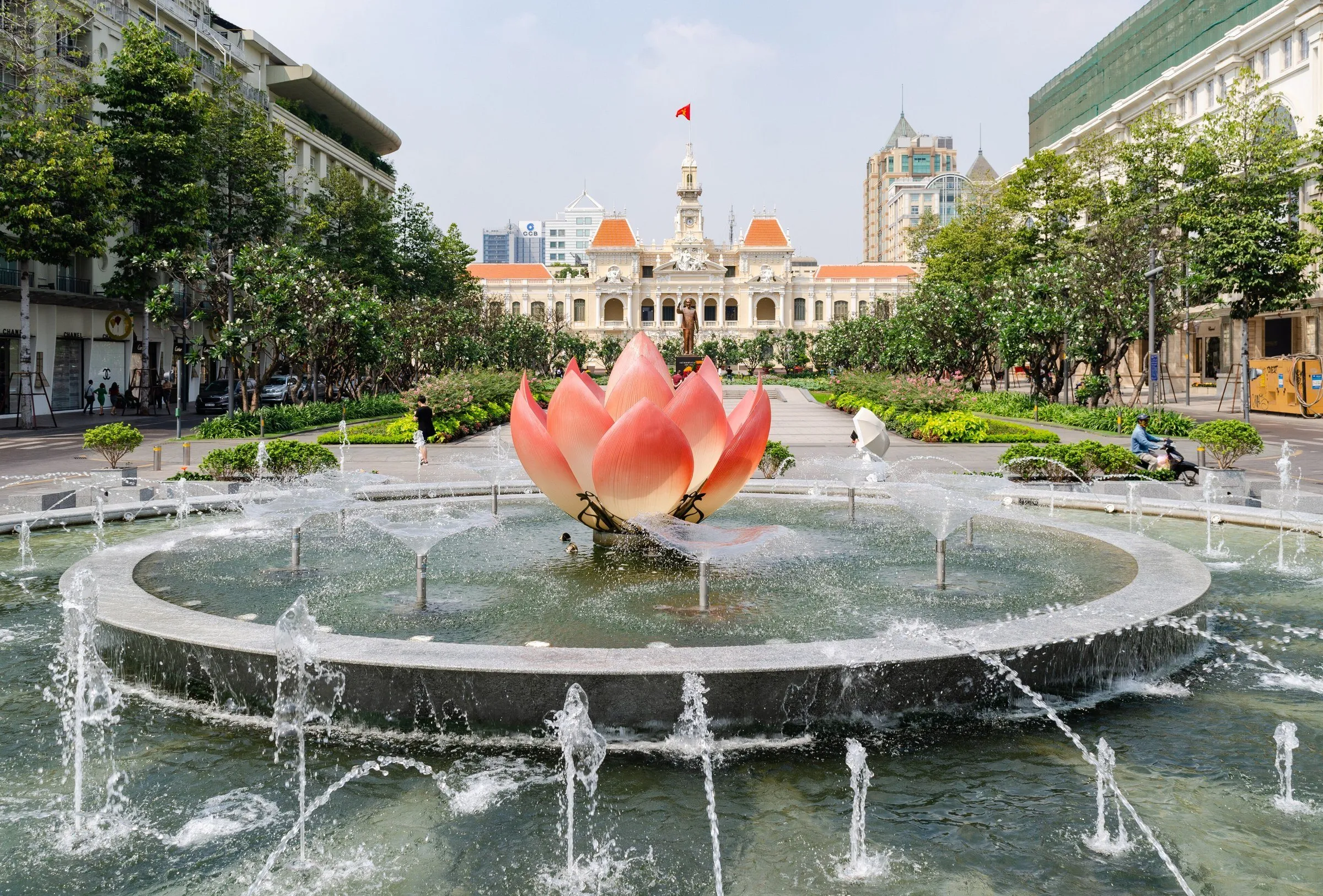 7
The central promenade links the People's Committee area to the riverbank, with cafés and activity at dusk; the side streets still demand attention.
View details for Nguyễn Huệ Street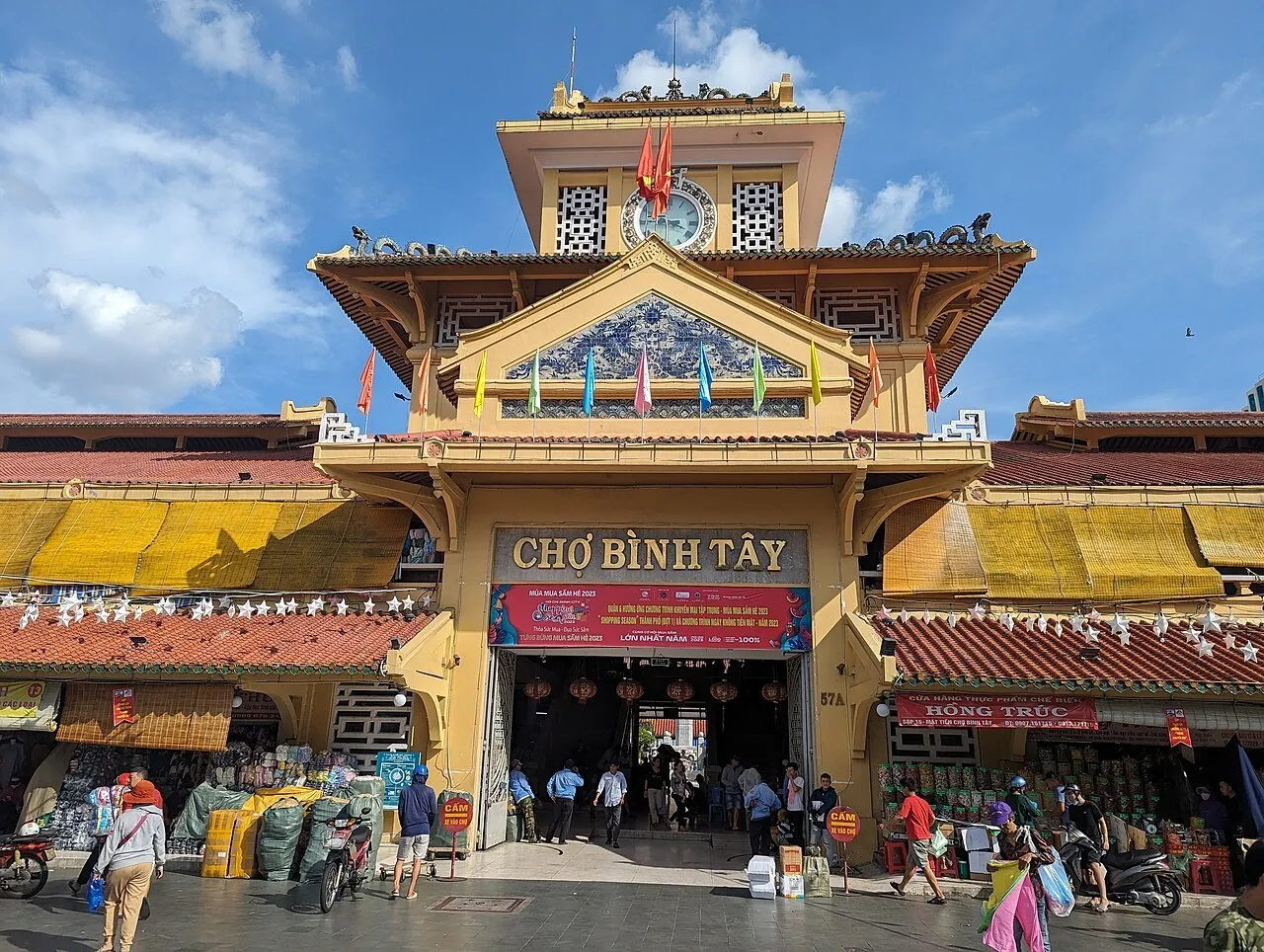 8
The great market of Chợ Lớn combines Chinese-influenced architecture with wholesale trade; here, the movement of goods is part of the outing.
View details for Bình Tây Market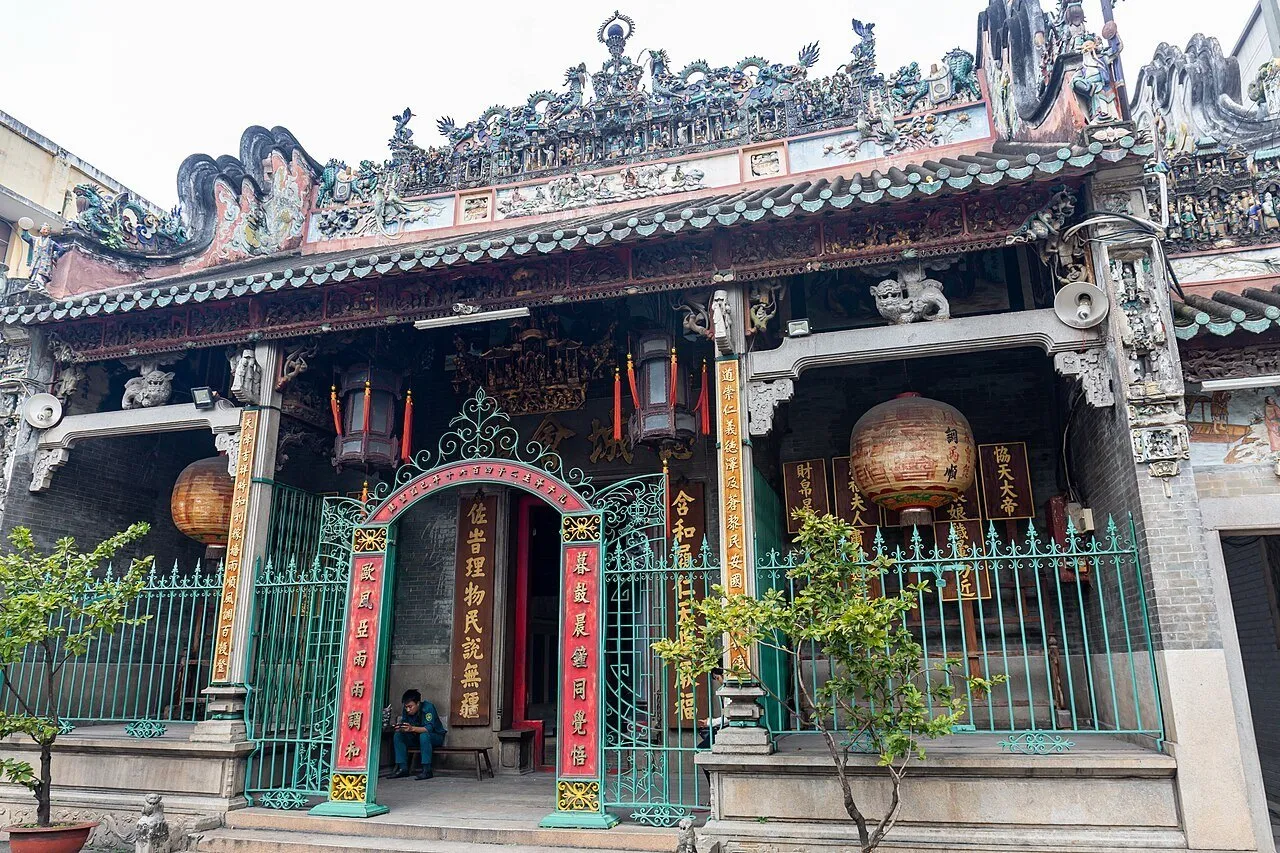 9
Dedicated to the goddess of the sea, the temple has altars, incense and small ceramic scenes on its roofs; looking up is part of the visit.
View details for Thiên Hậu Temple in Chợ Lớn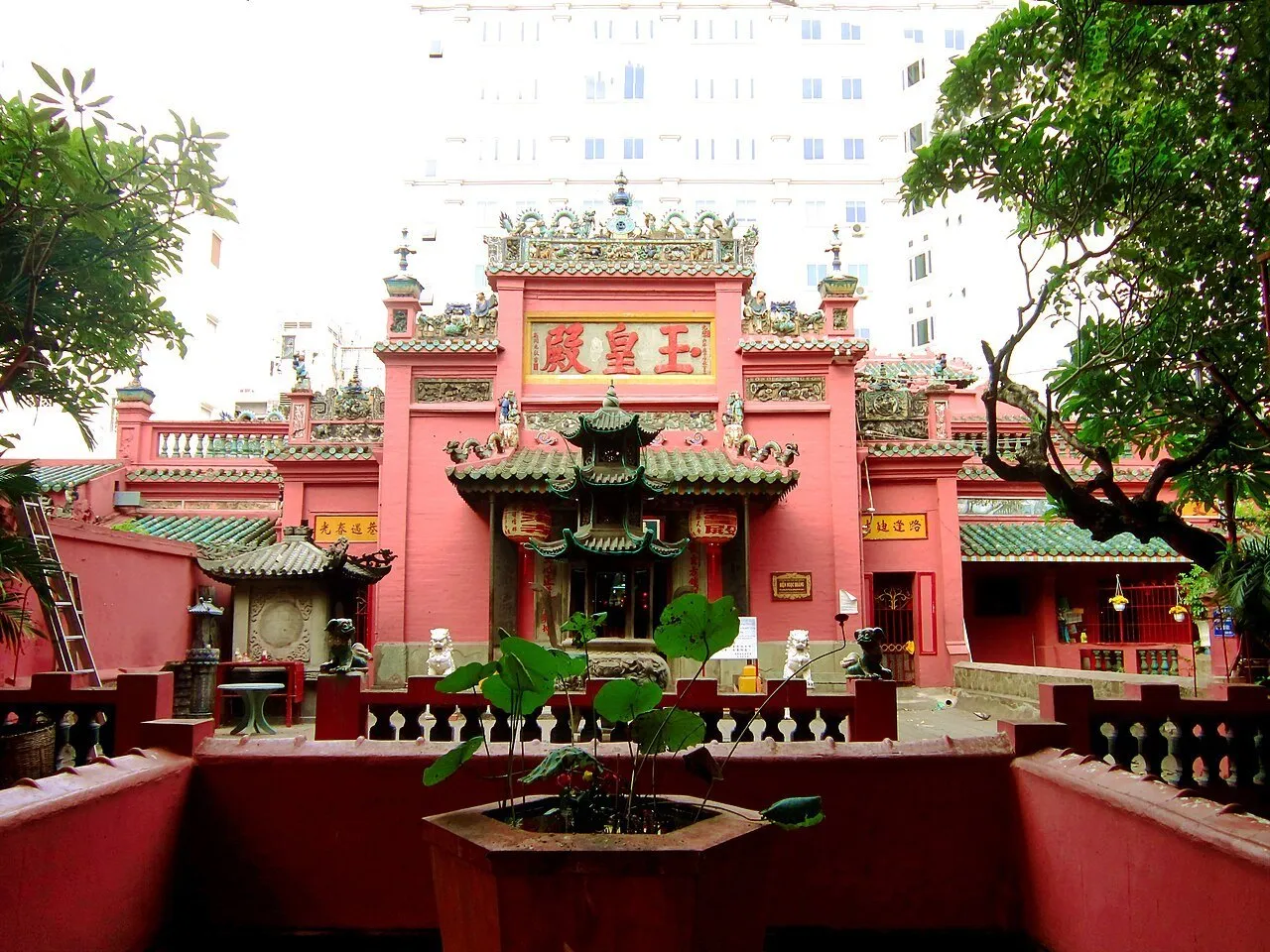 10
Chùa Ngọc Hoàng holds religious figures, carved wood and altars in a temple of Chinese origin; the visit follows the pace of those who come to pray.
View details for Jade Emperor Pagoda1In the courtyard, aircraft and military vehicles catch the eye; inside the halls, it is the effects of the war on people that guide the visit. Photographs and documents address destruction, violence and the lasting consequences of the conflict, from a Vietnamese perspective.
Some of the visual material is quite explicit: choose what you want to see, especially if you are with children. A break between exhibits helps you process what you've seen; your next stop doesn't have to start the minute you walk out the door.
2Across the lawns, the palace looks ready for an official reception. Designed by Ngô Viết Thụ, it served as the residence and workplace of the president of South Vietnam. Meeting rooms and reception areas help explain its political role.
Look closely at the facade: the openwork elements recall bamboo and filter the light. The basement adds another scale to the visit, tied to wartime operations; check which sections are open so you can plan your visit.
3Step in through the yellow facade and let your eyes follow the hall: the vaulted ceiling looks more like a train station than a place to buy a stamp. On the walls, maps record the city and old communication networks; at the far end hangs the portrait of Ho Chi Minh.
Postal services still put the building to use. To send a postcard, check that the counters are open and have the address ready: the delay should be choosing the stamp, not remembering your home zip code.
4The twin towers make the cathedral easy to recognize across from the Post Office. Its official name refers to Our Lady of the Immaculate Conception, although Notre-Dame de Saigon is the name more used on the sightseeing circuit. The brick facade makes a visual pair with the yellow building on the other side.
The restoration may change framing and access. Plan on viewing it from the outside and confirm any visit inside, respecting services; an old photo without scaffolding is no promise about the scene you'll find on your trip.
5The clock above the main entrance is easy to spot; inside, fabrics, dried goods, souvenirs and food compete for attention. Bến Thành has enough stalls to turn buying a bag of coffee into several laps of the same aisle.
Start by looking and asking. Check the price, the quantity and the currency before buying; for food, ask the price before you sit down. Watching the bustle is worth the stop already, especially once your suitcase has declared it won't take anything else.
6The corridors and details of the building reward a first look before you get to the artworks. The complex combines French influence with Eastern decorative elements; the collection brings together different materials, periods and ways of depicting Vietnam.
Give your attention to the paintings, sculptures and ceramics instead of using the hall as a mere backdrop for portraits. Its closeness to Bến Thành lets you slow the day down without much travel; check which buildings and exhibitions are open before choosing your route.
7When the light drops, Nguyễn Huệ takes on a different mood for strolling. The wide axis runs from the area of the People's Committee building toward the Saigon River, lined with shops, cafés and tall buildings.
Look up as well: old apartment buildings house businesses, including cafés. At the end near the river, use the proper crossings; the pedestrian space in the middle doesn't turn the surrounding streets into a pedestrian zone. Pick a table and let the evening arrive.
8At Bình Tây, your visit shares the path with people at work: goods come and go in a market known for wholesale activity. Chinese-influenced architecture sets the complex apart in Chợ Lớn and changes the scenery compared with Bến Thành.
Look at the facade and move along the aisles without blocking the way. Not every product will be sold individually; ask first and accept that some deals run on a bigger scale than your backpack.
9The details sit above eye level: the roofs carry small figures and ceramic scenes, like stories keeping the courtyard company. Thiên Hậu is the sea goddess worshipped at this Chợ Lớn temple, which is tied to the Cantonese community.
Then take in the altars and the comings and goings of people who have come to pray. Incense smoke changes the light inside; confirm that photography is allowed and avoid walking into a ceremony in search of a better angle.
10Leaving the traffic of Mai Thị Lựu Street for the altars of Chùa Ngọc Hoàng changes the pace. Known as the Jade Emperor Pagoda and also as Phước Hải, the temple combines Chinese and Buddhist religious references, carved figures and woodwork.
Take in the details slowly, keeping the way clear for those who come to pray. The halls are not a set available at any moment; check the closing time before crossing the city.
Combine short walks with a taxi or ride-hailing car and check the license plate before getting in; Metro Line 1 has a station at Bến Thành, but it doesn't solve the trip to Chợ Lớn or to the pagoda.
Prefer traffic lights and marked crossings, look both ways and wait for a safe moment; to check the map, step away from the road and keep your phone and bag close to your body.
Carry dong in small bills for markets and simple meals, check the denomination when you pay and agree on prices before buying; cards are more useful in hotels and larger establishments.
From December to April the weather is usually drier; in the rainy season, leave room for afternoon downpours and bring protection for your backpack, drinking water and a rest between walks.
Wear clothes that cover your shoulders and knees, keep your voice down and ask permission before photographing altars; priority belongs to those who are praying, even when the light seems to ask for a photo.
Check your ticket for the airport and terminal of your flight, as well as the official pickup point for the center; before traveling, look up the entry requirements that apply to your passport on official Vietnamese channels.
Cơm tấm sustains the day, hủ tiếu shows up in different versions and coffee with condensed milk calls for an unhurried table. For street food, choose busy places where the food is prepared on the spot; confirm ingredients if you have restrictions. The hard choice is usually between sitting down now or looking at the next stalls.
Broken rice, often served with grilled pork, side dishes and fish sauce; it works as a full meal, including in the morning.
Rice noodles with different broths and toppings; the Nam Vang version may include pork, shrimp and quail egg.
Crunchy baguette with fillings that may combine meat, pâté, pickled vegetables and chili; ask what goes into your version.
Coffee with condensed milk and ice: the first spoonful mixes the sweet bottom layer with the strong brew, and the glass becomes part of the pause.
We use cookies and similar technologies, such as Google Analytics, in accordance with our Privacy Policy and, by continuing to browse, you agree to these terms. You can decline at any time in the policy.