 1
Nature
Hoan Kiem Lake
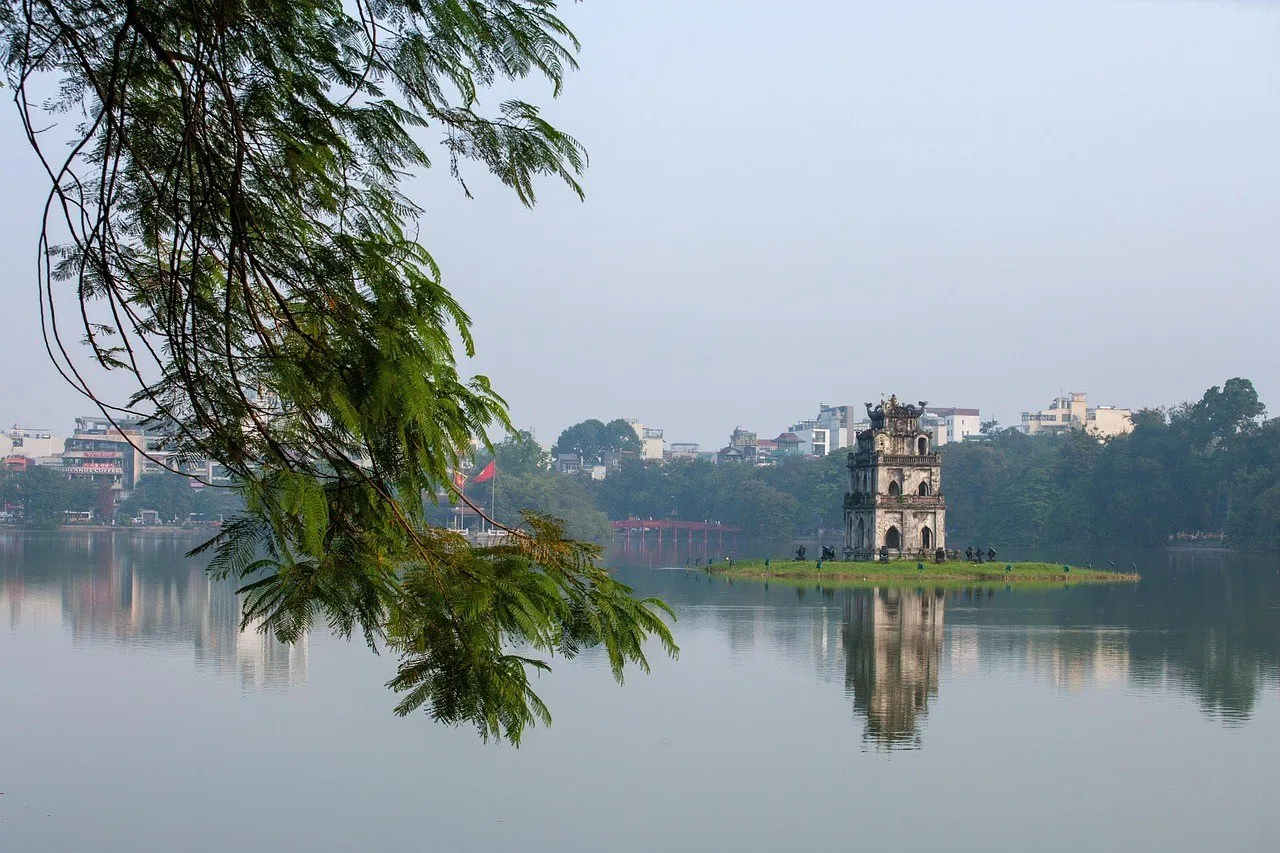
A walk among trees, gardens and the view of Turtle Tower: the lake helps you get the rhythm of the center before you enter the Old Quarter.
View details for Hoan Kiem Lake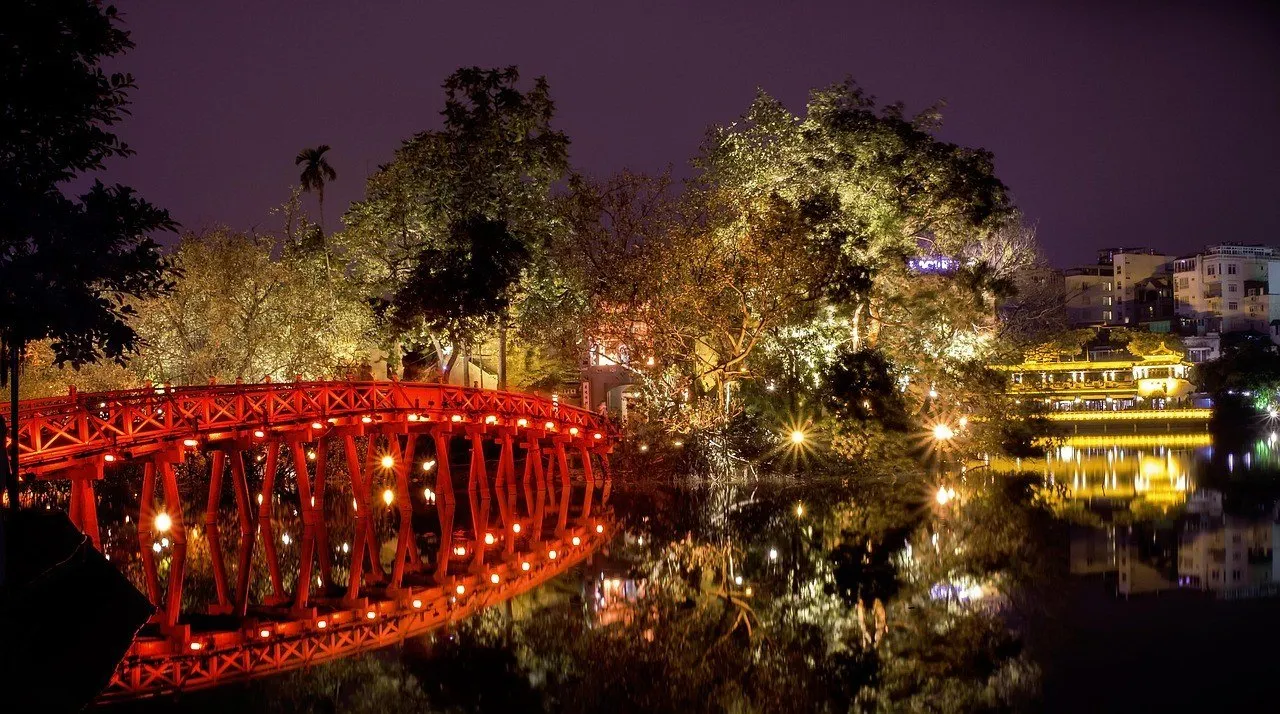
The coffee arrives under a foam of egg so thick it almost asks for a spoon. From a low stool, you watch the motorbikes go by while you choose between another lap of Hoan Kiem Lake and a bowl of phở.
In Hanoi, coffee may come with egg, the sidewalk may demand a detour, and Hoan Kiem Lake works as a landmark for almost every first walk. To its north, the Old Quarter mixes narrow facades, shops and steaming pots. You can spend the morning looking for a temple and end up choosing a soup; here, the two plans fit together nicely on the same corner.
Organize your days by area: the lake and Old Quarter first; Ba Dinh, West Lake and the Temple of Literature next; the citadel and museums last. The central stretches make for good walks, but the longer links call for transport and some slack for traffic. Three days are enough to see this core without turning lunch into a stopwatch break. Trips to Ha Long need their own time, outside this city itinerary.
Hoan Kiem refers to a returned sword: the legend ties the lake to King Lê Lợi and a turtle.
Street names in the Old Quarter preserve old trades. Hàng Bạc, linked to silver, still gathers jewelry shops.
In water puppetry, the mechanisms stay hidden under the water; musicians and singers accompany the puppets beside the stage.
The Temple of Literature began as a temple dedicated to Confucius; the imperial academy came later, joining teaching and worship in the same complex.
1A walk among trees, gardens and the view of Turtle Tower: the lake helps you get the rhythm of the center before you enter the Old Quarter.
View details for Hoan Kiem Lake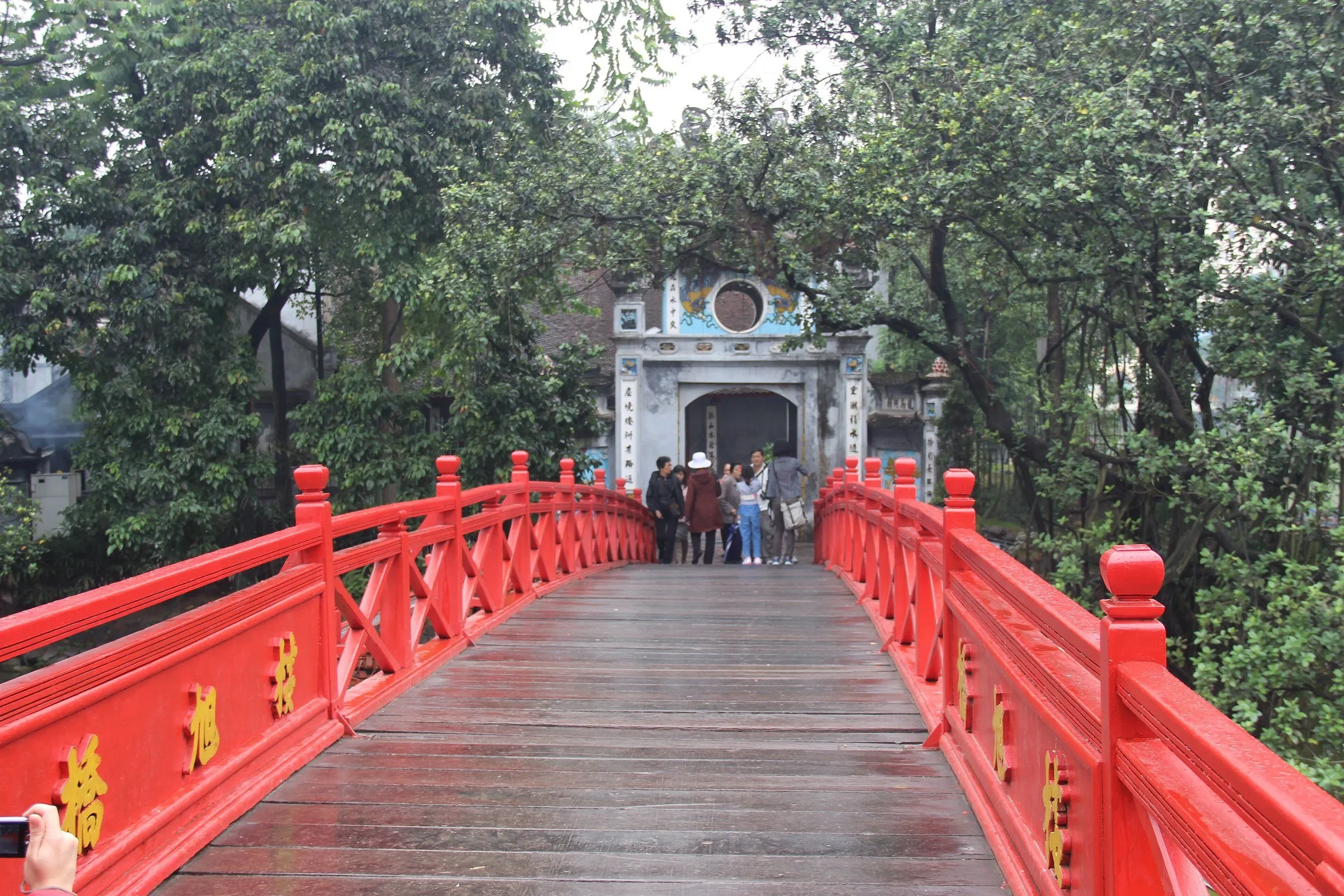 2
The red The Huc Bridge leads to the temple on a small island in Hoan Kiem, with altars, pavilions and symbols tied to study and the nation's memory.
View details for Ngoc Son Temple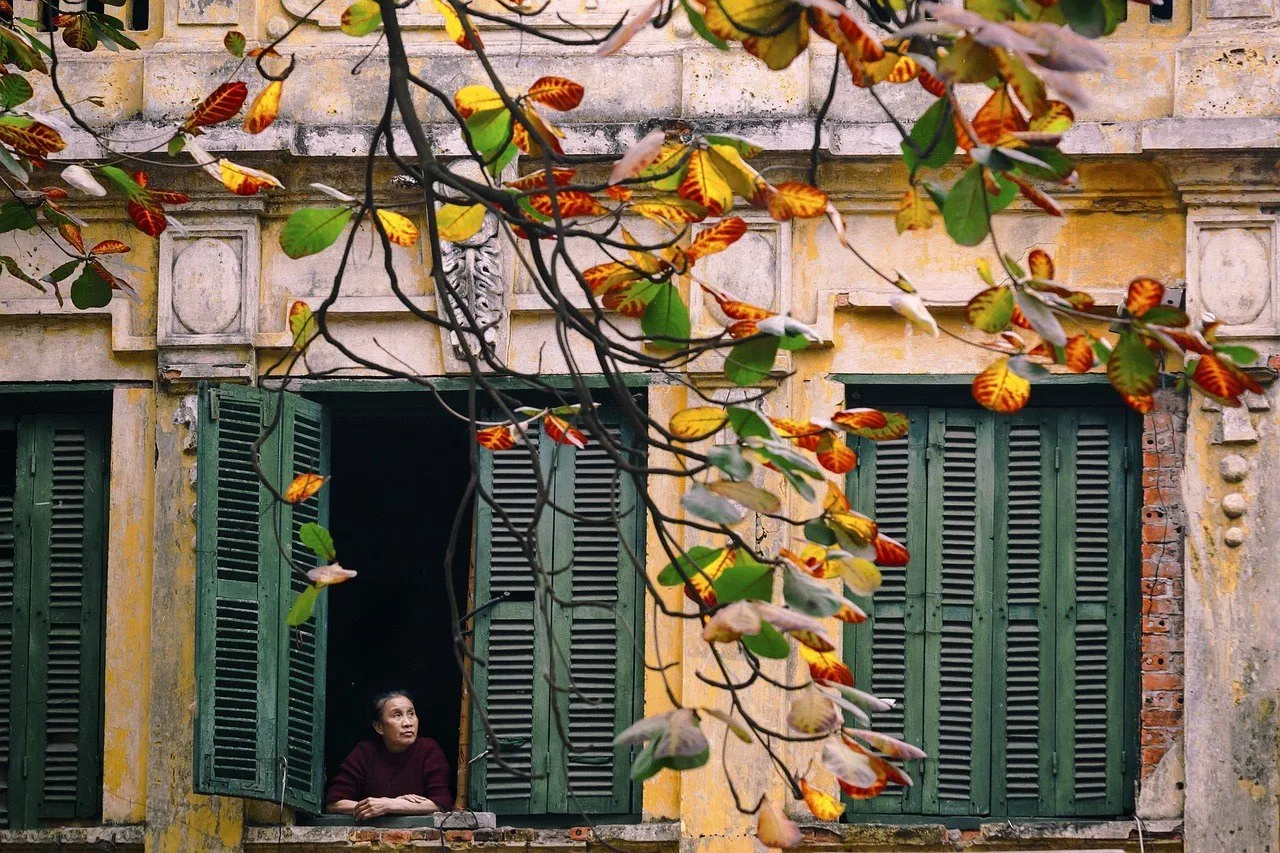 3
Busy shopping streets, narrow-fronted houses and food prepared by the sidewalk: the stroll works best with few goals and several breaks.
View details for Old Quarter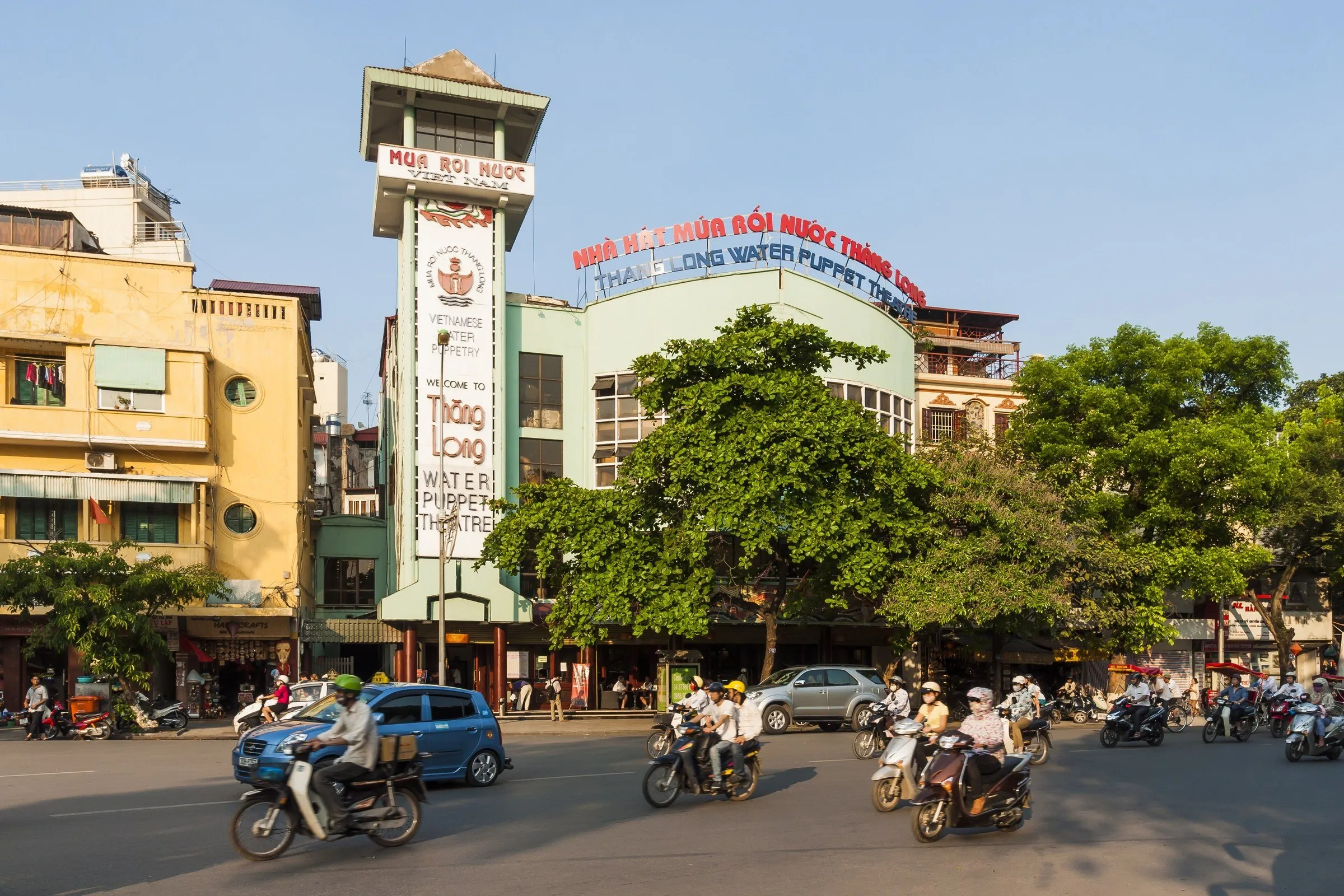 4
Wooden puppets glide across a stage of water to live music, in a show that brings rural everyday life close to the lake.
View details for Thang Long Water Puppet Theatre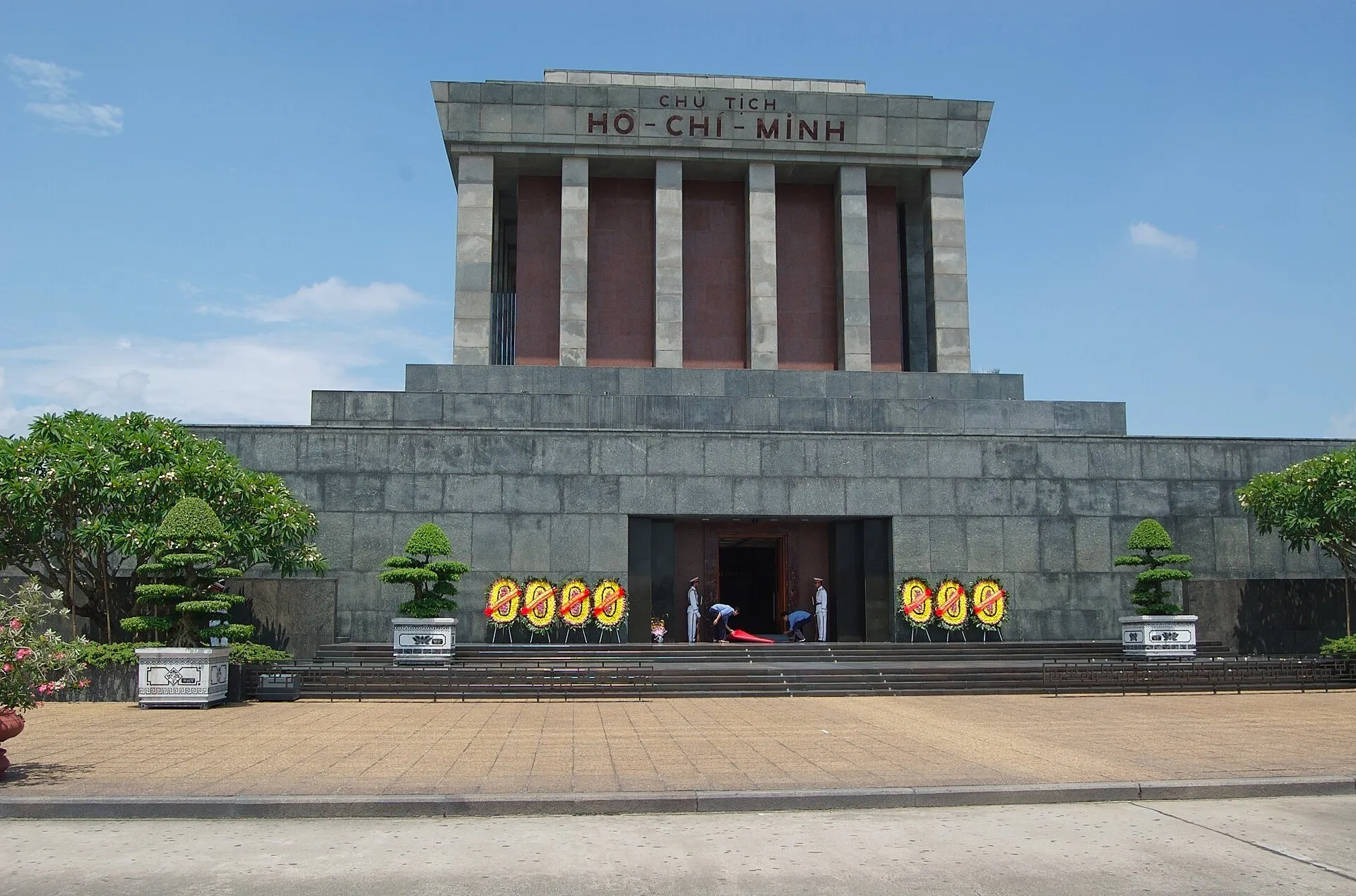 5
The Ba Dinh monument holds the preserved body of Ho Chi Minh; the inside visit depends on the ceremony and maintenance calendar.
View details for Ho Chi Minh Mausoleum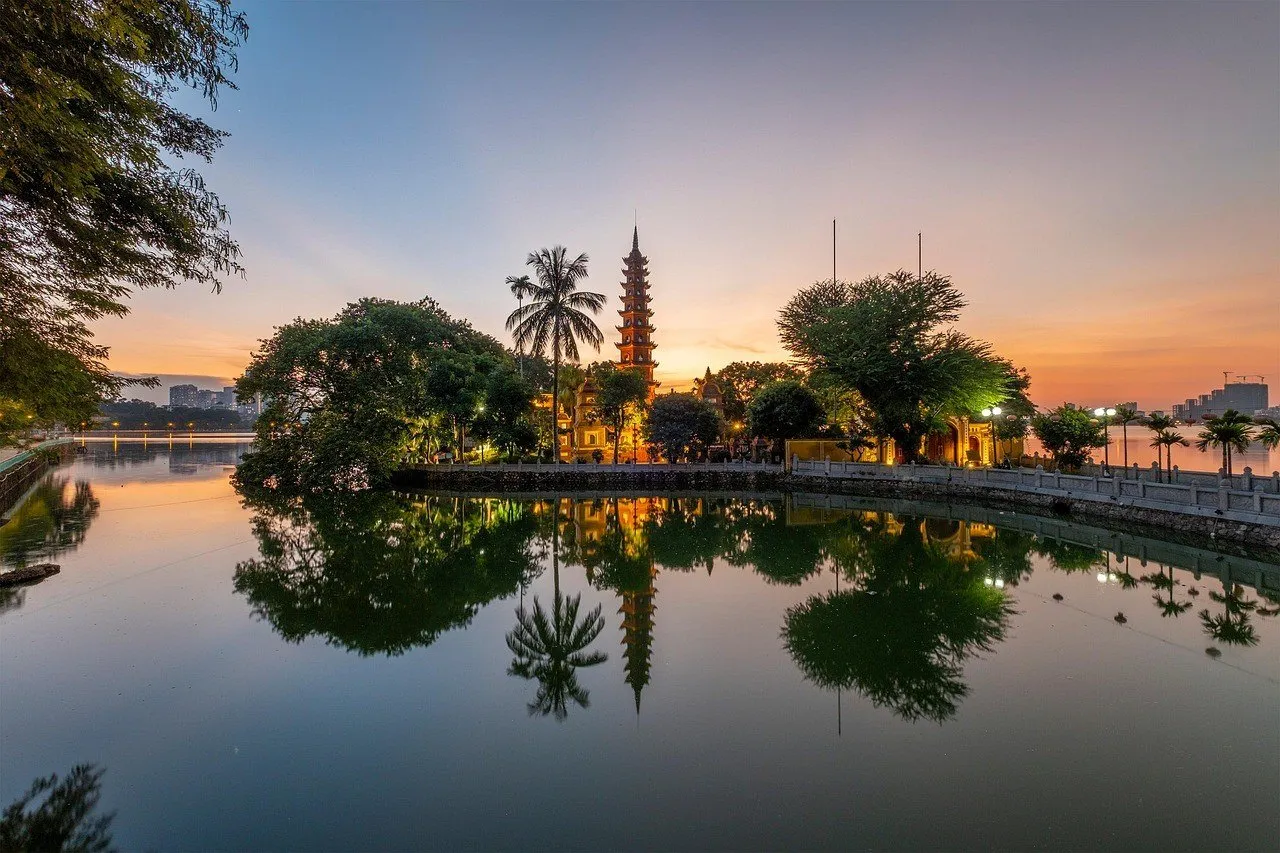 6
On a tree-lined stretch of West Lake, the Buddhist complex brings together a brick tower, courtyards and altars for a more contemplative pause in the itinerary.
View details for Tran Quoc Pagoda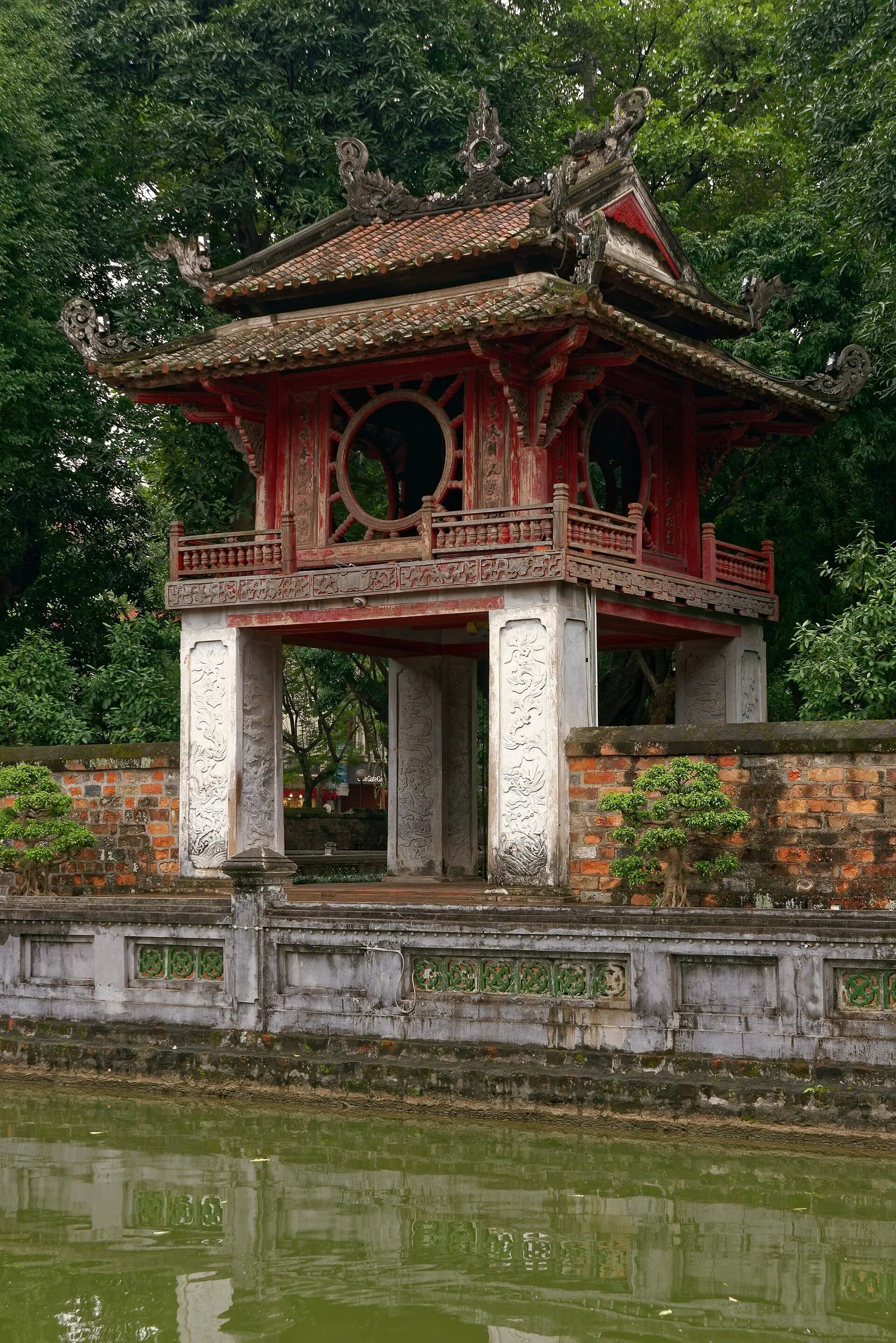 7
Courtyards, gardens and inscriptions honoring scholars link the Confucian temple to Hanoi's old imperial academy, the Quoc Tu Giam.
View details for Temple of Literature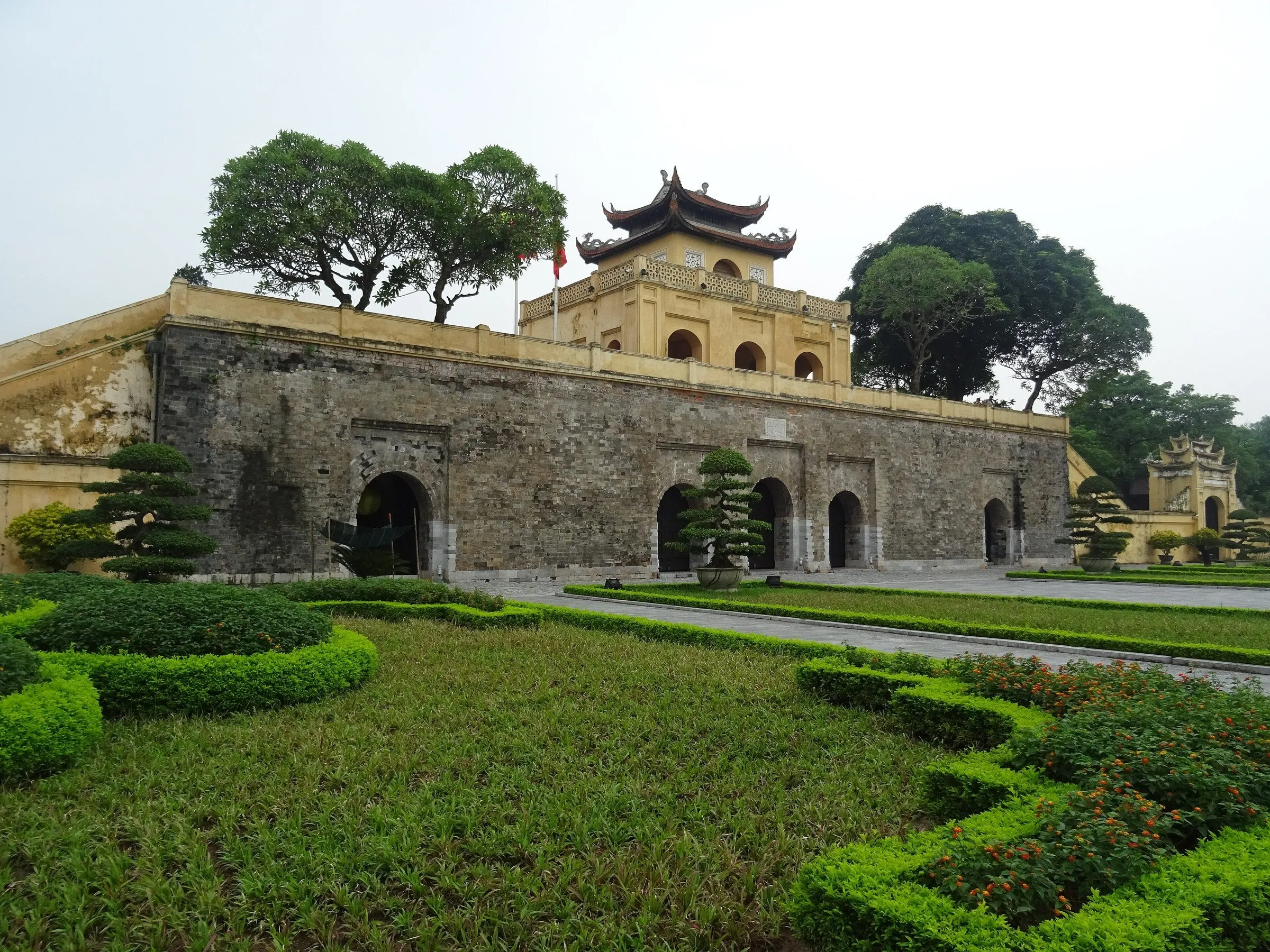 8
Gates, palace remains and archaeological areas show different layers of the old center of power, recognized as a World Heritage site.
View details for Imperial Citadel of Thang Long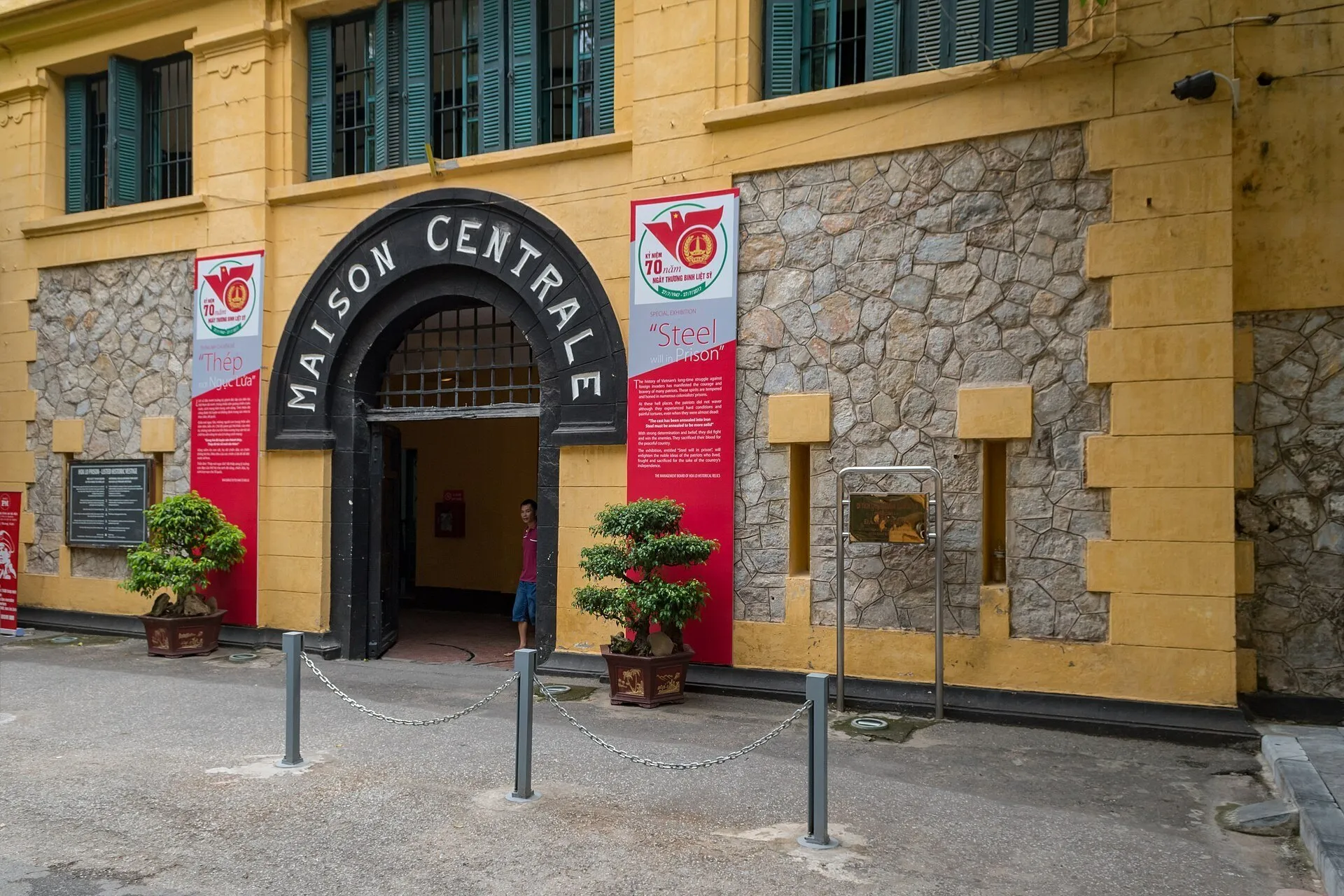 9
The preserved part of the prison presents colonial repression and the detention of American pilots: a dense visit about conflict and memory.
View details for Hoa Lo Prison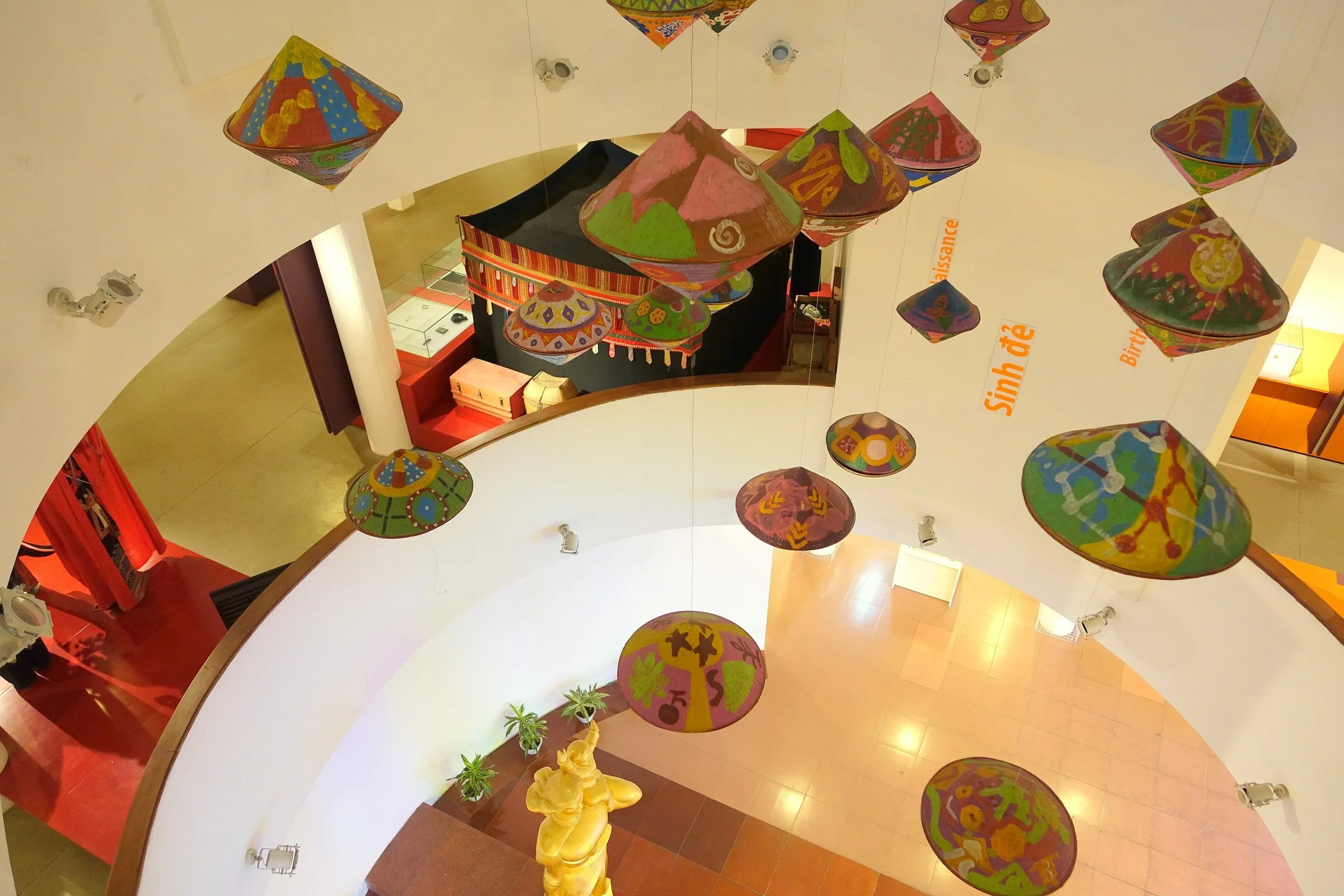 10
Objects, clothing and stories present women in the family, in history and in fashion, bringing the visit closer to individual lives and everyday work.
View details for Vietnamese Women's Museum1Before the shop windows and the horns, follow the shore of Hoan Kiem. The gardens welcome walkers and people exercising, while Turtle Tower stands alone in the water. The legend of the returned sword gives the lake its name; the tower, however, is something you admire from the shore.
Go for an early walk, with breaks on the benches, and save Ngoc Son for a visit of its own. The red bridge appears on the north side: it leads to the temple, not to the tower.
2The Huc Bridge makes plenty of people stop before going in. Beyond it, Ngoc Son occupies a tree-covered islet and gathers devotions to General Trần Hưng Đạo and to Văn Xương, associated with literature. The Pen Tower and the inkwell-shaped stand also celebrate writing.
Walk through the pavilions and watch the water between the rooftops. This is a religious space in active use: make way for worshippers and take photos without getting in the way of the visit.
3Hàng Bạc sells jewelry, Hàng Mã gathers decorations, and narrow houses rise above the shops. Pick a few streets instead of trying to tick off the whole neighborhood. In between, sit down for a coffee: watching the traffic flow helps you understand Hanoi.
Notice the open doors and the fabric displays. Crowded sidewalks demand attention, especially at corners. Keep the stroll separate from long shopping sessions, or your estimated arrival time for lunch will be quite creative.
4The curtain rises, but the floor is still water. At Thang Long, wooden puppets act out stories of the countryside, accompanied by musicians and singers. Puppeteers work behind a screen; hidden rods and strings move the characters across the surface.
You can follow the action through gestures, even without understanding Vietnamese. Arrive early to find your seat and read the available program. Pick a show before dinner, so you don't end up watching the clock alongside the puppets.
5The stone building facing Ba Dinh Square holds the preserved body of Ho Chi Minh. The way through the interior follows a ceremonial route, unlike the free visit to a museum. The exterior alone already helps you grasp the political importance of the complex.
As of October 26, 2026, the interior visit is suspended for maintenance, with a reopening announced for November 3, 2026. Until then, consider only the exterior where permitted. When visits are on, choose a morning when it is open and follow the guards' instructions.
6The water of West Lake appears behind the rooftops and the brick tower of Tran Quoc. The Buddhist complex occupies a small island connected to the shore, next to Thanh Nien Road. Courtyards and prayer spaces call for a slower pace.
Take in the architecture without treating the altars as a backdrop for poses. Afterward, enjoy a stretch of the shore. Walking all the way around the lake doesn't fit into this pause: save your legs for the Temple of Literature.
7Among gates and courtyards, you start noticing inscriptions and wooden details. Founded in 1070 and dedicated to Confucius, the temple gained the Quoc Tu Giam academy in 1076. The stelae of the doctors recall the importance of exams in public life.
Follow the gardens, the Khue Van Pavilion and the worship areas. The inscriptions call for observation, not touch. Set aside time to read instead of just collecting photos of the gateways.
8You won't find a complete palace waiting for the photo. The citadel is a reading of remains: gates, surviving structures and archaeological areas reveal successive occupations of the center of power. The central sector protected by UNESCO includes the archaeological site on Hoang Dieu Street.
Start with the panels to connect the fragments to the whole. That way, a building foundation stops looking like just an old floor. Bring water for the open areas and check which sectors are accessible.
9Walls and cells change the tone of the day. Built by the French to imprison Vietnamese people, Hoa Lo also held American pilots during the war. The museum occupies part of the complex and presents the official Vietnamese memory, a perspective to keep in mind as you read the panels.
There are depictions of suffering and punishment; consider the sensitivity of those traveling with you. Set aside time for the texts and a break afterward. The visit calls for attention, not squeezing each room between two phone messages.
10Clothing, photographs and everyday objects lift women out of history's footnotes. The permanent exhibitions organize the route into family, history and fashion, letting you see ceremonies, work and participation in conflicts through personal stories.
Read the stories attached to the pieces, in addition to looking at the fabrics. After Hoa Lo, the museum widens your view of Vietnamese society. To visit without rushing, cut back the citadel in the morning and keep this block for the afternoon.
Walk in the Hoan Kiem and Old Quarter core and use a ride-hailing car or a marked taxi for the longer links. Check the plate and destination; leave slack for traffic.
Look for marked crossings and watch for motorbikes on the sidewalk too. Put your phone away when crossing and keep your bag and camera close to your body, away from the road.
Wear respectful clothing and follow the temples' guidance. Worshippers are not extras: wait for a clear path before taking photos and respect reserved areas.
Carry dong in smaller notes for cafés and stalls. Cards help with bigger expenses; check your bank's fees and exchange money at authorized businesses.
Summer is hot and humid; winter can be cool and drizzly. Bring rain protection and adapt your walks to the forecast.
Hanoi calls for meals spread through the day, with room between the soup and the egg coffee. In the Old Quarter, you find places devoted to just a few dishes; read the menu and confirm ingredients if you have restrictions. The next bowl doesn't have to turn into a contest with the last one.
Rice noodle soup with beef or chicken; start by tasting the broth before adjusting the lime and condiments.
Grilled pork, rice noodles, herbs and diluted fish sauce; a good choice for lunch.
Fish seasoned with turmeric, served with dill, rice noodles and sides you combine at the table.
Strong coffee under a sweet egg foam: the break gains the texture of dessert, and the spoon starts to make sense.
We use cookies and similar technologies, such as Google Analytics, in accordance with our Privacy Policy and, by continuing to browse, you agree to these terms. You can decline at any time in the policy.