 1
Religion and art
Hagia Sophia
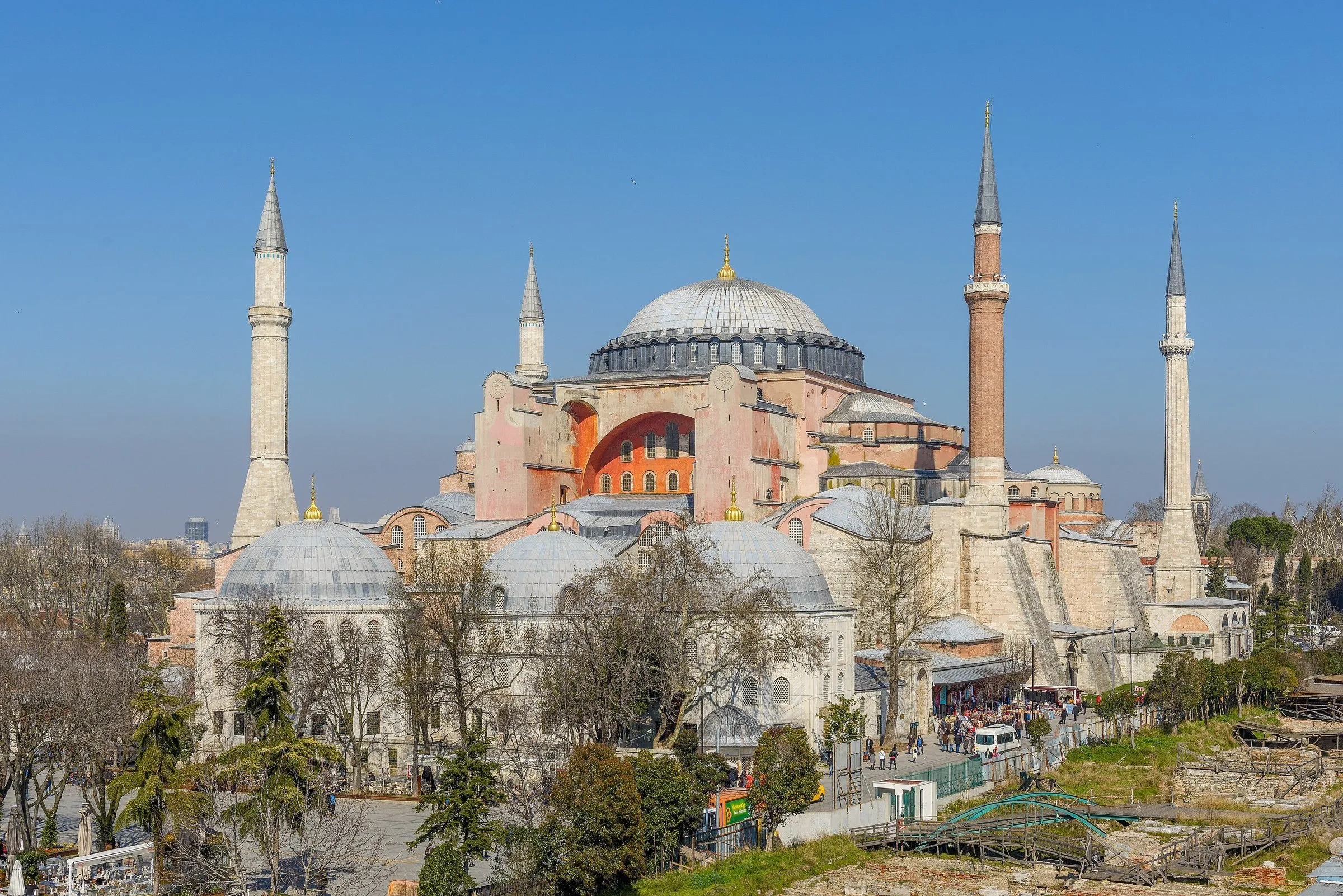
A Byzantine basilica inaugurated in 537 and a mosque since 2020. Foreign tourists visit the upper gallery, with its mosaics, through a separate paid entrance.
View details for Hagia Sophia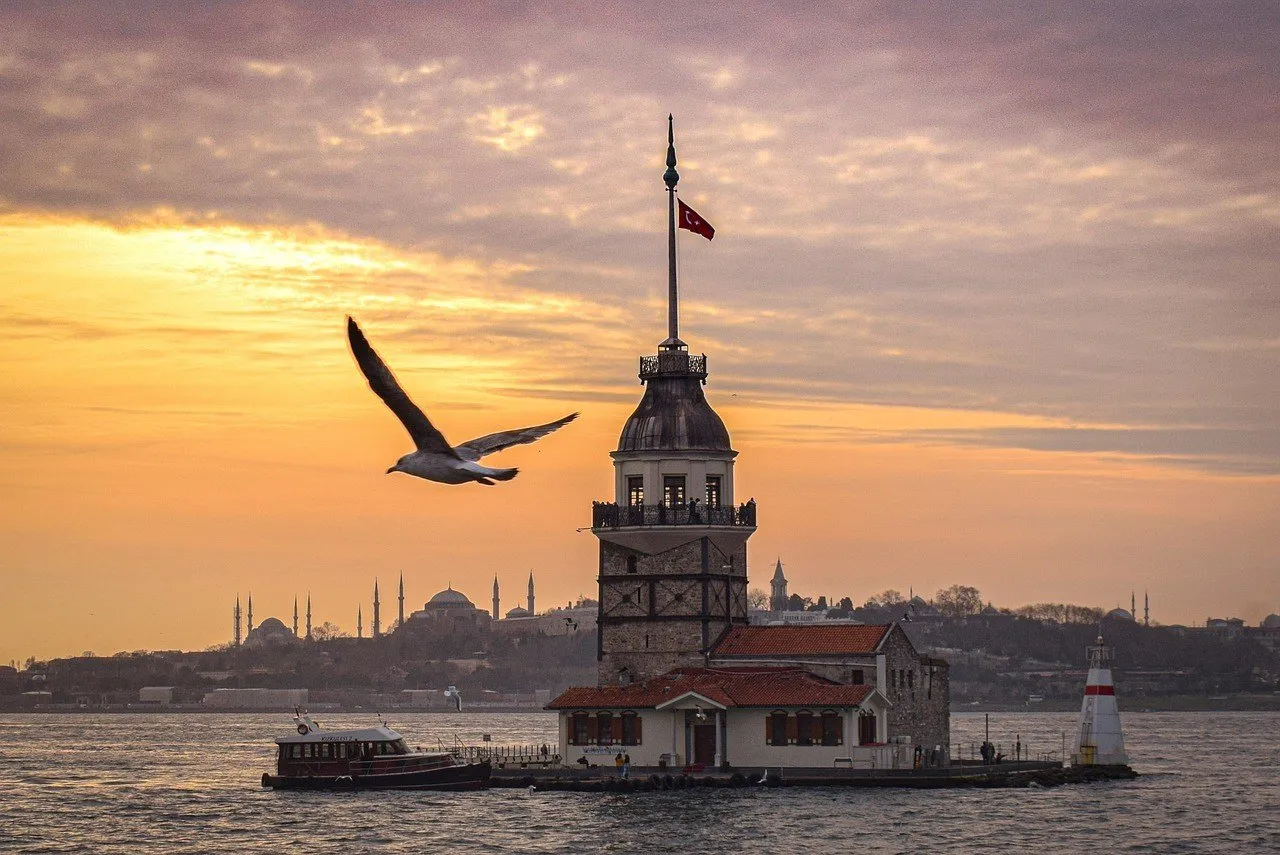
On the ferry between Karaköy and Kadıköy, the onboard waiter comes by with tea in a little glass, and in about 20 minutes you change continents without ever putting the glass down.
In Istanbul, the daily routine for a lot of people includes crossing an arm of the sea. The Bosphorus runs through the city from north to south for about 31 kilometers, and roughly two thirds of the more than 15 million residents live on the European side. The rest wake up in Asia and cross by ferry, over one of the three bridges, or by the train that runs through a tunnel under the strait. For visitors, that becomes an activity in itself: the cheapest crossing in the city is also one of the best outings.
The old part sits on the Historic Peninsula, where Hagia Sophia, the Blue Mosque and Topkapı Palace are a few minutes' walk from one another. The city has been Byzantium and Constantinople, became a Roman capital in 330 and an Ottoman one in 1453, and the name Istanbul only became official in 1930. Across the Golden Horn lie Galata and Beyoğlu, with steep streets, bars and İstiklal Avenue. On the Asian shore, Kadıköy and Üsküdar show an Istanbul that is a little less posed for the camera.
Three days cover the essentials without rushing: one for the peninsula, another for the bazaars, Süleymaniye and Galata, and the third for crossing the Bosphorus. Pack a scarf, because several of the most beautiful visits take place inside working mosques, with schedules built around prayer times. And save room for the morning simit, the fish sandwich on the quay and the little glasses of tea that show up all day long.
The name Istanbul only became official in 1930. The most widely accepted explanation is that it comes from a medieval Greek expression meaning something like "to the city".
Since 2013, the 13.5-kilometer Marmaray rail tunnel has run beneath the Bosphorus: it was the first rail link between the European and Asian parts of Turkey.
Turks are the world's biggest tea drinkers per person, at more than 3 kilograms a year, and almost all of it comes from Rize province on the Black Sea coast.
One study suggests simit has been made in Istanbul since 1525. In 1593, the weight and price of the bread ring were standardized in Üsküdar, on the Asian side.
The Tünel, an underground line linking Karaköy to İstiklal Avenue, opened in 1875 and still carries passengers up the hill.
1A Byzantine basilica inaugurated in 537 and a mosque since 2020. Foreign tourists visit the upper gallery, with its mosaics, through a separate paid entrance.
View details for Hagia Sophia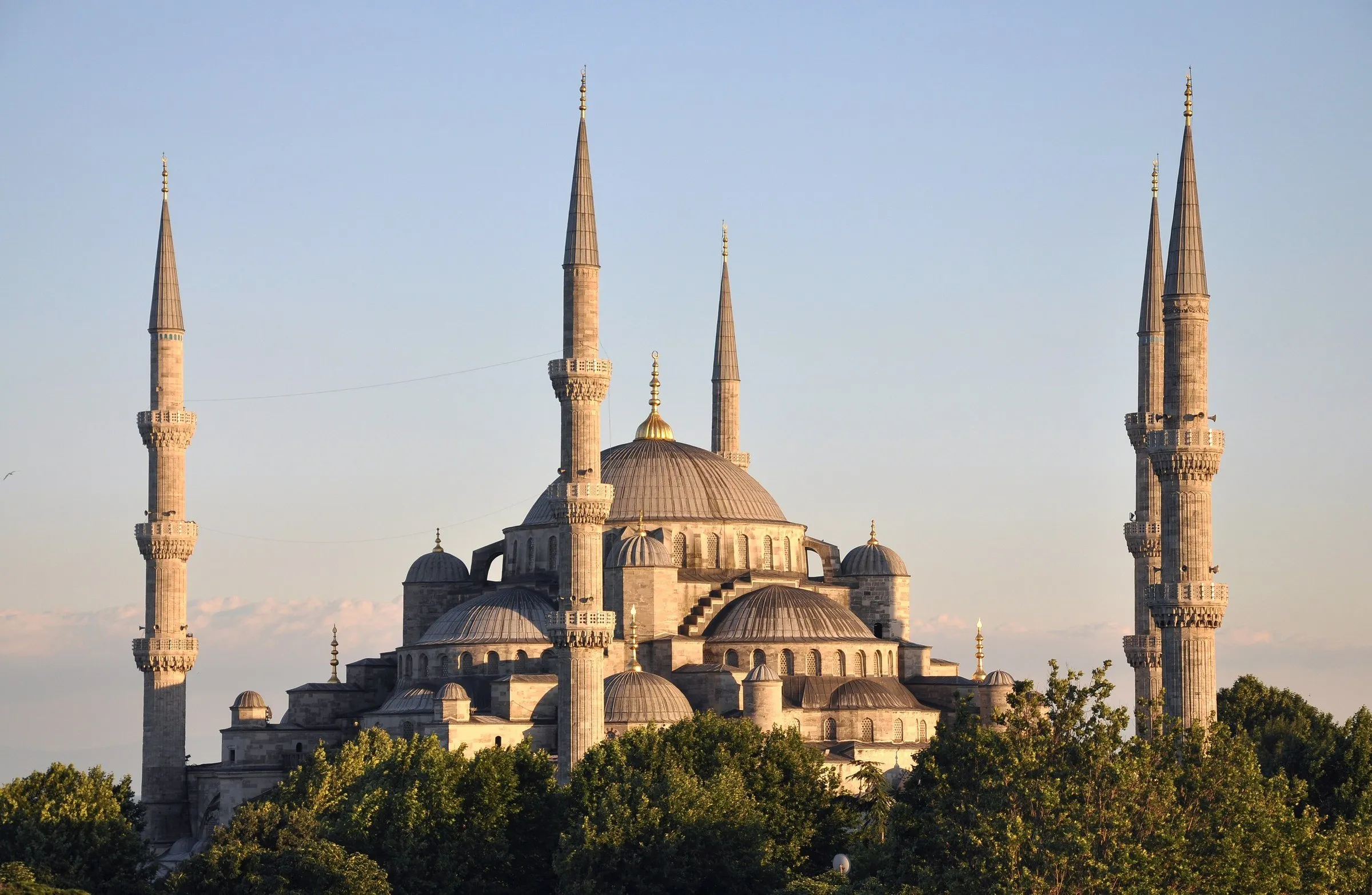 2
The Sultan Ahmed Mosque, from the early 17th century, has six minarets and more than 21,000 İznik tiles. It is still active and welcomes visitors outside prayer times.
View details for Blue Mosque (Sultan Ahmed Mosque)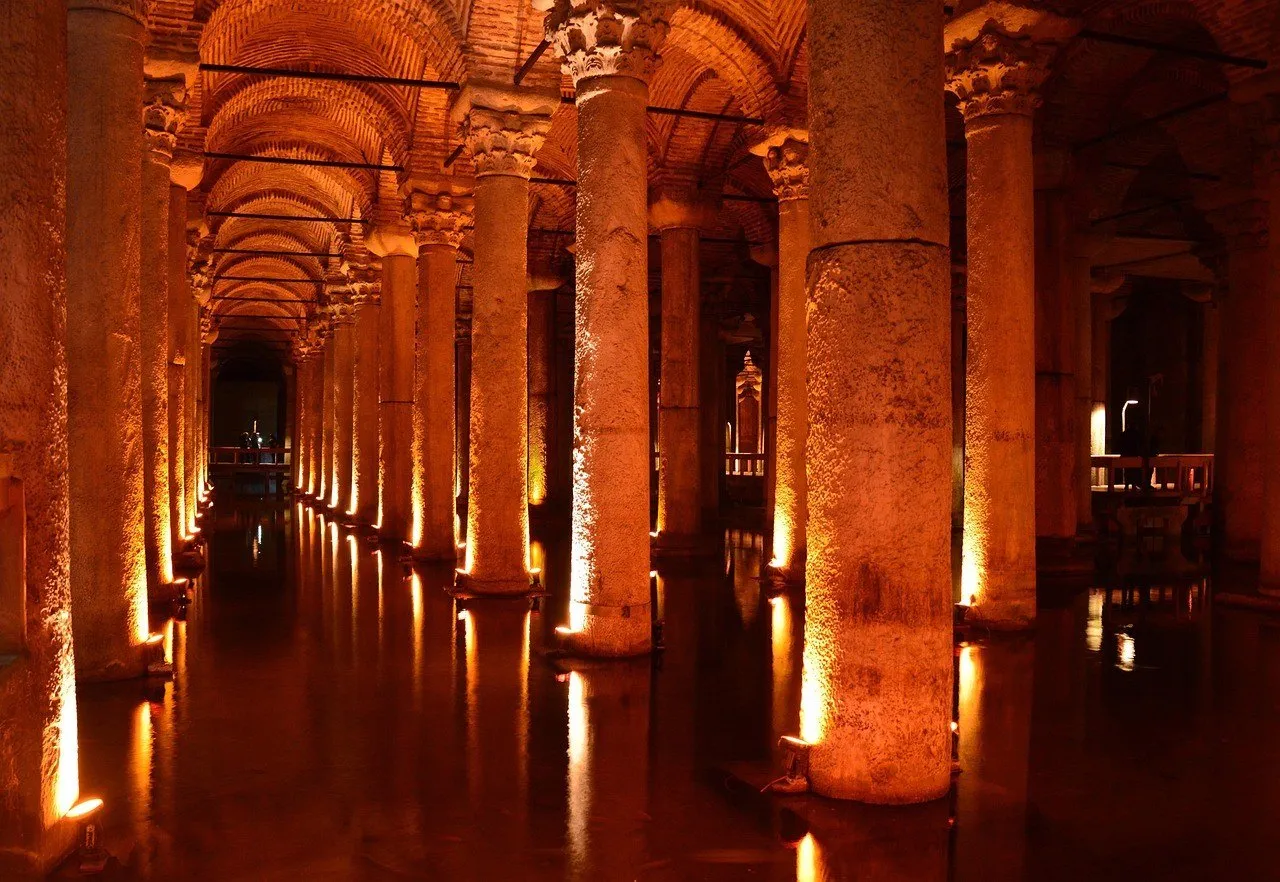 3
A 6th-century underground reservoir, with 336 marble columns lined up above the water and two Medusa heads serving as column bases.
View details for Basilica Cistern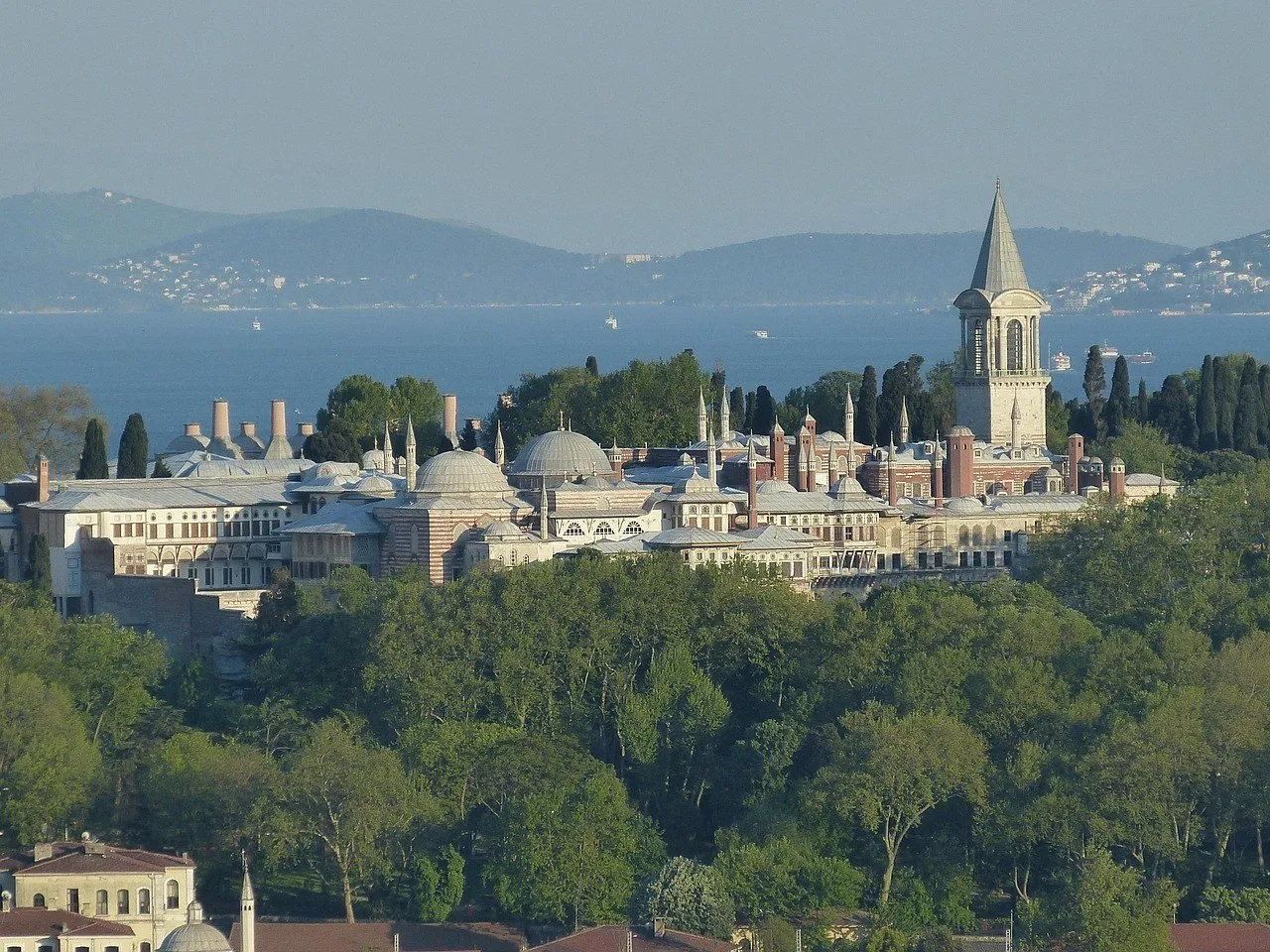 4
The seat of Ottoman power for almost four centuries, with a sequence of courtyards, a Harem of more than 400 rooms and a treasury that includes the Spoonmaker's Diamond.
View details for Topkapı Palace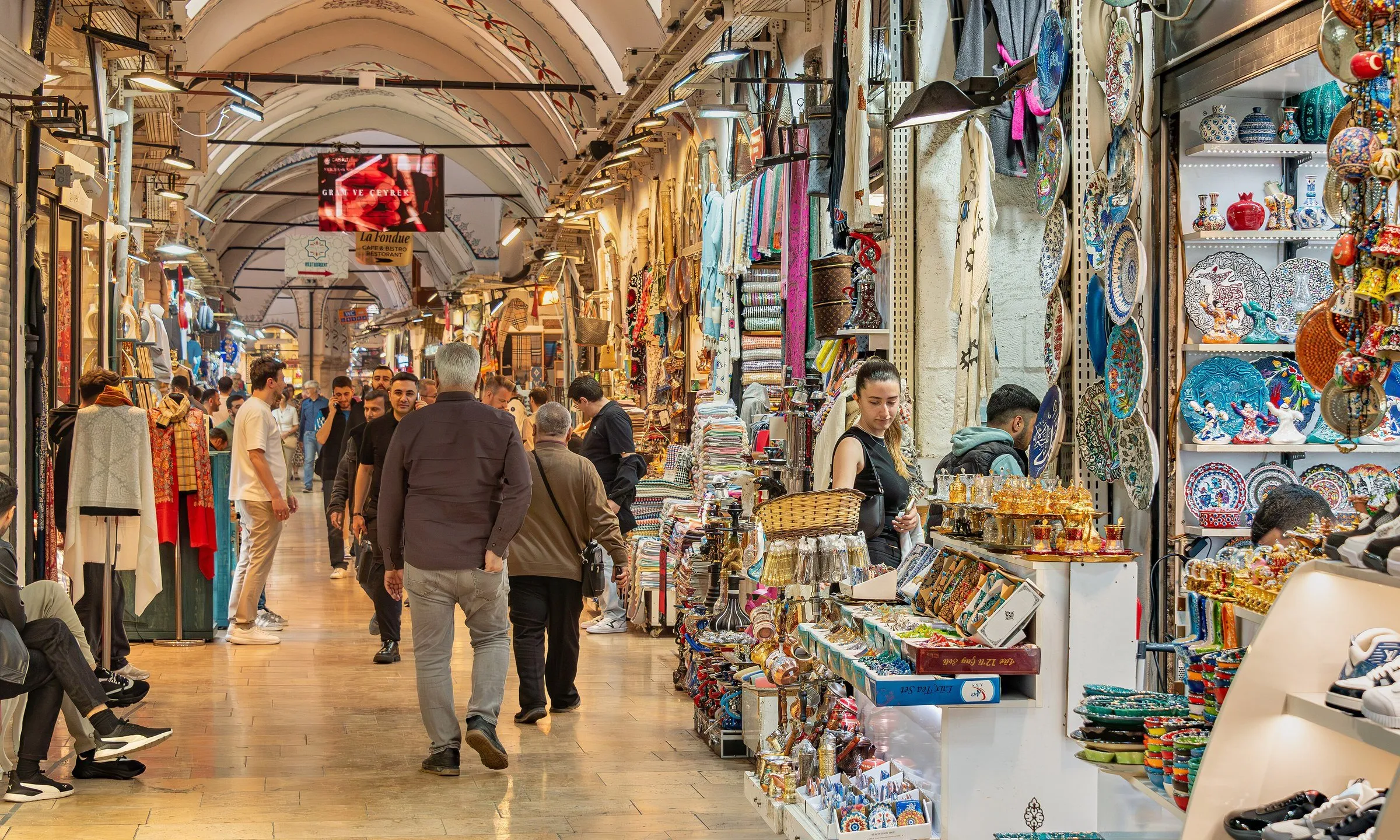 5
A covered market begun in 1455 by Mehmed II, with about 61 streets and a few thousand shops. It closes on Sundays and holidays.
View details for Grand Bazaar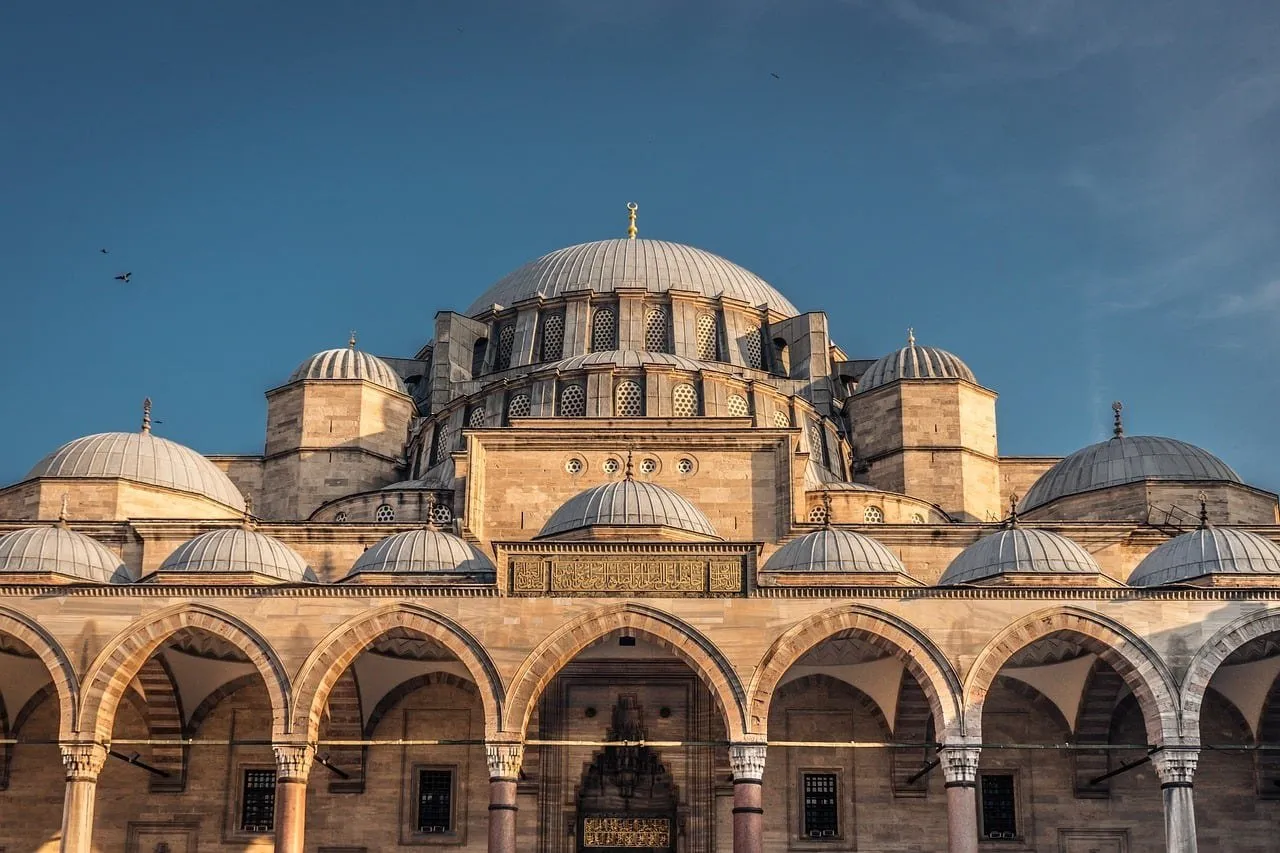 6
A design by Mimar Sinan for Suleiman the Magnificent, inaugurated in 1557 on top of a hill, with the sultan's tomb and an open view of the Golden Horn.
View details for Süleymaniye Mosque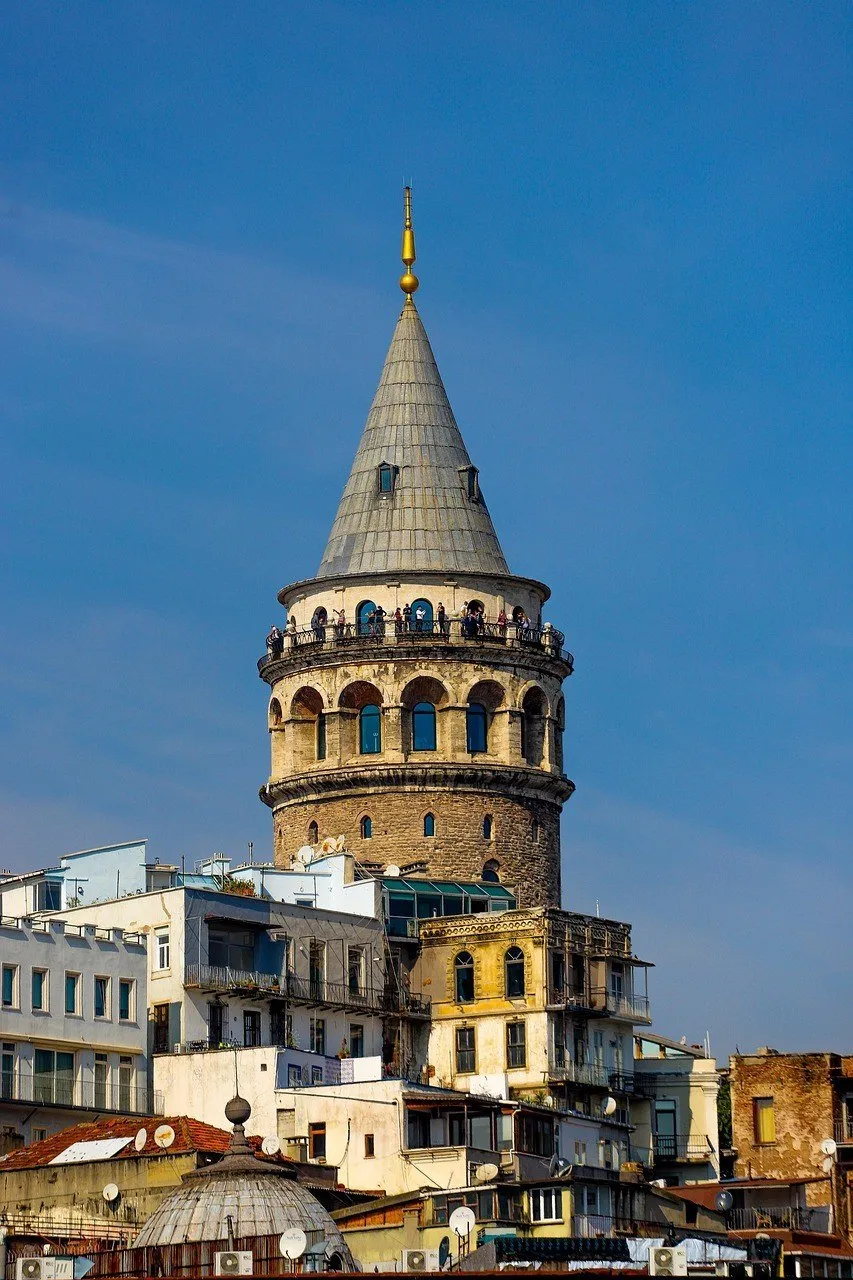 7
A Genoese tower from 1348, about 63 meters tall, with a circular balcony some 52 meters up that looks over the peninsula, the Golden Horn and the Bosphorus.
View details for Galata Tower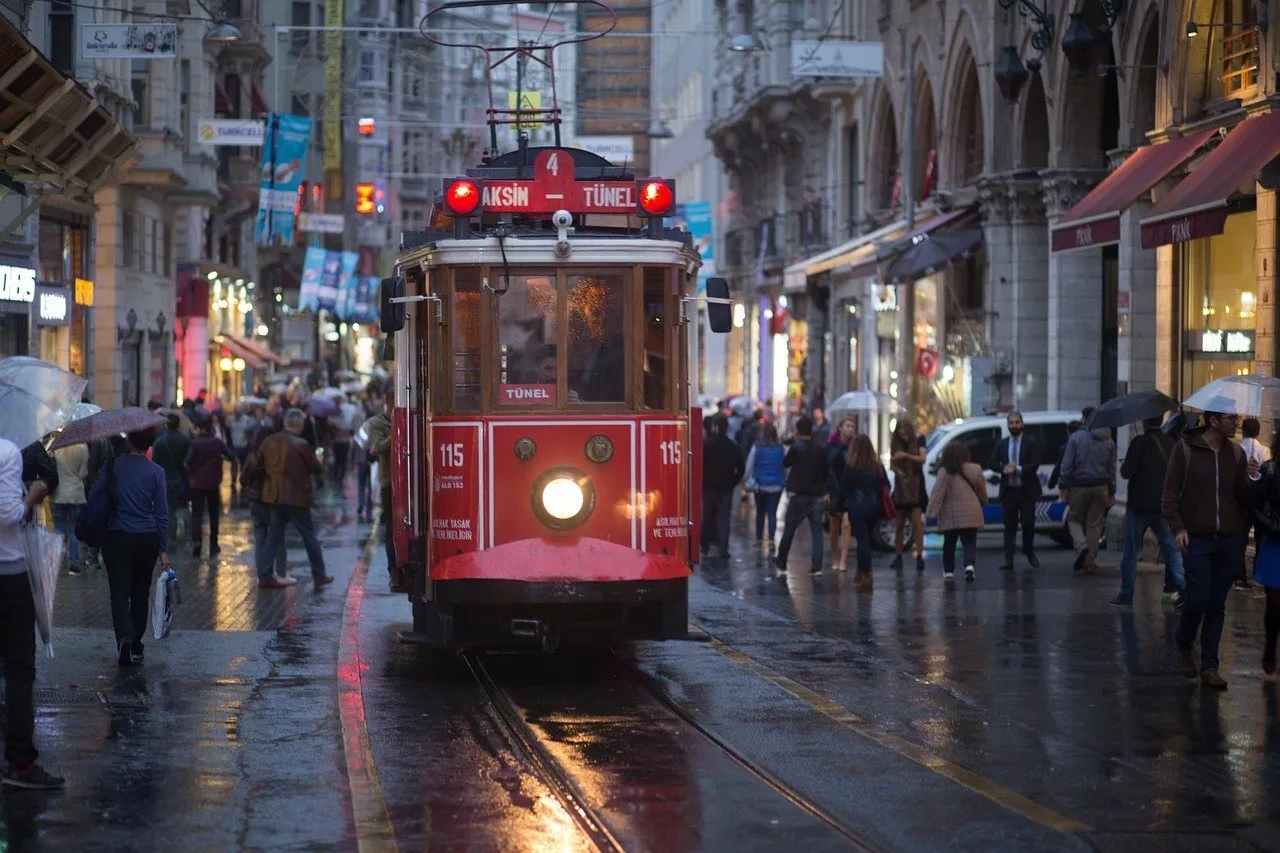 8
Beyoğlu's pedestrian street between Tünel Square and Taksim Square, with a nostalgic tram, the Galatasaray high school and the meyhanes of Çiçek Pasajı at night.
View details for İstiklal Avenue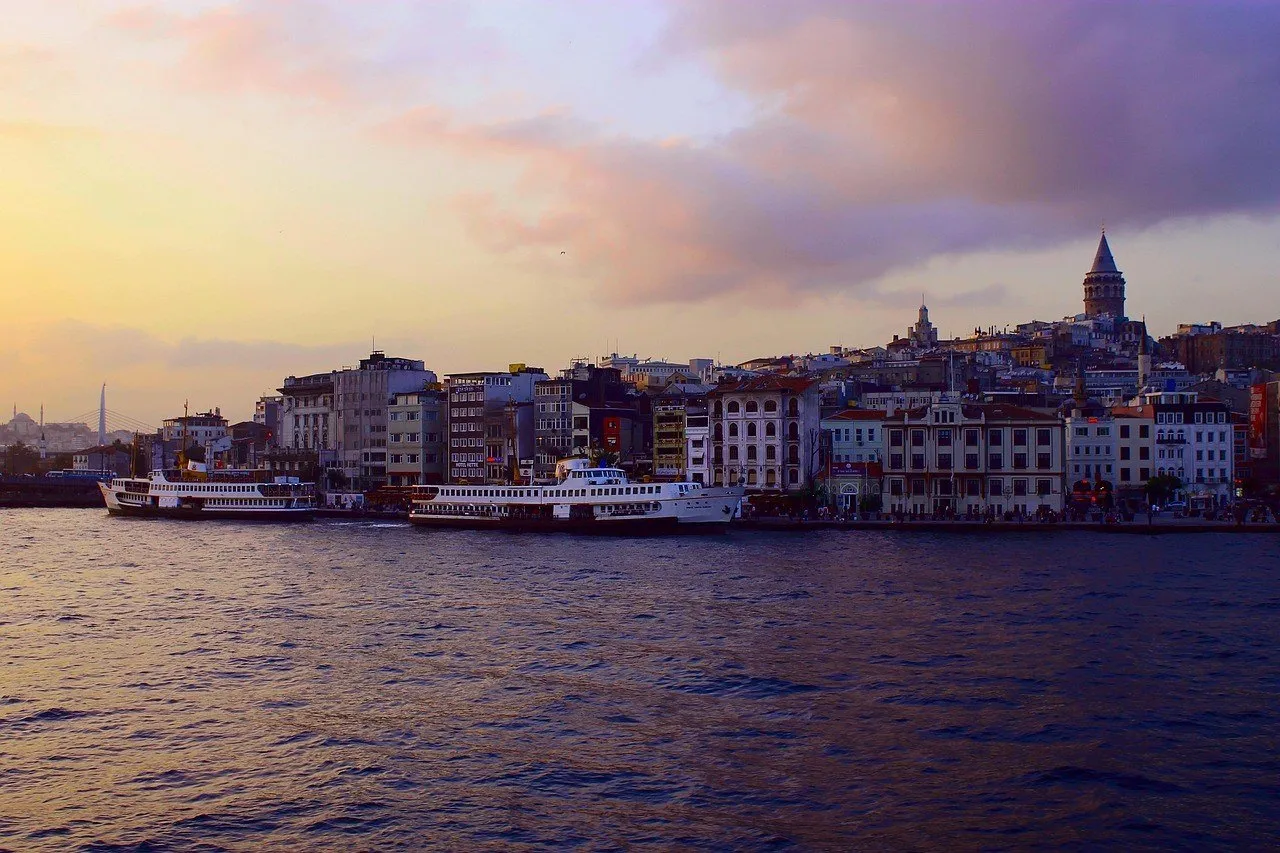 9
The municipal ferries cross the strait several times an hour: the simplest and cheapest way to see palaces, bridges and both shores of the city.
View details for Bosphorus Ferry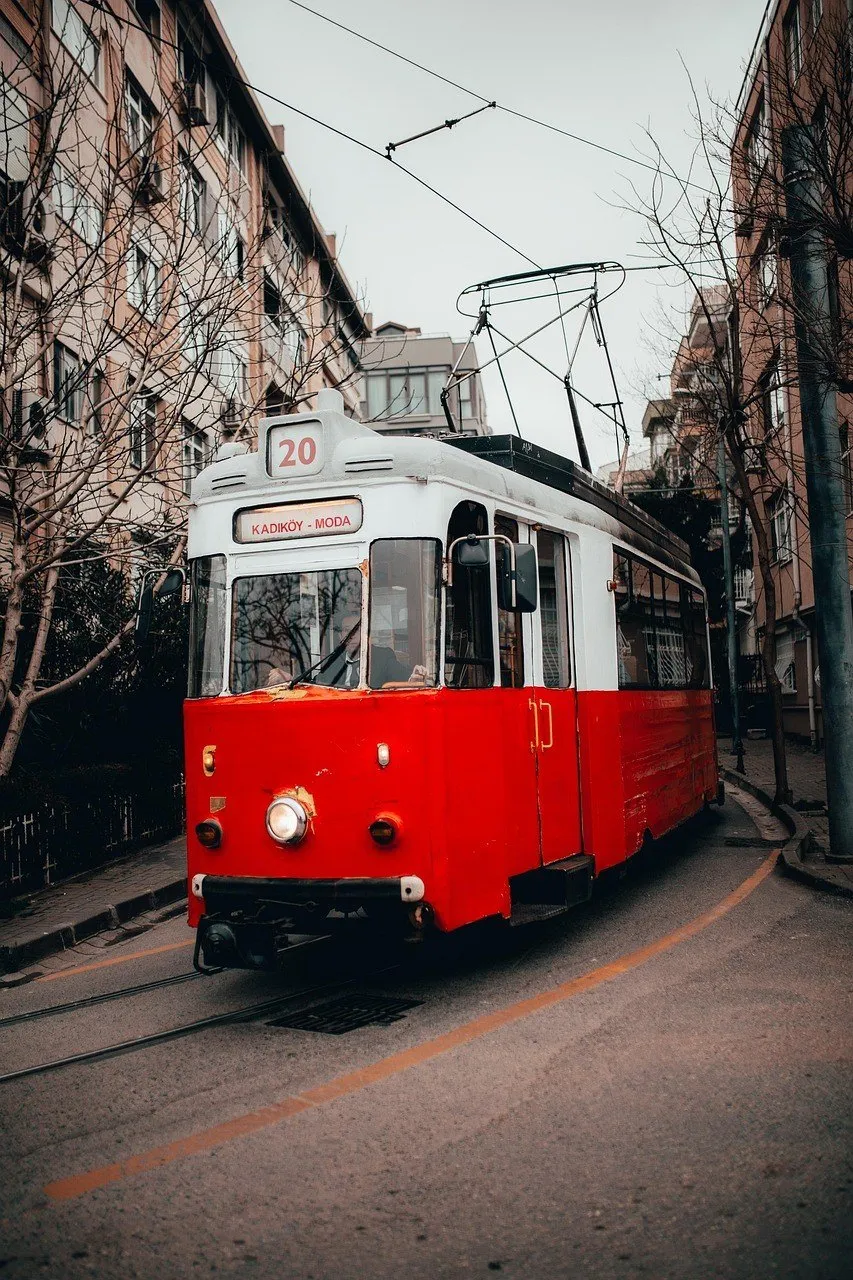 10
The heart of the Asian side: a street market with fish, pickles and cheeses by the pier and a seaside walk to the Moda neighborhood.
View details for Kadıköy and Moda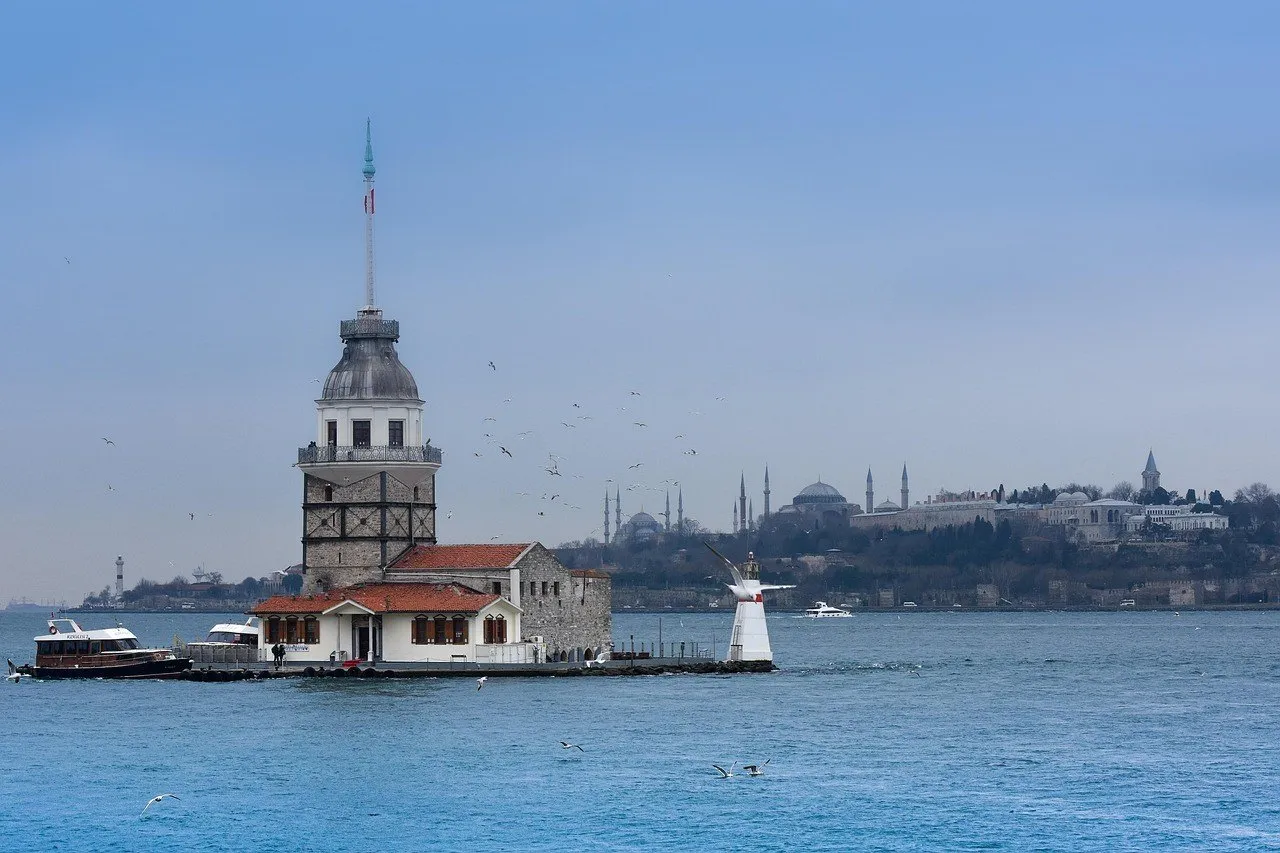 11
An Asian-side neighborhood with mosques by Mimar Sinan next to the pier and a waterfront, in Salacak, facing the Maiden's Tower and the skyline of the peninsula.
View details for Üsküdar and Salacak1Justinian had the current Hagia Sophia built, inaugurated in 537, and it was a church for more than nine centuries. In 1453 it became a mosque, in 1935 it reopened as a museum and, in 2020, it became a mosque again. The dome sits about 55 meters (180 feet) above the floor, and your neck will notice.
The ground floor is reserved for prayer. Foreign visitors buy a ticket for the upper gallery, where the Byzantine mosaics are, such as the Deësis and the imperial portraits. The tourist entrance is on the south side, near the Fountain of Ahmed III, and the way up is an old, uneven ramp. Shoulders and knees covered for everyone; hair covered for women.
2Built between 1609 and 1617 by the architect Sedefkâr Mehmed Ağa, the Sultan Ahmed Mosque got its nickname from its decoration: more than 21,000 İznik tiles and paintings in which blue dominates. A popular story says the architect heard "golden minarets" (altın) as "six minarets" (altı); historians treat this as a legend, but all six are there.
After a long restoration, it reopened in 2023. Because it is a mosque in use, visits stop for the five daily prayers and, on Fridays, during the midday prayer. Visitors enter through the south gate, take off their shoes and are given a plastic bag to carry them in.
3Go down a few steps from the street and the low light reveals 336 columns about 9 meters (30 feet) tall, in 12 rows of 28. The cistern was built in Justinian's time, measures about 138 by 65 meters and could hold up to 80,000 cubic meters of water.
In the northwest corner, two columns rest on blocks carved with the face of Medusa, of unknown origin. The place has appeared in "From Russia with Love" (1963) and in Dan Brown's "Inferno", and it reopened in 2022 after a restoration.
4Mehmed II began the palace in 1459, six years after taking Constantinople, on the point where the Bosphorus meets the Sea of Marmara and the Golden Horn. From there the sultans ruled until the court moved to Dolmabahçe in the mid-19th century. In 1924, a decree turned the complex into a museum.
The visit is a sequence of courtyards, each more private than the last. The Harem, where the sultan's mother, wives and children lived, had more than 400 rooms. In the Treasury, the crowd gathers in front of the Spoonmaker's Diamond and the Topkapı Dagger.
5Construction began in the winter of 1455 to 1456, under Mehmed II, and the core, the Cevahir Bedesten, was finished around 1461. After fires and earthquakes, the bazaar grew to about 61 covered streets and somewhere between 3,000 and 4,000 shops, where around 26,000 people work.
The strategy is to accept that you will get lost. Pick a main street as a reference, wander into the side passages without hurry and ask the price in more than one shop before deciding. If a shopkeeper offers you tea, accepting is a courtesy and does not oblige anyone to buy.
6Away from Sultanahmet Square, the Süleymaniye occupies the Third Hill and was designed by Mimar Sinan, the imperial architect, for Suleiman the Magnificent. The inscription marks the foundation in 1550 and the opening in 1557, and the central dome reaches about 53 meters (175 feet).
The mosque was the center of a complex with schools, a public kitchen, a hospital, baths and shops. In the walled cemetery lie the mausoleums of Suleiman and of Hürrem, his wife; Sinan's tomb is just outside the walls, to the north. From the terrace, the Golden Horn makes up for the climb.
7The Genoese raised the tower in 1348, when they expanded the colony they kept in Galata, and called it the Tower of Christ. It served as a lookout post, a fire-watching station and a prison, and it is what remains of the neighborhood's medieval citadel, almost entirely demolished in the 19th century.
The balcony, at about 52 meters, wraps all the way around: domes of the peninsula on one side, the Asian shore on the other. Tradition says that in 1638 Hezarfen Ahmed Çelebi jumped from here and flew across the Bosphorus. Historians doubt it, but it is hard to look out from up there without picturing the scene.
8It is about 1.4 kilometers of pedestrian street between Tünel Square, at the top of Galata, and Taksim Square. In Ottoman times it was the Grande Rue de Pera; the name İstiklal, "independence", came in 1923. To skip the climb from Karaköy, take the Tünel, from 1875.
The nostalgic tram runs the whole route and makes for a photo at every pass. Halfway along, Galatasaray Square is home to the country's oldest high school, and farther on stands the Catholic church of St. Anthony of Padua. At night the crowd moves to the meyhanes, houses of small plates and drinks, of Çiçek Pasajı and Nevizade Street.
9The Bosphorus is about 31 kilometers long and, at its narrowest point, the shores are some 700 meters apart. Three bridges and two tunnels cross the water, but the classic way is still the vapur, the municipal ferry of Şehir Hatları, which makes almost 900 trips a day between 53 piers. It is an ordinary commuter ferry, except that you step off on another continent.
To start, take the regular line from Eminönü or Karaköy to Kadıköy: about 20 minutes, paid with the Istanbulkart. If you want more, you can sail up the strait on the excursions that leave from Eminönü, passing palaces such as Dolmabahçe and the Rumeli Hisarı fortress, from 1451.
10Step off the ferry, walk past the bull statue, the neighborhood's meeting point, and head into the market around Güneşlibahçe Street. The stalls sell fresh fish, cheeses, spices, dried fruit, pickles of every kind and even turşu suyu, the pickle brine. You can choose lunch by smell.
From there, about 15 minutes on foot lead to the Moda promenade, flat, with tea houses and ice cream shops facing the sea. On the way, Bahariye Street is home to the Süreyya Opera House, from 1927, and a historic tram links central Kadıköy to Moda. On Friday and Saturday nights, Kadife Sokak, the street of bars, fills up with locals.
11Colonists from Megara founded the city of Chrysopolis here in the 7th century BCE. Today Üsküdar is a neighborhood with a strong religious tradition and many historic mosques. Two of them, designed by Sinan, stand by the pier: the Mihrimah Sultan Mosque, commissioned by a daughter of Suleiman, and the small Şemsi Pasha Mosque, with a library in its courtyard.
In the late afternoon, follow the waterfront to Salacak. The Maiden's Tower appears on a small islet near the shore and, behind it, the sun sets over the domes and minarets of the peninsula. If you still have energy, you can climb Çamlıca Hill, the highest point in the city.
The Istanbulkart works on the metro, trams, buses and ferries. Load one as soon as you arrive: it is what pays for the Bosphorus crossing.
Shoulders and knees covered for everyone and hair covered for women. Shoes come off at the entrance and go in a plastic bag. Scarves are usually available, but bringing your own is more comfortable.
Mosques close to tourists during the five daily prayers, and for longer on Friday around noon. The times change through the year: check on the day.
Inflation in Turkey has been very high in recent years, and prices in lira change quickly. Carry some cash for markets and neighborhood ferries, and leave a 5% to 10% tip in restaurants.
Summer is hot and muggy; winter brings a lot of rain, overcast skies and even snow on some days. Spring and autumn are the most pleasant seasons for walking.
Istanbul Airport is far from the center, on the European side, and is served by the M11 metro line. If you arrive at Sabiha Gökçen, you land on the Asian side.
In Istanbul you eat on the move, on the quay and at the table for hours. The city has a long tradition of fish restaurants, with a whole street of them in Kumkapı, and the meyhanes of Beyoğlu serve tables full of small plates to share. Kebab arrived with migrants from the southeast of the country starting in the 1960s and became part of the landscape. Between one meal and the next, a little glass of tea always turns up.
A ring of bread covered in sesame seeds, sold from carts with the cry of "taze simit" (fresh simit). With tea, it is many people's breakfast.
A fillet of fish, usually mackerel, grilled or fried and served in bread with salad. In Eminönü, it comes straight from the boats where it is prepared.
Strong black tea, served in tulip-shaped glasses. Everyone adjusts the strength with hot water from the double teapot.
Very finely ground coffee prepared slowly over heat, with water and sugar, served in a small cup with a glass of water. The grounds left at the bottom are used to read fortunes.
We use cookies and similar technologies, such as Google Analytics, in accordance with our Privacy Policy and, by continuing to browse, you agree to these terms. You can decline at any time in the policy.