 1
History
Gyeongbokgung
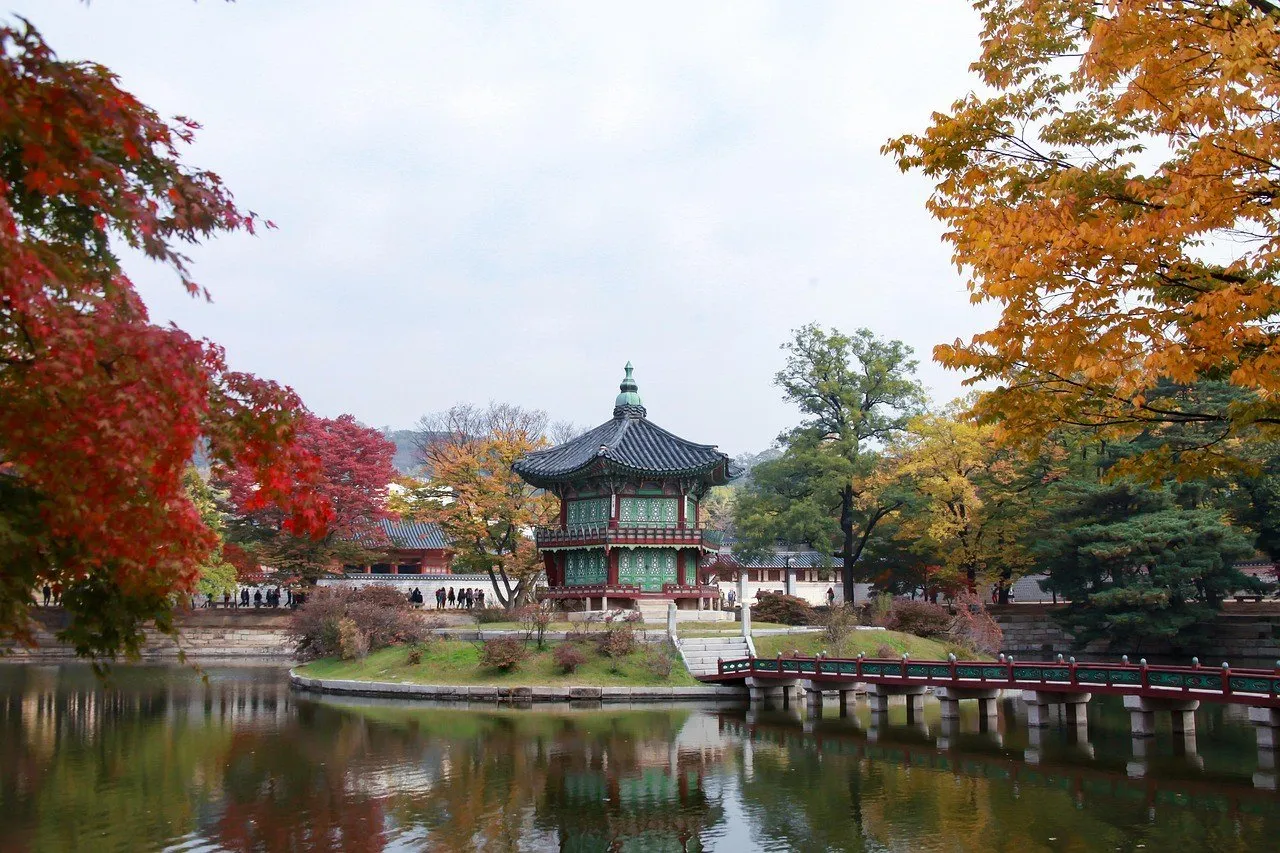
Wide courtyards, ceremonial gates and pavilions introduce the main palace of the Joseon dynasty; a good first lesson in looking at Seoul's royal architecture.
View details for Gyeongbokgung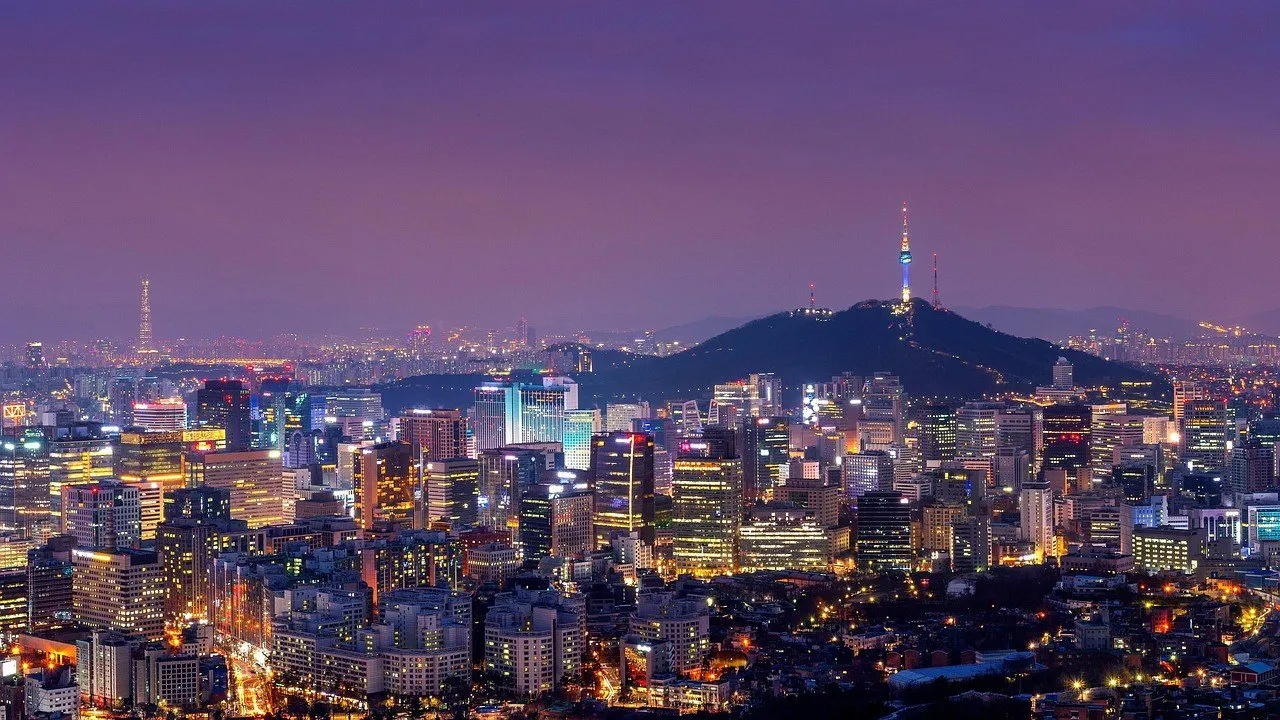
In Seoul, pancakes sizzle at Gwangjang Market, the rooftops of Bukchon climb the hill and Namsan Tower helps you get your bearings, once the map has given up trying to fit on your screen.
A griddle full of browning pancakes, a row of curved rooftops, someone rehearsing a dance routine in Hongdae: Seoul keeps changing the subject on your walk. In the palaces, you learn to look at courtyards and gates; in the markets, you learn to point at your neighbor's plate. The South Korean capital rewards you far more when you accept these pauses than when you try to turn the subway into a transfer competition.
Start in Jongno, where Gyeongbokgung, Bukchon and Insadong make for a day with plenty of walking. Set another day aside for Changdeokgung and the eastern part of downtown. The National Museum, Namsan and Hongdae fill the last day, with trips by public transit in between. The itinerary below suggests a pace; reserved time slots and closing days matter more than the numbering. If you want to spend a whole afternoon in the museum, add a day: the ceramics shouldn't have to compete with the last train.
Bukchon sits between Gyeongbokgung and Changdeokgung and is still a living neighborhood: the life behind those doors is not an attraction available for photos.
Cheonggyecheon came back to the surface after an elevated highway was removed; the walk is the product of downtown's transformation, not of an untouched stream.
At Changdeokgung, the palace follows the terrain: the landscape takes part in the architecture instead of serving only as a backdrop.
At the National Museum, sculptures of pensive bodhisattvas share the Room of Contemplation; comparing their postures helps you slow down after the subway.
1Wide courtyards, ceremonial gates and pavilions introduce the main palace of the Joseon dynasty; a good first lesson in looking at Seoul's royal architecture.
View details for Gyeongbokgung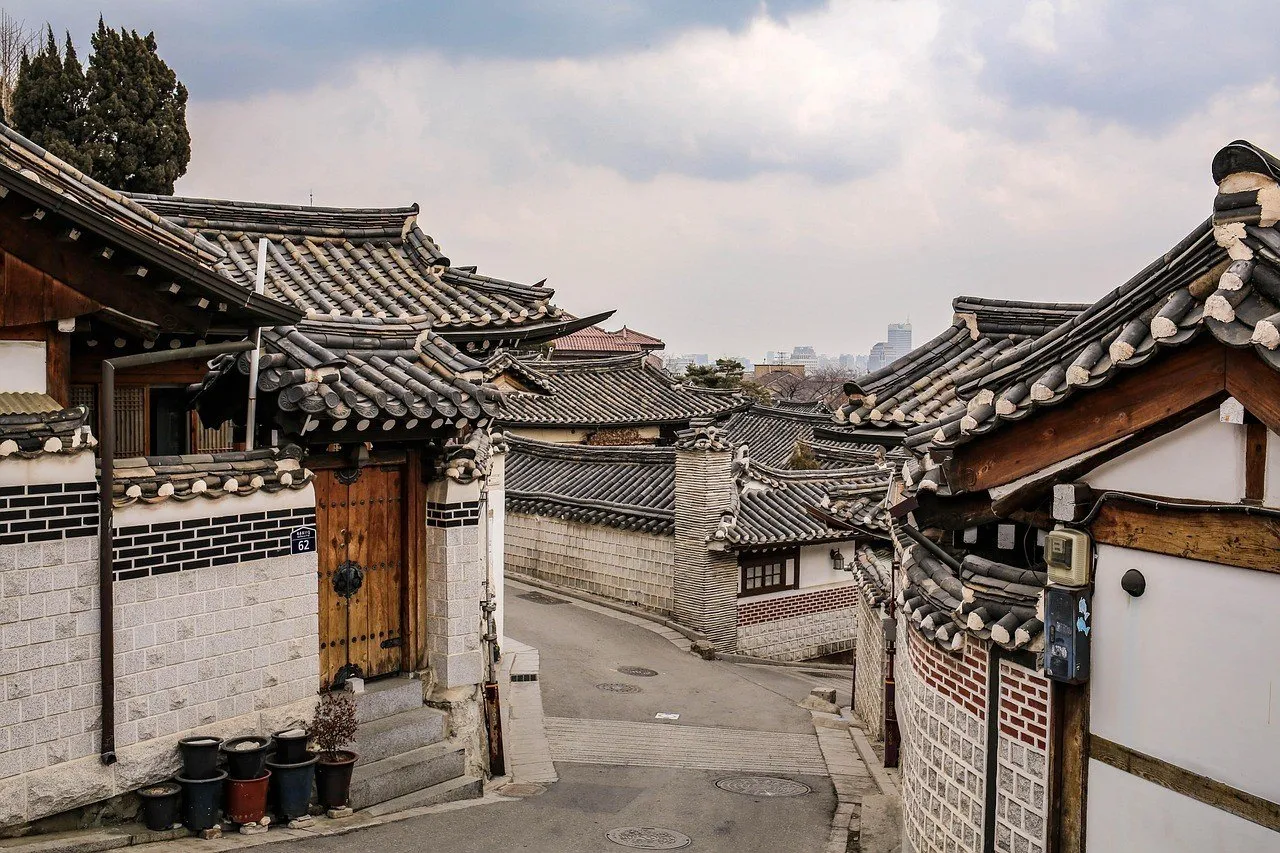 2
Hanok houses line sloping streets between the palaces, in a neighborhood that is still lived in and has areas with restricted visiting hours.
View details for Bukchon Hanok Village 3
Ceramics, calligraphy supplies, galleries and teahouses share the streets of Insadong, a stop for looking at work made at a calmer pace than your itinerary.
View details for Insadong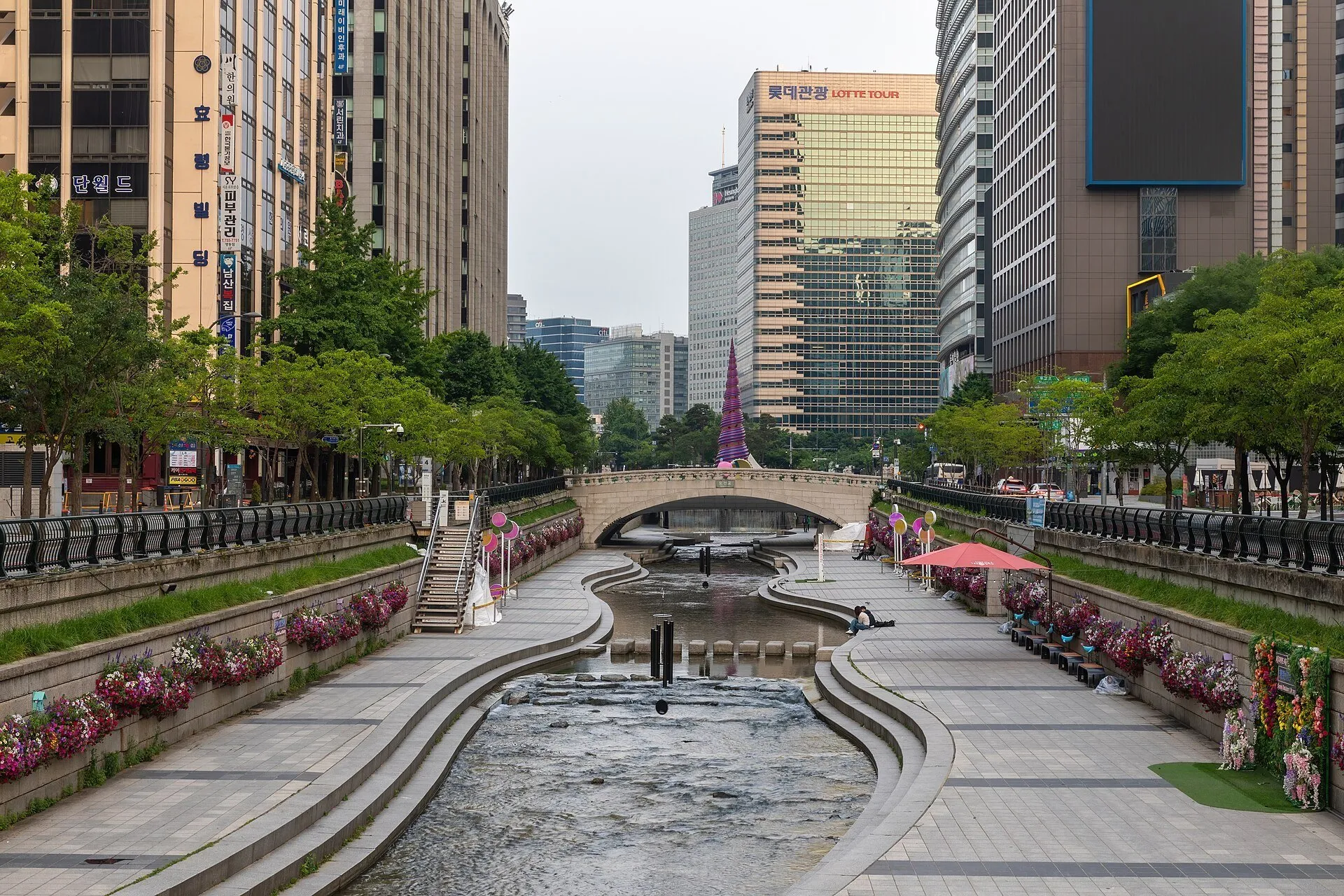 4
A waterside walk below downtown's avenues, the result of restoring a stream that had been covered by an elevated highway.
View details for Cheonggyecheon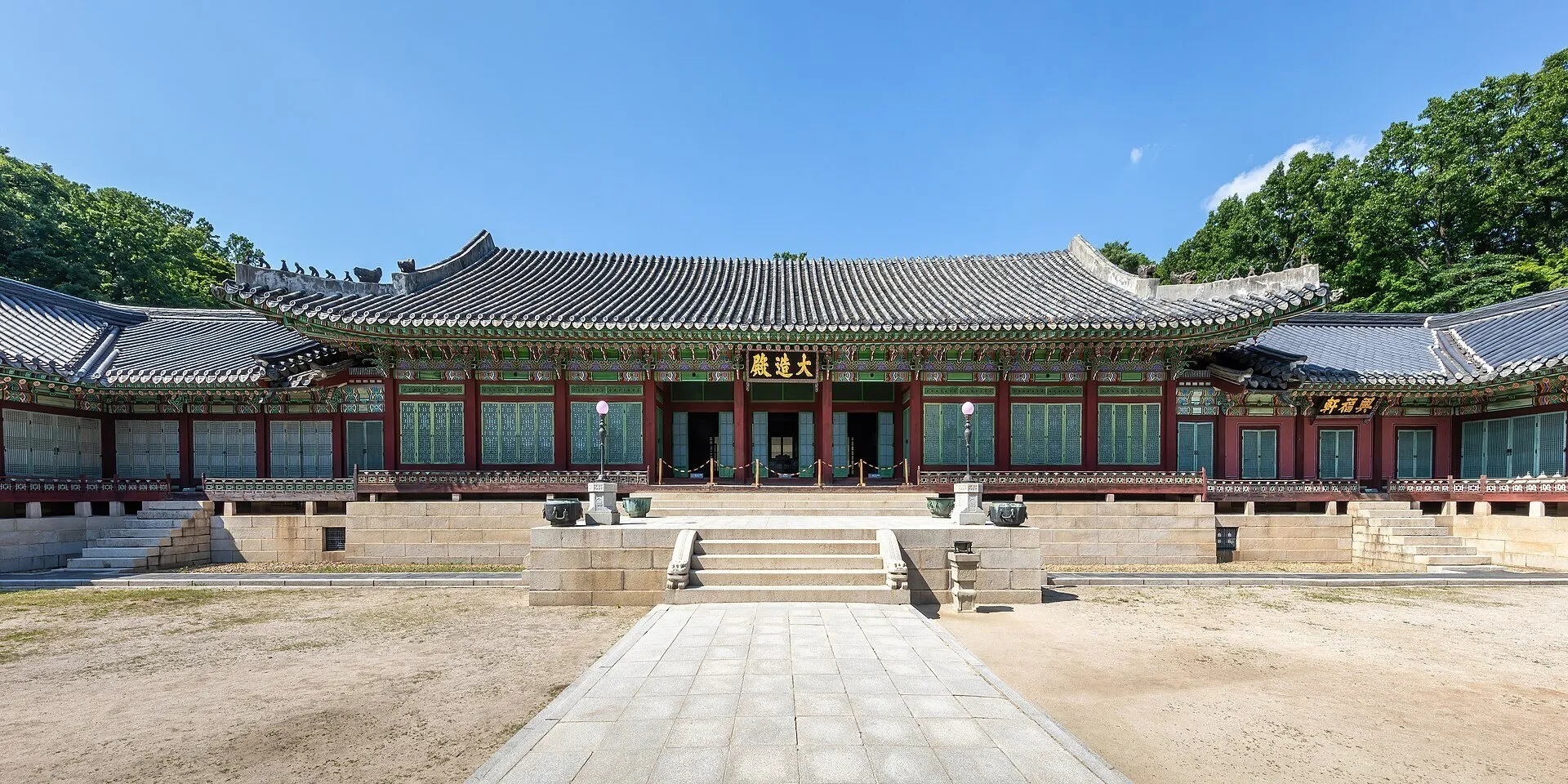 5
A UNESCO-recognized palace where buildings and gardens follow the terrain; the Secret Garden is a separate visit, subject to reservation and availability.
View details for Changdeokgung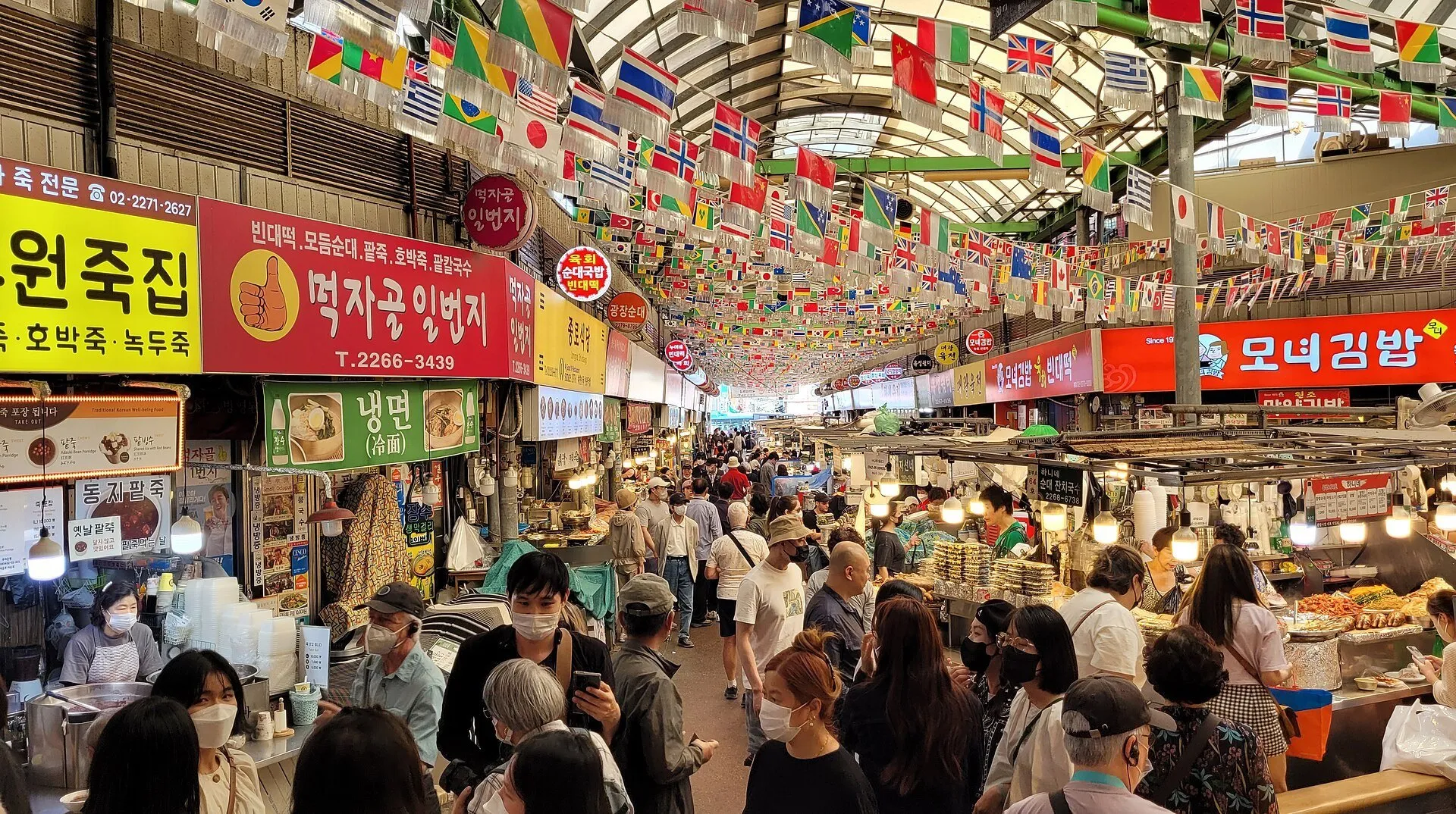 6
Food stalls, fabrics and clothing share Gwangjang Market, where the mung bean pancake tends to compete for your attention with the small gimbap rolls.
View details for Gwangjang Market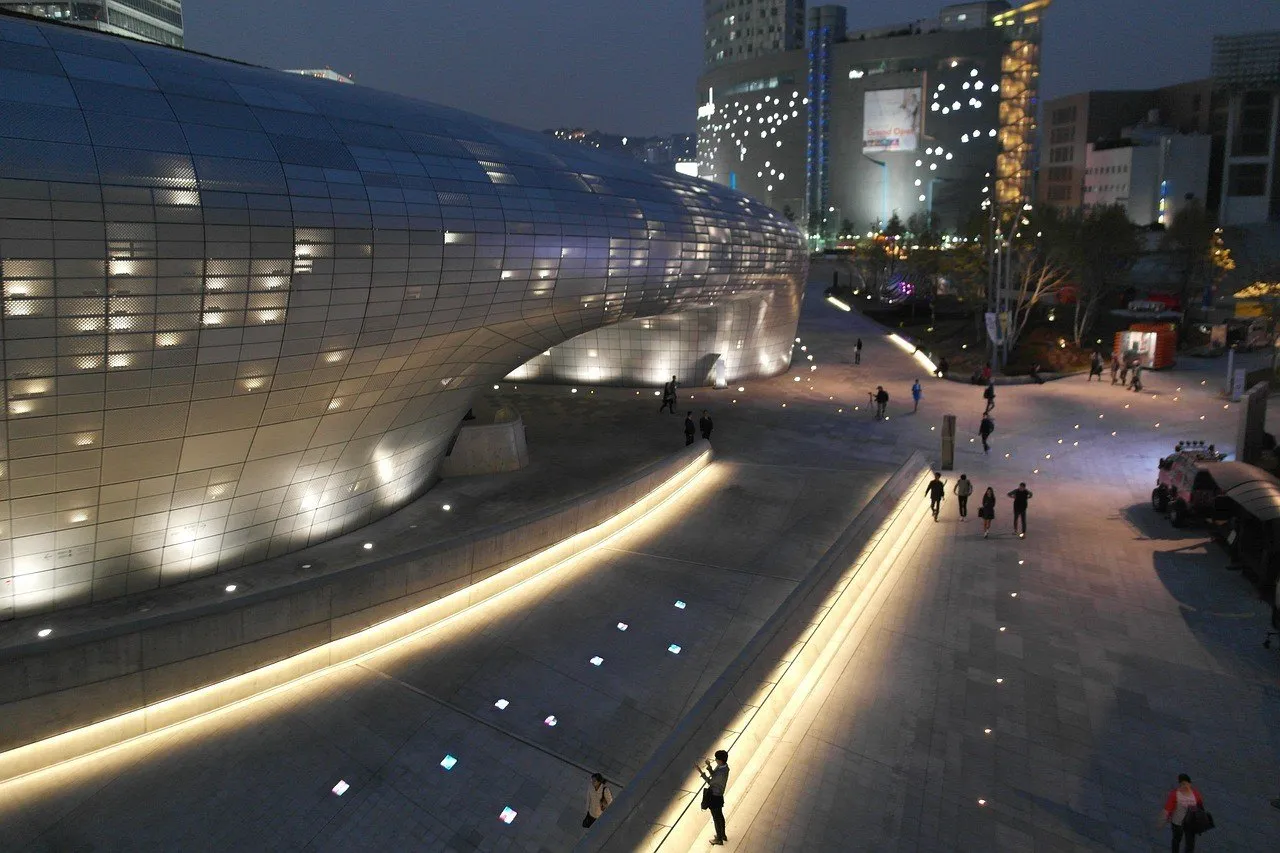 7
The DDP houses design spaces and exhibitions in a building of silvery surfaces and continuous curves, to explore from the outside and according to the indoor program.
View details for Dongdaemun Design Plaza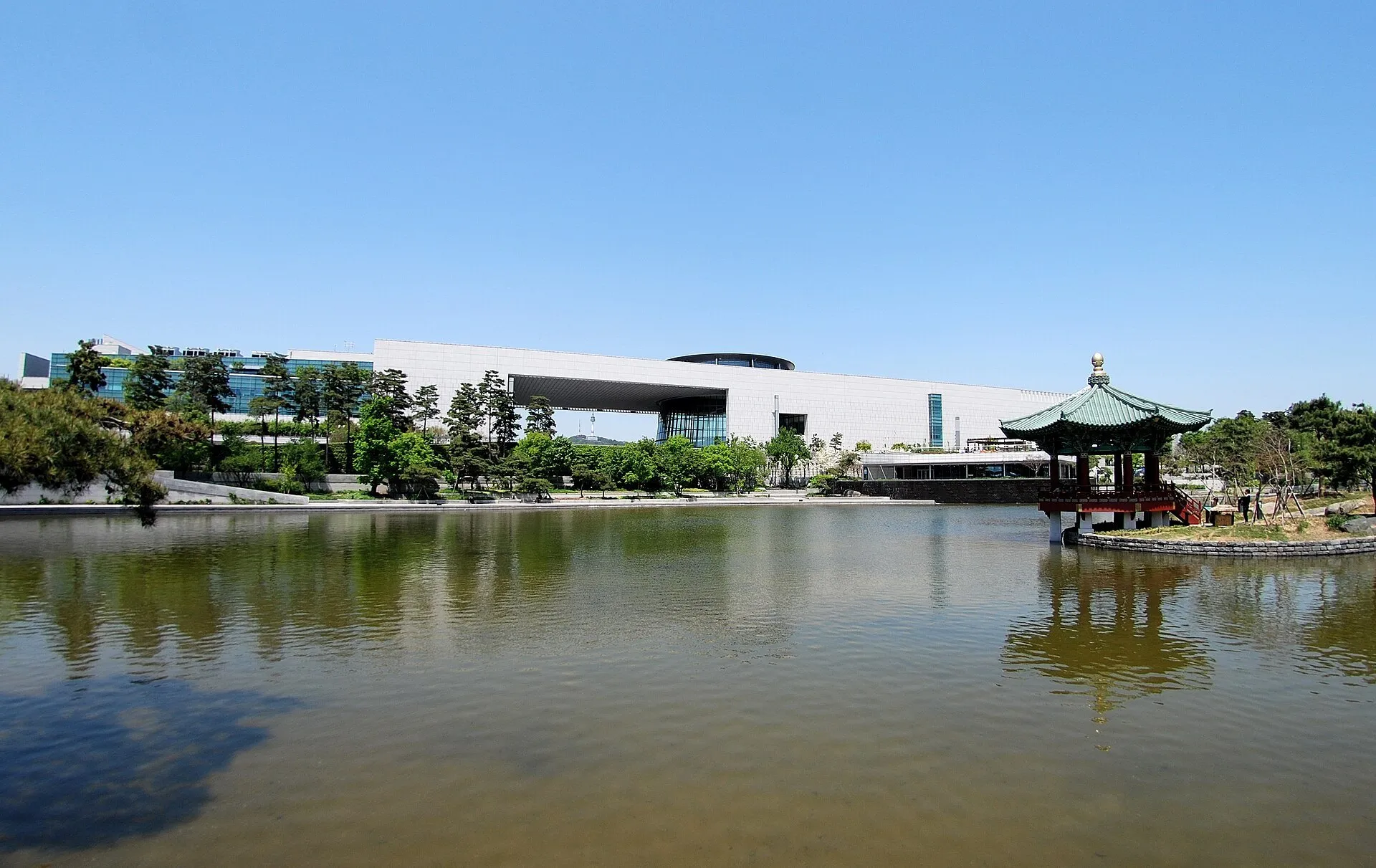 8
Buddhist sculptures, ceramics and other objects help you read Korean history; pick a few galleries to give the collection more than a rushed pass.
View details for National Museum of Korea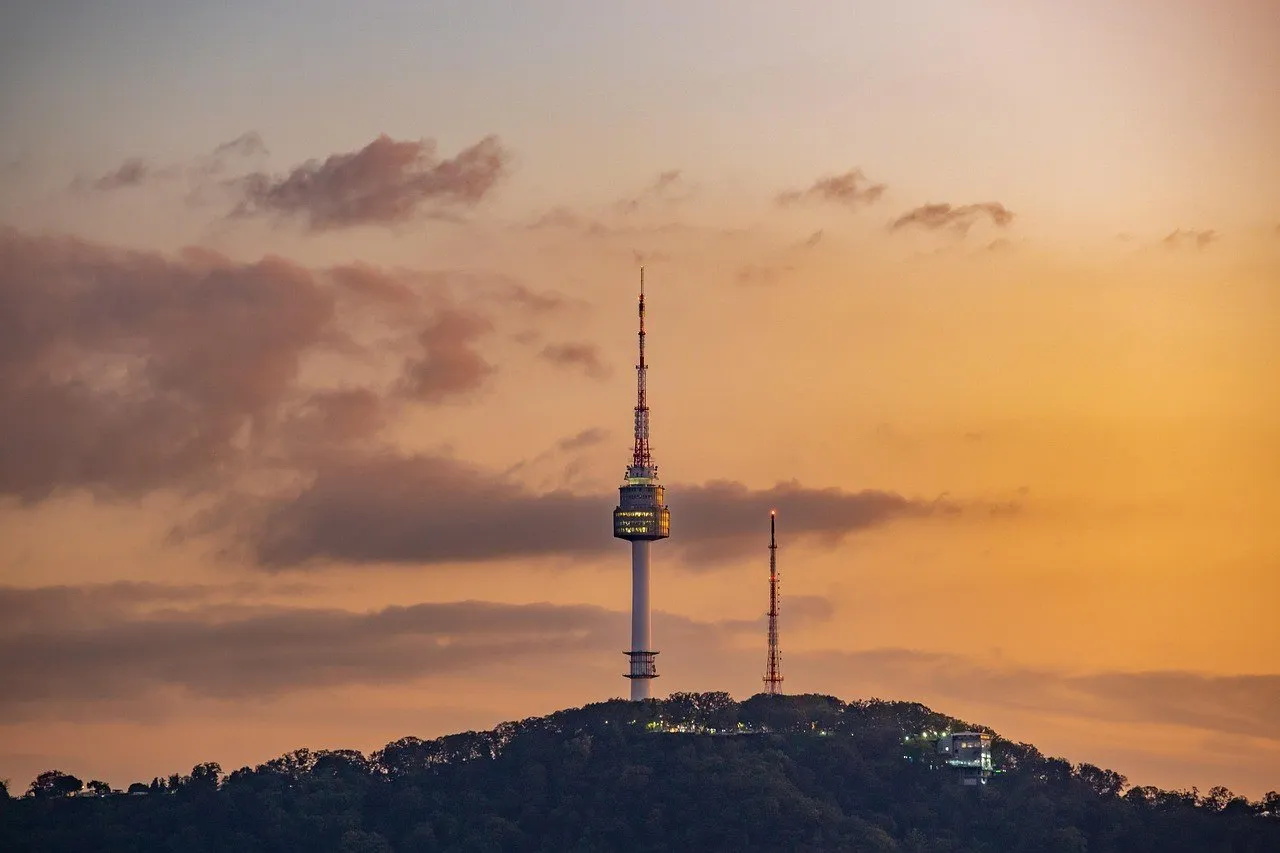 9
Namsan hill and its tower help you grasp the scale of Seoul, with city views and access options that call for separate planning.
View details for Namsan and N Seoul Tower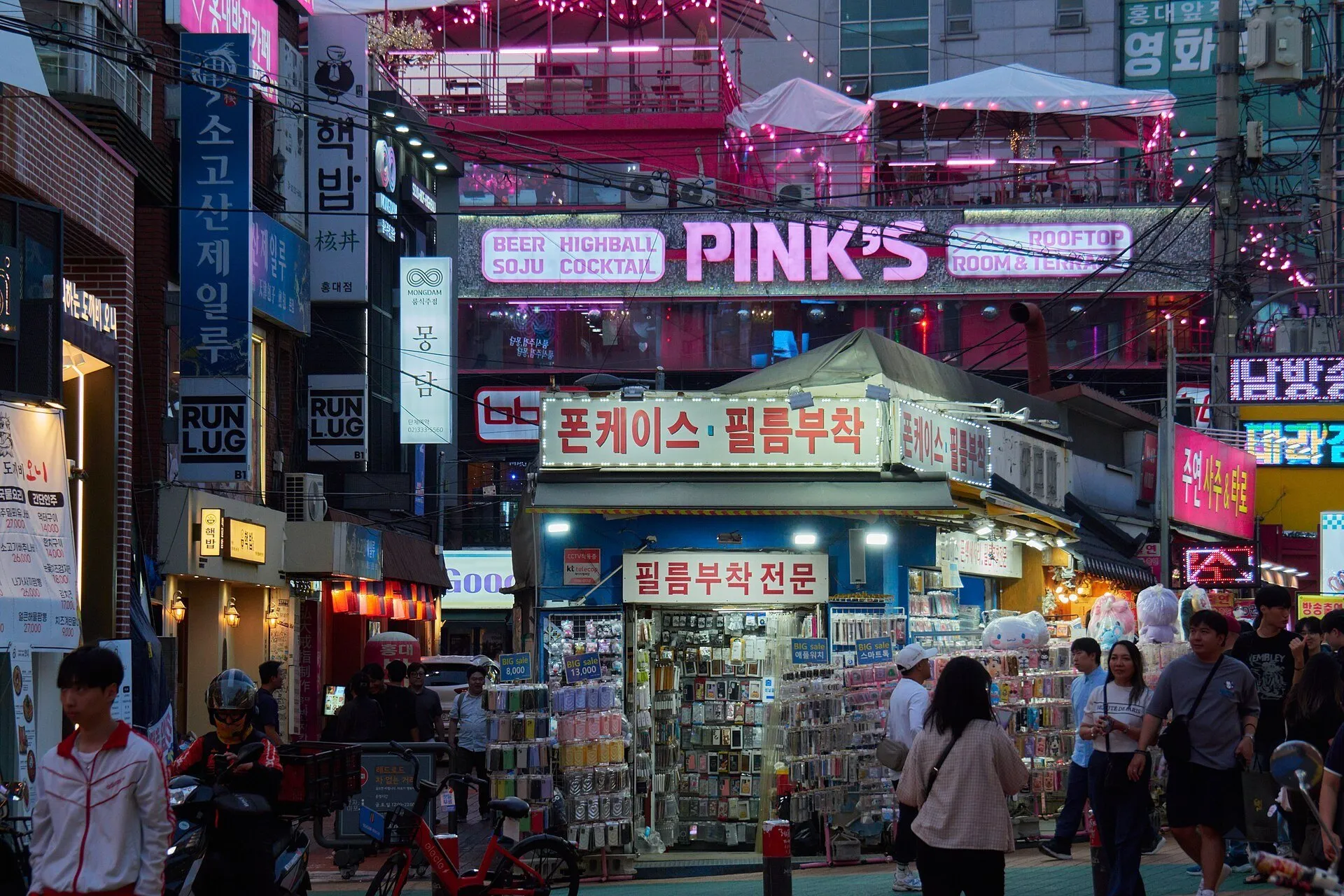 10
Around Hongik University, shops and restaurants share space with street performance areas, good for an evening without a rigid list of stops.
View details for Hongdae1Walk through the gate and let the courtyards set the length of your stride. Gyeongbokgung was the main palace of the Joseon dynasty, and the sequence of buildings helps you see how architecture organized power: before reaching the king, a visitor had plenty of ground to think the matter over.
Parts of the complex went through destruction and reconstruction: read the signs and look at the roofs and the paintwork of the structures, rather than treating the pavilions as an untouched set.
2The rooftops of Bukchon follow the slope, but the main rule is at sidewalk level: people live here. The hanok houses are concentrated between the palaces, with workshops, cultural spaces and shops among the homes. A visit calls for attention to the doors, not curiosity about what's behind them.
The restricted visiting zone has set hours during the day: follow the map and the signs, keep your voice down and don't photograph interiors or block entrances.
3Between one ceramics window and another full of brushes, Insadong invites you to notice what usually goes unnoticed in a souvenir. There are galleries, antique shops and crafts; choosing a piece becomes an outing of its own, especially if you ask about the material instead of just looking for room in your suitcase.
Teahouses offer a break between the shops. Explore the side passages too: stepping off the main street helps vary your walk without turning every shop window into a mandatory purchase.
4Going down to Cheonggyecheon changes your perspective: the avenues are still above, while the water runs alongside your walk. The stream was restored after an elevated highway was removed, an urban transformation worth observing while also thinking about the space cars used to occupy there.
Pick a central stretch, using the bridges as reference points. In the rain, access may be closed: respect the barriers and go back up to the streets, even if the photo seems within reach.
5At Changdeokgung, notice how the buildings follow the terrain. UNESCO's recognition highlights this relationship with the landscape: the complex doesn't rely on a single large front courtyard to impress. Walking between its official and residential areas offers another way of reading life in Seoul's palaces.
The Huwon, known as the Secret Garden, has sessions with limited spots and its own ticket. Without a confirmed reservation, enjoy the palace: the rest of the itinerary doesn't have to be held hostage by the garden.
6The griddle makes the introductions before the menu does: pancakes turn golden in Gwangjang's food aisles, and deciding on lunch may call for a reconnaissance lap. Look for bindaetteok, made with mung beans, and the small gimbap rolls; sharing portions helps you taste more without turning the afternoon into a request for a nap.
The market also sells fabrics and traditional clothing. Look beyond the most photographed stalls and double-check portion sizes: a camera pointed at the food is no substitute for an order properly understood.
7After the rooftops and courtyards, the DDP changes the geometry of your walk. The silvery surfaces fold into curves that call for a lap around the outside before you look for the entrance. If you've lost track of which side you were photographing, the architecture has already caught your attention.
The complex hosts design and fashion exhibitions and events. Choose according to the current program: special projections on the facade depend on a schedule, not on the video that showed up on social media.
8The ceramics and sculptures at the National Museum make a good counterpoint to the architecture of the palaces. Choose a route through the permanent galleries instead of promising to see the whole building: there are artifacts from different eras, and pausing before a few objects teaches more than walking with one eye on the exit.
In the Room of Contemplation, compare the hands and postures of the pensive bodhisattva sculptures. The permanent collection is usually free; check the charges and opening times for special exhibitions.
9From up here, Seoul stops looking like a collection of subway stations. Namsan combines the climb up the hill with the N Seoul Tower, with observation areas and a city that sprawls beyond the frame. Choose the day for visibility: buying a ticket doesn't include the haze's cooperation.
Buses and a cable car are ways to reach the hill; confirm the route and keep that trip separate from the observatory ticket. Couples' love locks show up there too.
10In Hongdae, your walk may stop because of a voice, a dance or a circle that just formed. The area around Hongik University has spots set aside for street performances, as well as shops and restaurants. The program varies: strolling without demanding a specific show suits the neighborhood better.
Have dinner, wander and watch a performance if one happens. Respect the space of performers and pedestrians, and check your transport back before getting carried away by the next song.
Group visits by area and save the station and address. The T-money card works on the subway and buses; check top-up options and current fares.
AREX connects the airports to downtown, with different services and stops: check your terminal, the station nearest your lodging and the last train.
The palaces don't all close on the same day; plan Gyeongbokgung and Changdeokgung around the calendar and book the Secret Garden separately.
In Bukchon, follow the restrictions and respect the privacy of the homes; in the museum, keep your phone silent and follow the photography rules.
Summer can be hot and humid, and winter calls for a warm coat. Heavy rain may close Cheonggyecheon; check air quality and visibility for Namsan.
Check prices before ordering at the market and keep an eye on your belongings. Use authorized currency exchange; tipping is not a local custom.
At Gwangjang, start with one portion and decide on the next afterward: your eyes tend to travel with more hunger than you have. Between visits, the teahouses of Insadong offer another rhythm. Ask for help choosing, especially if your idea of tea so far was the bag at the bottom of the mug.
A savory mung bean pancake with a golden griddled surface; it's one of the specialties to look for at Gwangjang Market.
Rice rolled in seaweed with varied fillings; at Gwangjang, look for the small versions too, good for splitting your attention with the pancake.
Rice cakes in a sauce that is usually spicy; start with a small portion if you're still negotiating your tolerance for chili.
Rice served with assorted toppings to mix together; check the ingredients of the version you choose before adding the sauce.
We use cookies and similar technologies, such as Google Analytics, in accordance with our Privacy Policy and, by continuing to browse, you agree to these terms. You can decline at any time in the policy.