 1
Museums
Dar Al-Madinah Museum
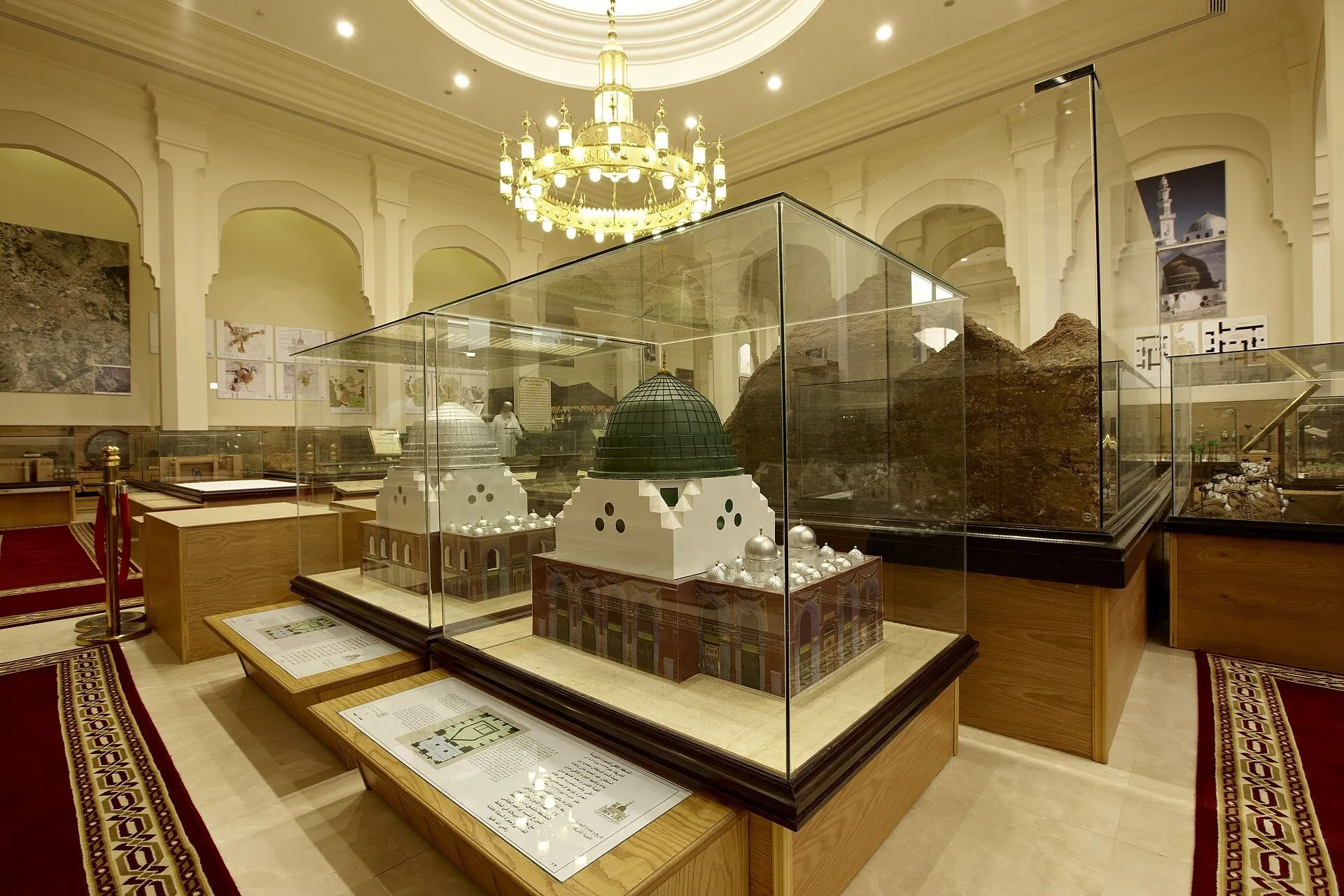
Scale models, photographs and objects show how Medina grew and preserve the memory of spaces transformed by the expansions of the Prophet's Mosque.
View details for Dar Al-Madinah Museum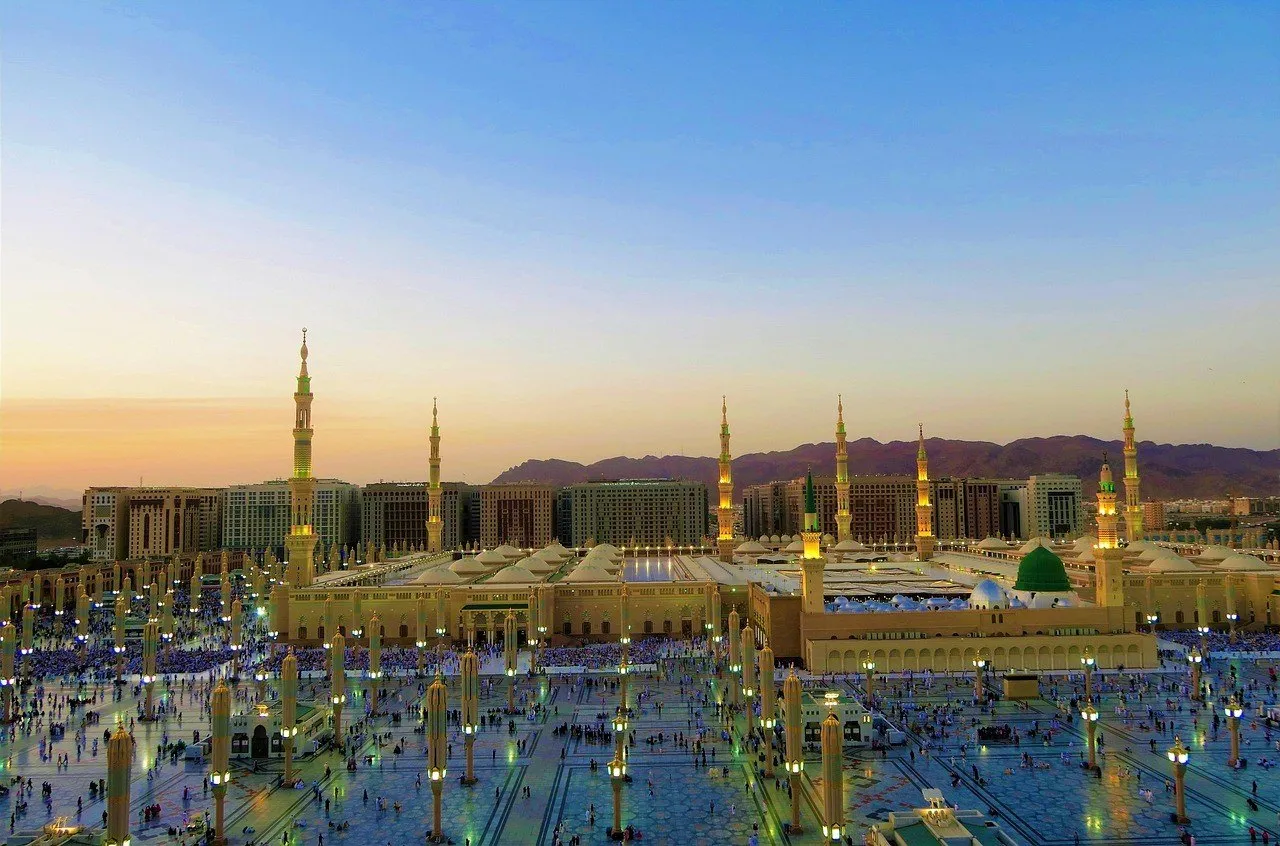
Among Medina's palm trees, a coffee break comes with dates. Farther on, the minarets point to the heart of a city whose rhythm follows the call to prayer.
The shade of the date palms changes the way you walk through Medina. You leave the palm groves to find museums with scale models, reddish mountains and avenues built around the flow of people to the Prophet's Mosque. Muhammad settled here after leaving Mecca, and his tomb lies within the religious complex. Knowing this background helps you look at each place with attention, between a walk and a coffee break.
Non-Muslims may visit Medina, but the Prophet's Mosque and its immediate surroundings are restricted, including the courtyards. The sacred perimeter and the area where entry is forbidden should not be treated as the same thing. Confirm the boundaries with local authorities and choose lodging and routes that respect them; an open square or a marker on the map does not mean authorized passage.
The three-day itinerary combines mosques, museums and green spaces, with religious visits intended for Muslims and alternatives on the same days. Other visitors can condense the trip. For the Rawdah, inside the Prophet's Mosque, check Nusuk: booking for that area is separate from ordinary access. The suggested times are planning estimates and do not include prayers, queues or transfers.
The scale models at Dar Al-Madinah preserve the memory of spaces transformed by the expansions of the Prophet's Mosque: the museum also shows what disappeared from the street.
The name Seven Mosques does not guarantee seven buildings side by side: the official portal explains that different routes included an additional mosque in the complex.
The Hejaz station recalls the pilgrims who arrived by train and preserves a layer of Medina tied to the Ottoman period.
1Scale models, photographs and objects show how Medina grew and preserve the memory of spaces transformed by the expansions of the Prophet's Mosque.
View details for Dar Al-Madinah Museum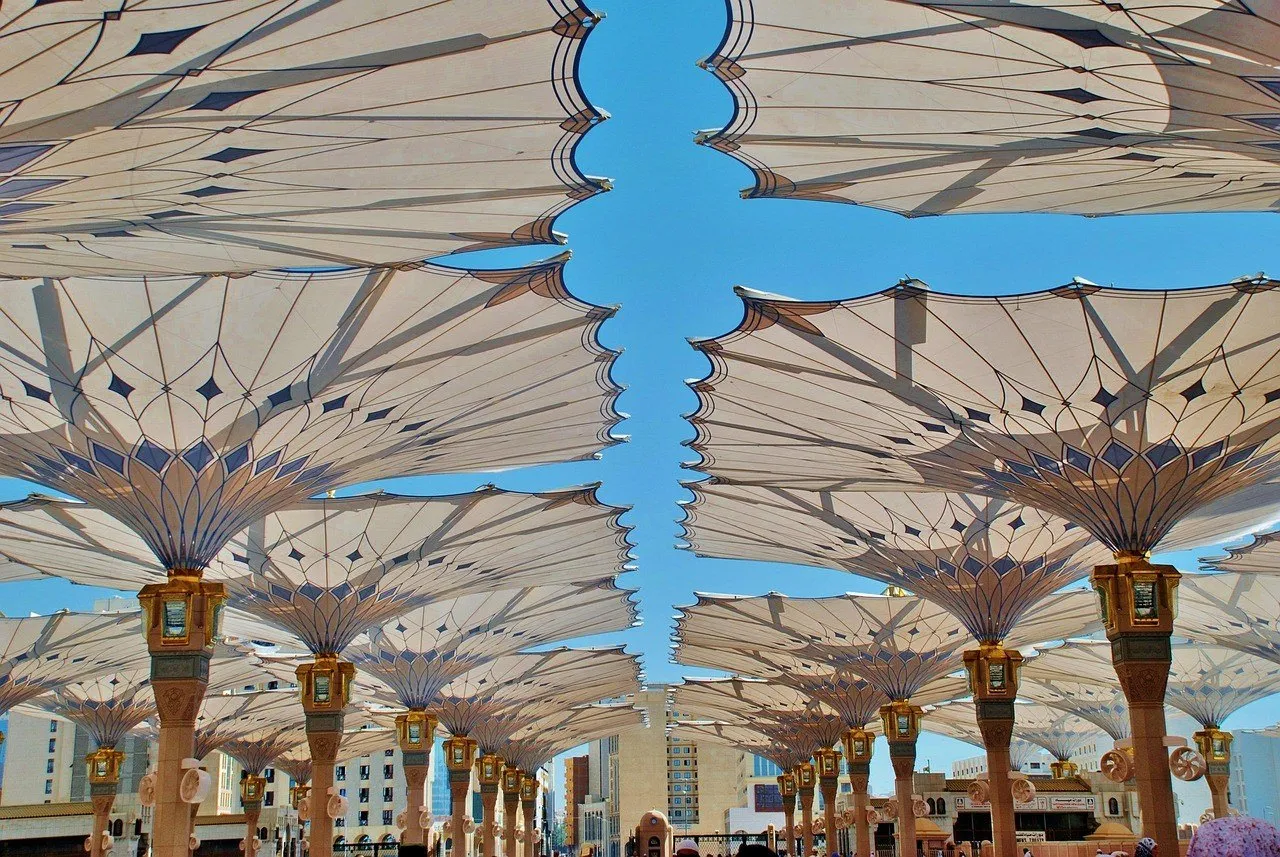 2
The religious center of Medina, the Prophet's Mosque houses the chamber where Muhammad is buried; access to the complex and its immediate surroundings is restricted to Muslims.
View details for Prophet's Mosque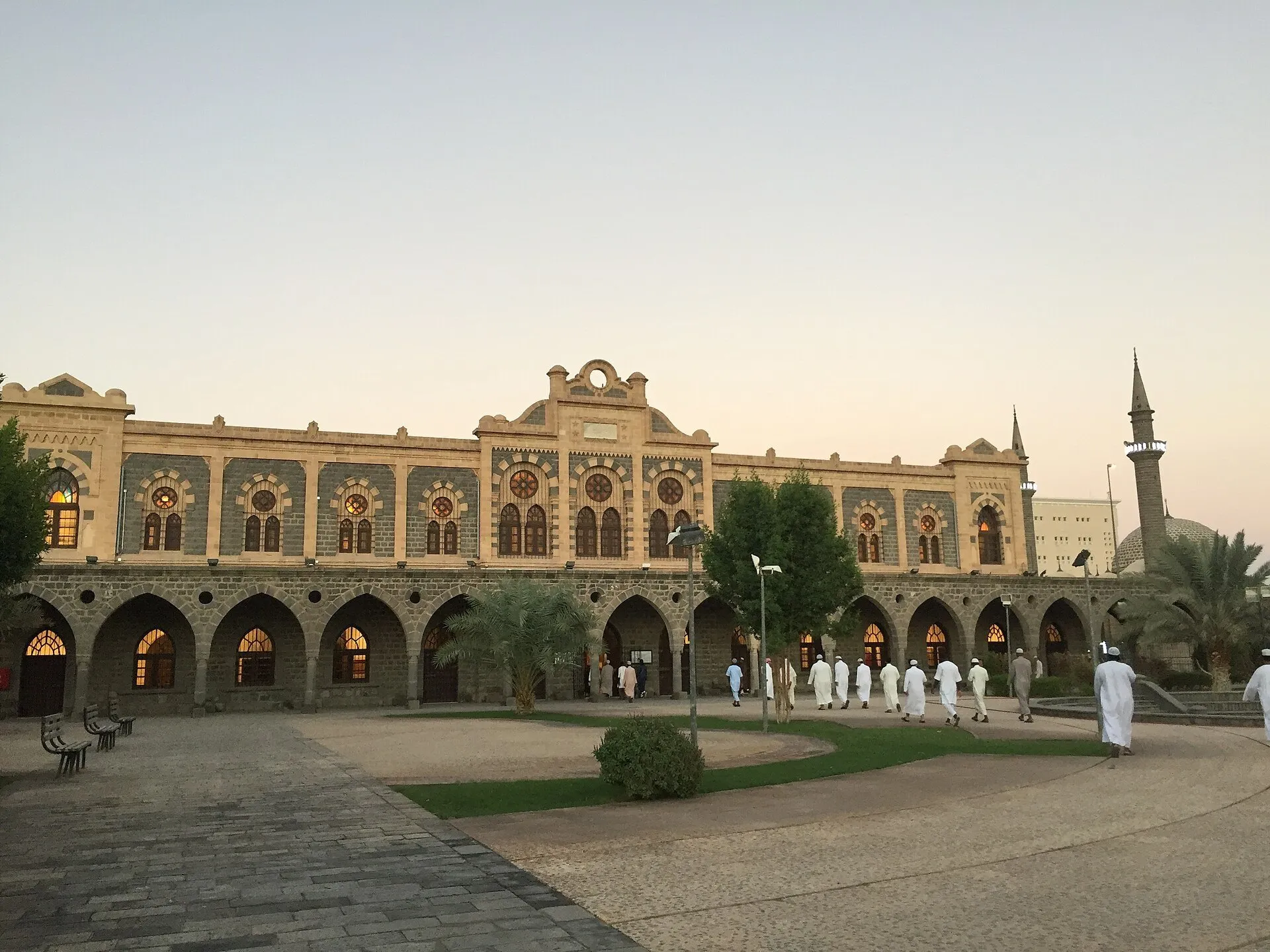 3
Medina's old railway station keeps the memory of the pilgrims who arrived by train; confirm that the museum is open before planning the stop.
View details for Hejaz Railway Station and Museum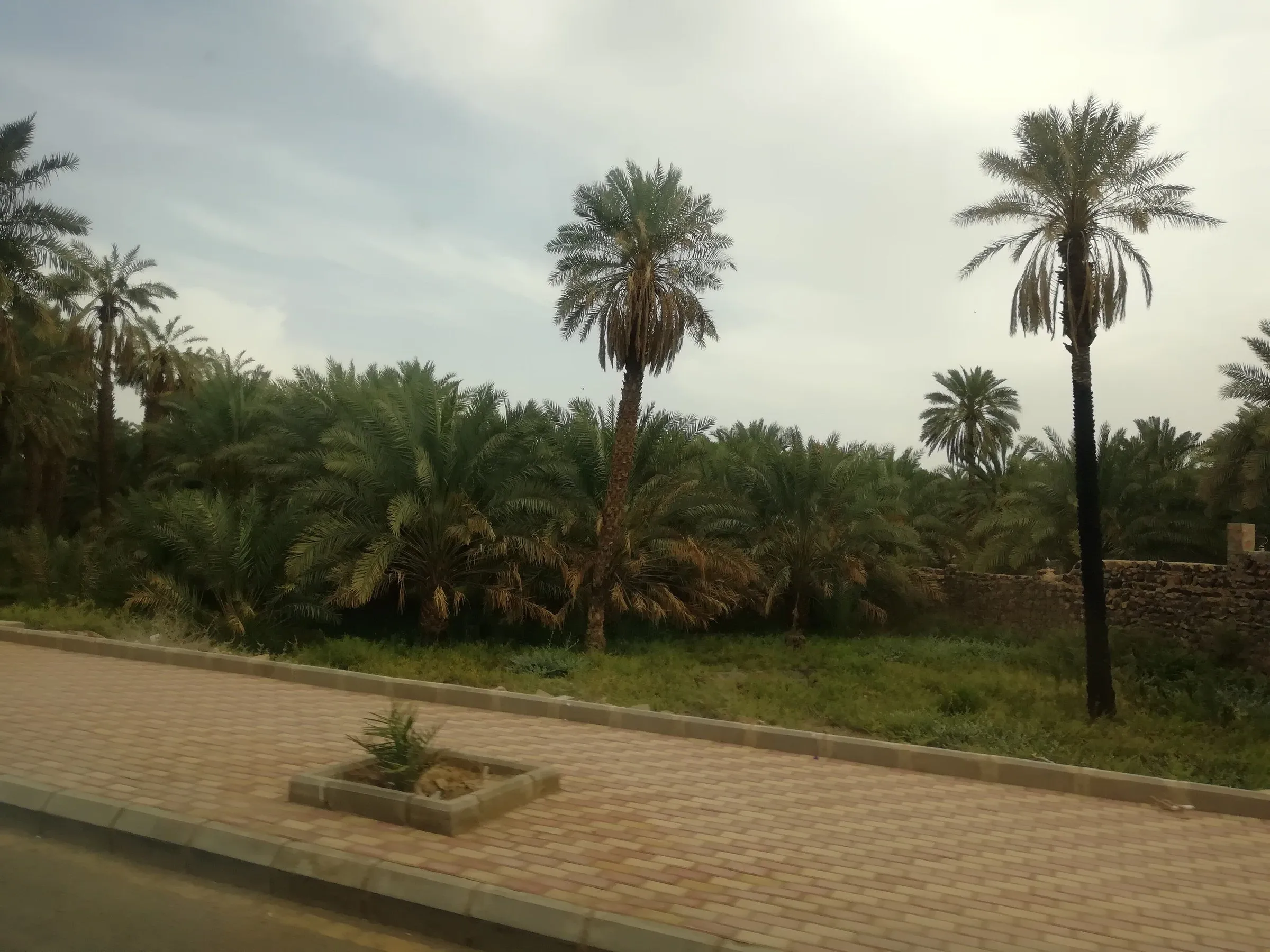 4
Palm groves and date production reveal the agricultural side of Medina; choose a farm that receives visitors and arrange the visit before you arrive.
View details for Aliat Al-Madinah Farms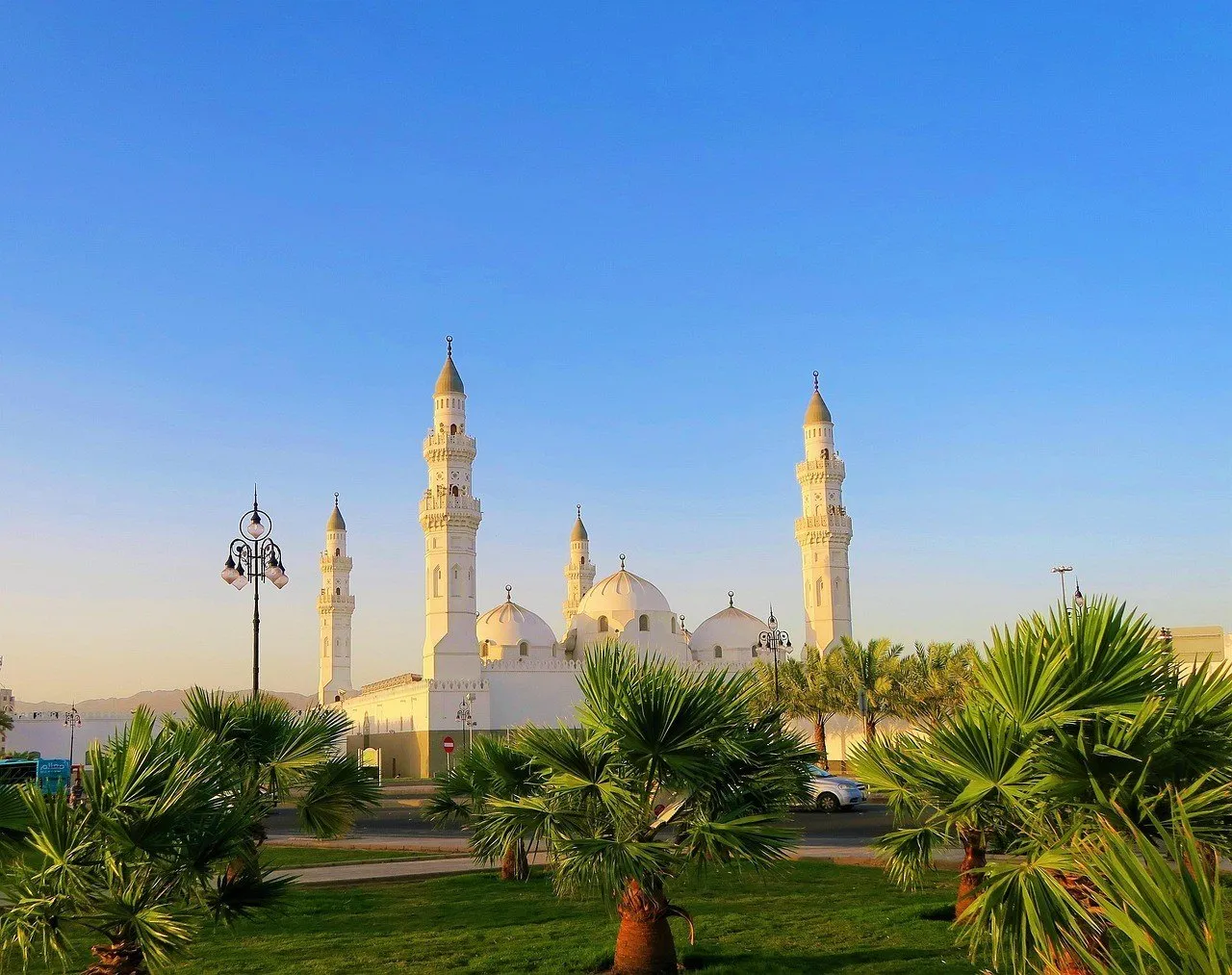 5
Tied to Muhammad's arrival in the region, Quba brings together pale domes, minarets and a central role in the pilgrimage routes of Medina.
View details for Quba Mosque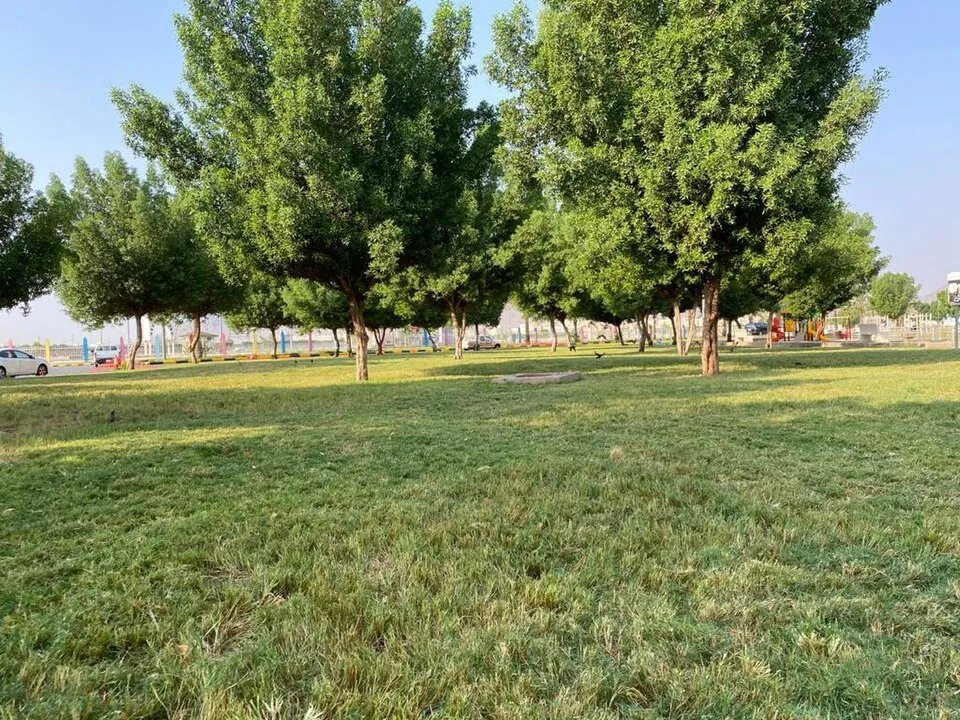 6
Trees, paths and leisure areas make King Fahd Park a green break in the south of Medina, especially useful for an afternoon with the family.
View details for King Fahd Park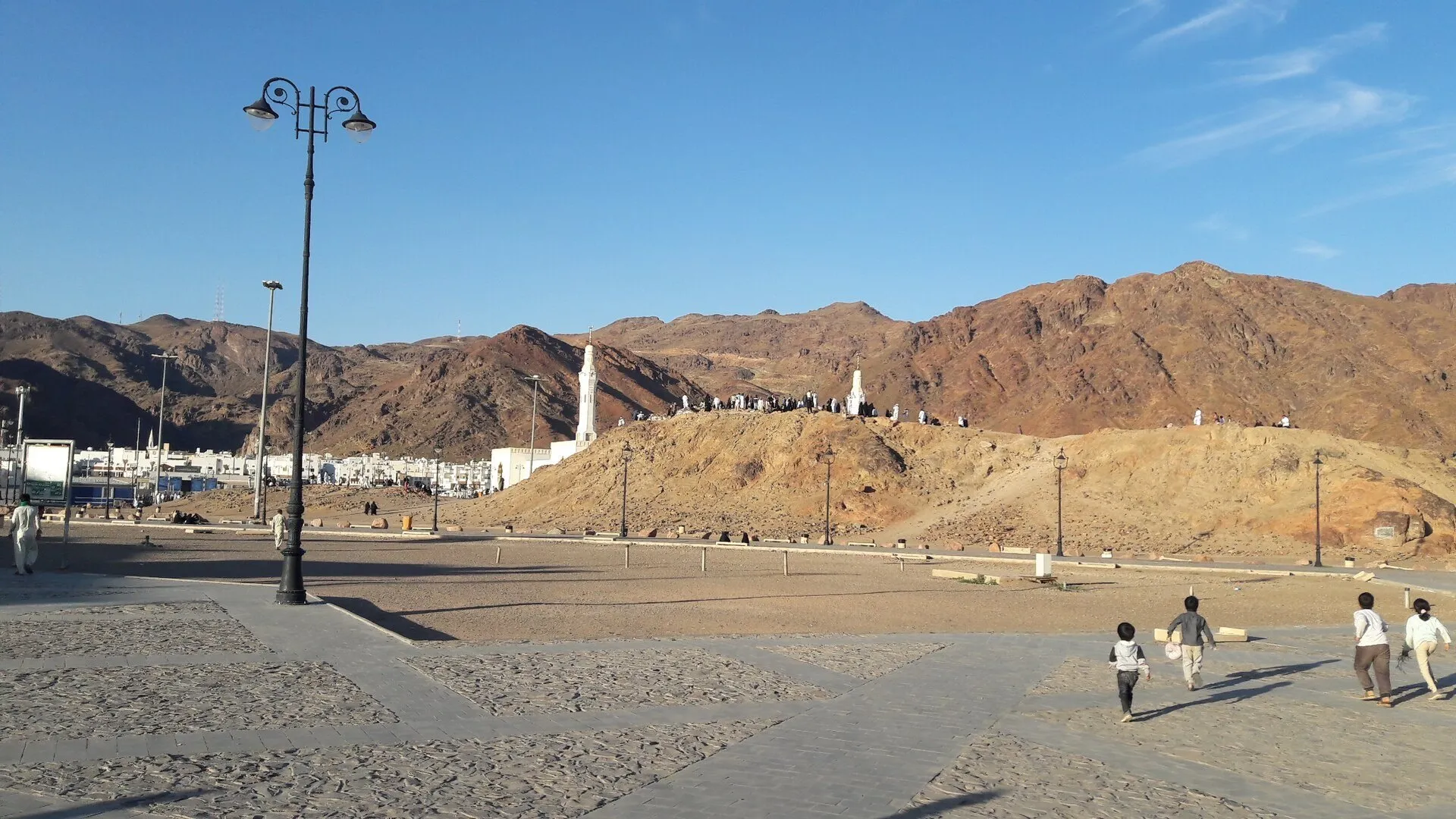 7
The Uhud massif marks the horizon north of Medina and helps you understand the landscape of the battle remembered at the sites at its foot.
View details for Mount Uhud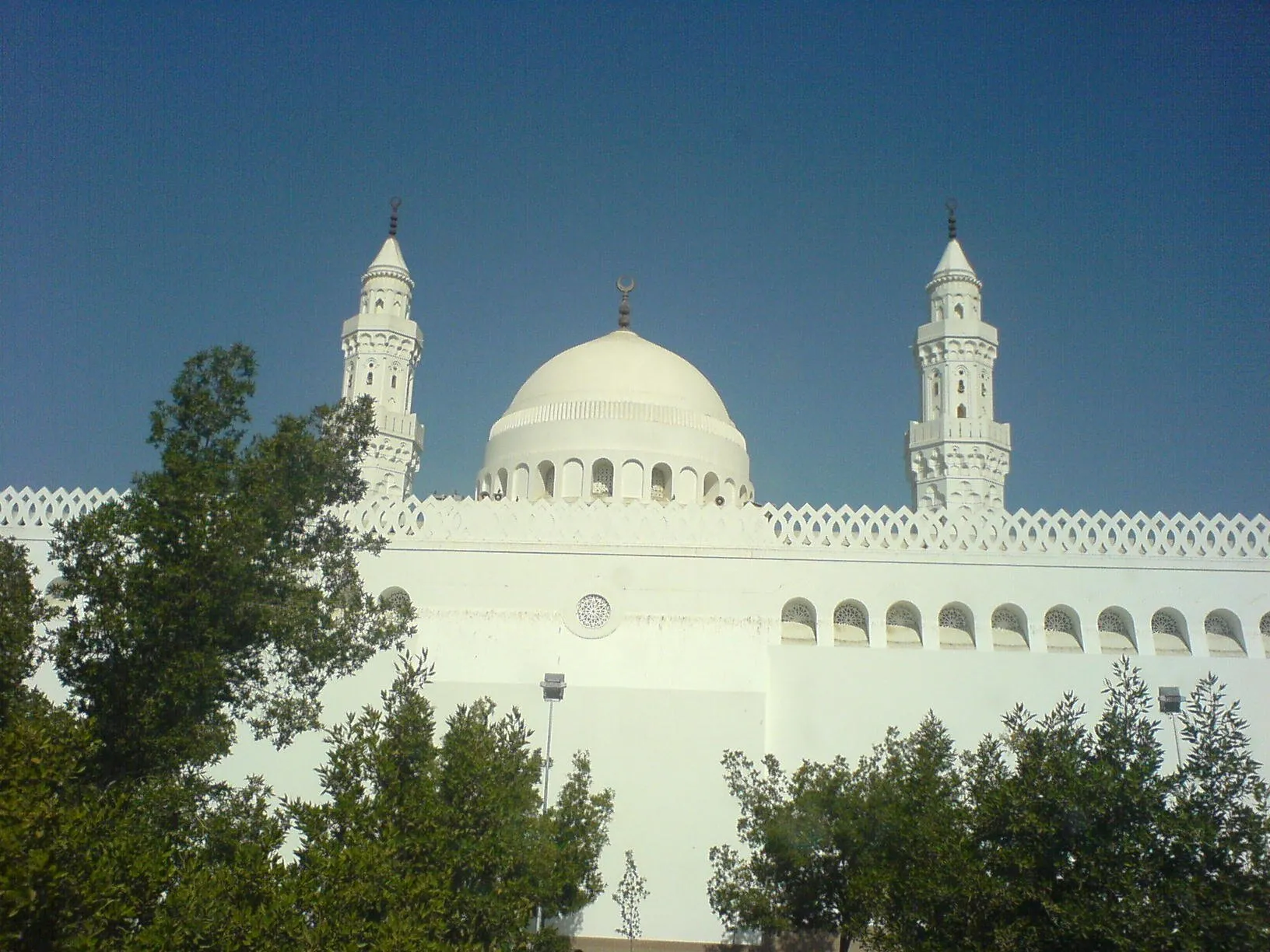 8
The name Qiblatain recalls the change in the direction of prayer from Jerusalem to Mecca; the mosque helps you understand this episode of Islamic tradition.
View details for Qiblatain Mosque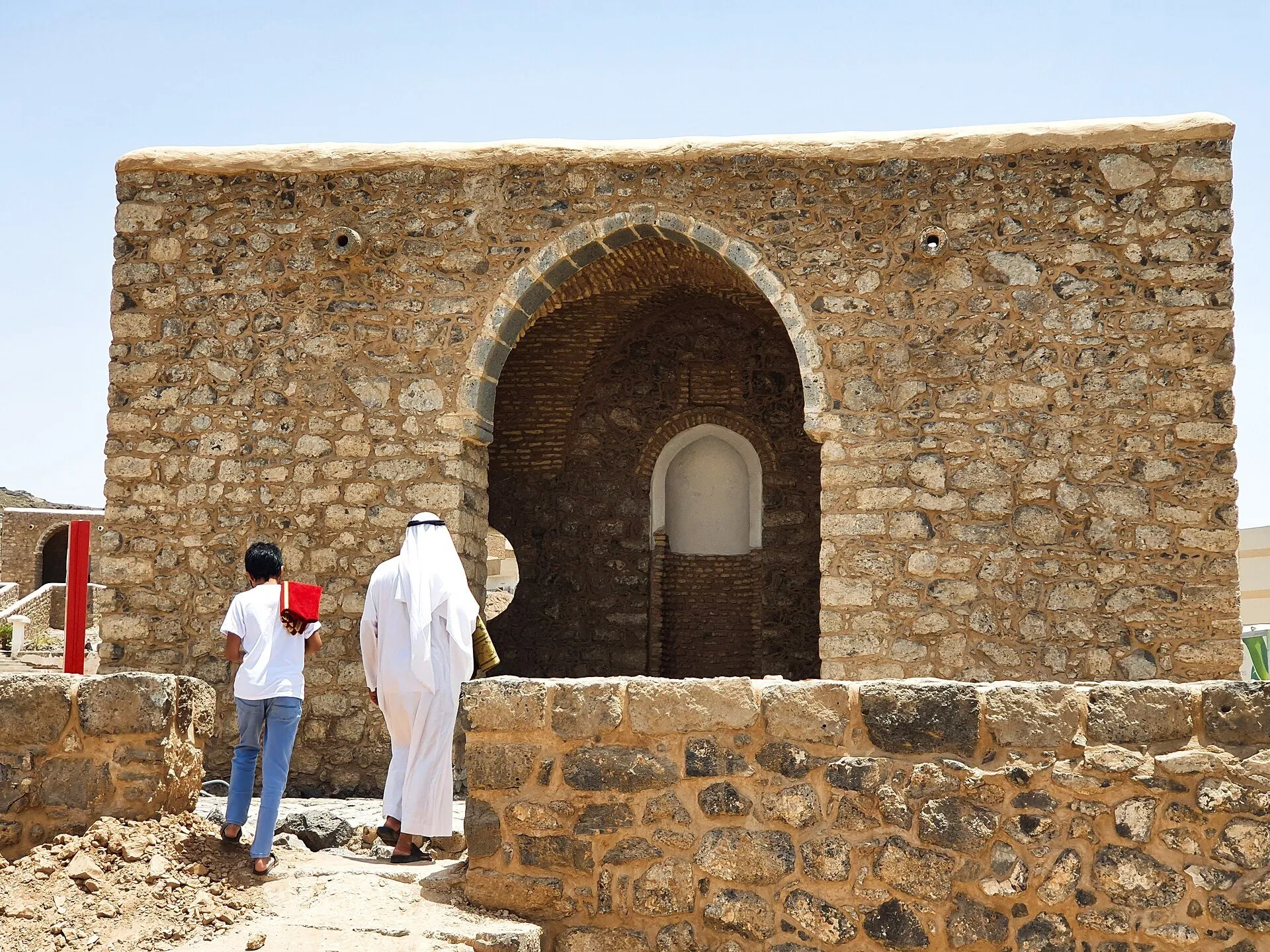 9
Small mosques near Mount Sila recall the Battle of the Trench; the name of the complex reflects route tradition more than a simple count.
View details for Seven Mosques1Before exploring Medina, see the city in miniature. The scale models and photographs at Dar Al-Madinah help you understand the transformation of the neighborhoods and of the Prophet's Mosque. Manuscripts, coins and traditional clothing place the buildings you will see later within an urban history.
It is in the east, in Knowledge Economic City, a separate trip from the religious center. Arrange the presentation in advance: understanding the explanation makes more difference here than rushing from one display case to another.
2The minarets of Al-Masjid an-Nabawi draw the eye to the religious center. The complex grew from the mosque built by Muhammad after he arrived in Medina and incorporates the chamber where he is buried. The visit follows the function of worship.
Only Muslims should include the entrance; everyone else also avoids the immediate surroundings and the courtyards. The Rawdah is booked through Nusuk and is not the same as access to the Prophet's burial chamber.
3A stone station changes the skyline of minarets: the old Hejaz terminal recalls the pilgrimage journeys linked to Damascus. The complex now houses a museum about the railway and the history of Medina, in architecture tied to the Ottoman period.
Being listed on the tourism portal does not guarantee open rooms. Confirm opening hours and the permitted route; without confirmation, extend your time at Dar Al-Madinah and continue to the valley. The railway stop should not shape your whole day.
4Among the date palms of Al-Alia, Medina appears tied to cultivation and to gathering in the shade. The Aliat farms form an agricultural area with date sales and gathering spaces. Take in the palm grove before choosing what will go in your suitcase.
The name covers several properties, with no single gate. Choose an establishment that confirms it will receive you, the address and any tasting; do not enter the plantations on your own, even if the map shows a path.
5Pale domes and minarets mark Quba, tied to Muhammad's arrival in the region before he settled in the core of Medina. The building has been rebuilt and expanded; the meaning of the place does not depend on every wall being original.
Muslims can plan the visit around access and prayer times, checking for construction work. For non-Muslims, the itinerary replaces the stop with lunch and a park, without assuming permission to enter or move through the courtyards.
6After so many facades, King Fahd Park invites you to look at trees and paths. It brings together recreation, cultural activities and family facilities, offering a pause between mosques and museums without asking every minute to become a photograph.
Go in the late afternoon and check that the entrance is open. Events can change how people move through the park; an easy stroll is already a good outing, especially with children or for anyone who prefers to slow the pace of the trip.
7The reddish rock of Uhud draws a different horizon from the minarets. At the foot of the massif are places associated with the Battle of Uhud. Note the relationship between the mountain, the open ground and Archers' Hill, with an explanation that places the events in context.
The outing is for observation in the permitted area, with no promise of a trail or a climb. Cemeteries and mosques have their own rules and are not part of the visit for non-Muslims; confirm where to stay before getting out.
8Two directions fit in the name Qiblatain: the mosque recalls the change in the orientation of prayer, from Jerusalem to the Kaaba in Mecca. The official portal links the episode to Bani Salamah. Understanding the qibla adds context to your view of its domes.
Visiting the interior here is for Muslims, respecting worship. Everyone else skips this stop and the Seven Mosques, keeping Uhud, lunch and the park, without relying on permission to view a religious exterior.
9At the foot of Mount Sila, smaller buildings change the scale of the outing. The complex recalls the Battle of the Trench, but its structures date from after the events. Observing the terrain helps more than looking for a uniform collection of facades.
Do not count on every place of worship being open, or on seven doors in a row. Muslims should confirm access and respect prayer; everyone else follows the itinerary's alternative, without getting around restrictions to take photos.
Confirm the restricted boundaries with local authorities and your lodging: open courtyards and ride-hailing routes do not guarantee authorized passage.
Muslims check availability, confirmation and the Rawdah code on Nusuk; this authorization is separate from ordinary entry to the mosque.
Group the areas and confirm a taxi or ride-hailing option; to save money with buses, check current lines and stops before depending on them.
Dress modestly, ask for consent before photographing people and follow the dress and circulation instructions at mosques.
Walk in the morning and at dusk, carry water and keep the hot hours for the museum or rest; shade on the map does not cool the pavement.
Check consular advisories, flights and seasonal rules before paying; the regional situation affects travel, and pilgrimage seasons change demand for hotels.
Dates and qahwa open the break: the sweetness of the fruit, the fragrance of cardamom. Taste varieties before choosing a box and confirm weight and price; your suitcase may take on an unexpected agricultural role. For lunch, look for Saudi and Hejazi cooking, checking the menu available.
A variety associated with Medina; compare its texture and sweetness with other dates.
Saudi coffee, often with cardamom, served in small cups with dates.
Creamy rice cooked with milk and broth, served with seasoned chicken.
We use cookies and similar technologies, such as Google Analytics, in accordance with our Privacy Policy and, by continuing to browse, you agree to these terms. You can decline at any time in the policy.