 1
History and religion
Osaka Castle
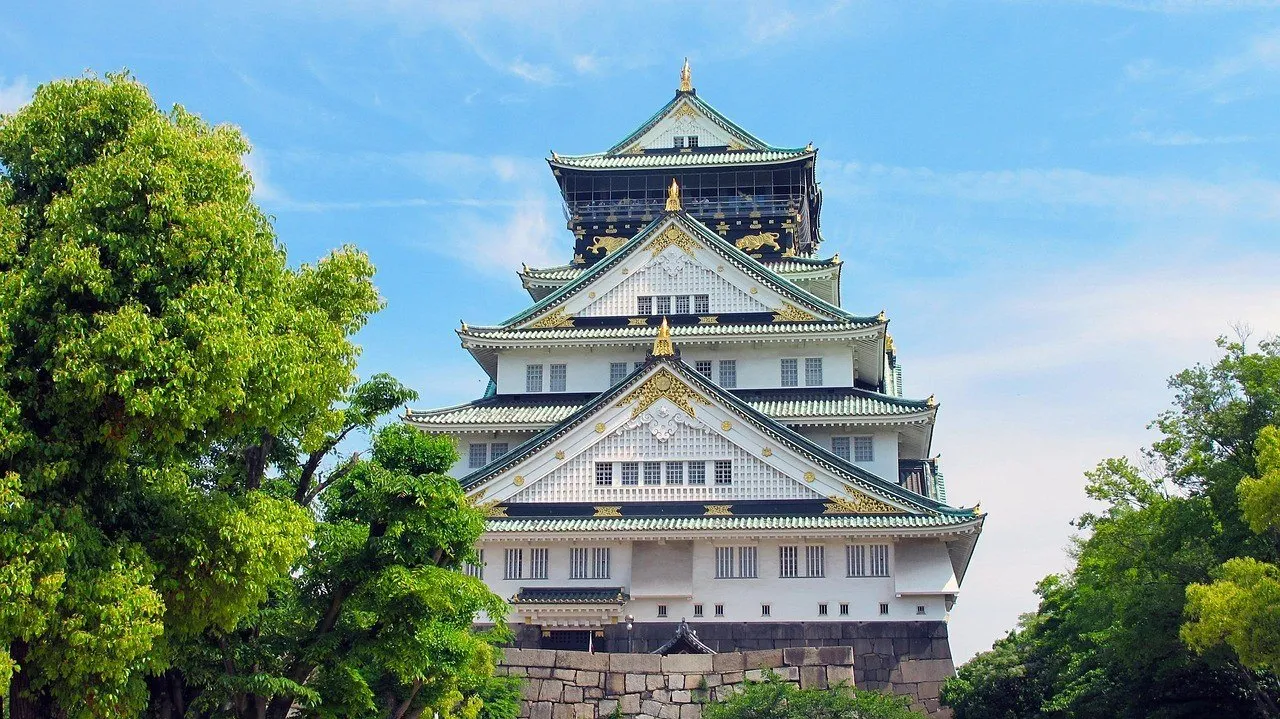
Moats, stone walls and roofs with golden details surround a rebuilt keep that houses a museum about the castle and lets you look out over Osaka from above.
View details for Osaka Castle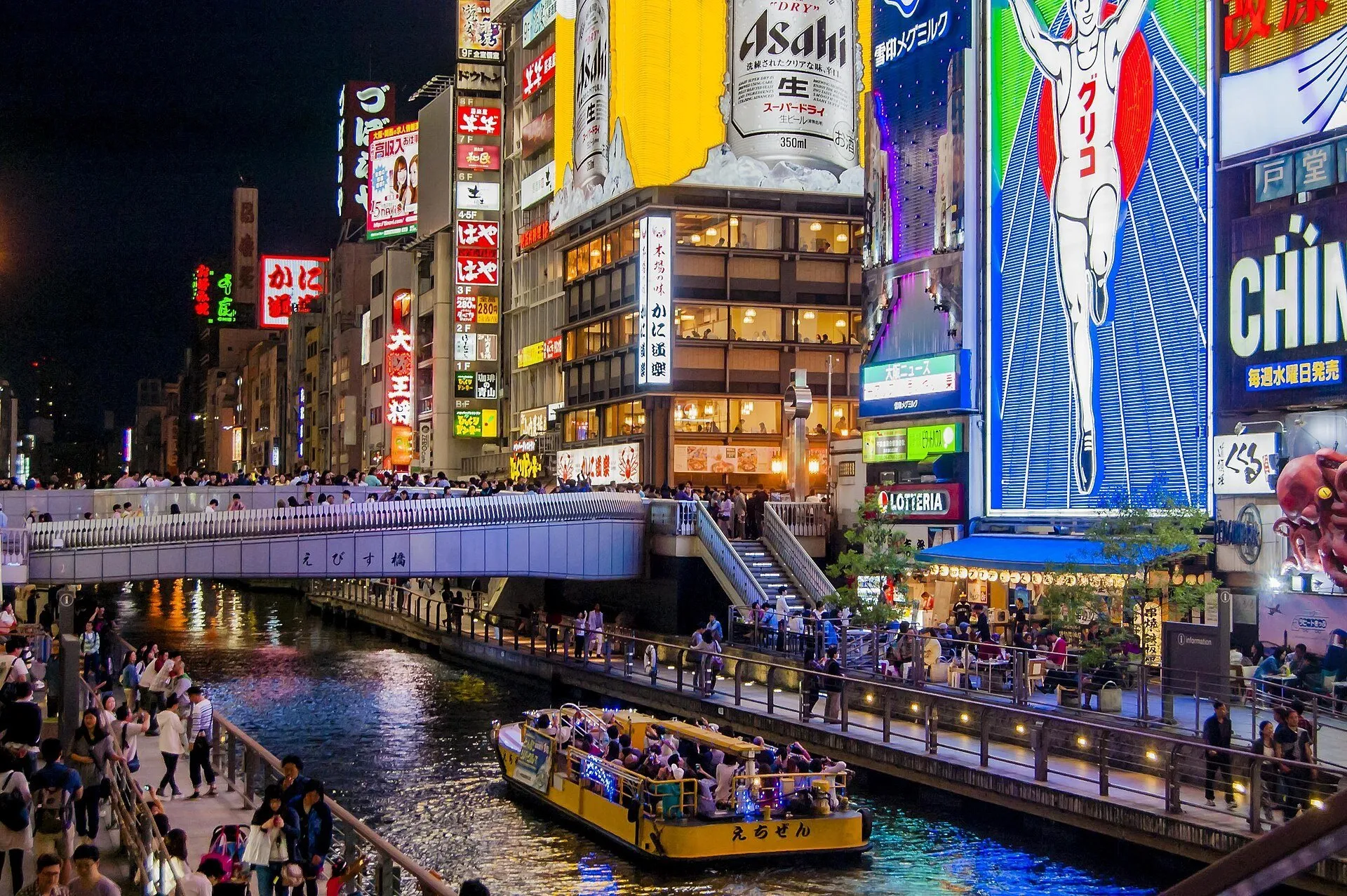
In Dotonbori, a giant crab competes for your attention with the Glico runner. You raise your camera, catch the smell of a hot griddle and remember you also came to Osaka to eat.
Osaka starts negotiating with your stomach before you pick a restaurant. In Dotonbori, huge signs advertise crab, the canal gives back the lights of the façades and a takoyaki griddle turns into sidewalk theater. But it pays to look up from your plate: there are moats around the castle, Buddhist courtyards at Shitennoji and an island of gardens and old buildings in Nakanoshima. The day works best when you leave room for these changes of pace.
Think of the itinerary by area. The castle, Nakanoshima and Umeda make one day of walking with some transit in between; Tennoji, Shinsekai and Namba fill another. The bay deserves its own block, especially if the Kaiyukan Aquarium makes the plan. Three days let you see all these pieces without turning every meal into a race. This guide has two observation decks: pick both if you love architecture and views, or save a ticket and stretch your break in the park.
The figure with raised arms in Dotonbori is a Glico advertisement: an ad that became a meeting point.
Osaka Castle's main tower is a modern reconstruction, funded in part by local residents; its old-world look can fool you.
At the Umeda Sky Building, the Floating Garden is mostly an observatory: don't expect a big flower bed up there.
Kuromon means "black gate," a reference to an old temple gate; today the fish stalls draw more glances.
1Moats, stone walls and roofs with golden details surround a rebuilt keep that houses a museum about the castle and lets you look out over Osaka from above.
View details for Osaka Castle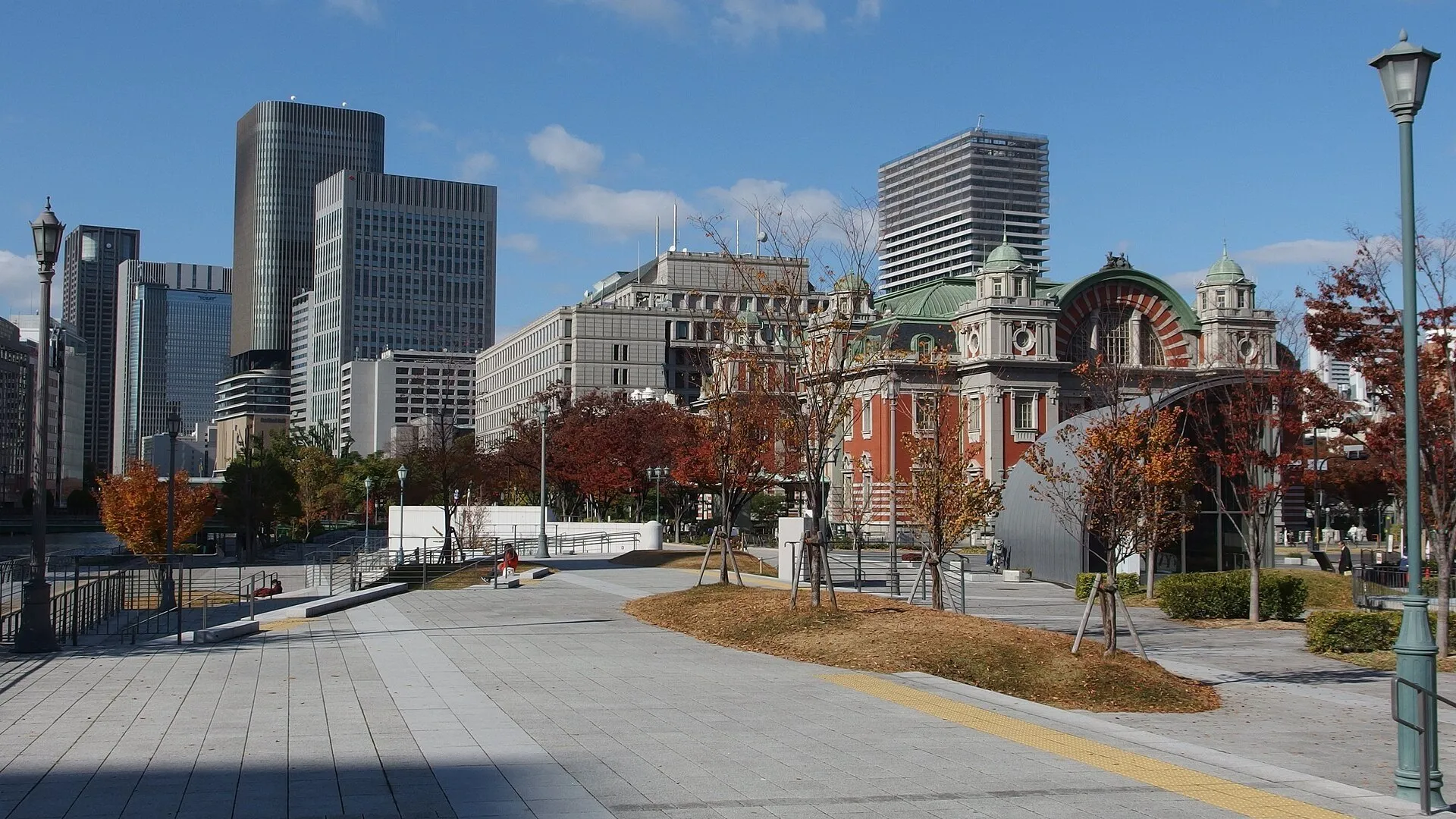 2
Between the Dojima and Tosabori rivers, the island offers a waterside stroll, a rose garden and old façades, including the reddish-brick public hall.
View details for Nakanoshima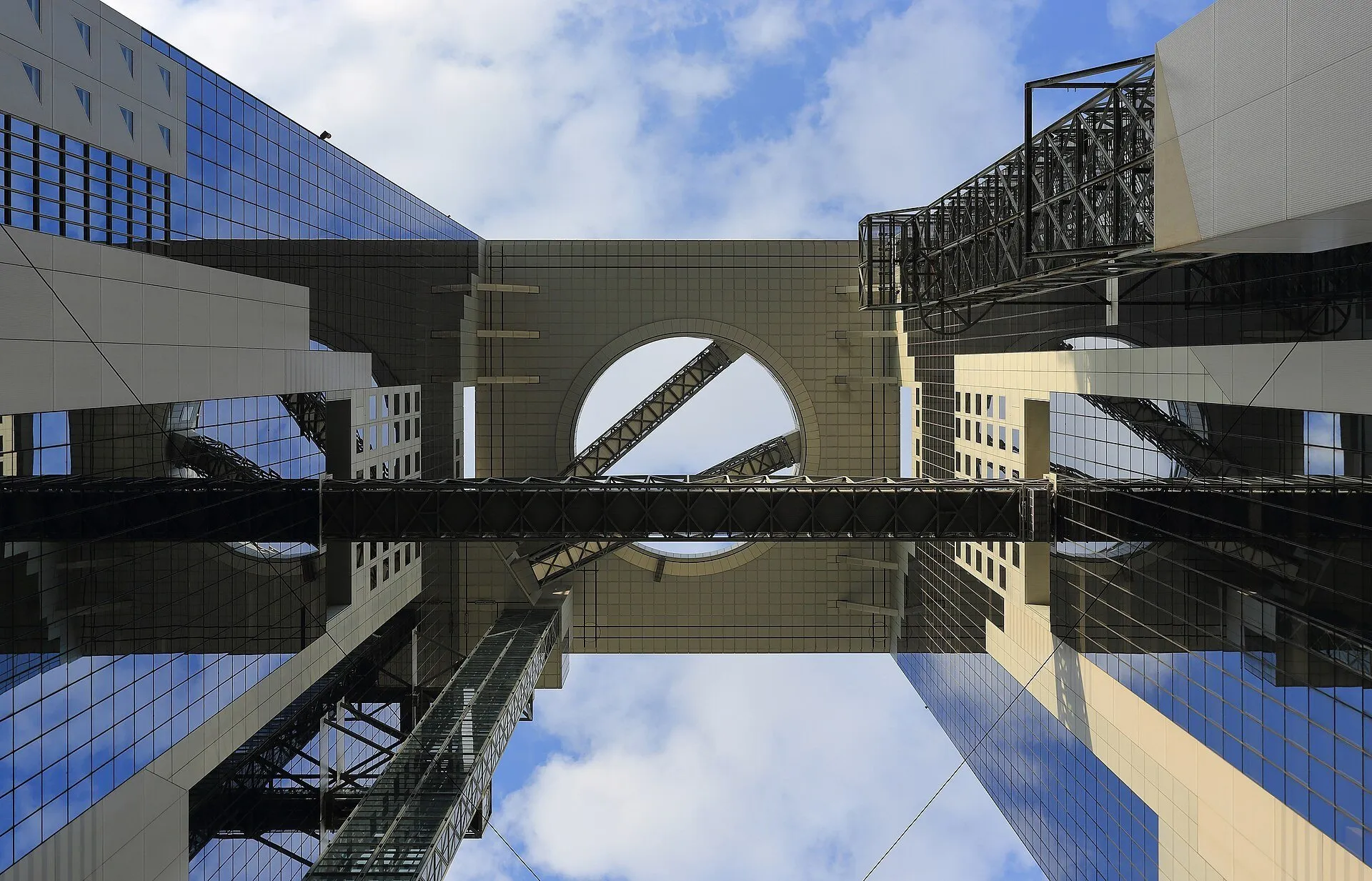 3
Towers joined at the top, glass-enclosed escalators and an open terrace make this Umeda building an architecture outing with a view over the city.
View details for Umeda Sky Building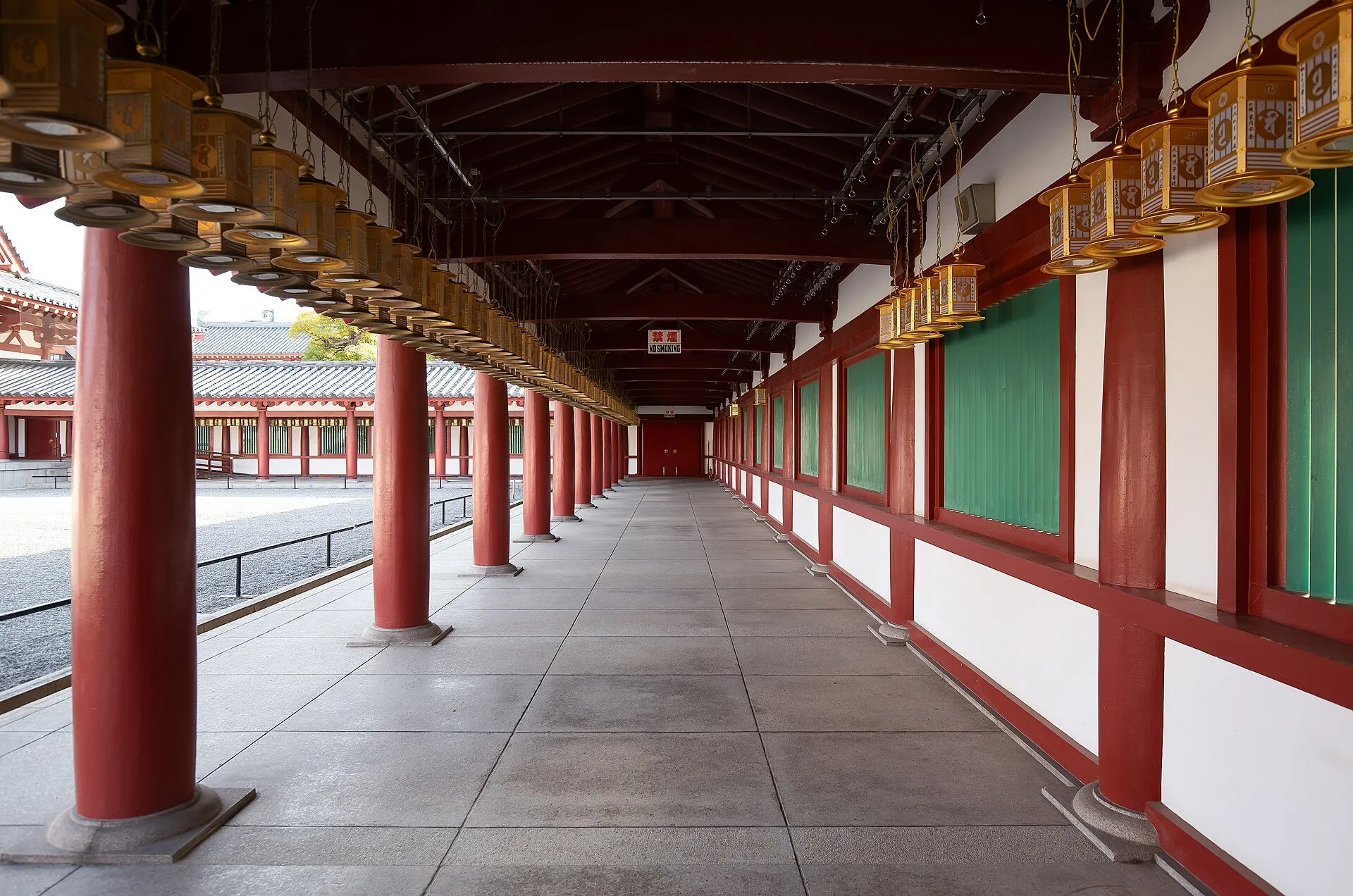 4
A pagoda and Buddhist halls tied to Prince Shotoku make up a temple still in use, with courtyards that help you understand an Osaka beyond its shopping streets.
View details for Shitennoji Temple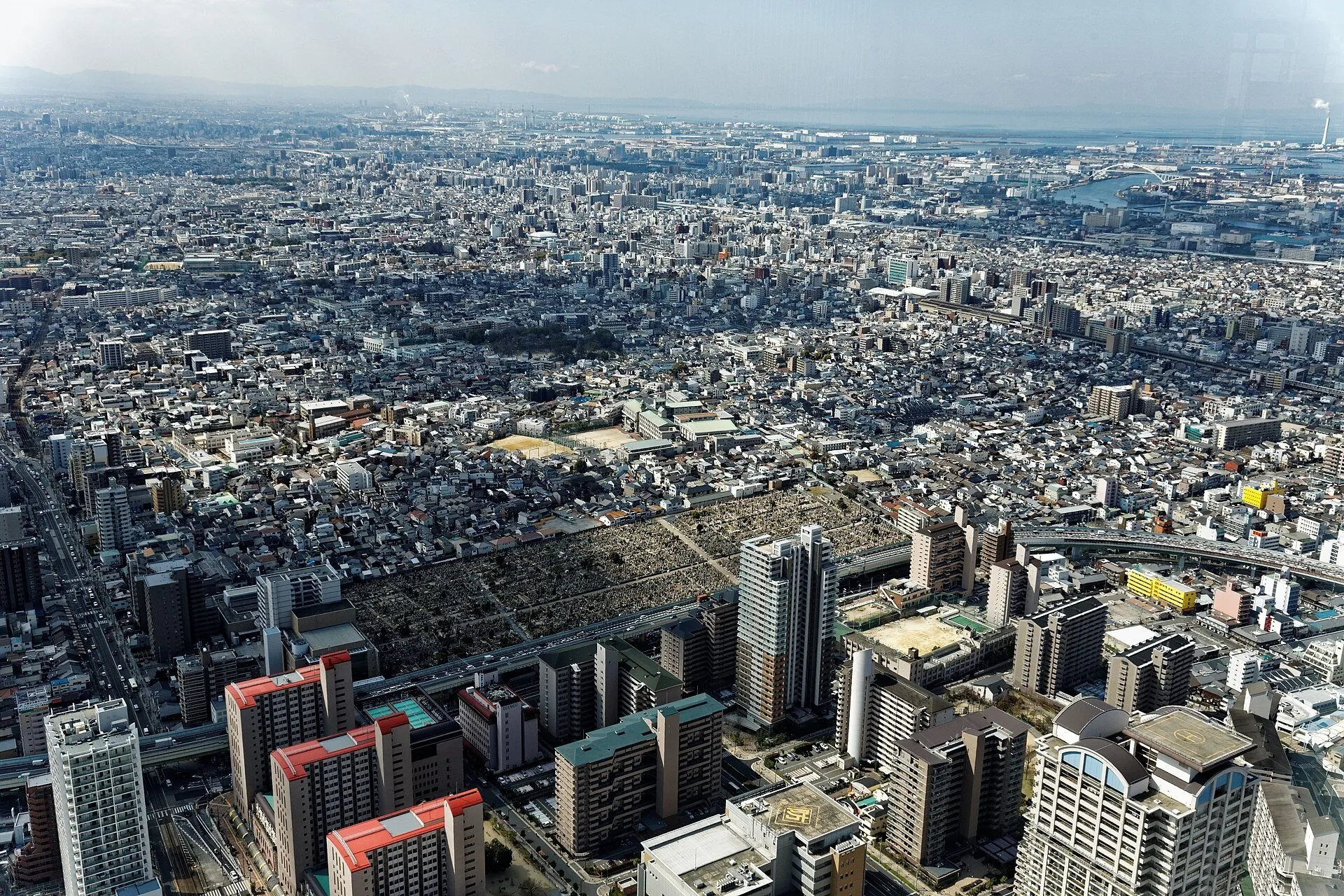 5
The Abeno Harukas observatory combines glass galleries and a courtyard open to the sky, with the Tennoji area spread out far below.
View details for Harukas 300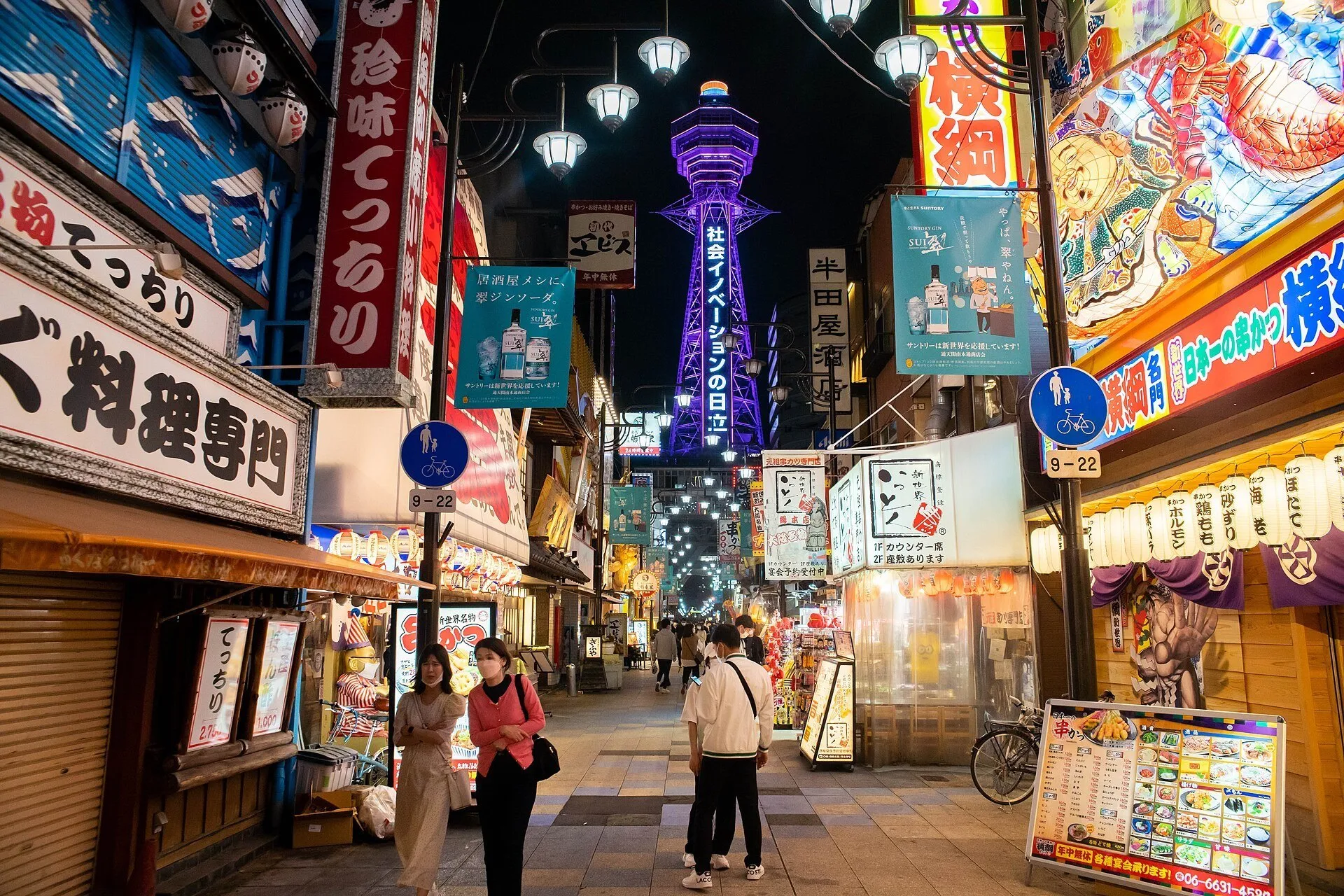 6
Under the Tsutenkaku tower, streets of big signs and the Janjan Yokocho alley invite you to explore the neighborhood and sit down for kushikatsu skewers.
View details for Shinsekai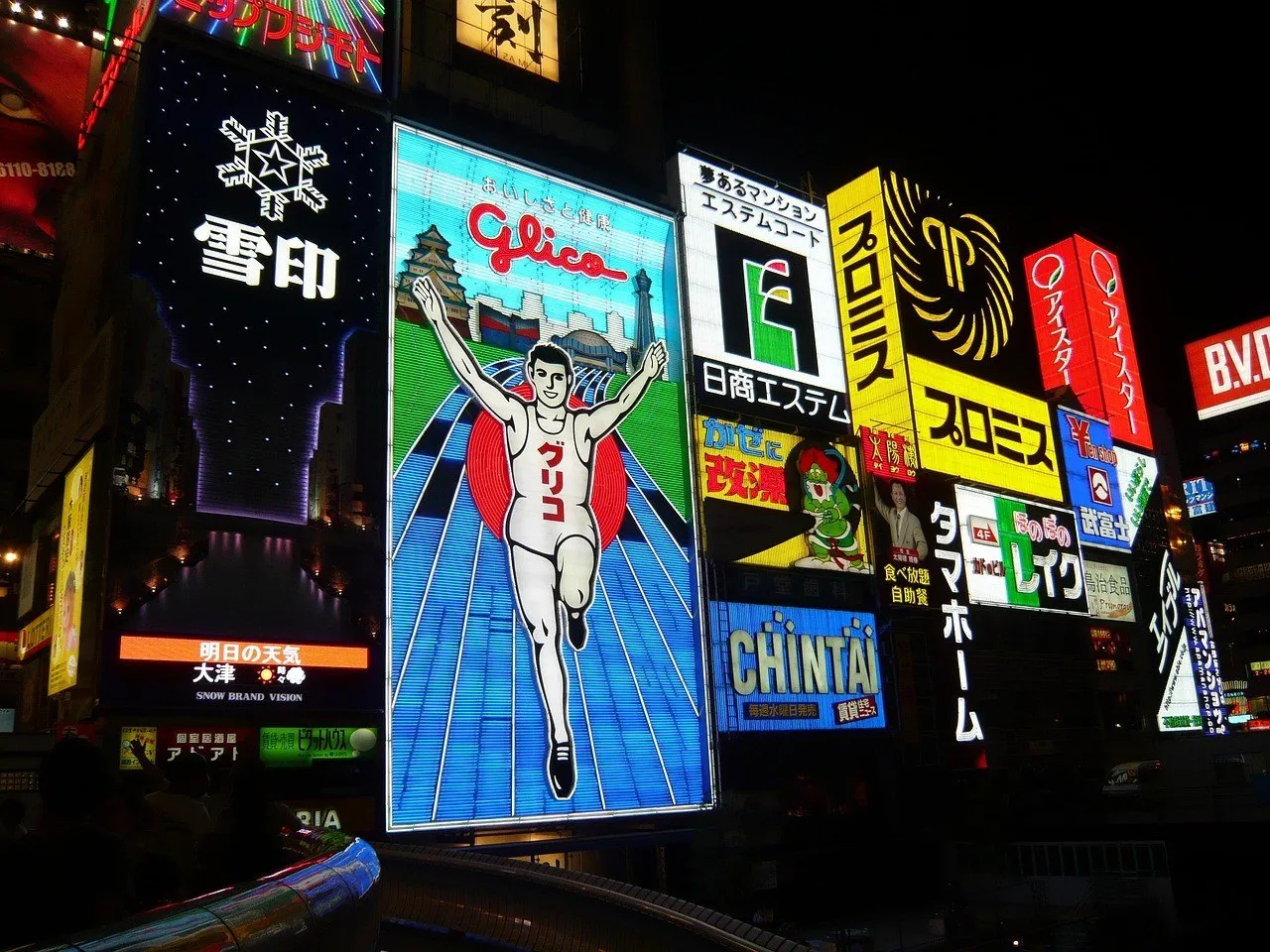 7
The canal, the Ebisubashi bridge and giant food signs pack in an Osaka night where the itinerary ends up following the smell of the griddles.
View details for Dotonbori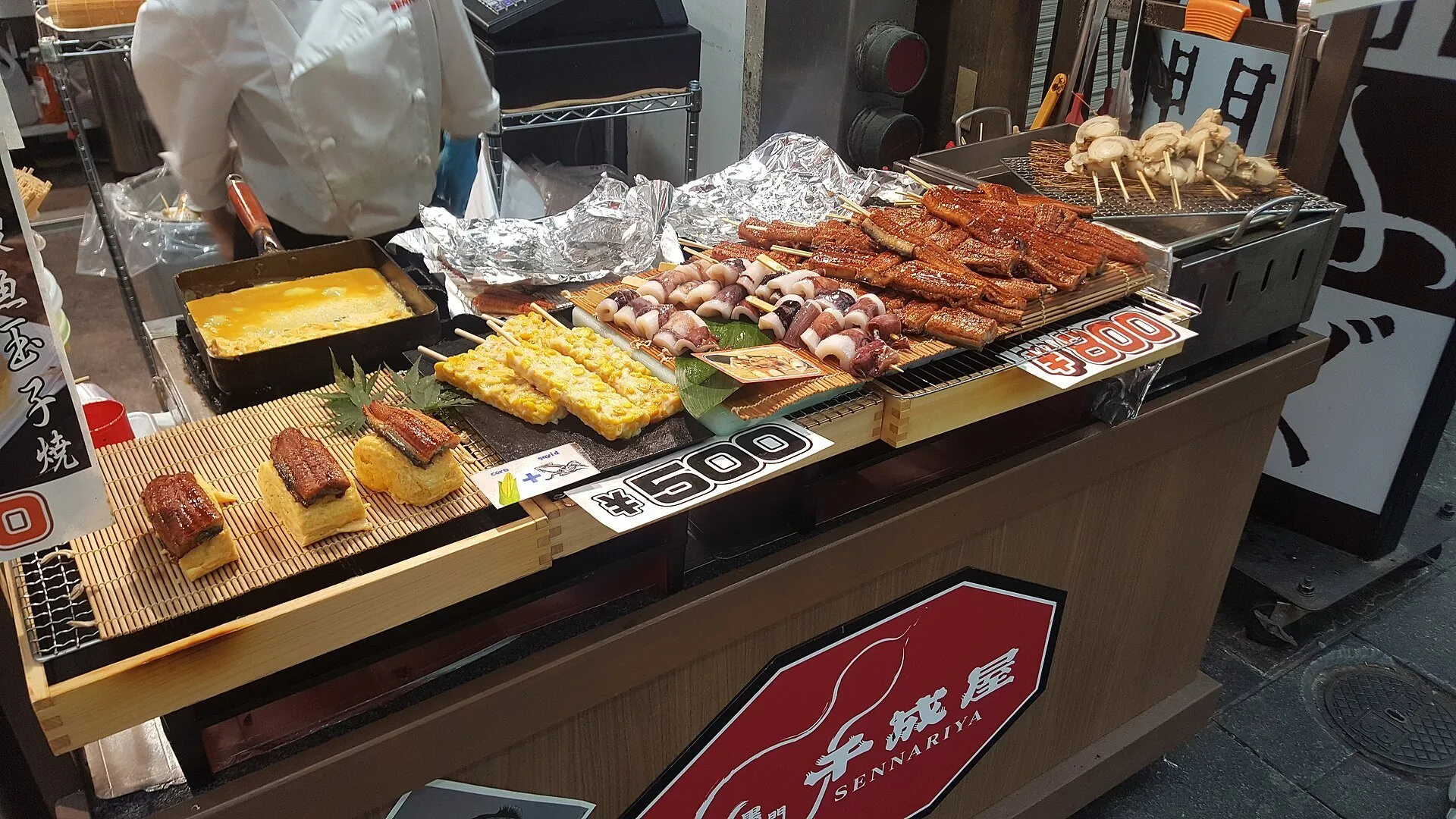 8
Fish, meat, fruit and ready-to-eat portions share this shopping arcade near Namba, a good place to build a meal from small stops.
View details for Kuromon Market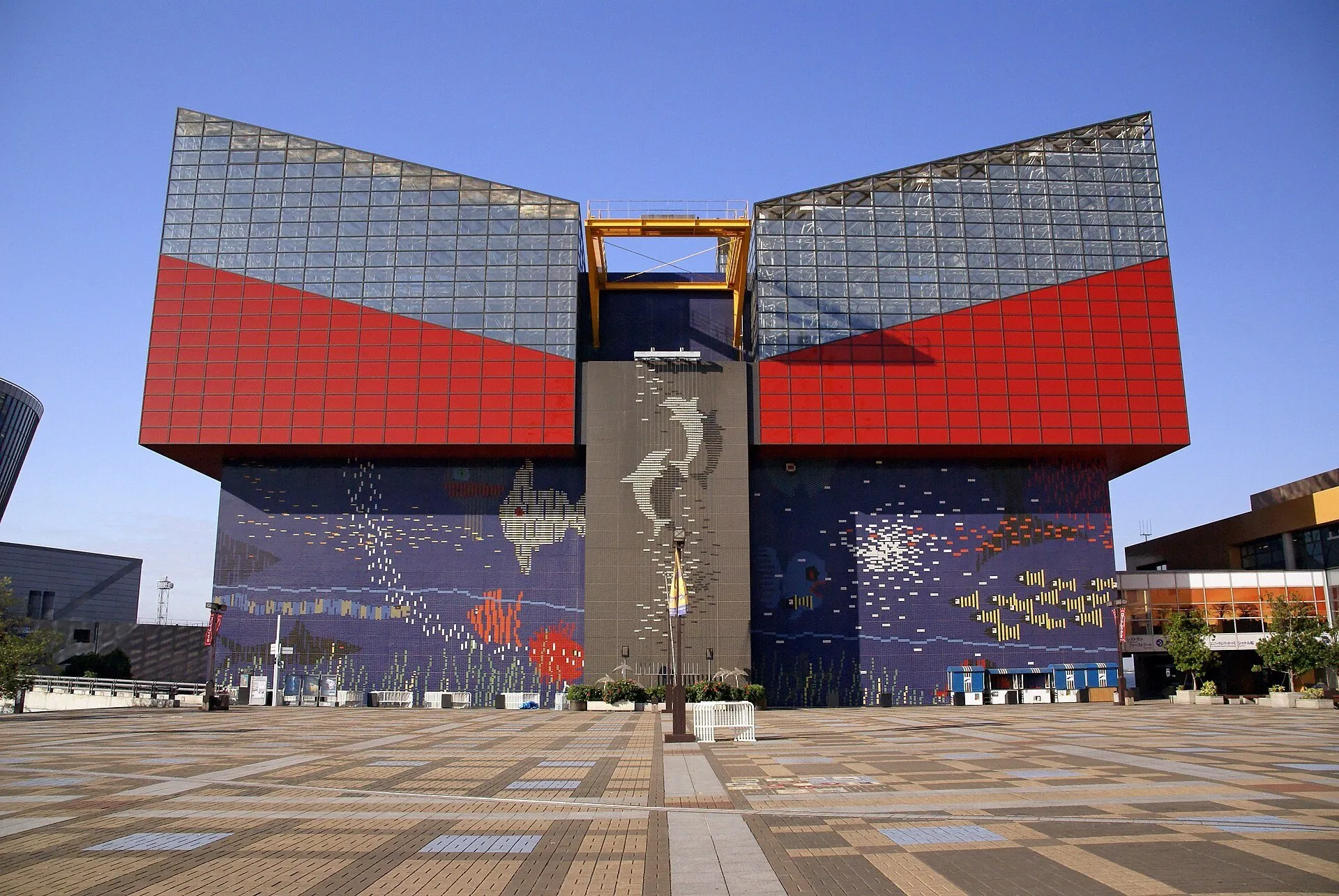 9
On Osaka Bay, the route winds down around a huge tank and presents Pacific habitats; allow time to watch without rushing from glass to glass.
View details for Kaiyukan Aquarium1First come the walls and moats; then green roofs and golden details. The castle is tied to Toyotomi Hideyoshi, a central figure in the unification of Japan, but its main tower is a modern reconstruction. Inside is a museum rather than preserved quarters of a feudal lord.
Count the park as part of the outing. The station doesn't drop you at the door of the keep, and the walk between gates is part of the visit. Going up is worth it for the history and the view; looking at the whole complex from outside also makes for a good morning.
2Between river branches, Nakanoshima offers a horizontal pause in an Osaka full of elevators. Walk through the park, look for the rose garden and take note of the Osaka City Central Public Hall, the reddish-brick public hall. The prefectural library is also part of the façade tour.
The garden changes with the seasons: don't count on roses in every month. Even without flowers, the water and the paths give you a reason to slow down. You can stay outside; going into the island's buildings or museums means checking the schedule and extending the visit.
3The glass-enclosed escalators cross the gap between the towers and start the outing before you reach the observatory. At the top, the Kuchu Teien has an open loop for looking out over Osaka. The so-called Floating Garden works mostly as a viewpoint; if you were expecting a vegetable patch, you'll need to adjust the plan.
Try to catch the shift from day to night if the sky cooperates. Leave extra time to find the entrance from Osaka Station. The exposed terrace depends on the weather, and fog doesn't get any better just because the ticket was expensive.
4The pagoda and the halls of the central core follow an axis that organizes the eye. Founded by Prince Shotoku, Shitennoji holds an important place in the history of Japanese Buddhism. The complex has been rebuilt over time: the institution is older than many of the buildings in front of you.
Take in the architecture while remembering that people are here to pray. Walk through the courtyards and see which areas are open; the garden and the central core may have different visiting conditions. On market days the crowds grow, so the calendar matters as much as the map.
5At Abeno Harukas, the landscape appears through glass walls and turns Tennoji into a drawing of streets. Harukas 300 combines the panoramic gallery with a courtyard open to the sky. Try to spot the temple and the Tsutenkaku tower below.
The viewpoint has its own set of elevators inside the complex: look for the signs. If you've already been up the Umeda Sky Building, choose according to your interest; here there is plenty of space sheltered by glass. With poor visibility, save your money for another dish in Namba.
6The Tsutenkaku tower rises above the signs and works as a landmark for strolling around Shinsekai. On the surrounding streets, façades compete for space with food ads. Enter through Janjan Yokocho, a shopping lane whose kushikatsu restaurants give you a reason to forget the clock.
This outing is about the neighborhood, with no need for one more observation deck. Adding the tower means a ticket and extra time. For the meal, compare menus: choosing by the size of the sign is a fun method, just not a budget.
7A huge crab on the façade, the Glico runner and reflections in the canal: Dotonbori needs no phone filter. The area grew up around theaters and also became established as a destination for restaurants. Today the hard part is walking without stopping to pick a snack.
Cross the Ebisubashi to look at the signs and go down to the canal walk when it's open. Then decide on dinner with the menu in plain view. The bridges attract photographers: finish your shot and make room for the next traveler to go after the same frame.
8At Kuromon, the next decision is in the display case: fish, meat, fruit or something grilling that you have yet to identify. The market combines food trade and shops with ready-to-eat portions, in a covered lane near Namba. You can look at ingredients and eat little by little.
Check when the stalls are open: there is no single schedule for all of them. Compare portions and prices; the outing can get expensive before it turns into lunch. Eat in the spots the vendor points out and keep the walkway clear for people working or shopping.
9The visit goes up first and then winds down around the tanks, showing habitats associated with the Pacific. The central tank, known for its whale sharks, reappears at different heights. The charm lies in these shifts of perspective: you recognize the same animal and yet see another scene.
The Kaiyukan is in Tempozan, by the bay, outside Namba's walking circuit. Set aside the afternoon for the aquarium and the port area, travel time included. Confirm the program: animals and exhibits change, and there's no list of guaranteed sightings.
Osaka, Umeda and Shin-Osaka are not the same boarding point: check the station and the operator. The ICOCA card makes payment easier on compatible services, but it is not an unlimited pass and doesn't automatically cover surcharges.
Kansai and Itami have different connections to Osaka. Choose your transport based on your hotel's location and your flight's arrival, checking connections and the last service.
Umeda and Harukas show different parts of the city, but nobody has to pay for both. Compare single tickets and passes for the attractions you choose, including time restrictions.
At Shitennoji, respect the prayer areas and photography rules. At Kuromon, eat where the stall points you; in Dotonbori, find a corner before you open the map.
Spring and autumn favor walking. Summer tends to be hot and humid: take breaks and carry water. In heavy rain, check alerts and transit operations.
On the bridges of Dotonbori and in stations, keep an eye on your bag while you take photos or look for an exit. Save your lodging's address in Japanese to make getting back easier.
Split your appetite: small portions at Kuromon, kushikatsu in Shinsekai and okonomiyaki for a sit-down meal. In Dotonbori, compare the menu before joining the line. Sauces and broths may contain animal ingredients even in vegetable dishes; confirm the preparation if you have dietary restrictions.
Batter balls with pieces of octopus, cooked on a griddle with molds; on the outside they look ready for a photo, on the inside they may take some patience to cool down.
Batter with cabbage and additions such as meat or seafood, cooked on a griddle and finished with sauces; a good reason to trade the snack for a table.
Breaded, deep-fried skewers, with options of meat, seafood and vegetables; order a few first to find out which one you'll want again.
We use cookies and similar technologies, such as Google Analytics, in accordance with our Privacy Policy and, by continuing to browse, you agree to these terms. You can decline at any time in the policy.