 1
Gardens and parks
Yu Garden
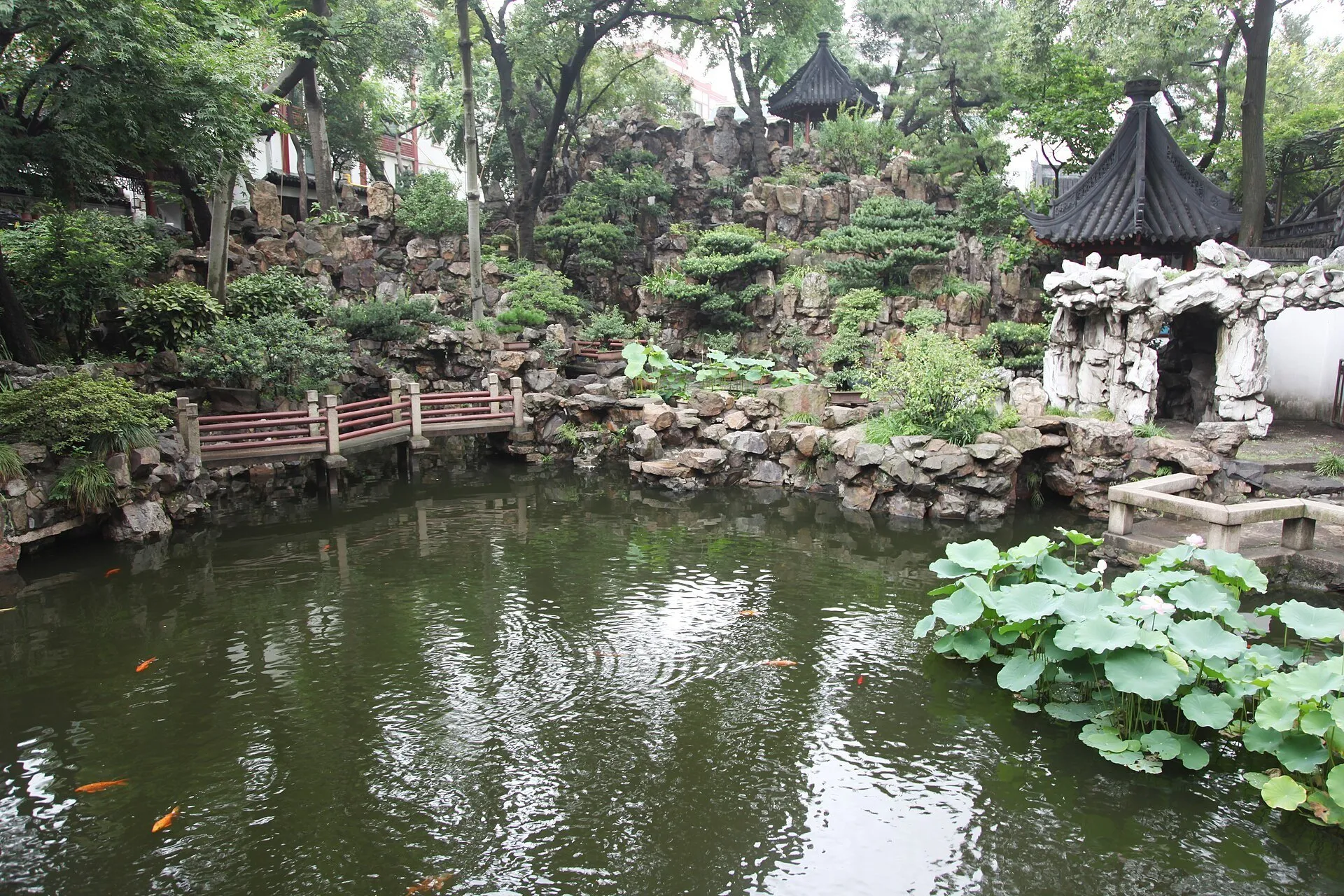
Pavilions, ponds and rocks make up this former private garden from the Ming dynasty, set apart from the busy bazaar filling the surrounding streets.
View details for Yu Garden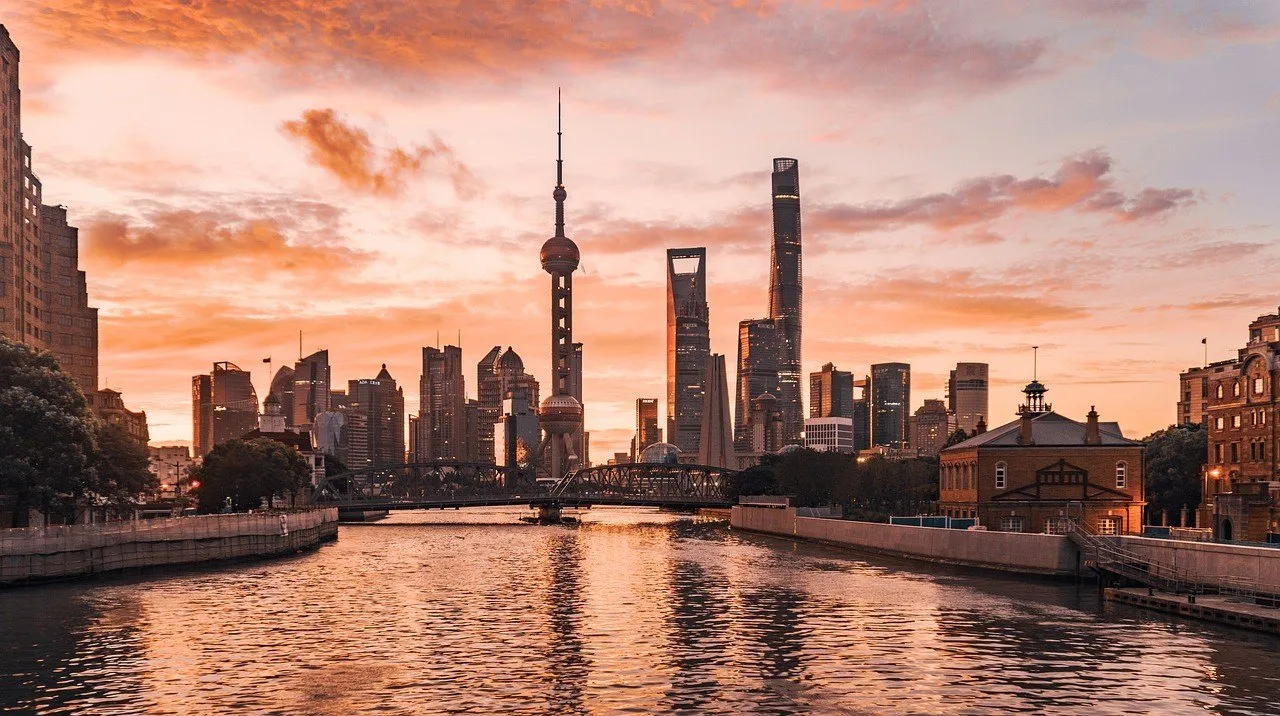
On the Bund, you point your phone at the skyscrapers of Pudong, turn around and find old bank facades. Shanghai demands a camera on both sides and a pause for xiaolongbao.
The broth inside a xiaolongbao doesn't show up in photos, but it shows up on the first hurried bite. Starting Shanghai with a basket of these dumplings helps you understand the city: a lot is going on inside what looks small. Then come the rock gardens, the temple courtyards and the alleys full of shops. And when you reach the Huangpu, the scale changes completely: the buildings of Pudong compete for space in your frame.
The river organizes the visit. To the west are the Bund, the old city and the residential streets that earned the former French Concession so much fame among walkers; to the east, Pudong holds the Shanghai Tower observation deck and the East branch of the Shanghai Museum. Divide your days by area and use the metro between blocks. The distances between sights catch up with anyone who plans an itinerary looking only at the little icons on the map.
Bund reached English through Hindustani and meant an embankment or dike along the water; the name had a journey of its own before yours.
Tianzifang had factories and workshops before becoming an address for studios and shops: the alleys also tell the industrial story of Shanghai.
Jing’an Temple was once known in English as Bubbling Well Temple, because of a bubbling spring; a replica recalls that story within the complex.
You may find shengjian called mantou, even though it comes filled: in Shanghai, that older use of the word has survived.
1Pavilions, ponds and rocks make up this former private garden from the Ming dynasty, set apart from the busy bazaar filling the surrounding streets.
View details for Yu Garden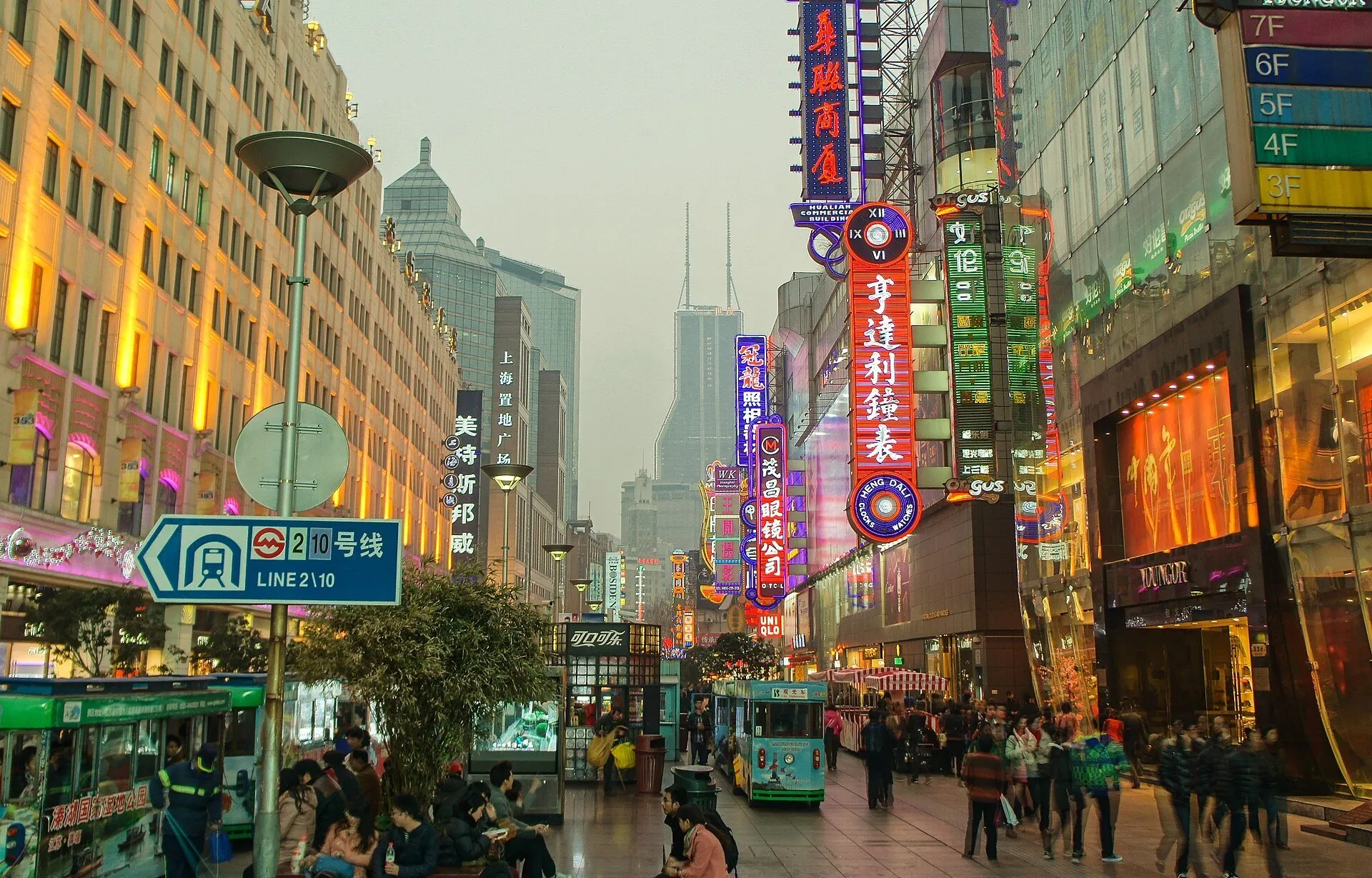 2
Vertical signs, big stores and old brands line the shopping street that leads to the Bund; it's worth a walk even if you buy nothing.
View details for East Nanjing Road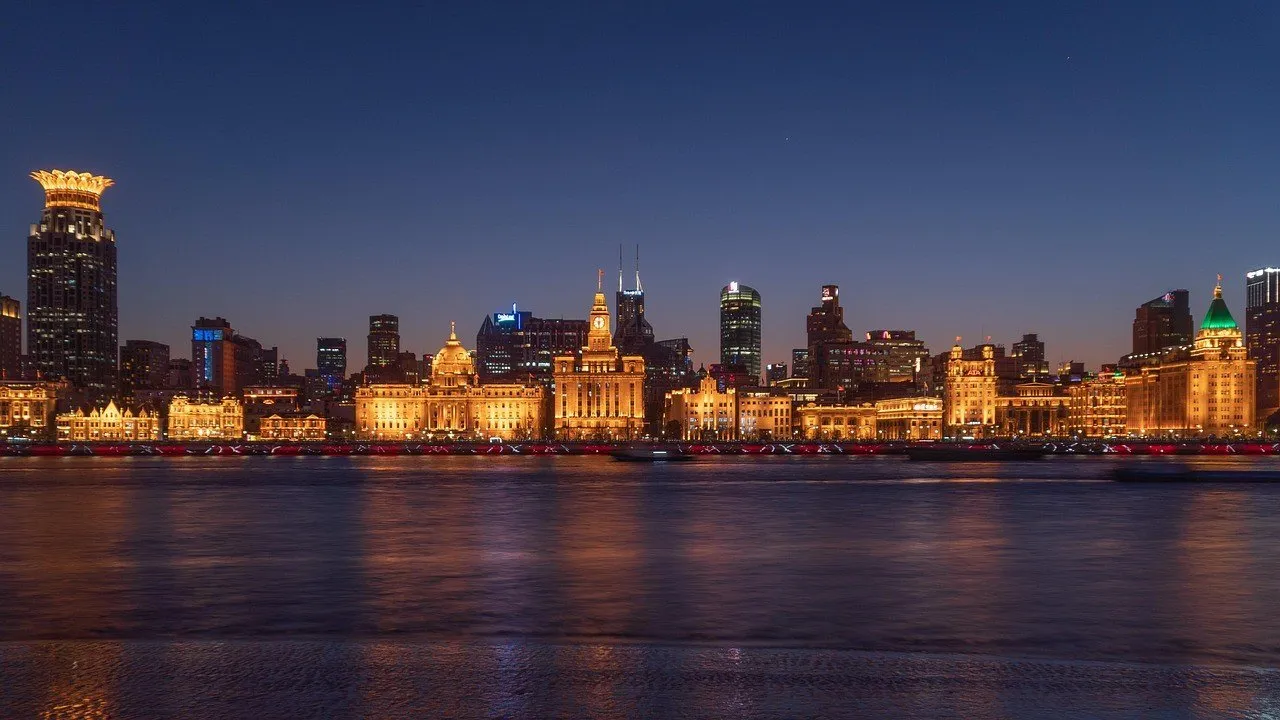 3
The promenade along the Huangpu puts old bank facades on one side and the skyscrapers of Lujiazui on the other, with the river stitching the view together.
View details for The Bund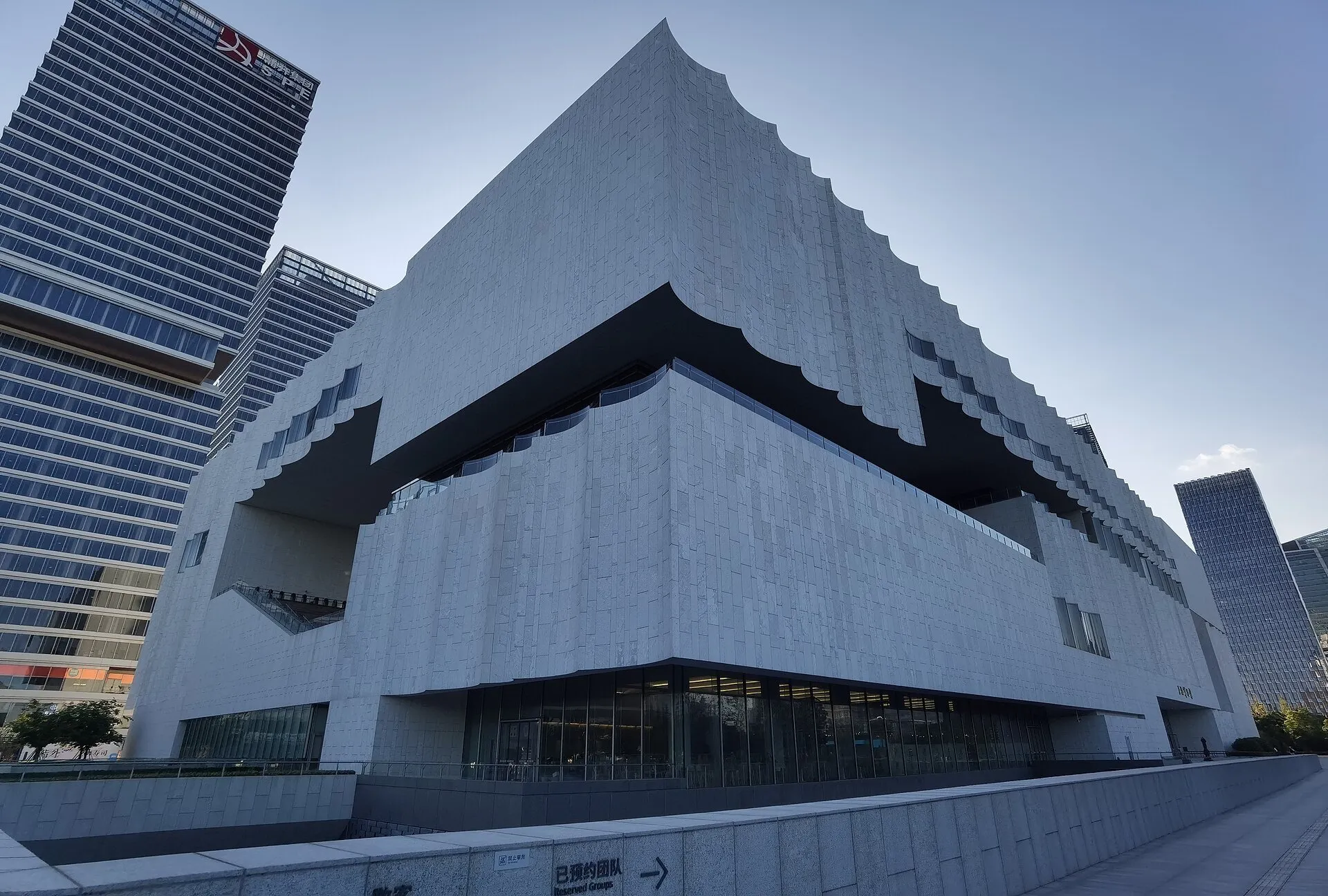 4
The East branch of the Shanghai Museum holds Chinese art galleries in Pudong; pick your themes and confirm the address so you don't end up at People's Square.
View details for Shanghai Museum East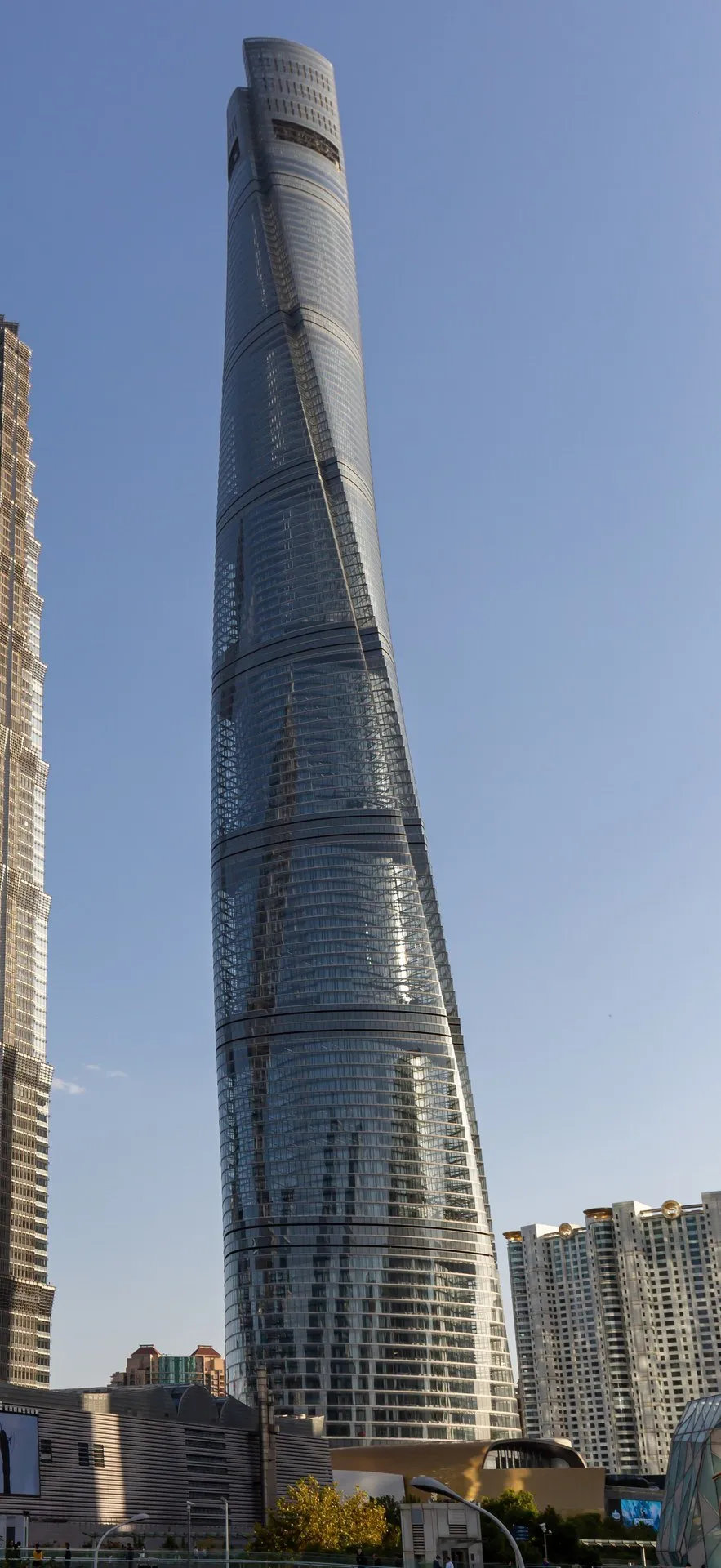 5
The twisting tower houses the Top of Shanghai observation deck, from which the Huangpu and the buildings of Lujiazui take on a different scale.
View details for Shanghai Tower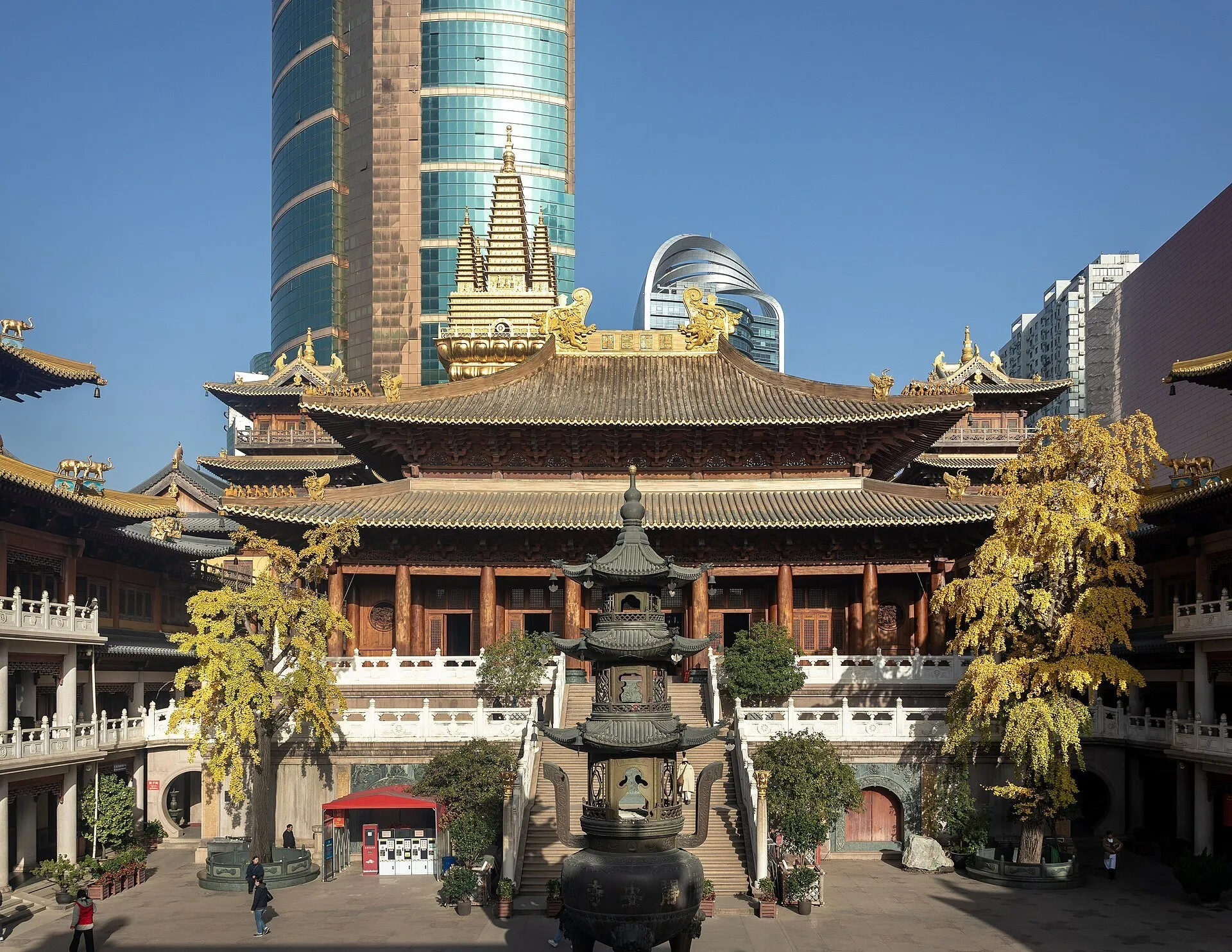 6
Golden roofs and courtyards of a Buddhist temple appear among the commercial buildings of West Nanjing, in a visit easy to combine with the center.
View details for Jing’an Temple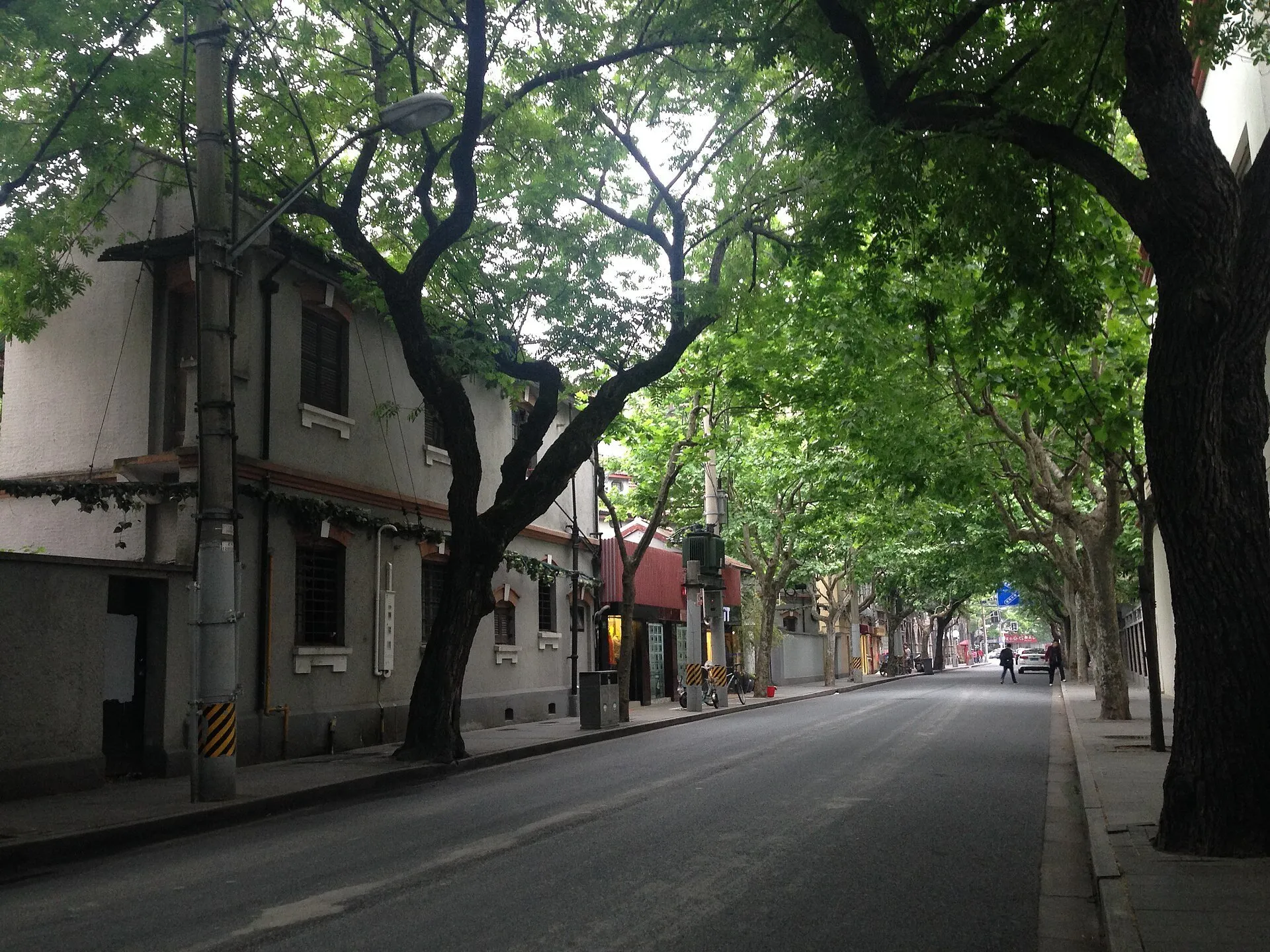 7
Houses, residential buildings and small shops make Wukang a walk for noticing facades and slowing down.
View details for Wukang Road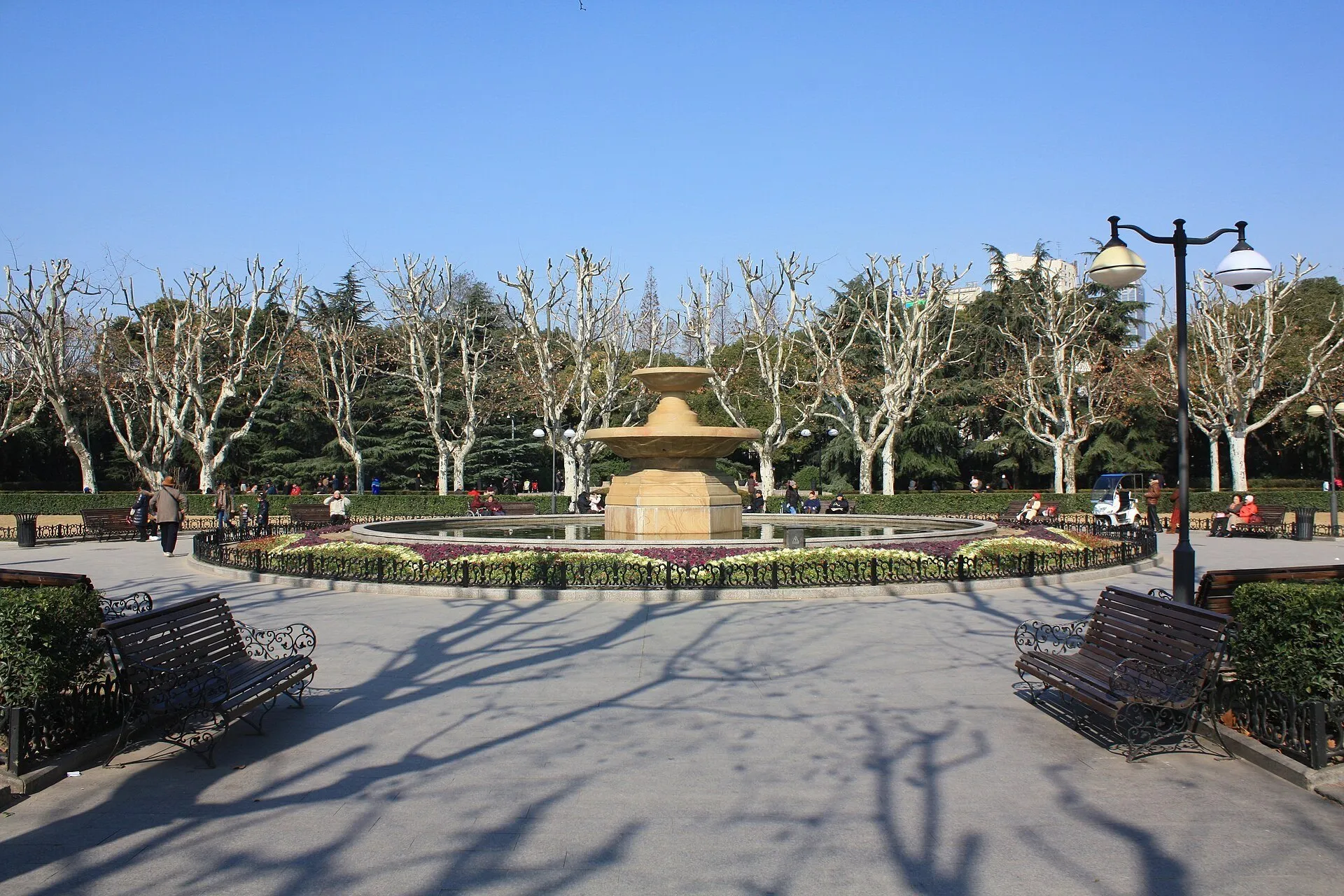 8
French-style flower beds, trees and paths make this central park a pause between the facades of Wukang and the alleys of Tianzifang.
View details for Fuxing Park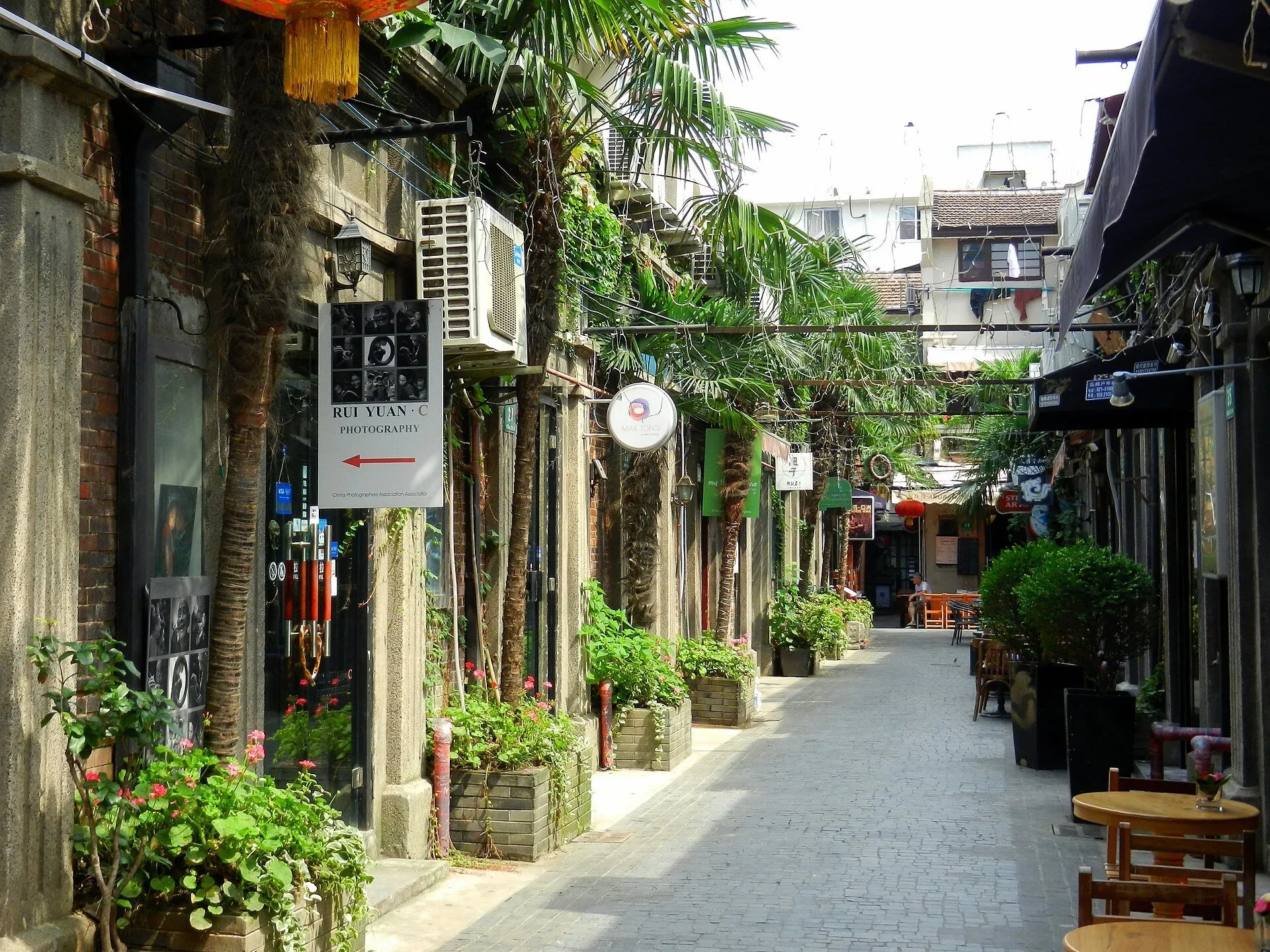 9
Narrow alleys among shikumen houses, former workspaces, cafes and creative shops make for an unhurried stroll on Taikang Road.
View details for Tianzifang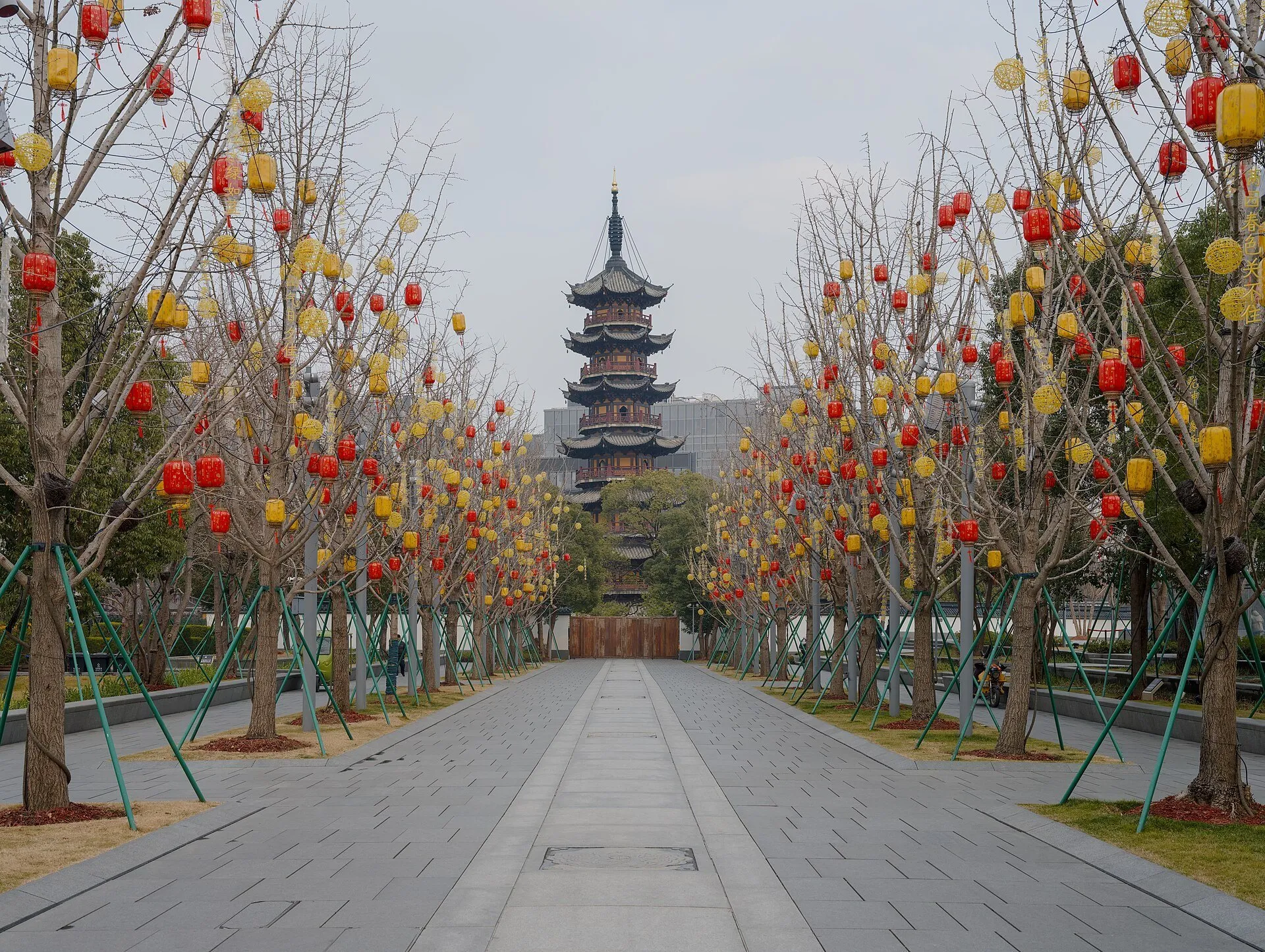 10
Longhua Buddhist temple and the nearby octagonal pagoda offer another religious visit in Xuhui, as an option for a less rushed morning.
View details for Longhua Temple and Pagoda1The rocks divide the space, hide paths and reveal another pavilion just when you thought you had seen everything. Yu Garden began as a private garden in the Ming dynasty, next to the City God Temple, in the old part of Shanghai.
Keep the garden separate from the stroll through the bazaar. Inside are water, stone and pavilions; outside, shops and restaurants. Wandering through the stores is no substitute for entering the garden, an easy mix-up when the map only says “Yuyuan”.
2The walk has storefronts on both sides and signs trying to squeeze into the same photo. East Nanjing brings together major brands and traditional shops along a pedestrian stretch popular with visitors. Looking at facades and ads already fills the way, even if you buy nothing.
Walk toward the Bund to end facing the river. Step out of the flow of people when checking your map. Mind the name: this spot is East Nanjing, not the West section where Jing’an Temple stands.
3You arrive planning to photograph Pudong and end up turning around to the buildings behind you. The Bund follows the west bank of the Huangpu, across from Lujiazui, with bank facades tied to the foreign presence. Columns and Art Deco details also deserve a look.
Walk the waterfront and view the buildings from the avenue side, using the marked crossings. Late afternoon lets you watch the light change; the night lighting depends on the local schedule. Bring plenty of battery for both sides.
4The visit starts with choosing the address. The Shanghai Museum has branches in Pudong and at People's Square; this itinerary visits the East one, with galleries of bronzes, ceramics, jade and calligraphy. Pick themes instead of trying to exhaust the collection.
Compare materials and techniques through the labels. The rules consulted allow general individual entry without a reservation, with a valid original ID; interactive spaces and special exhibitions may have their own conditions. Bring your passport and confirm the current policy and the weekly closing day.
5At the observation deck, the towers start sharing the landscape with the curves of the river and the avenues. Top of Shanghai is on the 118th floor of the Shanghai Tower. The fun is recognizing the waterfront from the day before, now reduced to a line beside the water.
Visibility matters more than enthusiasm: clouds can hide the view. Check the ticket, since the complex offers experiences beyond the observation deck. After the ride up, look at the twisting facade from street level, with no observatory glass in the way.
6The gold of the roofs shows up between offices and stores on West Nanjing Road. Once you step into the courtyard, slow down: Jing’an is a working Buddhist temple, with prayer halls and wooden details that deserve quiet attention.
The well that gave it its English name, Bubbling Well Temple, is gone, but a replica keeps the memory alive in the complex. Dress modestly, follow the signs and give space to the people who came to practice their religion.
7On Wukang, you swap the tallest building for details in the windows. The Xuhui street gathers homes in varied styles and addresses like Ferguson Lane, with shops and restaurants. The former home of the writer Ba Jin is here too.
Walk without turning every gate into a required stop. Notice the roofs and balconies, with a pause to eat. Many entrances belong to residents: the proposed walk stays on the street and in the establishments open to the public.
8The orderly flower beds change the rhythm after the storefronts and the commuting. Fuxing Park keeps a French garden design, with a rose garden, a pond and tree-lined paths near Huaihai Road. Sitting down and letting the camera rest also counts as sightseeing.
The statue of Karl Marx and Friedrich Engels shares the space with flowers and trees. Set aside one stretch for walking and another for the break. The park breaks up the day before the alleys of Tianzifang, without demanding a checklist of corners.
9You step in to look at one shop and, at the next fork, you're no longer sure how you got there. Tianzifang is a mix of alleys and varied buildings, including shikumen houses with stone gateways. Factories and workshops also left their mark on this corner of Taikang Road.
Notice the details above the shop windows and pick a spot for a coffee break. Souvenirs are on sale and there are plenty of tourists; the passages are as interesting as the shops. Respect private areas, and don't walk through residential doors to peek into the courtyards.
10The pagoda gives you the first reason to look up: its octagonal plan and stacked roofs draw a profile unlike the towers of Pudong. Next to it is Longhua Temple, a large Buddhist complex to visit with discretion.
Longhua is outside the main itinerary. Swap it for part of the third day or add a morning, rather than adding one more trip out of obligation. Treat the pagoda as an exterior visit: we don't assume you can climb it or go inside. Confirm which areas are open and the temple's photography limits.
Combine walks through each neighborhood with the metro for longer stretches. There are single tickets, passes and digital options: compare them against your trips. Confirm the terminal and service before heading to the airport.
Set up and test Alipay or Weixin Pay with an eligible foreign card before the trip. Check fees on the screen and carry a physical card and yuan as backups; acceptance varies.
Bring your original passport when ID is required. The Museum East and the People's Square branch have different addresses, schedules and rules: check the full name before booking.
At temples, dress modestly, speak quietly and check the photography rules. On residential streets, keep entrances clear and take photos from public areas, without stepping through gates.
Spring and autumn favor walking; summer is hot and humid. There is typhoon risk in the shift toward autumn. Follow local alerts and book the observation deck according to visibility.
On the Bund and East Nanjing, keep your bag closed and cross at the marked crossings. Combine streets and park with paid attractions; choosing a single observation deck already gives you a good panorama.
The steam from the baskets and the golden bottoms of the shengjian announce a break to eat. Order small portions to compare doughs and fillings. The dumplings can hold very hot broth: a spoon, a small bite and patience are part of the equipment. Confirm ingredients if you have dietary restrictions.
Steamed dumplings with thin dough and a broth-filled center; Nanxiang is a local reference for this tradition.
Filled buns, often with pork, with a fried, crispy base; there are versions with more or less broth.
We use cookies and similar technologies, such as Google Analytics, in accordance with our Privacy Policy and, by continuing to browse, you agree to these terms. You can decline at any time in the policy.