 1
Museums
Maya Museum of Cancún
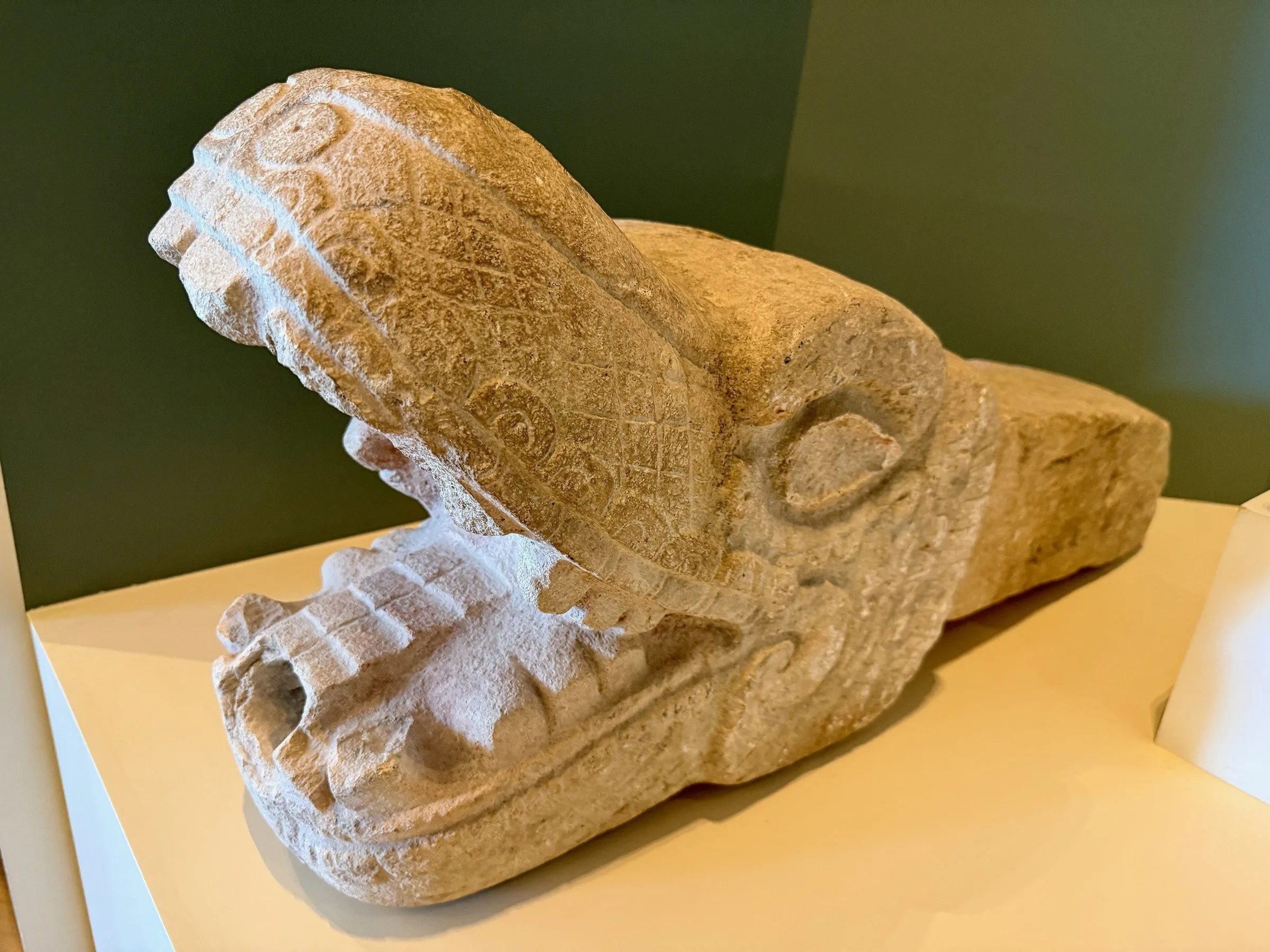
Pieces from Quintana Roo and other Maya regions help explain what was here before the resorts; the visit pairs easily with San Miguelito.
View details for Maya Museum of Cancún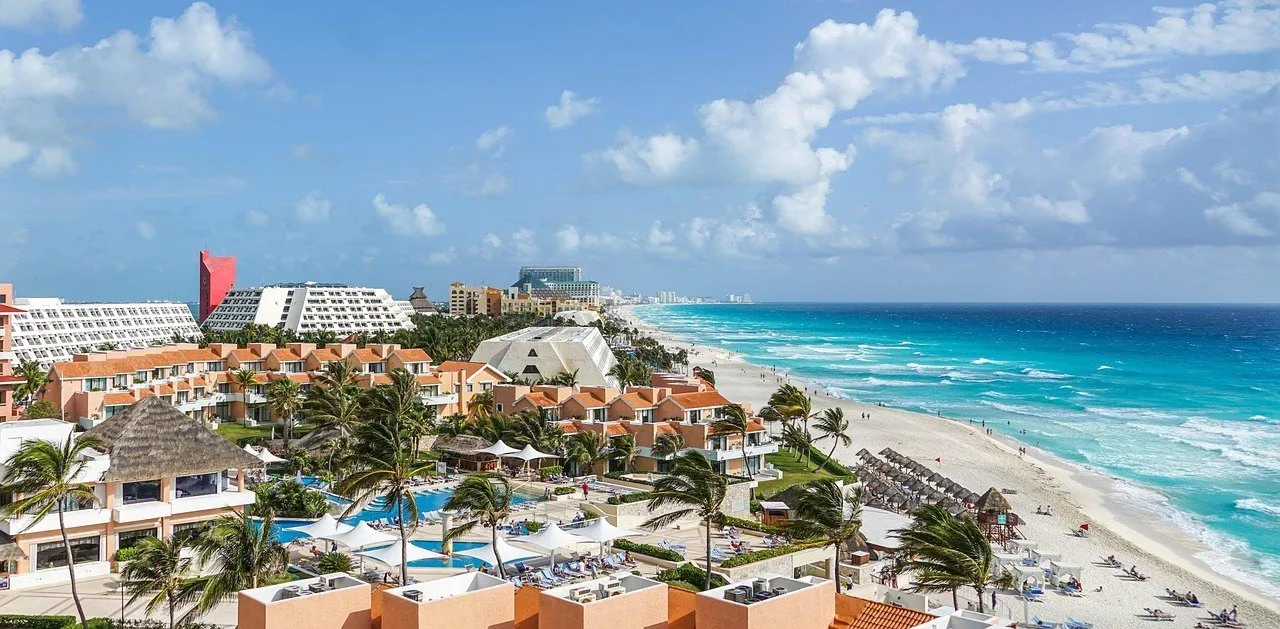
At Playa Delfines, the sea shifts shades of blue while you look for shade under a palapa. Farther along, Maya ruins share the Zona Hotelera with the resorts; downtown, the night ends with a marquesita.
On the sand strip of the Zona Hotelera (the Hotel Zone), the camera struggles to pick just one blue. Behind the hotels, though, Nichupté Lagoon changes the scenery: mangroves, channels and kayak trips fill the inner side. Among these waters, traces of Maya settlements also survive, and you can visit them without leaving Cancún. You can start the day among archaeological pieces and end it looking at the sea, without turning every outing into a long road excursion.
Downtown brings together markets, Parque de las Palapas and places to eat beyond the resorts. The Zona Hotelera, meanwhile, calls for planning your transfers along Boulevard Kukulcán: being on the same strip does not mean being next door. Split your days by area, leave room for the heat and check beach conditions. Here, knowing how to swap a bathing afternoon for a museum can save the day when the sea decides to be louder than expected.
San Miguelito is reached through the Maya Museum complex: after the galleries, you continue on to the archaeological structures.
El Rey and San Miguelito were part of a community tied to fishing and maritime trade, long before the resorts.
The Nichupté mangroves help keep the water clean and protect the nearby reefs.
The marquesita combines a crisp wafer, queso de bola and sweet fillings; at the Palapas, dessert can come with cheese too.
1Pieces from Quintana Roo and other Maya regions help explain what was here before the resorts; the visit pairs easily with San Miguelito.
View details for Maya Museum of Cancún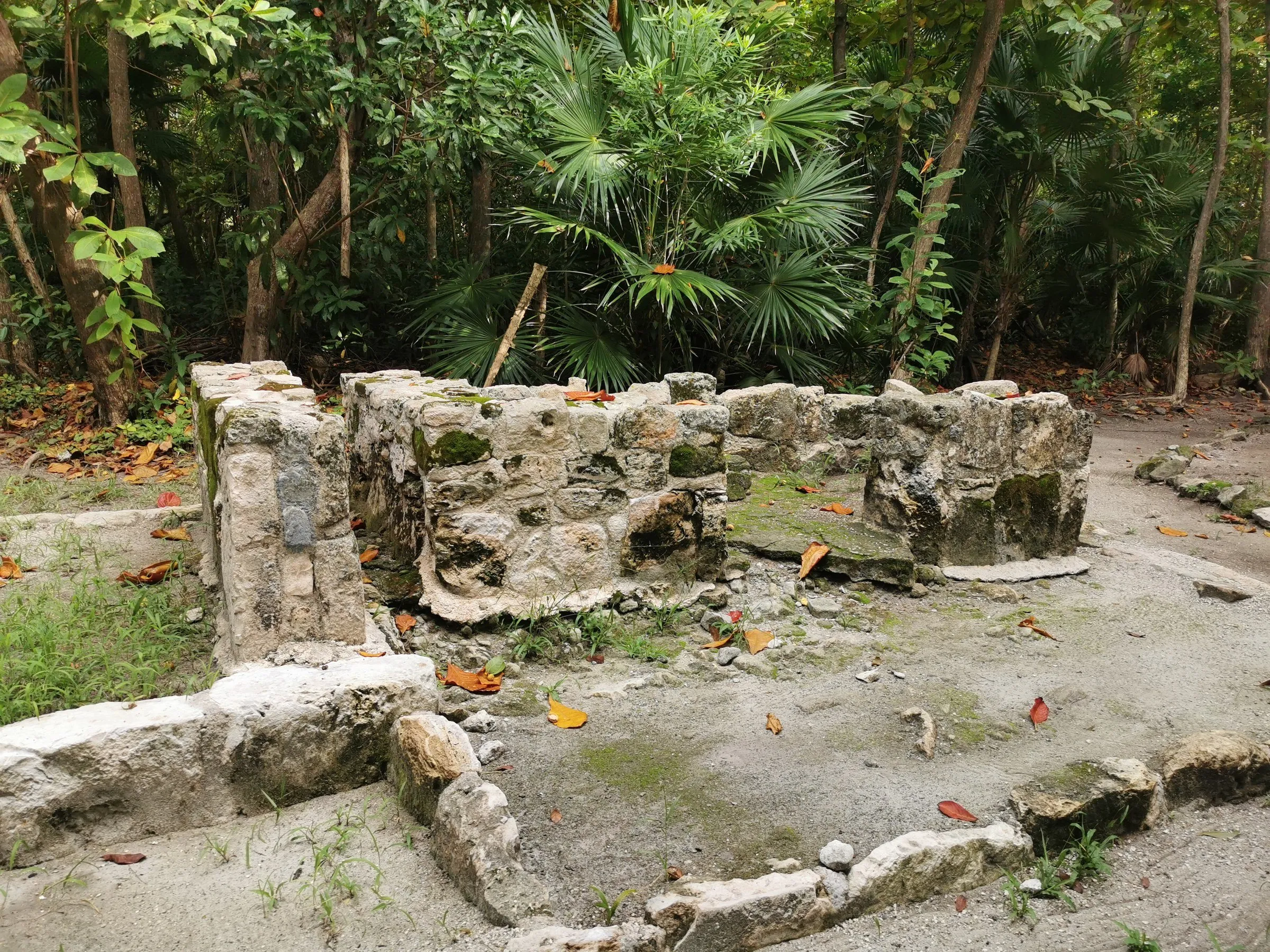 2
A path from the Maya Museum leads to the bases of ancient buildings and to the Palacio Chaak, with vegetation alongside the walk among the ruins.
View details for San Miguelito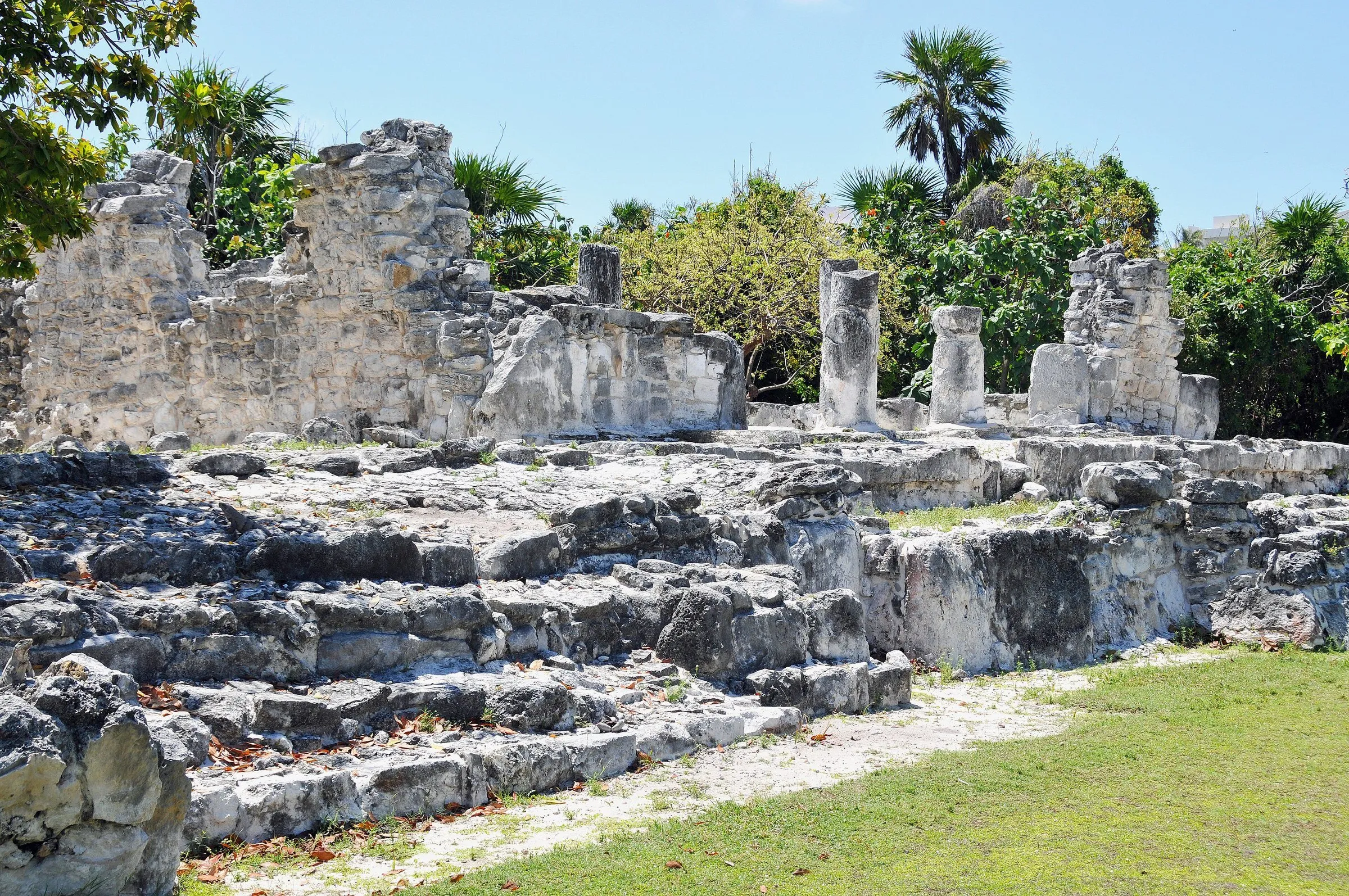 3
Ruins of a community tied to fishing and maritime trade sit right beside the hotel corridor, with platforms lined up along the old main road.
View details for El Rey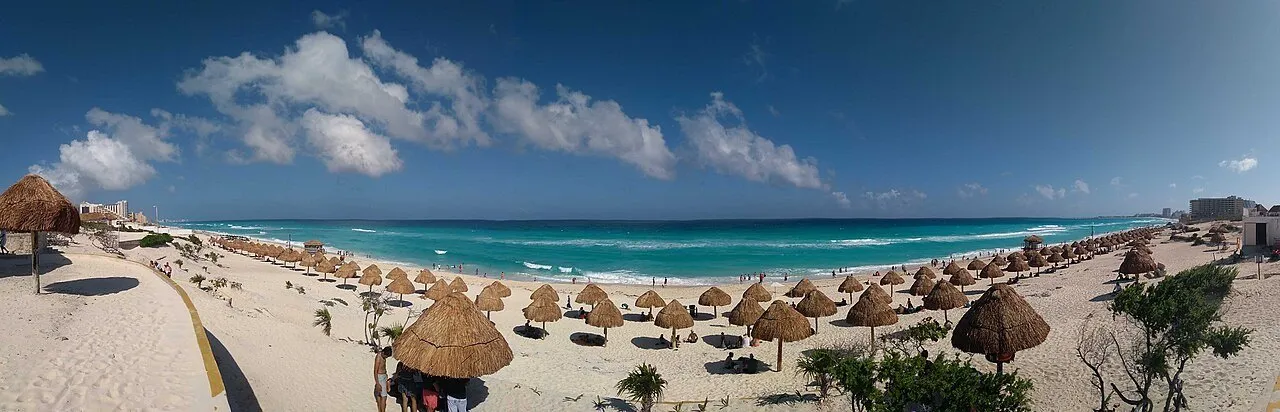 4
A public beach with a viewpoint, the Cancún letters and a wide strip of sand; the open sea can have strong waves, so the view comes before any thought of swimming.
View details for Playa Delfines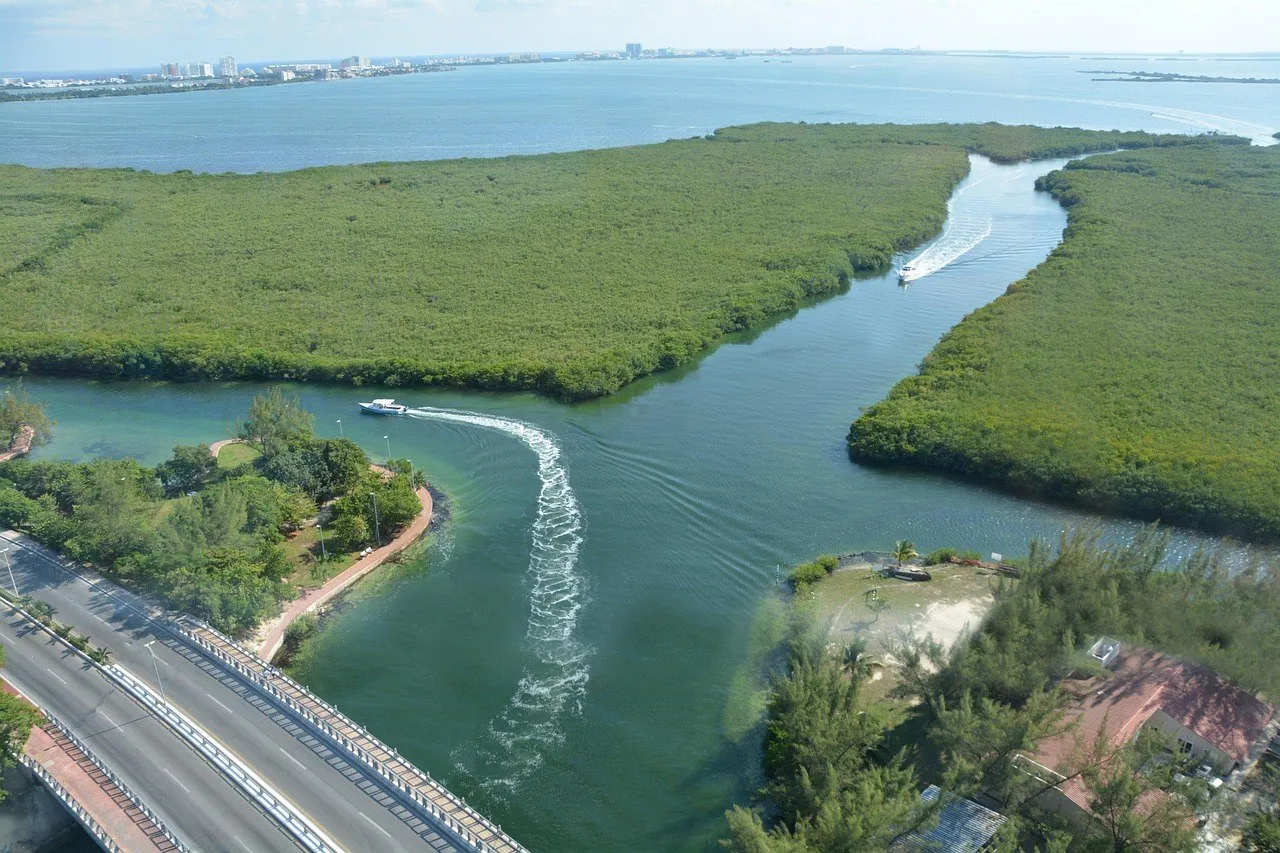 5
Mangroves and channels make up the inner side of the Zona Hotelera; a guided paddle lets you observe this environment without mistaking it for a swimming beach.
View details for Nichupté Lagoon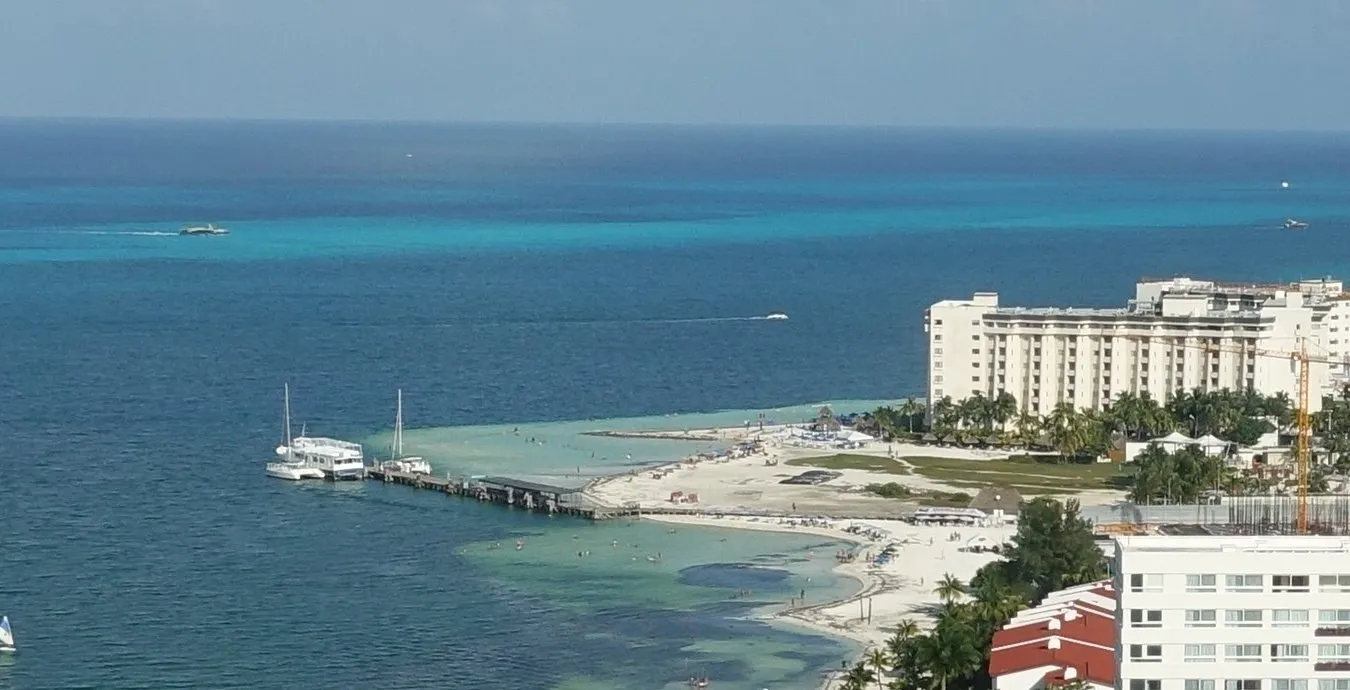 6
A public beach on the northern stretch of the Zona Hotelera, handy to pair with a guided activity on Nichupté and to spend an afternoon on the sand without crossing the city.
View details for Playa Langosta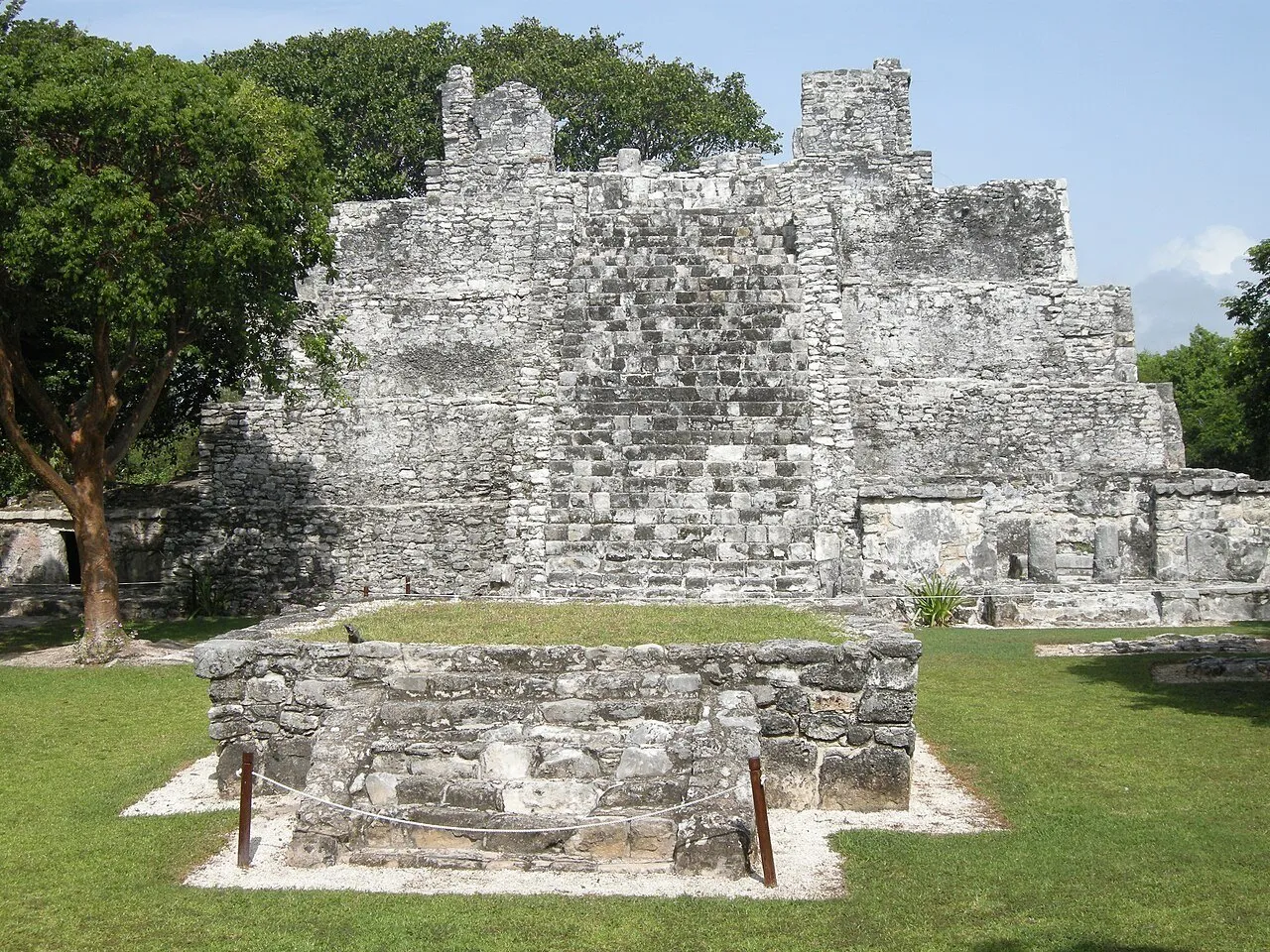 7
North of the city, the archaeological site has the Castillo as its landmark and helps explain Maya connections by sea, with Isla Mujeres across the water.
View details for El Meco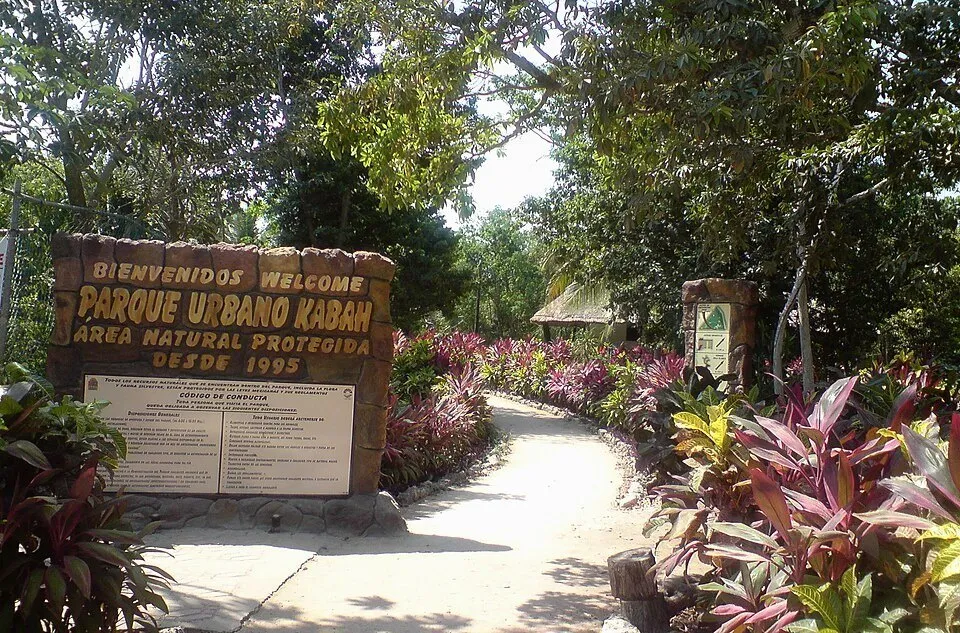 8
A preserved natural area inside Cancún's urban grid, used for walking and exercise; the visit follows whichever paths are open.
View details for Kabah Park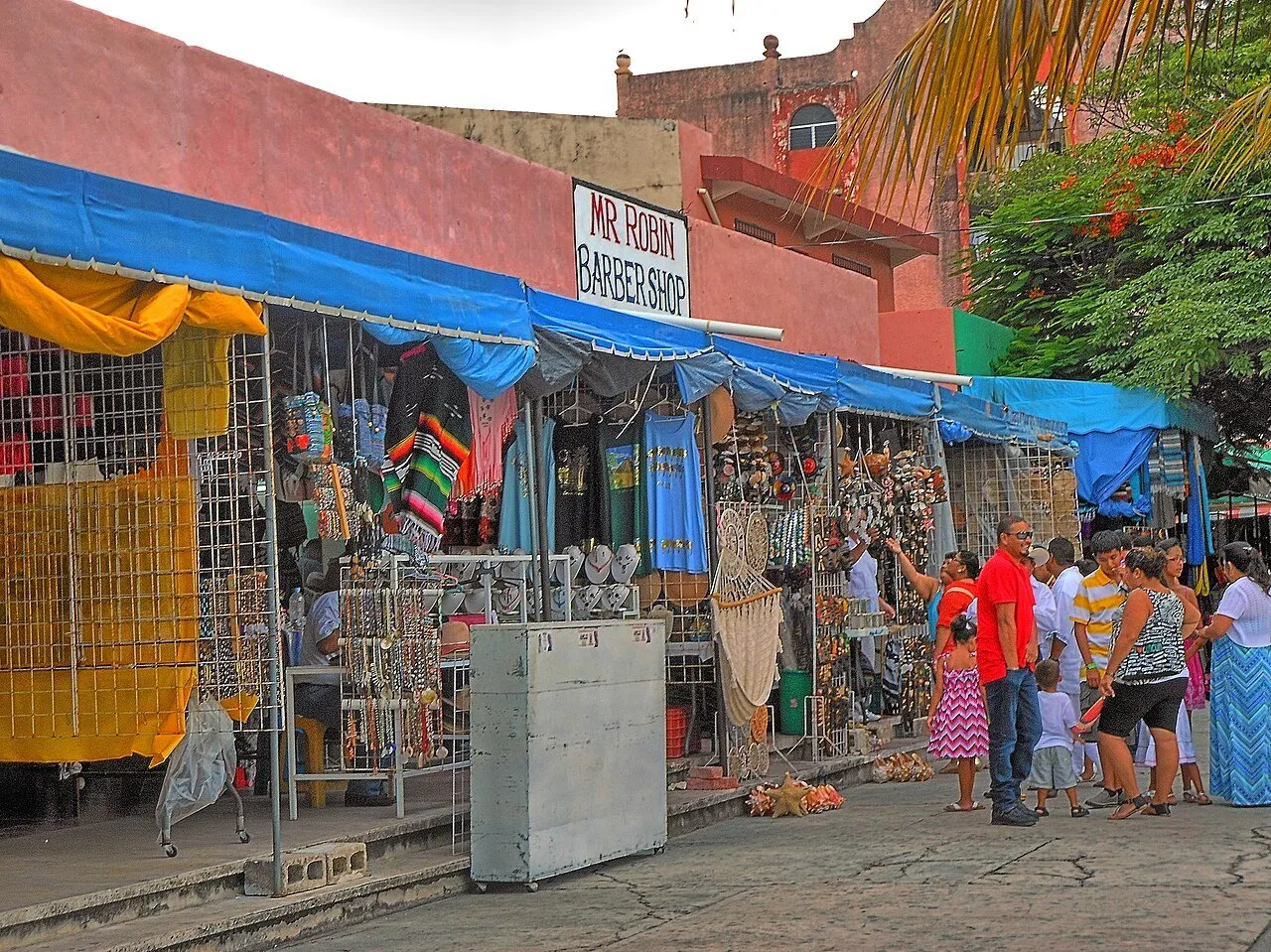 9
Aisles of crafts, clothing, souvenirs and restaurants make Mercado 28 a stop for shopping and lunch away from Cancún's hotel strip.
View details for Mercado 28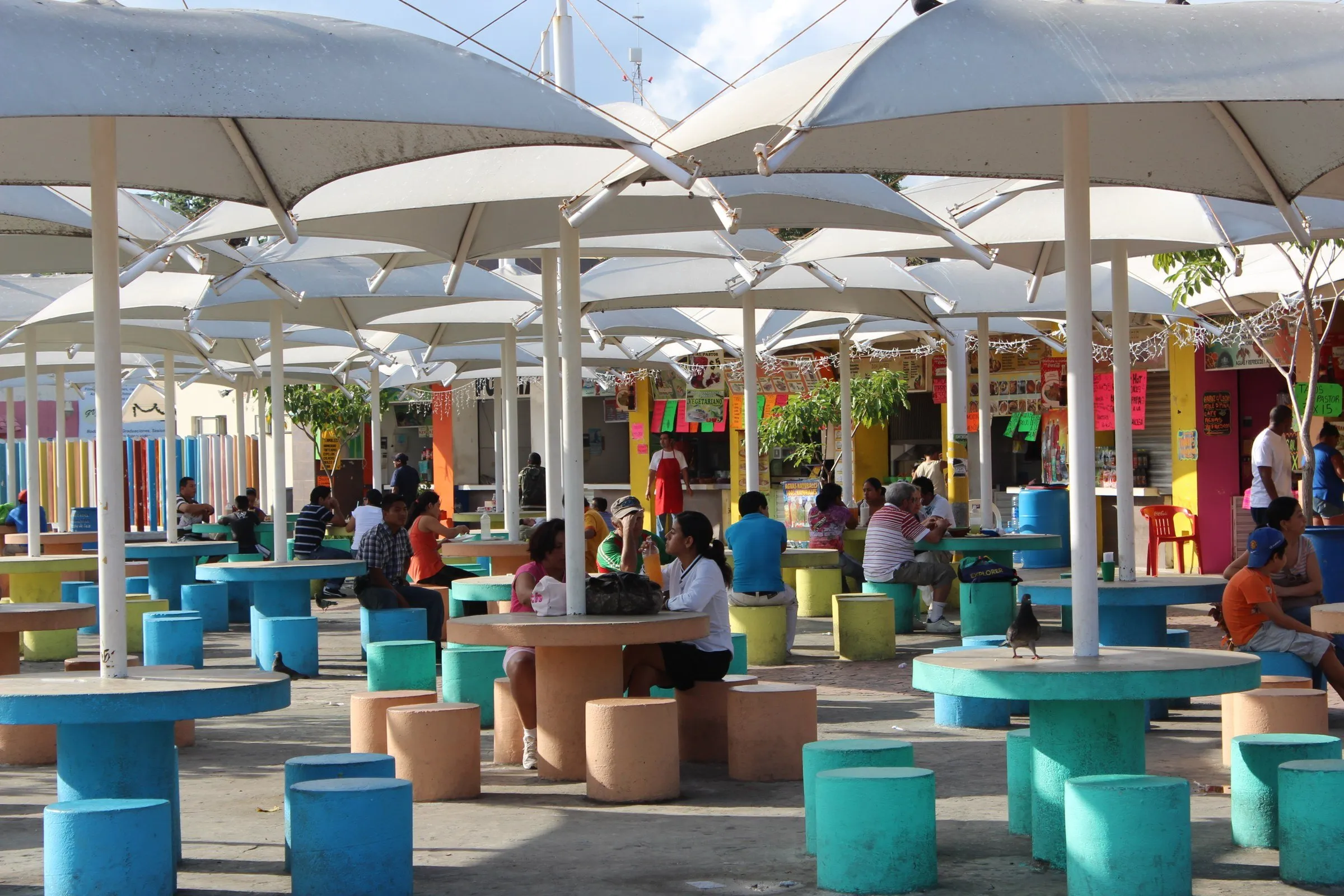 10
A meeting square downtown, with street food, crafts and a changing cultural program; a good stop to end the day with corn and a marquesita.
View details for Parque de las Palapas1Before interpreting the stones outside, step into the museum galleries. The collection brings together pieces from Quintana Roo and from places like Palenque and Chichén Itzá: the Maya world does not fit into the memory of a single pyramid.
The contemporary building has open walkways and elements that filter the light. After the galleries, continue to San Miguelito, in the same complex; set aside time for both visits and check the rules for the combined ticket.
2The path leaves from the lower level of the Maya Museum and reaches the buildings of a coastal community. Among the highlights is the Palacio Chaak; other bases once supported houses of wood and palm. Imagine, too, the materials that time carried away.
Take in the structures and the vegetation preserved in the complex, always staying in the open sections. Visiting after the galleries helps give a purpose to what might otherwise look like a string of platforms; sturdy shoes work better than beach sandals.
3El Rey sits in the hotel corridor, but its platforms tell the story of another way of living on the strip between the Caribbean and the lagoon. The community took part in the coast's maritime and trading activity, with buildings spread along a road.
Look at the bases and gathering areas, staying within the marked limits. You can combine the site with Delfines by taking transport along the boulevard; bring water and sun protection, because here the archaeology does not come with air conditioning.
4From the viewpoint, the strip of sand opens up and the blue fills almost the whole landscape. The Cancún letters stand at the entrance; on the sand, the public palapas offer shade when there is room. Bring water so you don't have to cut the outing short.
This stretch gets strong waves, and the color of the water says nothing about the strength of the current. Check the flags and ask the lifeguards. On a rough day, enjoy the viewpoint and the safe sand, without turning a swim into an obligation.
5Behind the boulevard, the scenery swaps waves for the channels of Nichupté. The mangrove helps keep the waters and the neighboring reefs in balance; crocodiles live here too. Observe with a guide, stay in the boat and do not enter the water.
A kayak paddle lets you take in roots, reflections and sounds with care. Confirm the departure, life jacket and weather conditions; spotting animals depends on nature. Ask for the full address of the departure point, since the lagoon system has several starting points.
6Langosta fits into the itinerary when you want to set aside an afternoon for the beach instead of filling the day with tickets. The public strip is on the northern stretch of Boulevard Kukulcán, an area that also has several water-activity departure points.
Pair it with the morning paddle if your operator departs nearby, and enjoy the break without timing your photos. Before swimming, check the signs; services and the presence of sargassum can change. Keep away from the areas set aside for boats.
7El Meco calls for a trip along the road from Puerto Juárez to Punta Sam. The Castillo anchors your view of the site, and its position facing Isla Mujeres helps explain how important sea routes were to the ancient community.
Look from the authorized paths and don't plan on climbing the structure. Part of the area near the beach remains closed to the public. Go in the morning and arrange your return before leaving, especially if you are not traveling by car or on a tour.
8Between Kabah and Nichupté avenues, a natural area breaks up the run of buildings and asphalt. Locals use the park to walk and exercise; the appeal is noticing the vegetation that remains inside the city.
Choose the open paths and ask about maintenance and closures. The walk does not depend on visiting the park's museum. Wear comfortable shoes, carry your trash out in your backpack and let any animal that shows up go on its way.
9Clothing, drinks, crafts and souvenirs compete for your attention in the aisles of Mercado 28. It stands on Avenida Xel-Há, downtown, and has restaurants. Take a break for lunch; shopping the whole market on an empty stomach is hard on your luggage.
Compare materials, origin and prices before choosing. Not every piece is locally made, so it's worth asking rather than judging by the design. Confirm the address when arranging transport and wander without feeling obliged to carry bags.
10In the early evening, head to the Palapas ready to snack. Food and crafts surround the square, while the cultural program may take over the stage. Among the snacks are prepared corn and marquesitas; save room after lunch at the market.
Sit for a while, watch the crowd and choose where to eat. Check the schedule if you want a performance, but don't count on it for dinner to work. After El Meco and downtown, take the chance to stop ticking off the itinerary.
Buses link downtown with the Zona Hotelera; check the direction and carry pesos. Plan your own transport to El Meco and Kabah; agree on the taxi fare before setting off.
At Delfines, follow the lifeguards. Check the municipal board and the sargassum notices; better conditions at another beach don't guarantee the stretch where you are.
Nichupté has crocodiles: don't enter the water or improvise an independent paddle. Wear a life jacket and confirm conditions and cancellation with the operator.
Walk during the cooler hours and carry water, a hat and sun-protective clothing. Check weather alerts and follow local guidance.
Carry pesos for small expenses and compare the total before paying. At Mercado 28, ask about the origin and material of items.
Take only what you need to the beach and keep your documents and phone safe. At night, stick to busy areas and arrange your ride back to the hotel.
Cancún mixes seafood with dishes from the Yucatán Peninsula and street snacks. At Mercado 28, sit down for lunch; at the Palapas, save room to graze and pick a marquesita. Ask for the habanero on the side: finding your own limit at the start of dinner gets in the way of gastronomic research.
Fish seasoned with achiote and sour orange, reddish in color; a good choice for an unhurried lunch.
A fried corn tortilla stuffed with beans and served with toppings; lunch can start right here.
A rolled, crisp wafer with queso de bola and sweet options like cajeta or chocolate spread.
Corn served in a cup with toppings like lime, cheese and chili; a snack to enjoy while the square wakes up.
We use cookies and similar technologies, such as Google Analytics, in accordance with our Privacy Policy and, by continuing to browse, you agree to these terms. You can decline at any time in the policy.