 1
Architecture and art
Park Güell
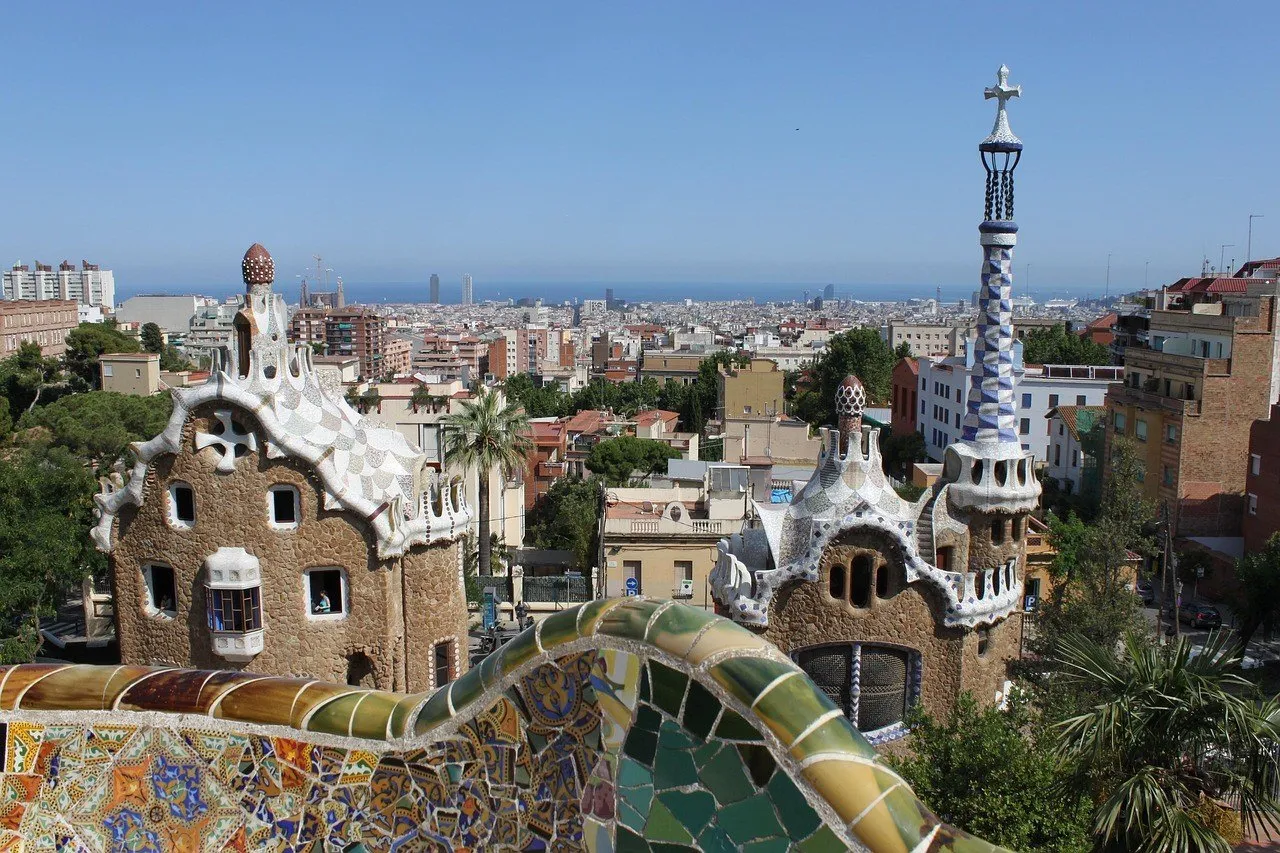
Gaudí's park combines stone paths, slanted porticoes and mosaics; the salamander on the staircase shares the spotlight with the view of Barcelona.
View details for Park Güell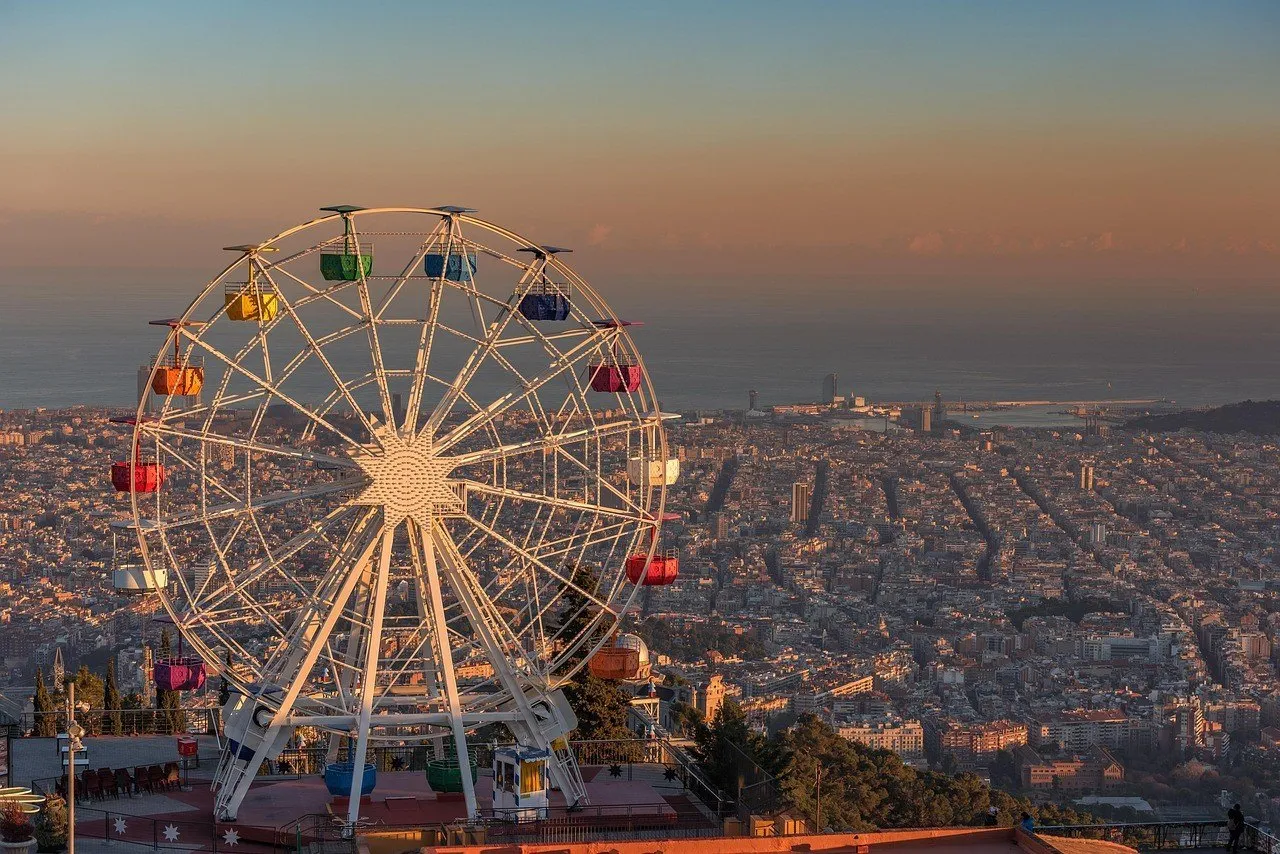
At the Sagrada Família, stained glass paints the floor; on Passeig de Gràcia, a facade seems to grow scales. Barcelona gives your neck a workout before it lets you rest on Barceloneta's sand.
On Casa Batlló, the roof looks like a dragon's back and the balconies like masks; inside the Sagrada Família, the columns open up like trees. In Barcelona, looking up becomes a perfectly reasonable habit. Gaudí supplies a good share of the surprises, but the walk goes on through the narrow streets of the Gothic Quarter, the stalls of La Boqueria and the Barceloneta promenade, where the city finally lets you walk with your eyes straight ahead.
For a first visit, set aside three full days and plan your map before buying tickets. Park Güell and the Sagrada Família require some travel; the houses on Passeig de Gràcia sit in the same block. Keep another day for the old center and one for Miramar and the sea. The times in this guide are planning suggestions, with breaks built in: lunch shouldn't turn into a technical pause between turnstiles.
Park Güell began as a housing development by Eusebi Güell. Sales didn't go well, and the project found a new life as a public park.
The attic of La Pedrera, now admired for its brick arches, was designed for household chores such as washing and drying clothes. Even the clothesline made it into Gaudí's plans.
The Palau de la Música Catalana is the work of Lluís Domènech i Montaner. Not every curve, flower and ceramic tile in Barcelona came off Gaudí's drawing board.
1Gaudí's park combines stone paths, slanted porticoes and mosaics; the salamander on the staircase shares the spotlight with the view of Barcelona.
View details for Park Güell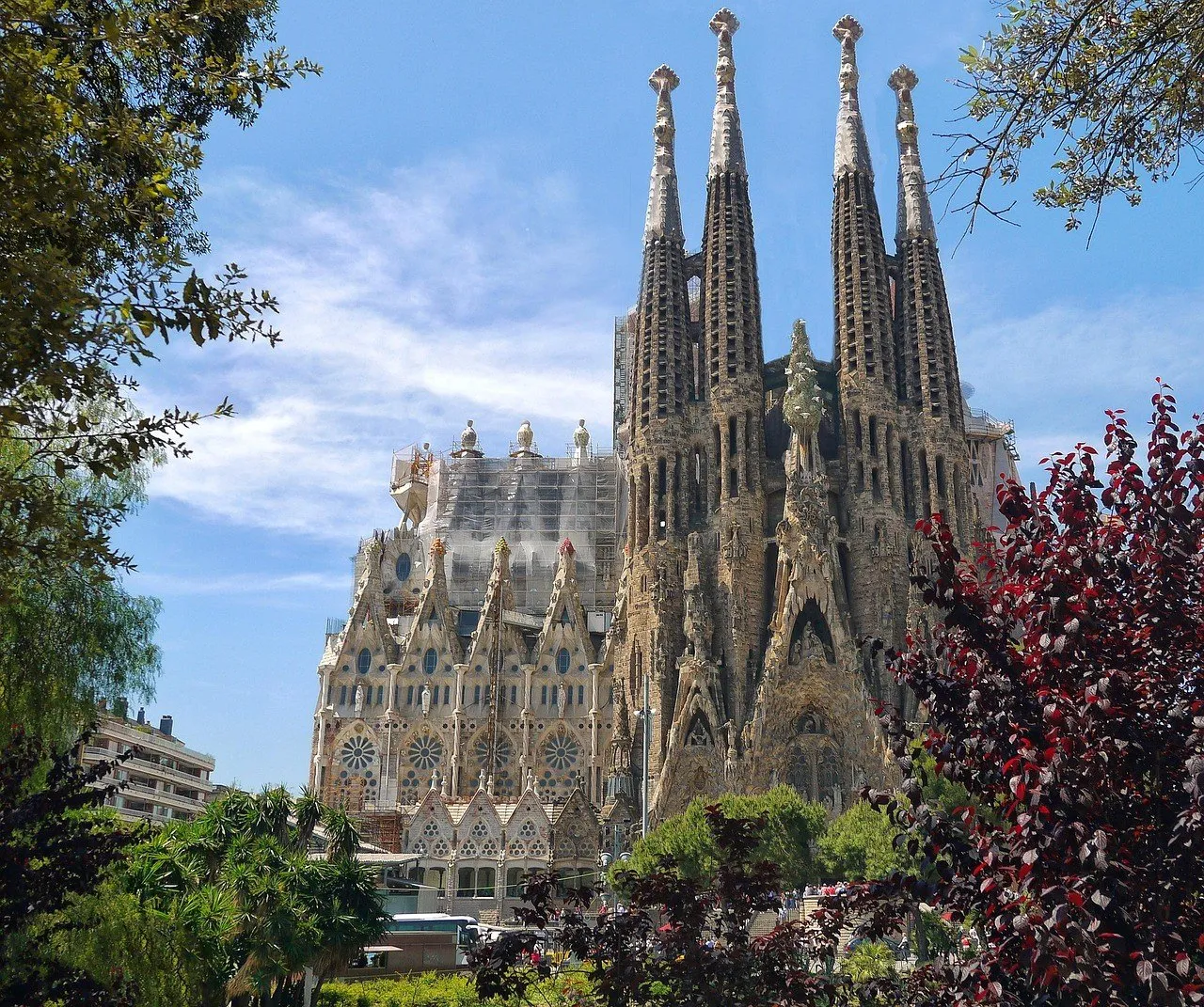 2
Columns that branch out and colored light through the stained glass make the inside of Gaudí's basilica a very different visit from the view from the sidewalk.
View details for Sagrada Família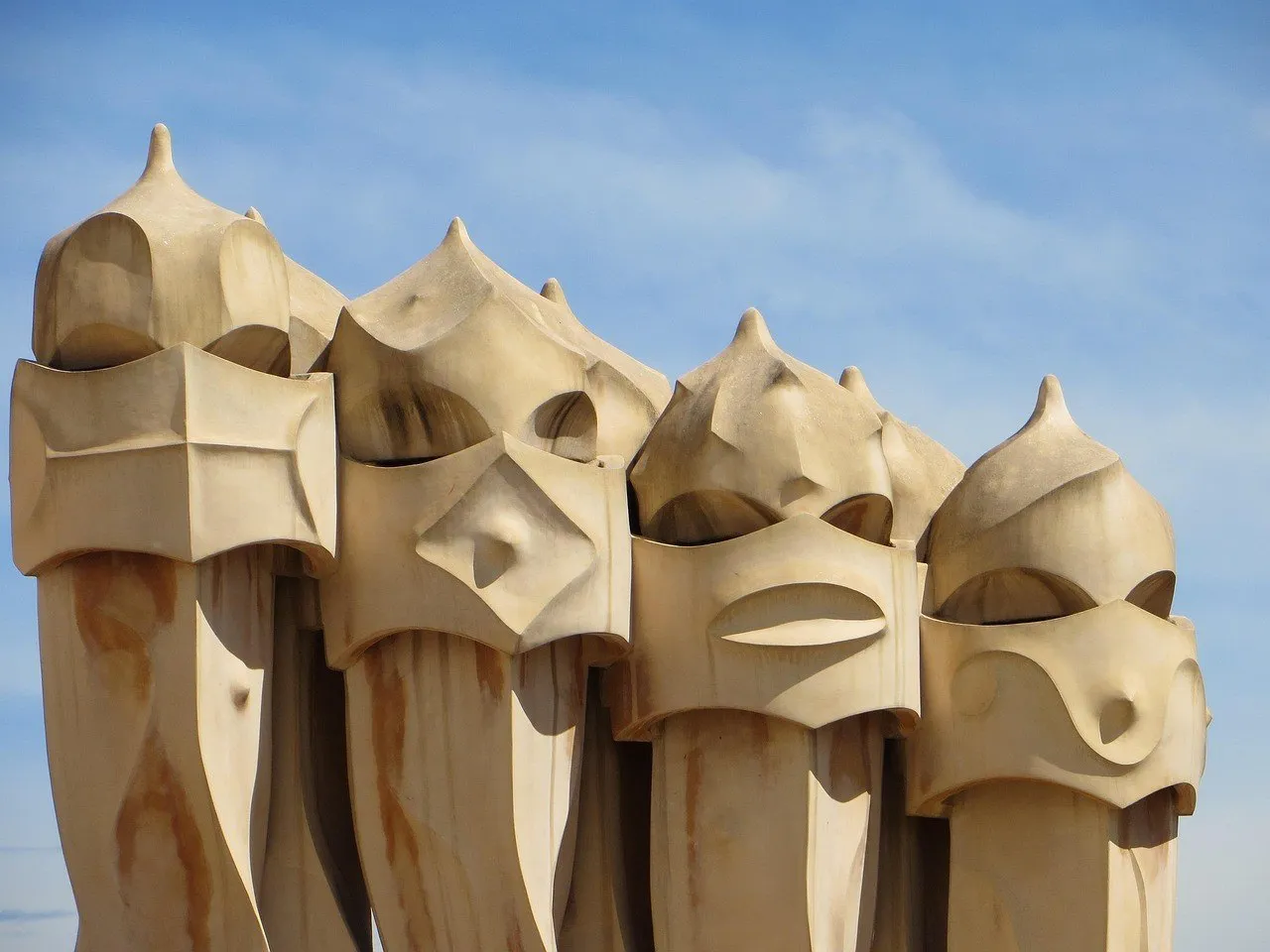 3
Casa Milà's rippling facade changes the rhythm of Passeig de Gràcia; inside, courtyards, attic and rooftop reveal other Gaudí solutions.
View details for La Pedrera — Casa Milà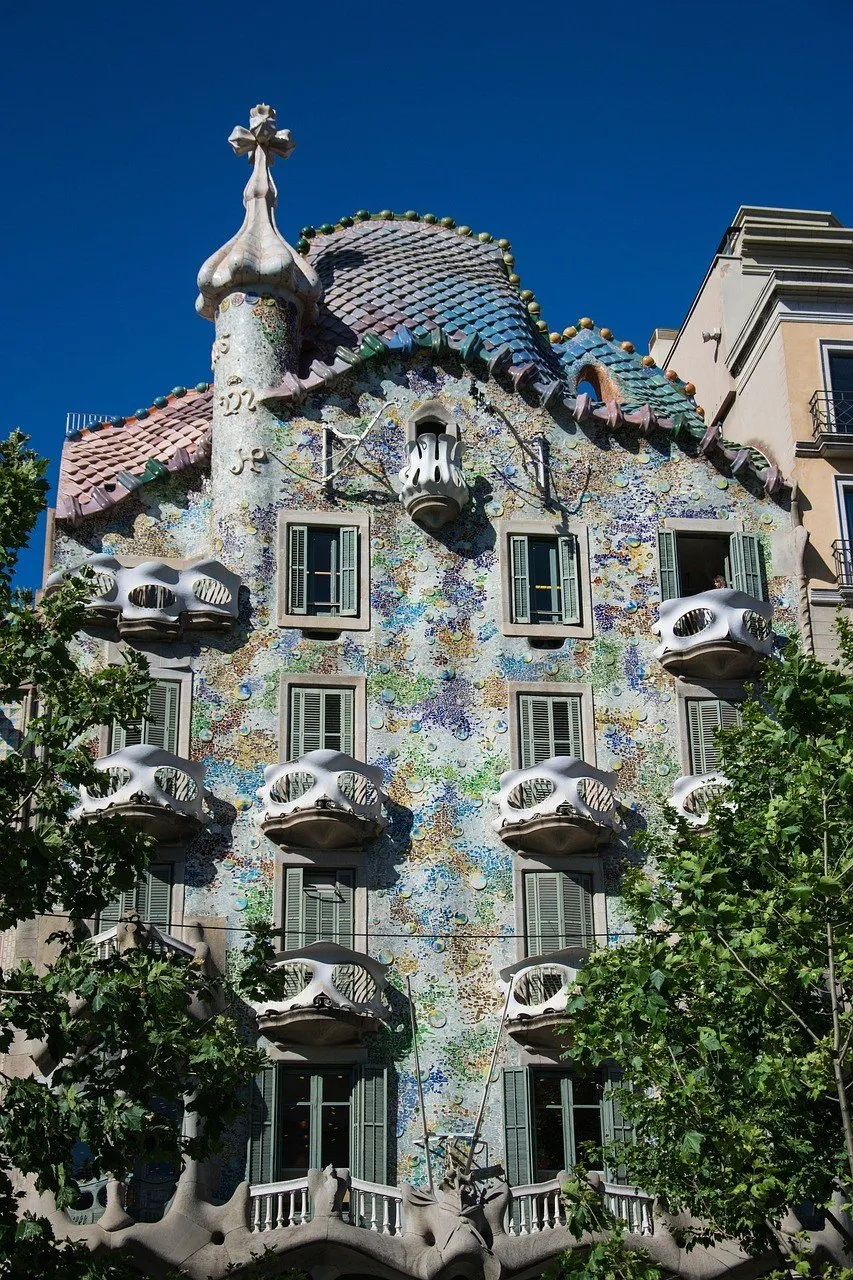 4
Balconies that recall masks and a scaly roof make Casa Batlló a facade to study slowly, even if you decide not to go in.
View details for Casa Batlló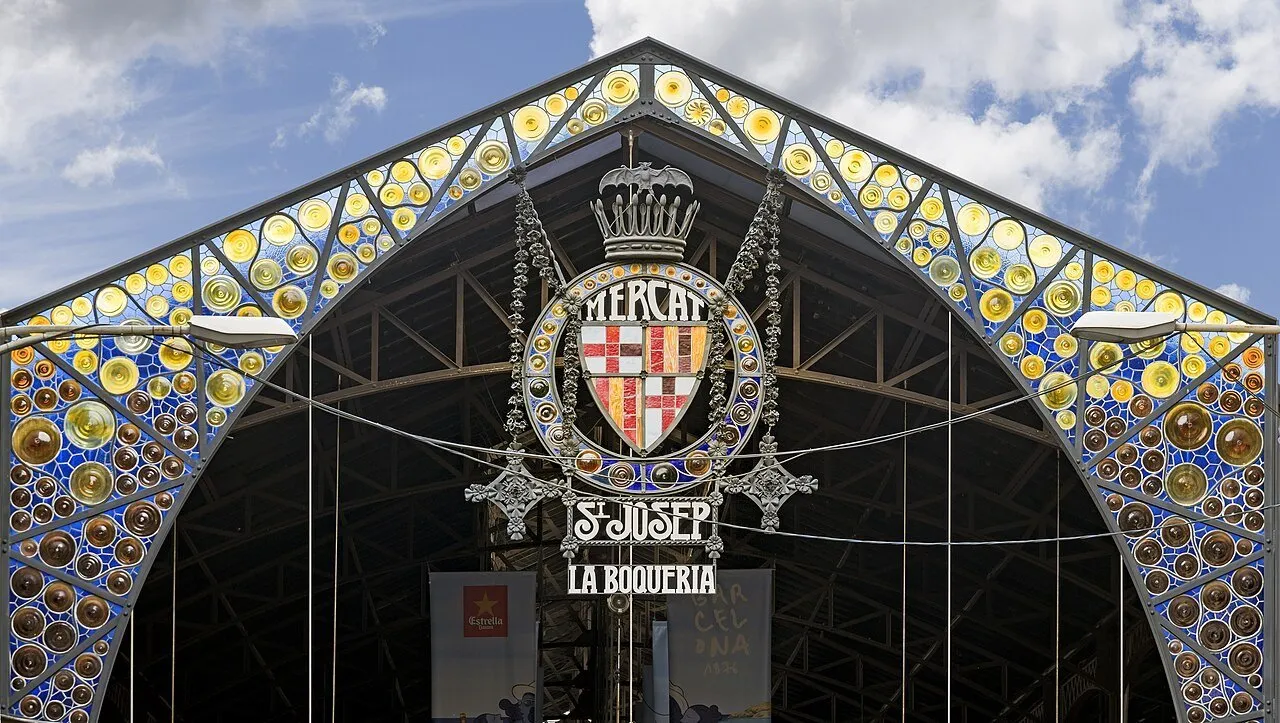 5
On La Rambla, the Mercat de Sant Josep brings together food stalls and counters: take a look at the market as a place to shop before choosing where to take a break.
View details for La Boqueria Market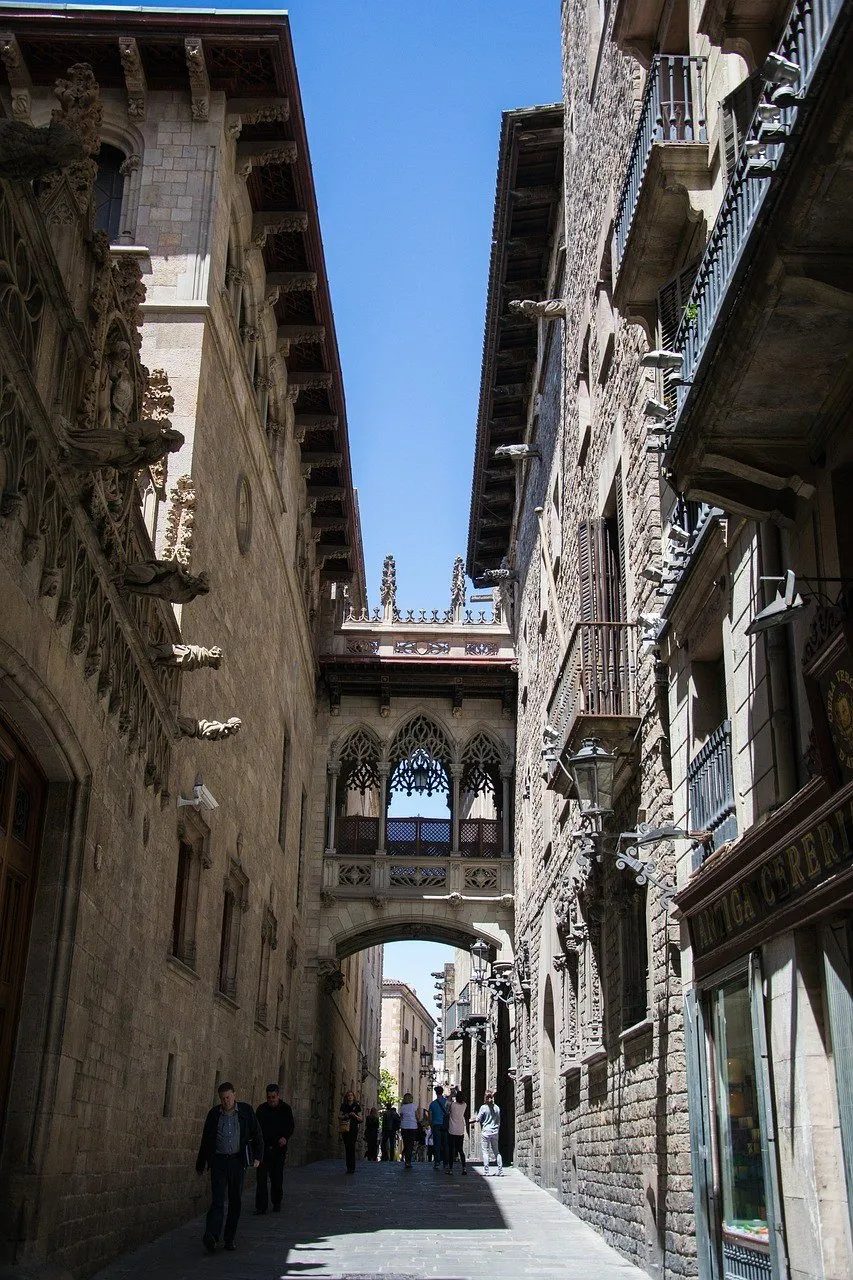 6
Between the cathedral, Plaça del Rei and the streets of the old Call, the Gothic Quarter gathers Roman remains and spaces still woven into everyday Barcelona.
View details for Gothic Quarter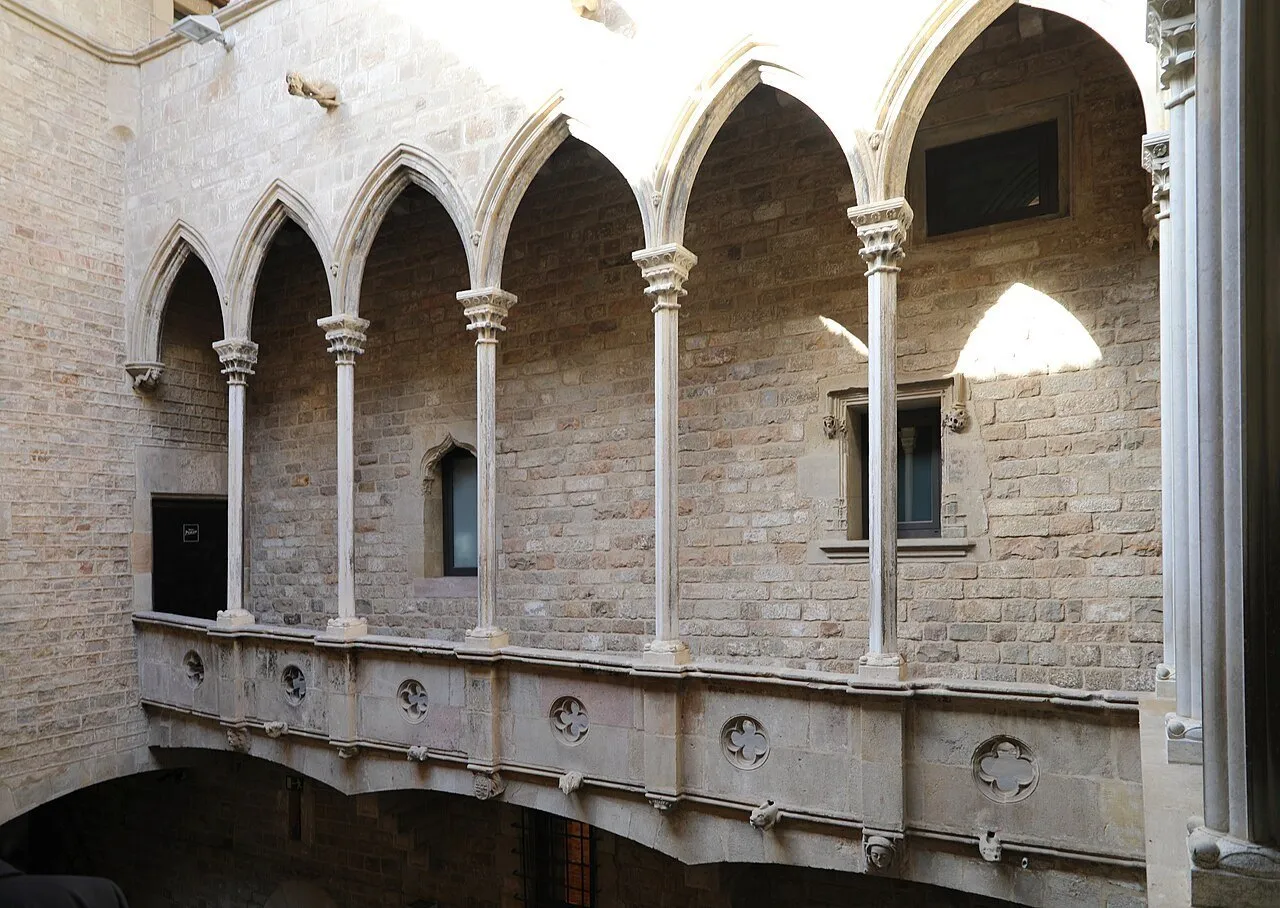 7
The collection helps you follow Picasso's formative years and his reinterpretations of Las Meninas, inside palaces on Carrer Montcada that also deserve your attention.
View details for Picasso Museum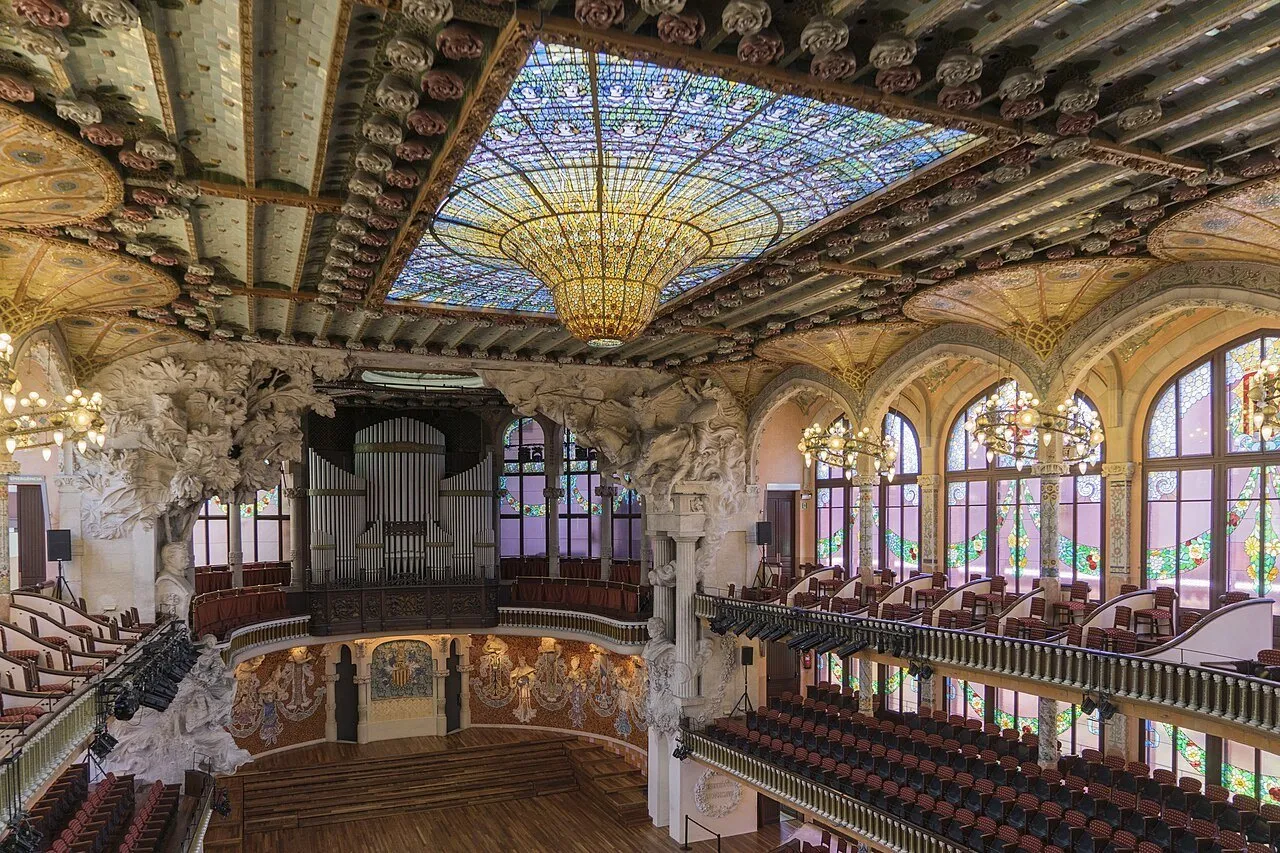 8
A stained-glass skylight lights up Domènech i Montaner's concert hall, surrounded by sculptures, flowers and ceramics of Catalan Modernisme.
View details for Palau de la Música Catalana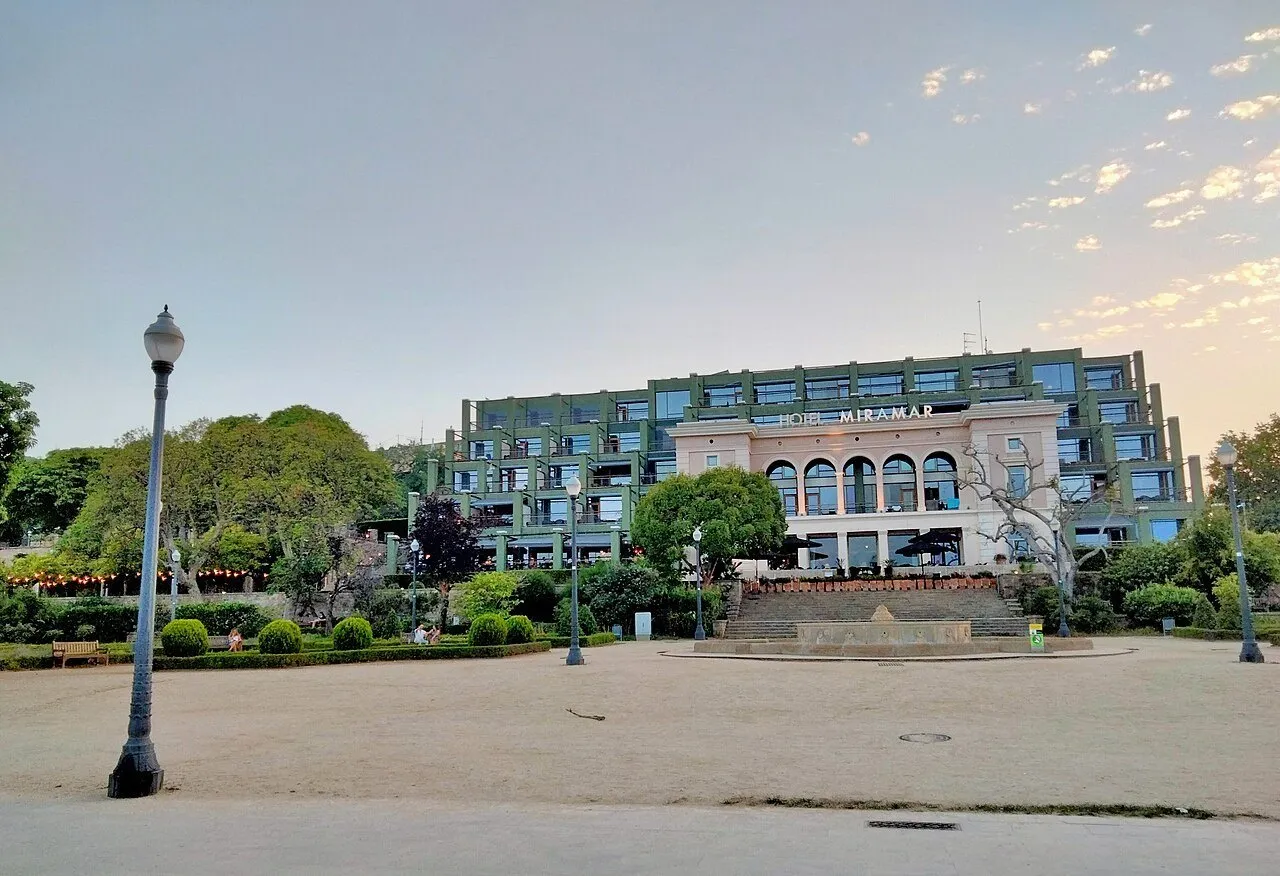 9
On the public esplanade of the Miramar Gardens, the city and the port open up below the slope: a quiet way to get to know Montjuïc without trying to cover everything.
View details for Montjuïc: Gardens and the Miramar Viewpoint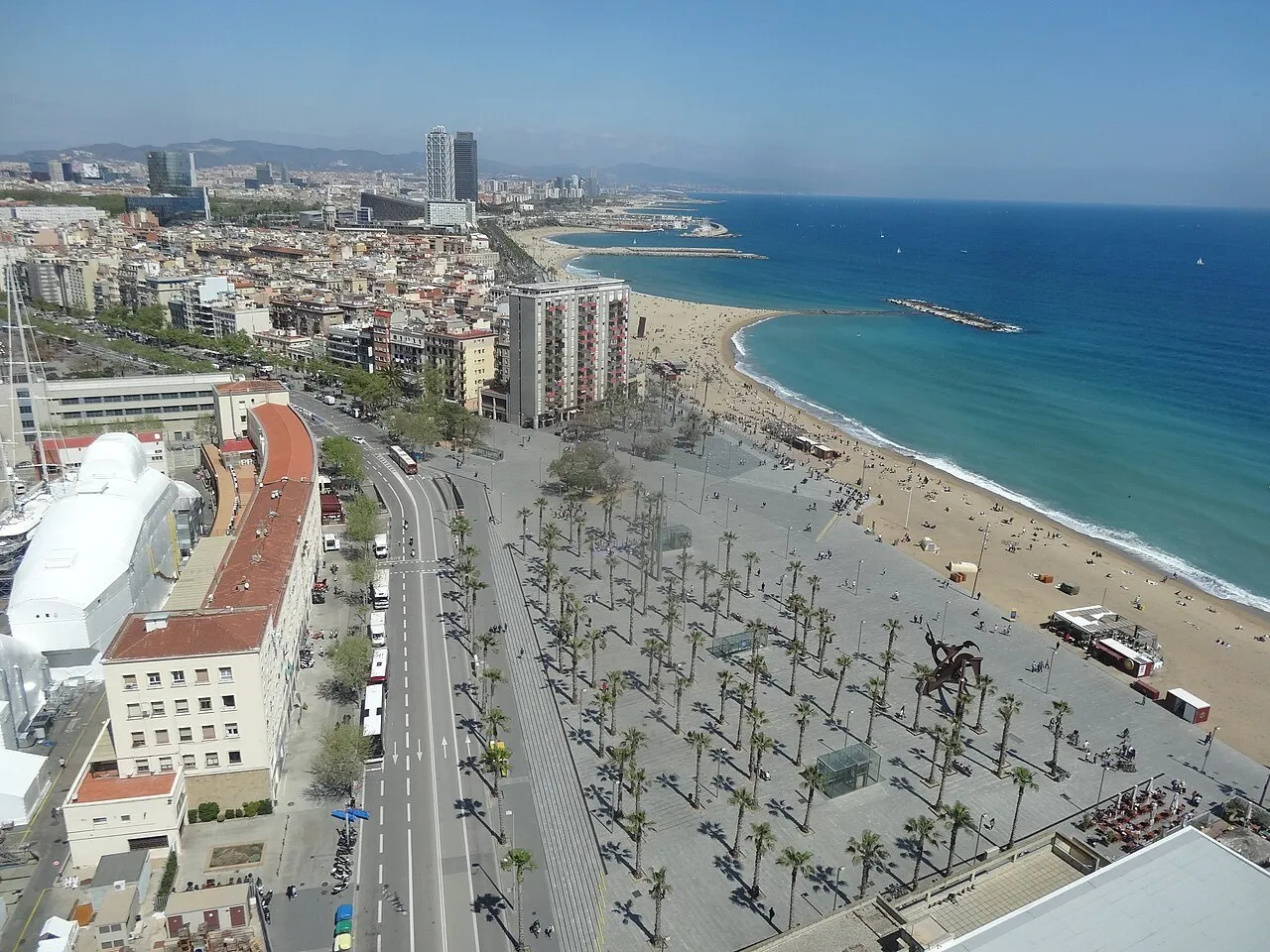 10
The old neighborhood tied to seafaring trades leads to the promenade and the beach; you can combine narrow streets, a fish lunch and a break on the sand.
View details for Barceloneta1The ceramic-covered salamander seems perfectly calm about the traffic on the staircase. All around, Gaudí fitted paths, slanted columns and porticoes into the uneven terrain. The winding bench and the raised plaza extend this design of curves and mosaics.
Walk beyond the most contested photo spot and look at the stone passageways. Since the park sits on a hillside, check the entrance indicated on your ticket and plan your route: arriving by metro doesn't automatically spare you the climb. The park works better as a stroll than as a race between monuments.
2Past the door, the noise of the street falls away and the columns split into branches beneath the vaults. Gaudí looked to nature for structural solutions, and the feeling of a forest has a basis in the design. The stained glass adds patches of blue and warm tones to the stone.
Take in the nave before you photograph it. Then move closer to the details, without treating the basilica as a checklist to complete. It is a place of worship; silence and respect are part of the visit, even when everyone is looking up.
3At La Pedrera, the stone seems to have given up on straight lines. The rippling facade announces a house where ventilation and structure got as much attention as appearance. The courtyards bring light inside; the attic rests on brick arches.
On the interior tour, notice how the building works, not just how it looks. The roof has sculptural chimneys, but whether it's included and how you get access must be checked against the ticket you buy. Don't count on that stop without reading your ticket.
4The balconies can look like masks or skulls, depending on your frame of reference and the light. Above them, colorful tiles form a scaly back. One interpretation links this design to the dragon of Saint George; the symbolic reading is part of the fun and doesn't demand a single answer.
From the other side of Passeig de Gràcia, you take in the whole ensemble better. Admiring the facade is already a worthwhile stop. If you have to choose between this house and La Pedrera, compare the routes before committing your afternoon.
5At La Boqueria, fruit, fish and food stalls compete for your attention up close. The official name is Mercat de Sant Josep, a reminder of the convent that once stood on this site. The commercial link with La Rambla began before the covered market was built.
Look at what is headed for the kitchen, too. If you want to eat at a counter, check the menu before sitting down. Leave room for those who work or shop here, and ask permission before photographing a stall: the market doesn't pause its workday for your trip.
6A street opens onto a square, the square sends you back into another passage, and your GPS starts to seem overconfident. The Gothic Quarter calls for this small-scale wandering. The area preserves Barcelona's Roman and medieval core, with the cathedral, Plaça del Rei and remains of the Temple of Augustus.
Plaça de Sant Jaume houses the buildings of the Catalan government and the city hall; the old Jewish quarter, the Call, adds more alleys. Visits to interiors are separate activities, subject to their own tickets or schedules.
7You may arrive expecting dismantled faces and find a different painter in the early works. The Picasso Museum follows that apprenticeship, with drawings and paintings that broaden the most immediate idea of his work. The reinterpretations of Velázquez's Las Meninas open another conversation between artists.
The palaces on Carrer Montcada deserve attention too. Don't expect all of Picasso's famous paintings: the interest lies in the focus of the collection and its connection to Barcelona. Specific works may leave the display on loan or for conservation.
8The stage would already have plenty to talk about, but the ceiling insists on joining in. The skylight represents the sun and brings natural light into a hall of floral motifs, sculptures and stained glass. The architect was Lluís Domènech i Montaner, who worked with craftspeople from many specialties on the building for the Orfeó Català.
Keep the architectural visit separate from an evening of music. A concert ticket depends on the program and the seat you choose; the visit covers the spaces on its route. Check the options according to what you want to see, hear and spend.
9At the Miramar viewpoint, Barcelona takes on a different scale: buildings, port and sea fit into the same field of view. The public esplanade sits in front of the Hotel Miramar and connects to gardens with a fountain, sculptures and trees. The hotel is a location reference; the walk suggested here is public.
This stop covers the gardens and the viewpoint, not the castle or all of the mountain's museums. Setting that boundary spares you a common surprise: finding that "just going for a walk on Montjuïc" took up the whole day. Check the transport before heading up.
10The beach appears at the end of a neighborhood with a market, small balconies and residents' streets. Barceloneta grew up tied to fishing and other seafaring trades, a memory that lingers in the bars and in the flow toward the sand.
Walk through the neighborhood before you spread out your towel. The promenade is worth the stroll even without a swim; if you want fish or seafood for lunch, read the menu before choosing. Follow the posted conditions and keep your belongings close: the sea won't watch your backpack.
Compare the TMB fares with the number of trips you'll take. The T-casual is not valid at the Aeroport T1 and Aeroport T2 stations on line L9 Sud; check the airport option before you buy.
The Sagrada Família, Park Güell and the Modernista houses weigh on the budget. Prioritize the interiors you like most, book on the official pages and leave a margin between time slots: the map doesn't show the time spent looking for the entrance.
On crowded metros, on La Rambla and on the beach, keep your belongings in sight. Don't leave your phone on the table or a backpack alone on the sand; taking turns to swim works better than a towel thrown over your things.
Catalan and Spanish live side by side in the city, and many street names appear in Catalan. Keep the local name when searching for addresses. In residential neighborhoods, keep your voice down at night and avoid blocking doorways to take photos.
Spring and early fall tend to favor walking, with a chance of rain. In summer, schedule climbs for milder hours. The Sagrada Família has dress rules and bag checks; check them before heading out.
Start with pa amb tomàquet and notice how bread and tomato hold up an entire meal of small choices. Catalan cooking combines roasted vegetables, fish, cured meats and spoon dishes; sticking to the best-known tapas leaves a good part of the repertoire off the table. At La Boqueria, look at the fresh produce too, and in Barceloneta read the menu before choosing your fish lunch.
Bread with tomato, usually with olive oil; it goes well with cured meats, cheese or simply as a conversation starter at the table.
Roasted peppers, eggplant and other vegetables: a vegetable break that deserves space between the meat and fish dishes.
Pork sausage with white beans, a straightforward Catalan combination for anyone wanting a more substantial meal.
A creamy dessert with a caramelized sugar top: your spoon has to deal with the crunchy part first.
We use cookies and similar technologies, such as Google Analytics, in accordance with our Privacy Policy and, by continuing to browse, you agree to these terms. You can decline at any time in the policy.