 1
Squares and waterfronts
Palace Square
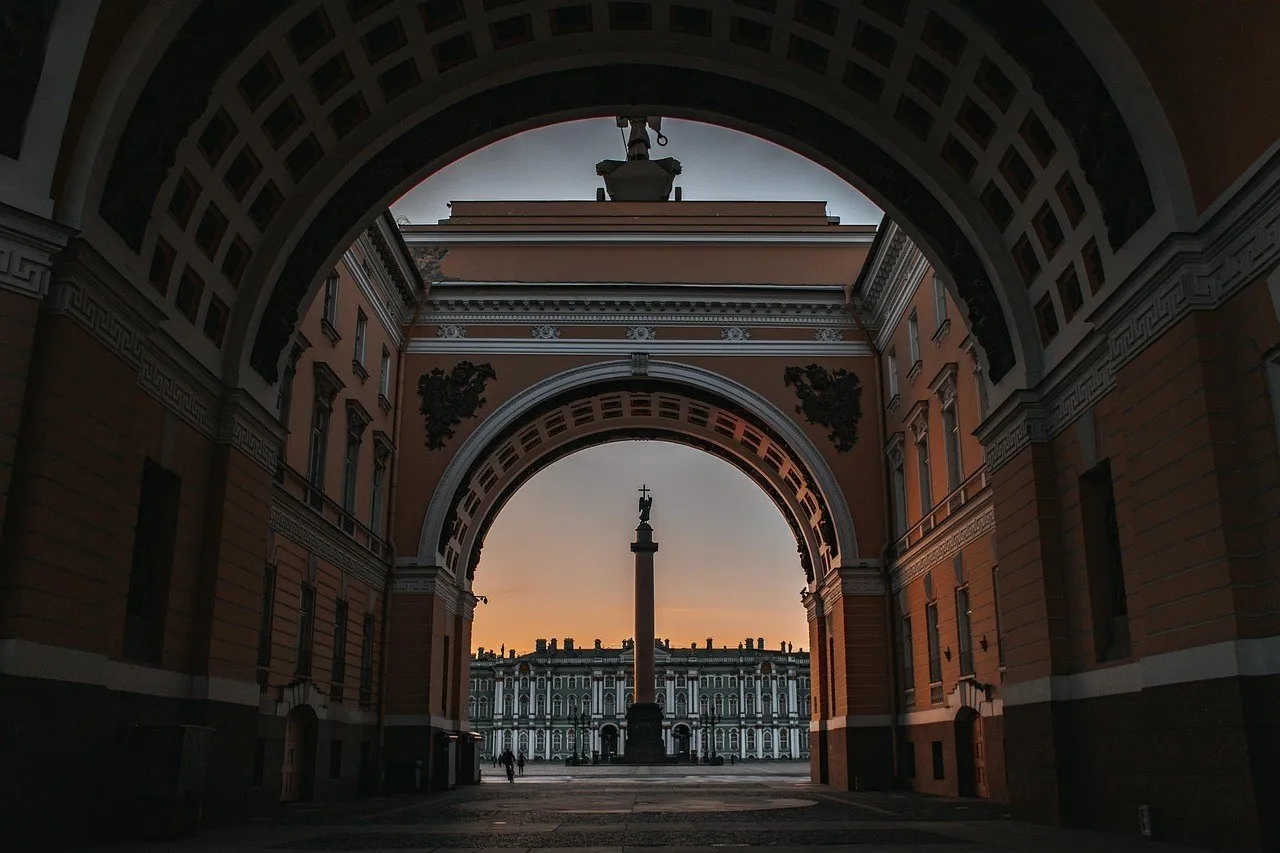
Between the Winter Palace and the General Staff Arch, the square introduces St. Petersburg's imperial scale before you step into the Hermitage.
View details for Palace Square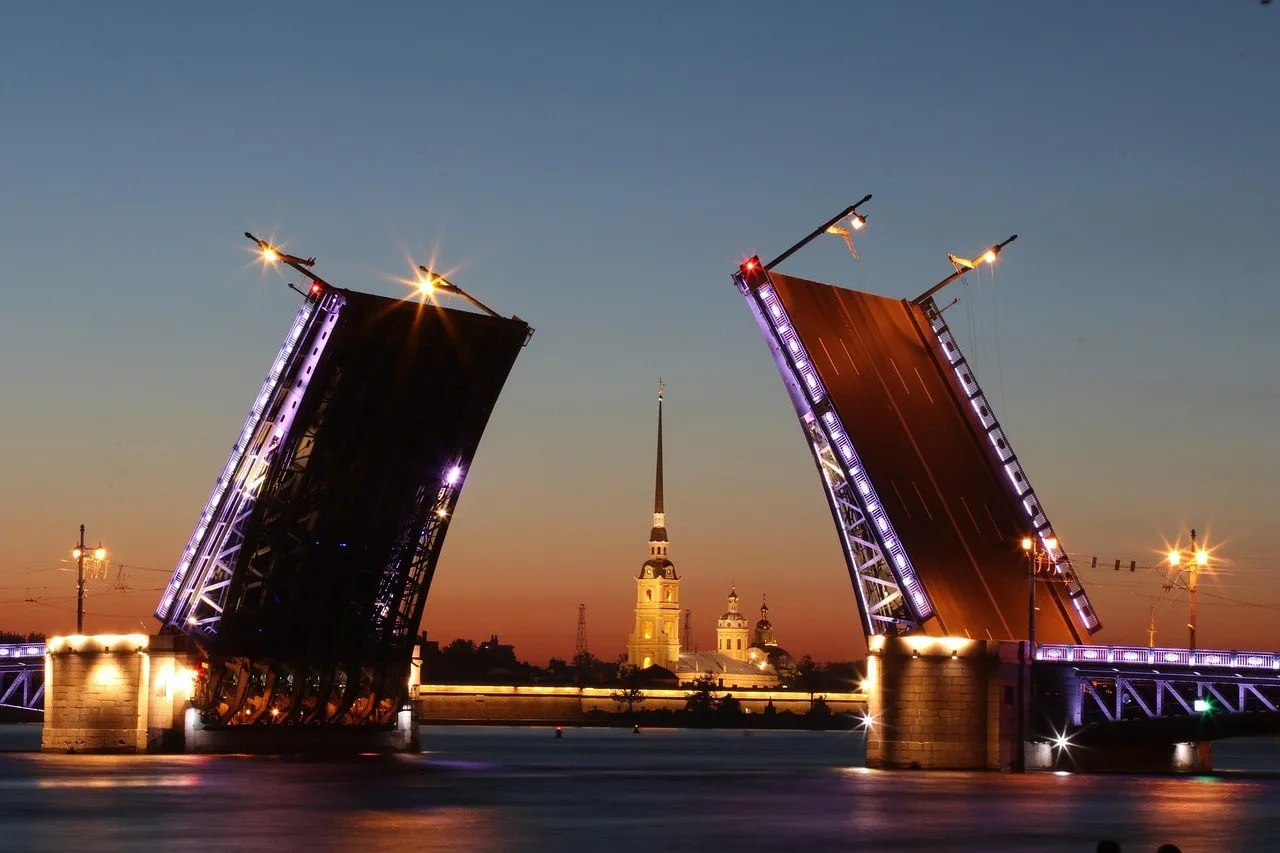
You cross a canal, spot a golden dome and reach the Neva facing a line of palaces. In St. Petersburg, even the walk between museums calls for a pause to look around.
The Neva runs the show: palaces on one side, the spire of the Peter and Paul Fortress on the other, islands and bridges stitching the landscape together. In the city center, monumental facades alternate with narrower canals, where an unhurried walk fits nicely. The scale shifts suddenly when you reach Palace Square; then, inside the Hermitage, it shifts again, this time down to the details.
Set aside time to actually go inside the buildings instead of racing to collect facades. This itinerary combines the Hermitage's main complex, churches with very different roles, gardens and riverbanks. Plan the order around closing days, and check current travel conditions for Russia before you book. Three days cover a first visit to the center; excursions to the palaces outside the city take extra time.
St. Isaac's altar has a stained-glass window of the risen Christ, an unusual presence in an Orthodox church.
The circular building known as the Bottle House, on New Holland, was once a naval prison; today it houses food and retail spaces.
On summer's white nights the sky takes its time getting dark: looking out the window is of little help in deciding whether it's already past bedtime.
1Between the Winter Palace and the General Staff Arch, the square introduces St. Petersburg's imperial scale before you step into the Hermitage.
View details for Palace Square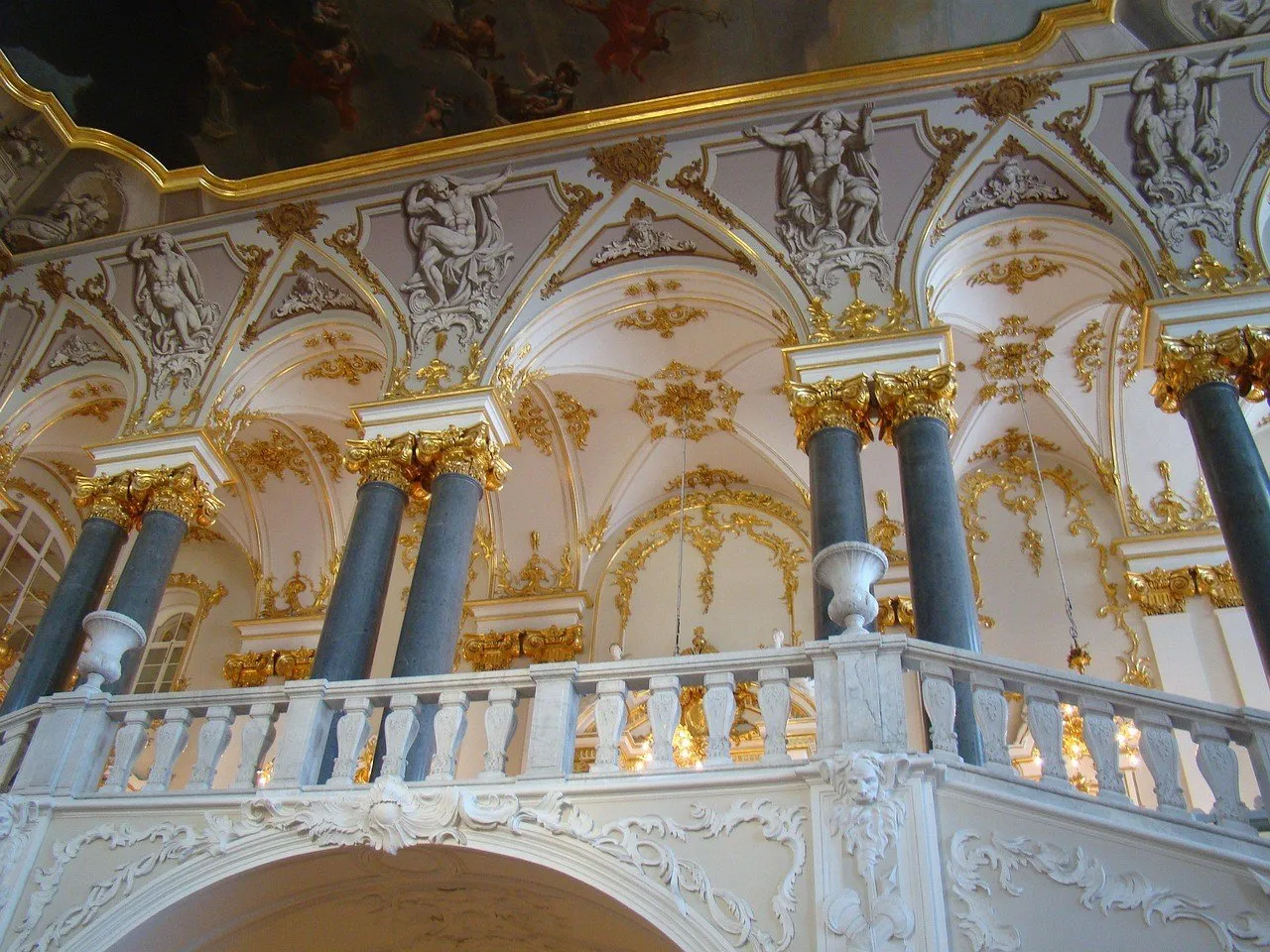 2
The main complex brings together art collections and palace interiors; choosing a few wings is the best way to enjoy the visit without exhaustion.
View details for Hermitage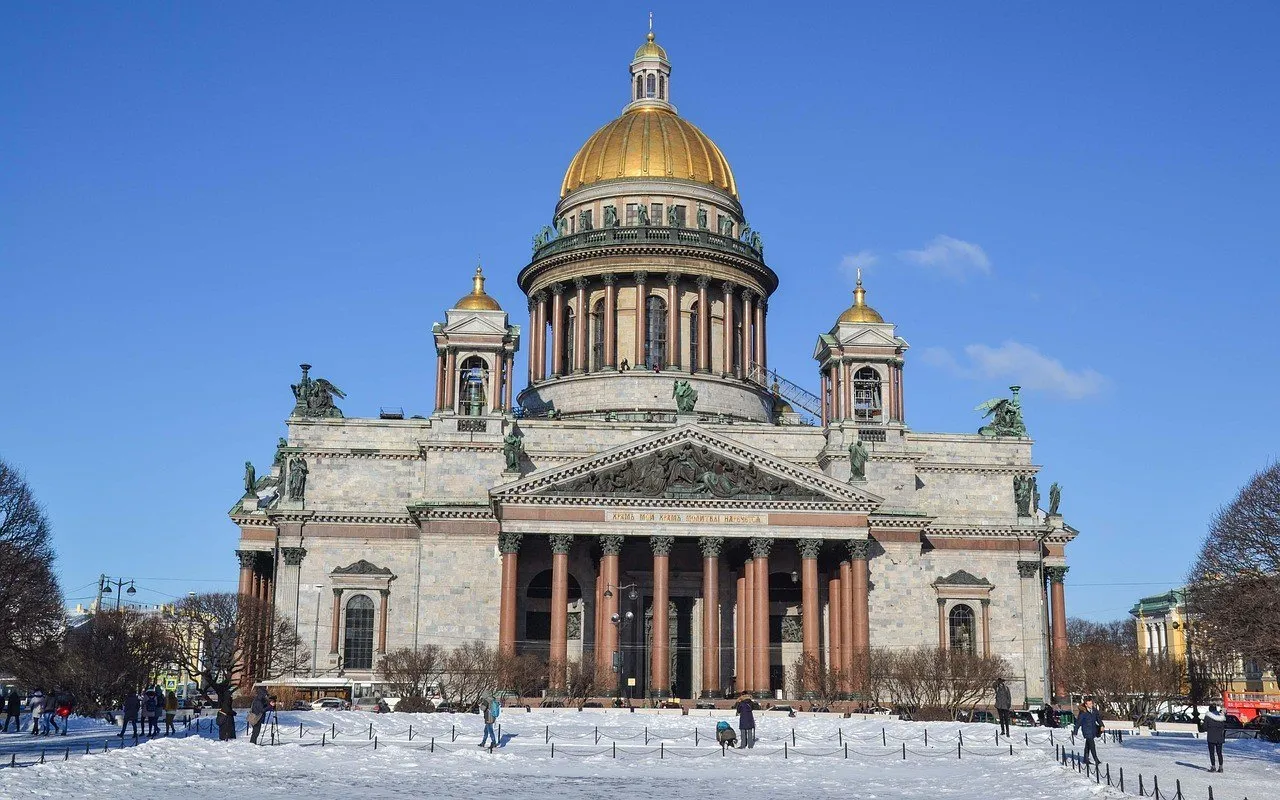 3
The golden dome announces the building from afar; inside, mosaics, paintings and columns of colored stone reward a slow look.
View details for St. Isaac's Cathedral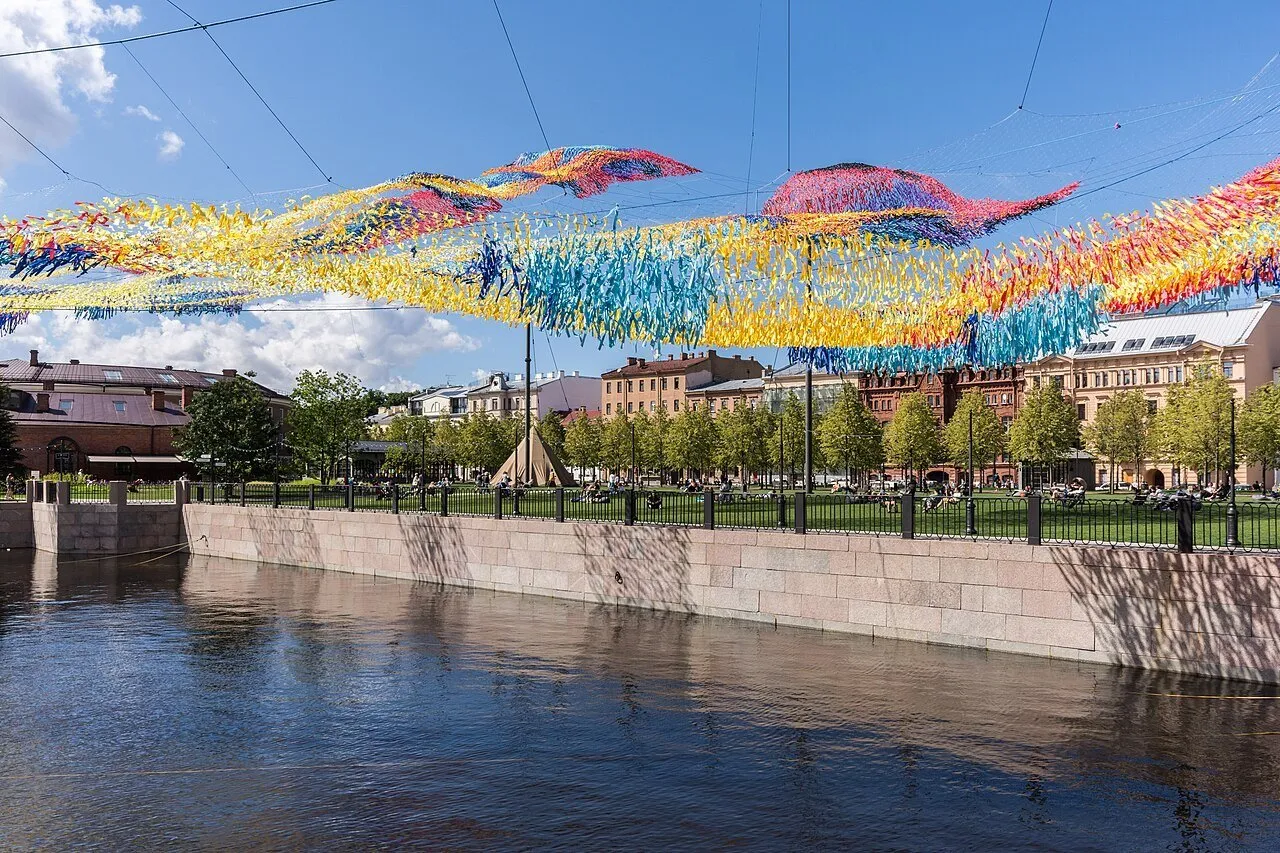 4
The island of former naval warehouses now has gathering and dining areas, a welcome change of pace after the halls and churches of the center.
View details for New Holland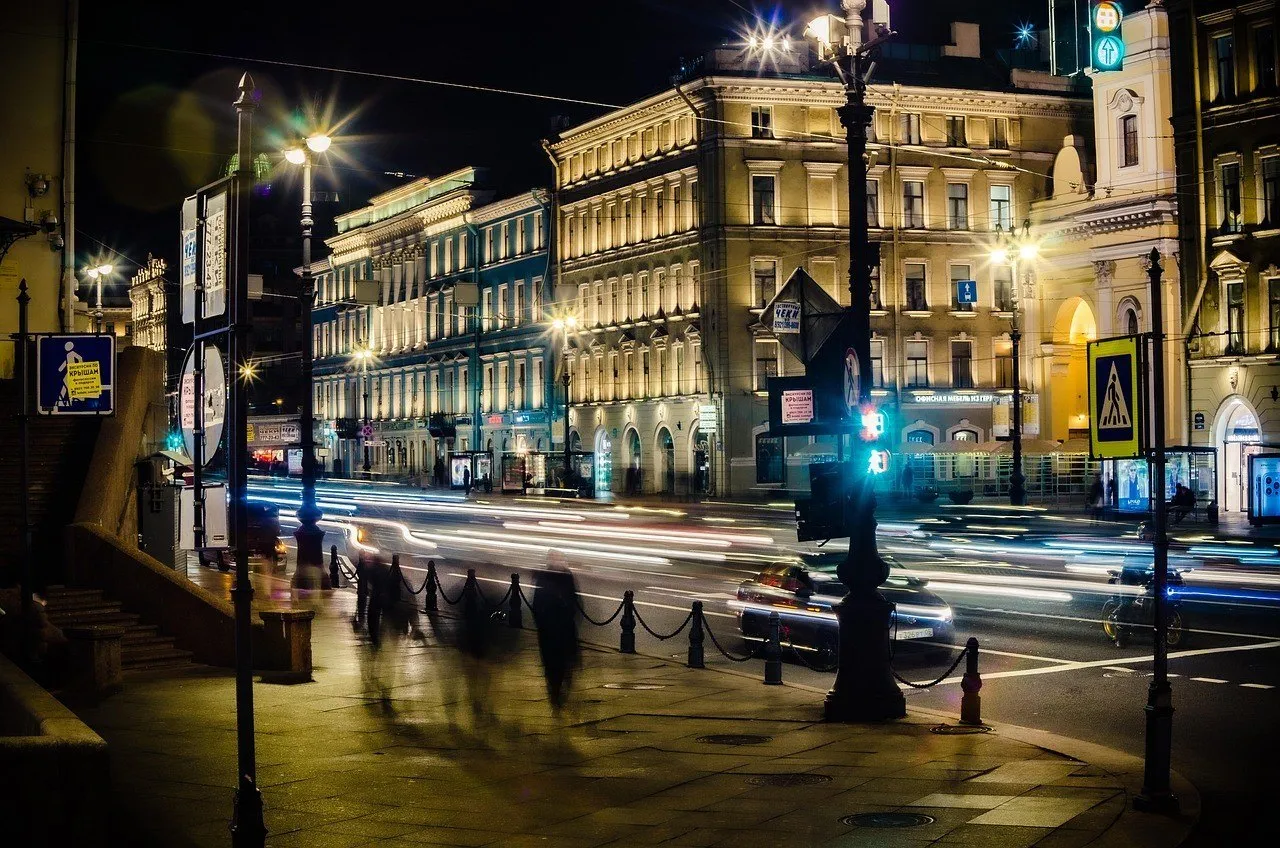 5
Palaces, churches, shops and canals line the avenue; walk one stretch to notice details that vanish when seen from a vehicle window.
View details for Nevsky Prospect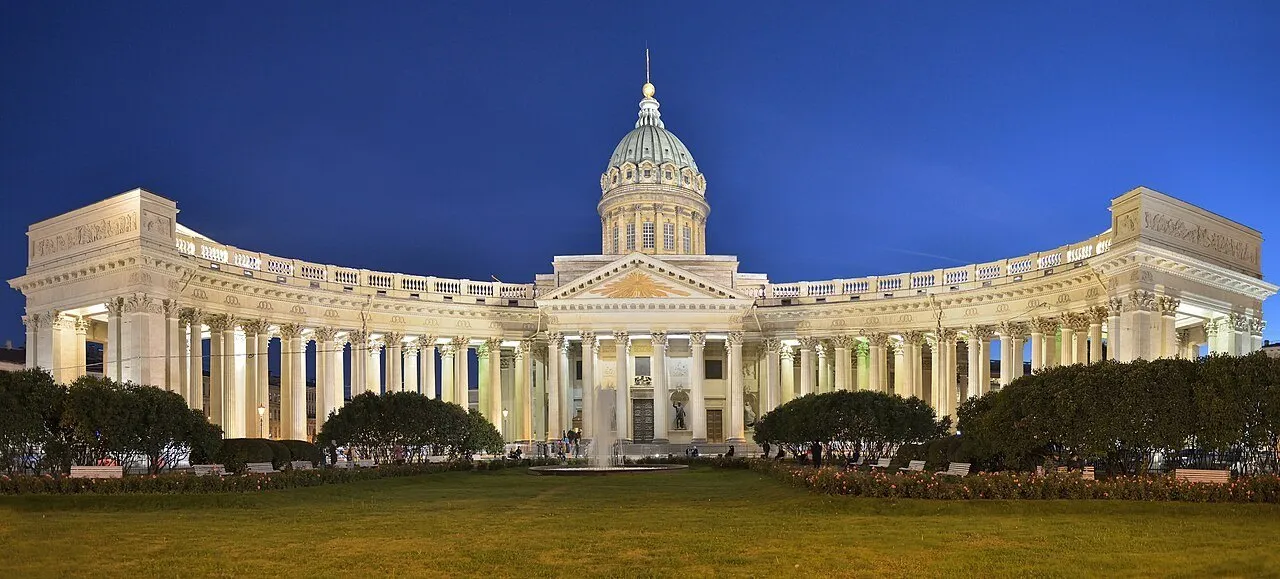 6
The curved colonnade opens onto Nevsky, while the interior remains tied to Orthodox worship and calls for a discreet visit among the faithful.
View details for Kazan Cathedral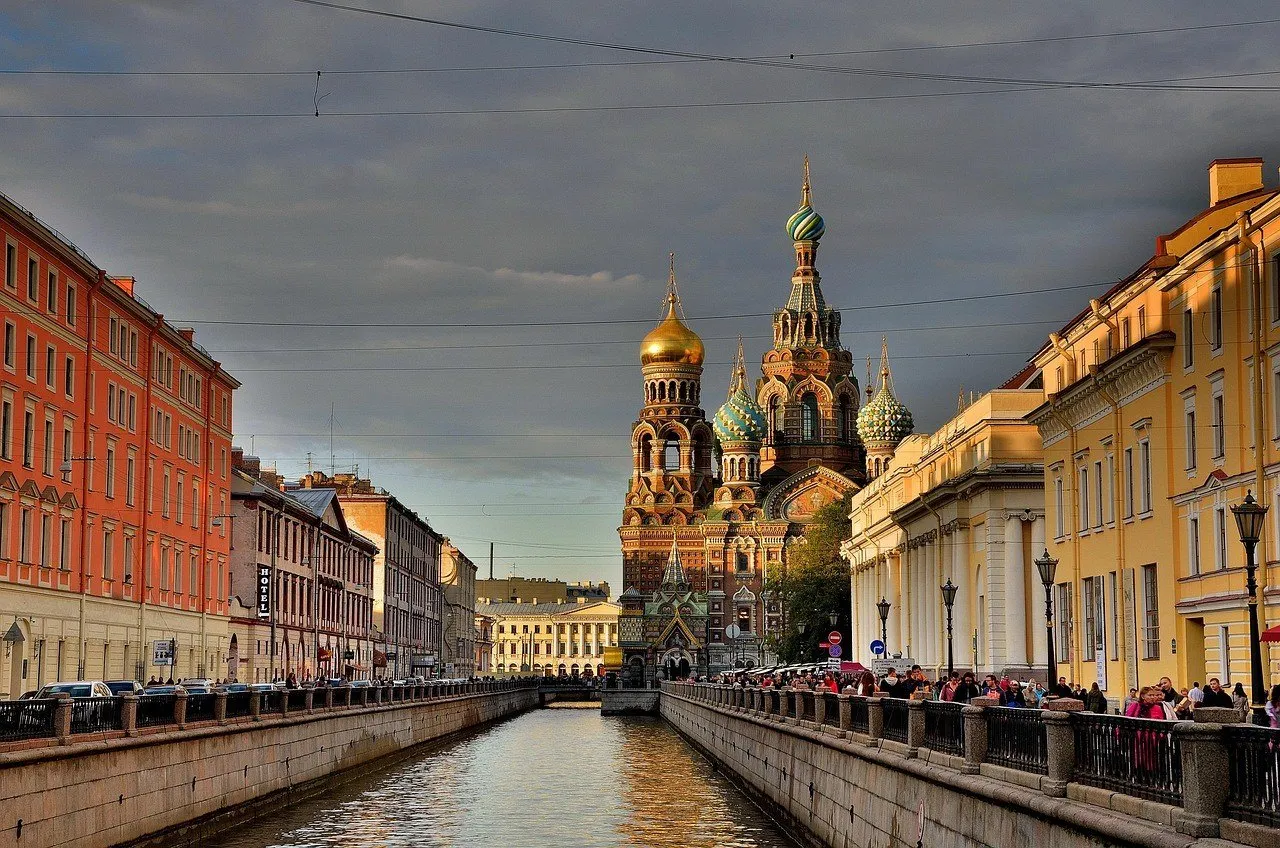 7
The colorful domes stand out beside the Griboyedov Canal; the mosaic-covered interior gives you another reason to step through the door.
View details for Church of the Savior on Spilled Blood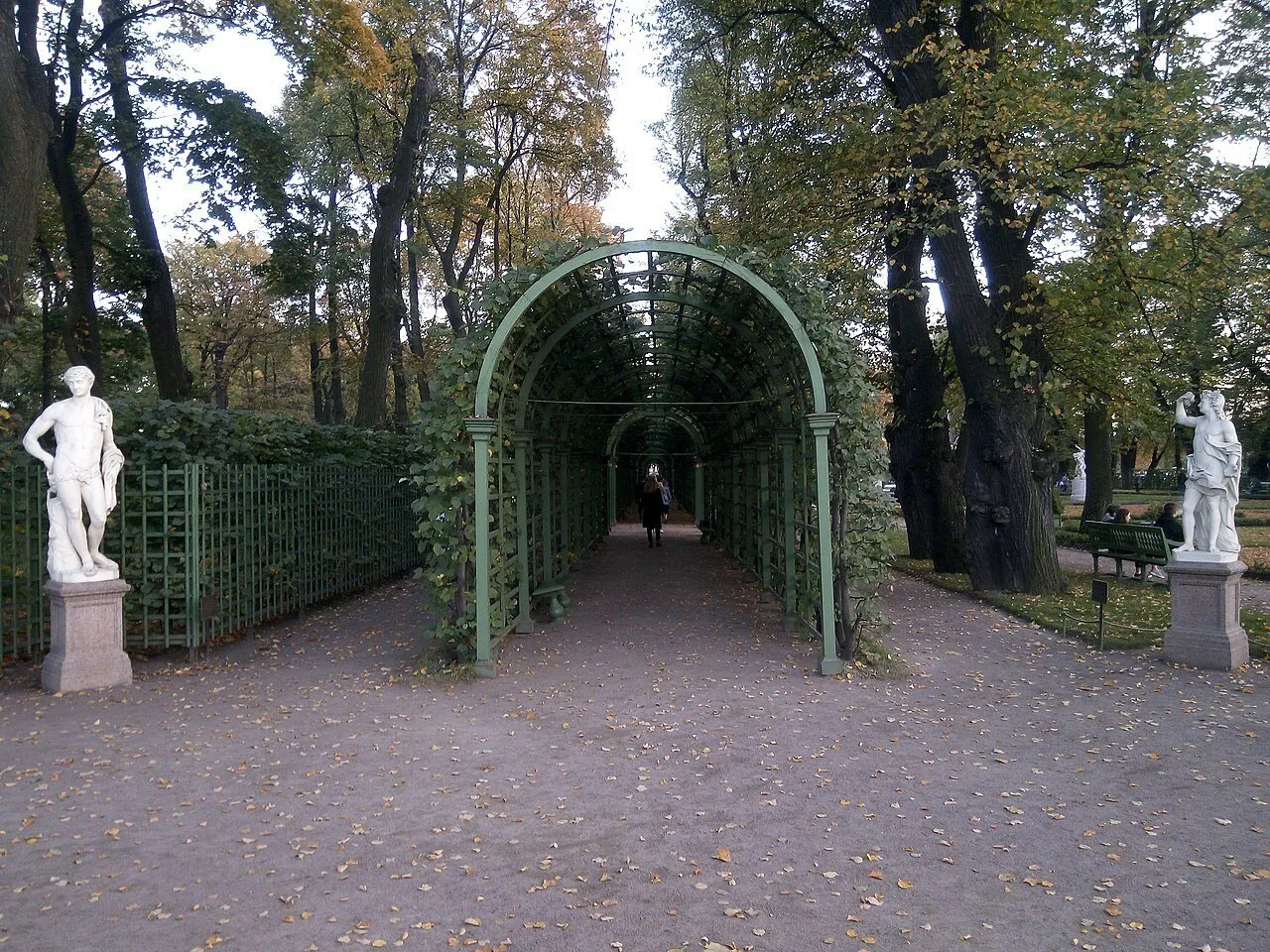 8
Regular alleys and sculptures make up the garden tied to Peter the Great, a green pause between the central canals and the Neva embankment.
View details for Summer Garden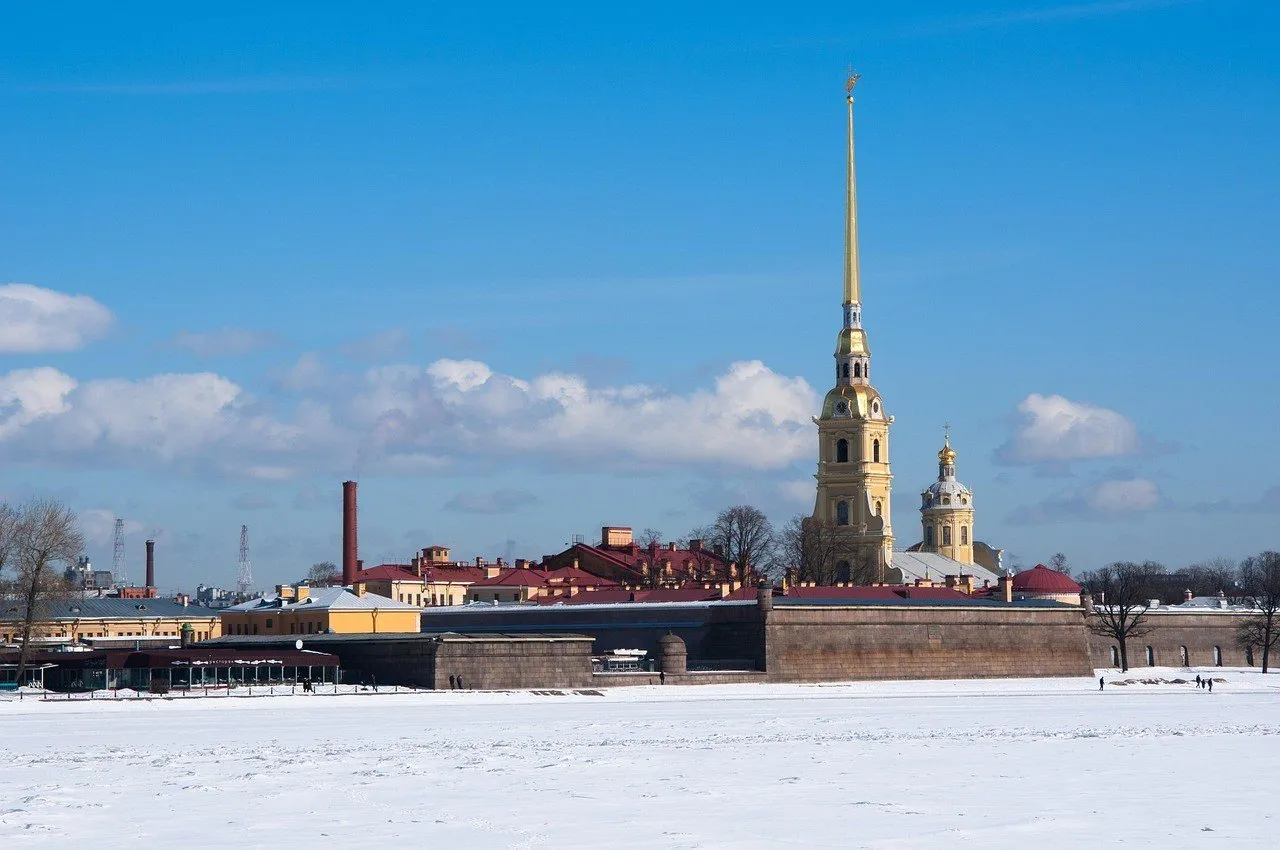 9
Walls, exhibitions and the golden-spired cathedral form a historic complex where you have to choose which interiors to see.
View details for Peter and Paul Fortress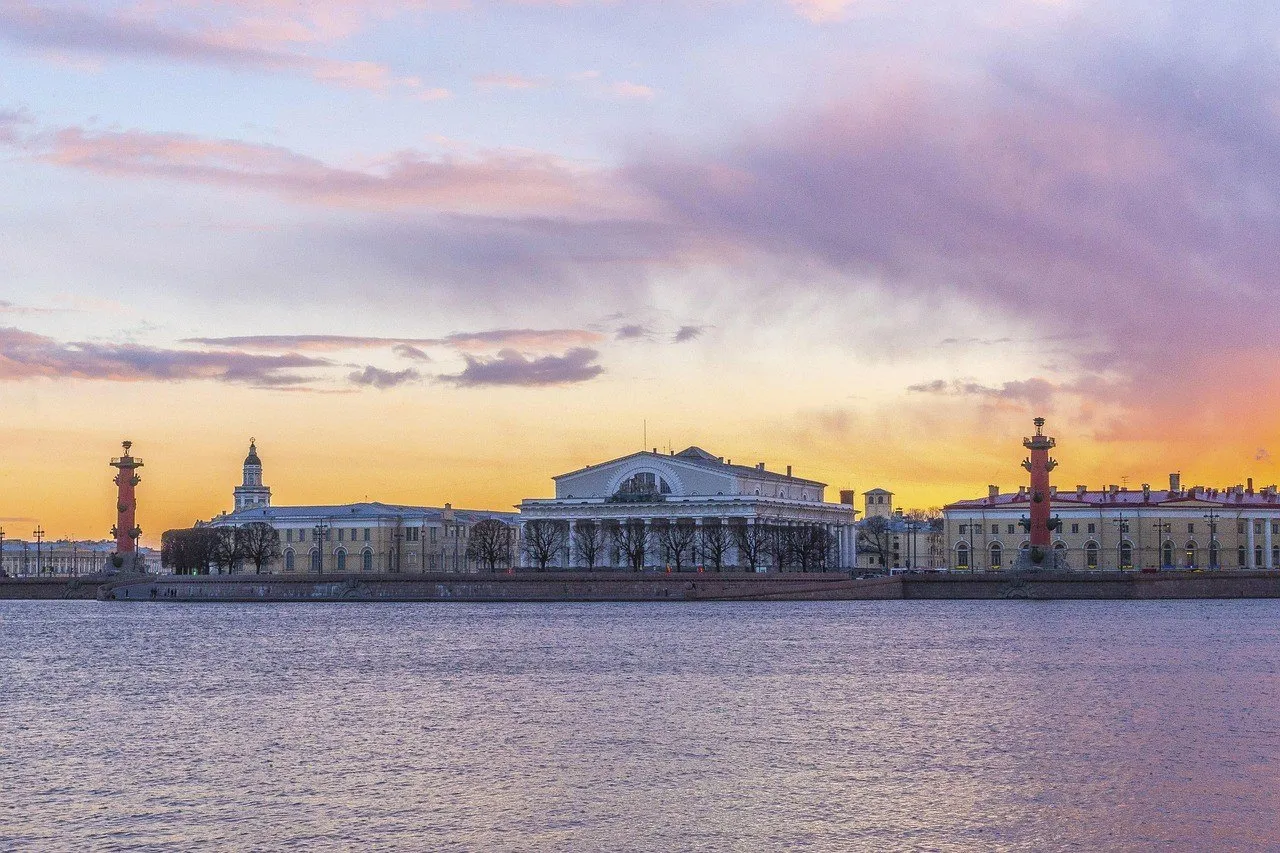 10
The square in front of the old Stock Exchange and the Rostral Columns opens the view to the Neva, the Peter and Paul Fortress and the facades across the water.
View details for Vasilyevsky Island Spit1The Winter Palace takes up one side, the curve of the General Staff Building closes off the other, and the Alexander Column marks the center. It's a composition that needs distance: stand too close and your camera starts negotiating with the facades.
Cross the square and notice how the arch frames the passage to the streets of the center. Then head to the entrance listed on your Hermitage ticket; the sheer size of the complex doesn't mean just any door will do.
2Here, the room competes for your attention with what's on display. The main complex includes the Winter Palace and gathers ceremonial interiors, paintings and objects from different cultures. Pick your interests: trying to see everything turns the visit into a marathon of picture frames.
Book one time slot for a few wings and accept leaving wanting to come back. Check the building when you buy your ticket: the General Staff Building has its own ticket, across the square, and isn't automatically included in this visit to the main complex.
3The enormous columns prepare you for an interior that also works on a grand scale. In Auguste de Montferrand's design, look at the painting, sculpture and mosaics; at the iconostasis, malachite and lapis lazuli set green and blue among the gold.
Visiting the interior and climbing the colonnade are separate activities. Choose according to your interests and your appetite for stairs; the view is no substitute for the works inside, and the museum ticket doesn't automatically include the viewing deck.
4After the marble and gold, the brick of the old naval warehouses appears. New Holland is an artificial island turned into a place to hang out, with open areas and repurposed buildings. The water keeps shaping the scenery.
Wander around the complex and look for the circular Bottle House. Let your food break decide how long you stay; in rain or cold, focus on the places that are open indoors rather than counting on an afternoon outside.
5Start near the Anichkov Bridge and head toward Kazan Cathedral. Nevsky brings together palaces, churches and commercial buildings, crossing the Fontanka and the Griboyedov Canal. Look above the signs: the facades deserve attention too.
This walk covers one stretch of the avenue, not its full length. Stop for a coffee and use the marked crossings; the goal is to reach Kazan still interested in your surroundings, not to turn the walk into an endurance test.
6The curved colonnade invites you out of Nevsky's flow. Andrey Voronikhin's design echoes St. Peter's in Rome; inside, granite columns lead the eye toward the religious space. The change in volume calls for a different attitude.
Kazan is a working church, with services and people at prayer. Enter quietly and follow local guidance. The visit works better with a few attentive minutes than with photos competing for space with worship.
7The colorful domes appear along the axis of the Griboyedov Canal and change the outline of the surrounding facades. The church is a memorial to Alexander II, which explains the strong name. Take in the whole ensemble from outside first.
Inside, mosaics cover the surfaces and ask for close attention. Pick one panel, notice the tiny pieces, then step back to follow the composition; that way you appreciate the work without trying to identify every scene at once.
8Straight paths organize the garden, created on the initiative of Peter the Great. Among alleys and sculptures, geometry is part of the walk: follow one axis, turn onto another and notice the perspectives. Getting lost takes real cooperation.
Use the visit as a break before the Neva embankment. The look changes with the seasons, and fountains and sculptures may be covered for protection; a summer photo is no promise for October. Check the weekly closing day too.
9The golden spire helps you locate the complex before you cross to Zayachy Island. Within the walls, Peter and Paul Cathedral shares space with exhibitions and former prison sites. Choose which interiors to visit.
Entering the grounds and entering each museum are different things. Some works restrict access along the Neva and on the island's beach; the itinerary skips those stretches. Follow current signage rather than retracing routes from old photographs.
10The tip of Vasilyevsky Island brings together the old Stock Exchange, the Rostral Columns and an embankment from which you recognize the center you've been seeing in pieces. Find the fortress and the line of palaces, now with no crowds in front.
Approach from the fortress area, crossing the Birzhevoy Bridge as traffic rules allow. The walk covers exteriors only, with no entry into the Exchange building. In strong wind, cut the stop short and save lunch for a sheltered spot.
The British government advises against all travel to Russia. Before booking, consult your own country's consular guidance, passport requirements, insurance coverage and available flight connections.
Visa and Mastercard cards issued outside Russia don't work in local shops or at ATMs. Confirm how to pay for bookings and tickets, plan how to get rubles and look for authorized exchange offices.
Pulkovo connects to Moskovskaya station by bus, so you can continue by metro. Check current routes and times; save maps and names in Cyrillic, including your accommodation's address.
The Hermitage usually closes on Monday; St. Isaac's and Spilled Blood on Wednesday; the Summer Garden on Tuesday. Swap the order and, when needed, split the blocks, especially over three consecutive days.
The church asks for covered shoulders, women's heads covered and men without hats. Check all dress requirements; keep your phone silent and don't photograph services.
June favors bright nights; winter means less light and more indoor breaks. Bring suitable footwear, rain protection and a layer against the wind, rearranging the waterfront stops to suit the weather.
Between one palace and the next, set aside a break that doesn't need a timed ticket. In the pyshki shops, the пышечные on the signs, the hot treat pairs well with a coffee. For a proper meal, look for fish dishes and check what's in season; the name on the menu doesn't guarantee fresh catch of the season.
Rings of fried dough covered in powdered sugar; eat them hot and accept the white souvenir on your clothes.
A small fish associated with the local spring, often served fried; ask about its origin and seasonal availability.
We use cookies and similar technologies, such as Google Analytics, in accordance with our Privacy Policy and, by continuing to browse, you agree to these terms. You can decline at any time in the policy.