 1
Architecture
Brandenburg Gate
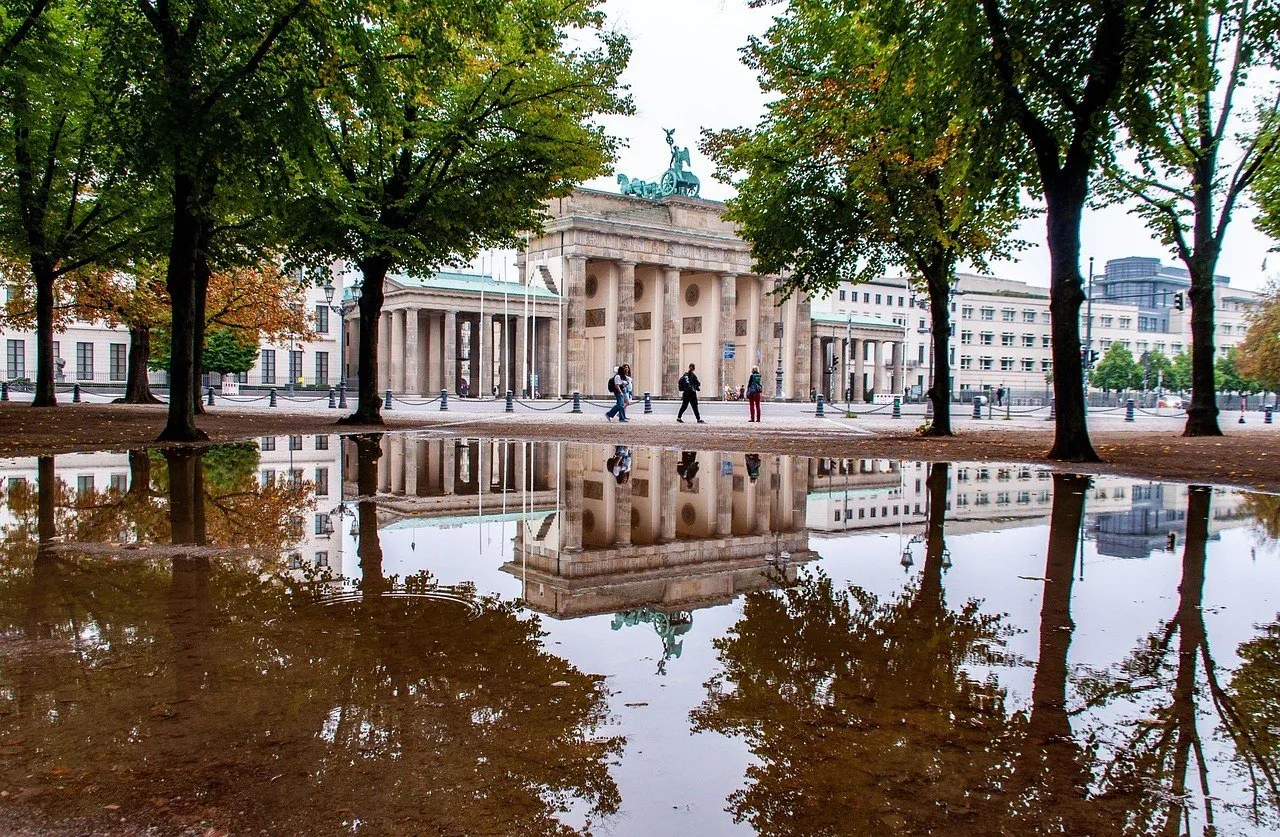
The columned gate and its quadriga mark Pariser Platz. Once cut off by the border, it now symbolizes the reunification of Berlin.
View details for Brandenburg Gate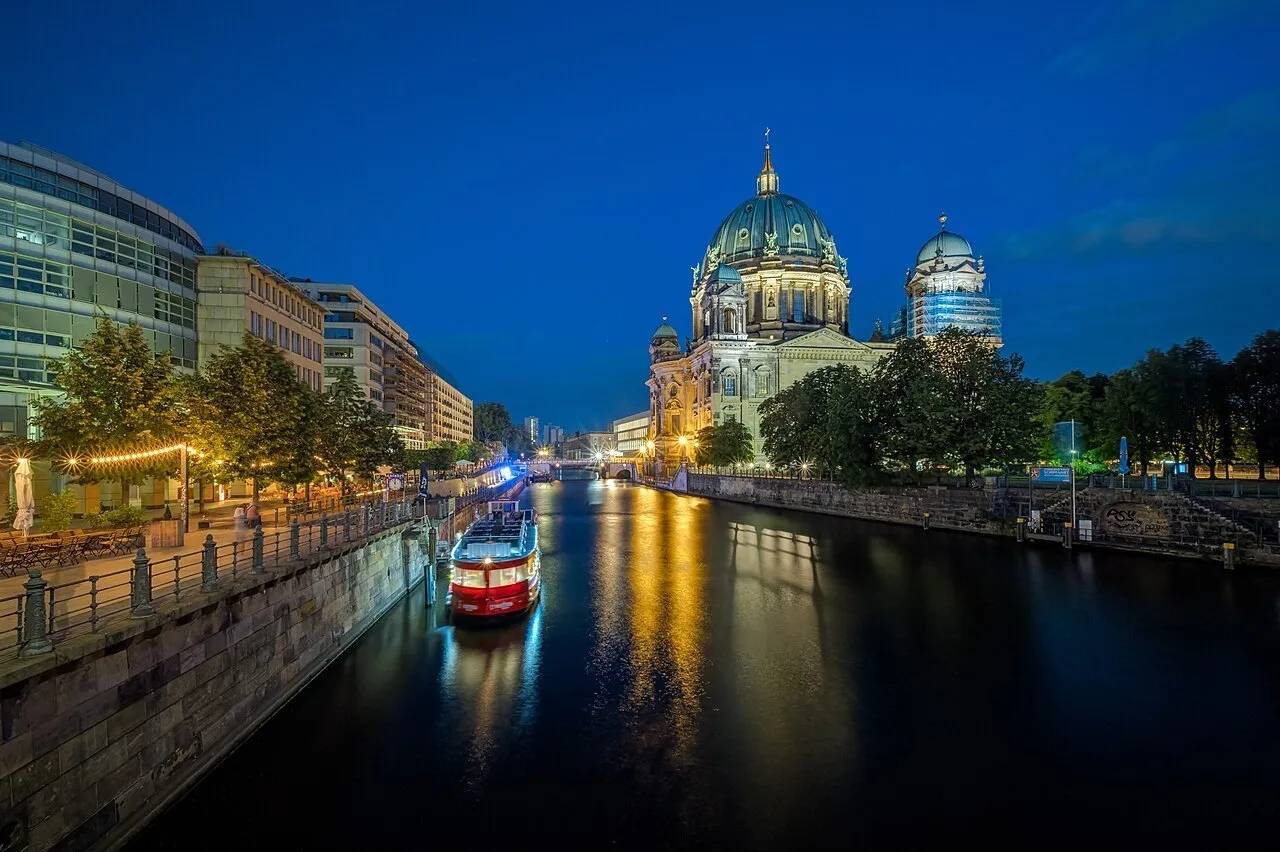
A yellow train rolls over the Oberbaum Bridge while murals from the old Wall line your walk. In Berlin, even the stretch between two sights is worth a pause to look around.
You can start beneath the horses of the Brandenburg Gate and end up watching trains cross the Spree. Between one scene and the next, Berlin asks you to pay attention to what remains: the concrete of the Wall, the names on the memorials and the marks preserved on the walls of a museum. Give these places time. The city rewards you more when the next stop isn't competing with a visit you are still trying to understand.
Plan your days by area: the Brandenburg Gate and the government district; Museum Island and Alexanderplatz; then Bernauer Straße and the Spree riverbank in Friedrichshain. Use the trains to link these blocks instead of turning the whole itinerary into a long hike. The Tiergarten offers a break between monuments, and a döner solves hunger without any ceremony. Three days make a good first read of the city; a fourth lets you spend more time in the museums.
The Brandenburg Gate sat inside the restricted border zone, out of reach from both sides of the divided city.
On Bernauer Straße, some buildings stood in East Berlin while the sidewalk in front of them was already in the West.
The World Clock on Alexanderplatz uses a gearbox adapted from a Trabant to drive its mechanism.
The Tiergarten began as a hunting ground; today you rest among the trees on what was once the rulers' land.
1The columned gate and its quadriga mark Pariser Platz. Once cut off by the border, it now symbolizes the reunification of Berlin.
View details for Brandenburg Gate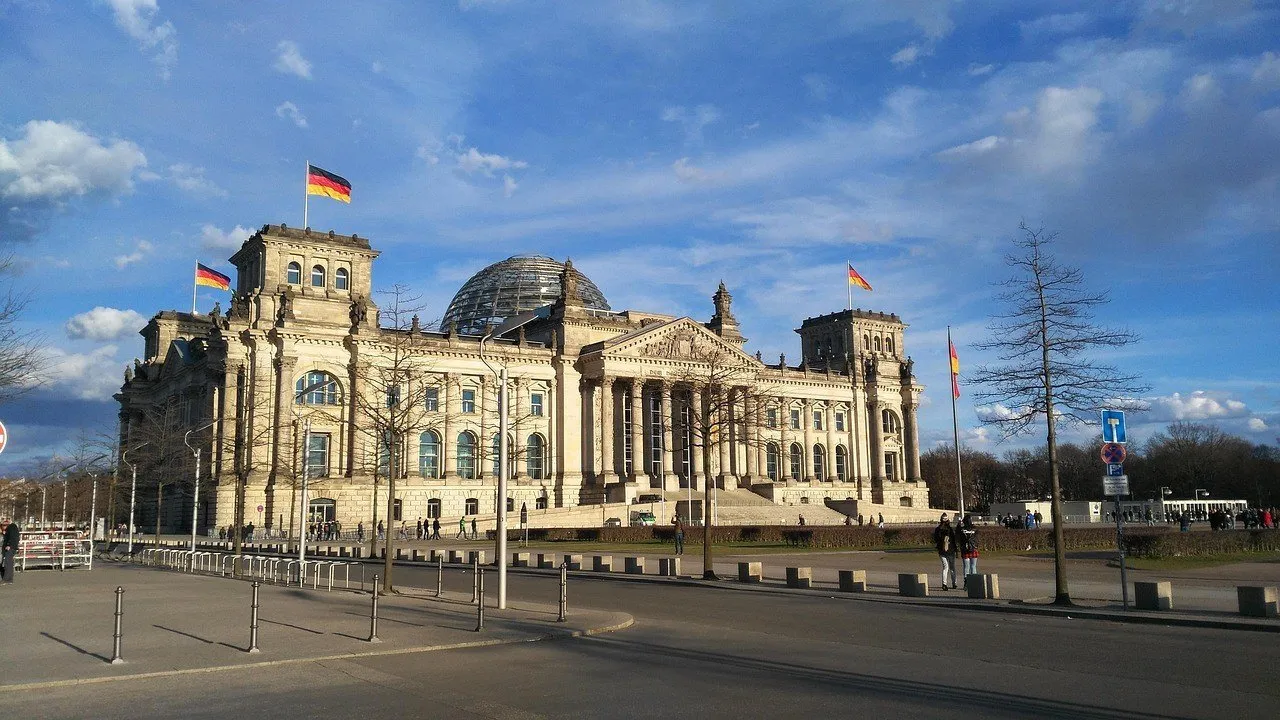 2
Seat of the German Parliament, with a terrace and a glass dome. Going inside requires registration; the facade can be seen from the square.
View details for Reichstag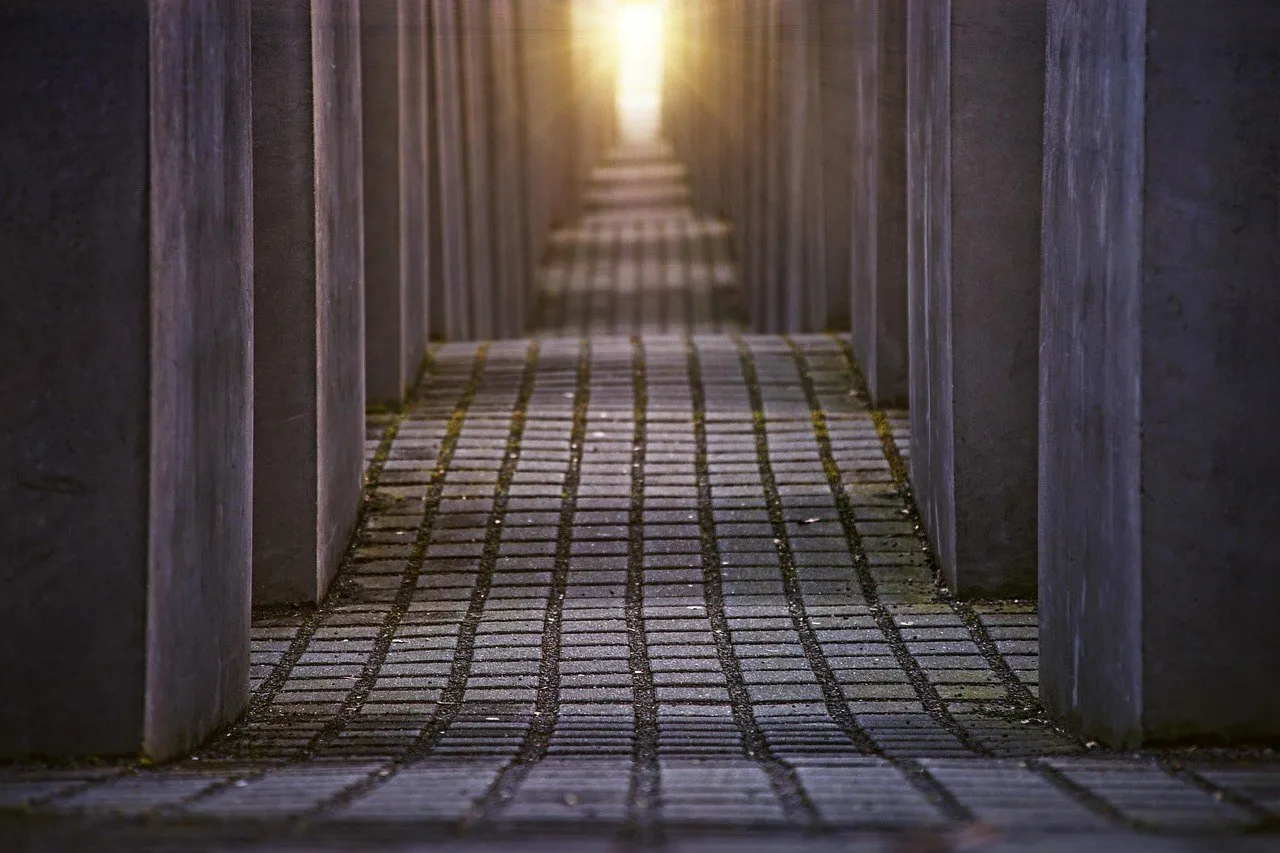 3
Concrete blocks commemorate the Jewish victims of the Holocaust. The information center adds names and stories to the outdoor visit.
View details for Memorial to the Murdered Jews of Europe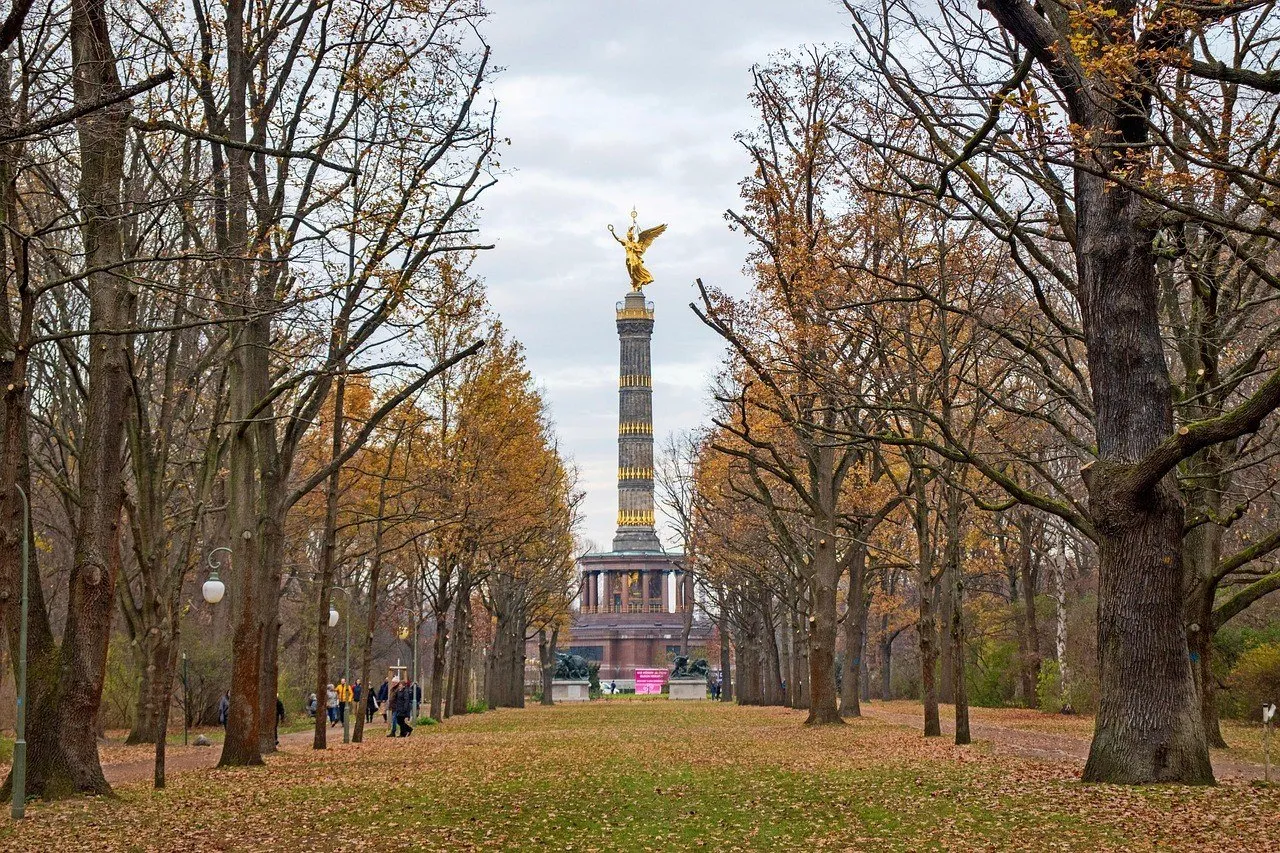 4
Paths, lawns and lakes fill the former hunting ground next to the center. Pick one stretch to rest between monuments.
View details for Tiergarten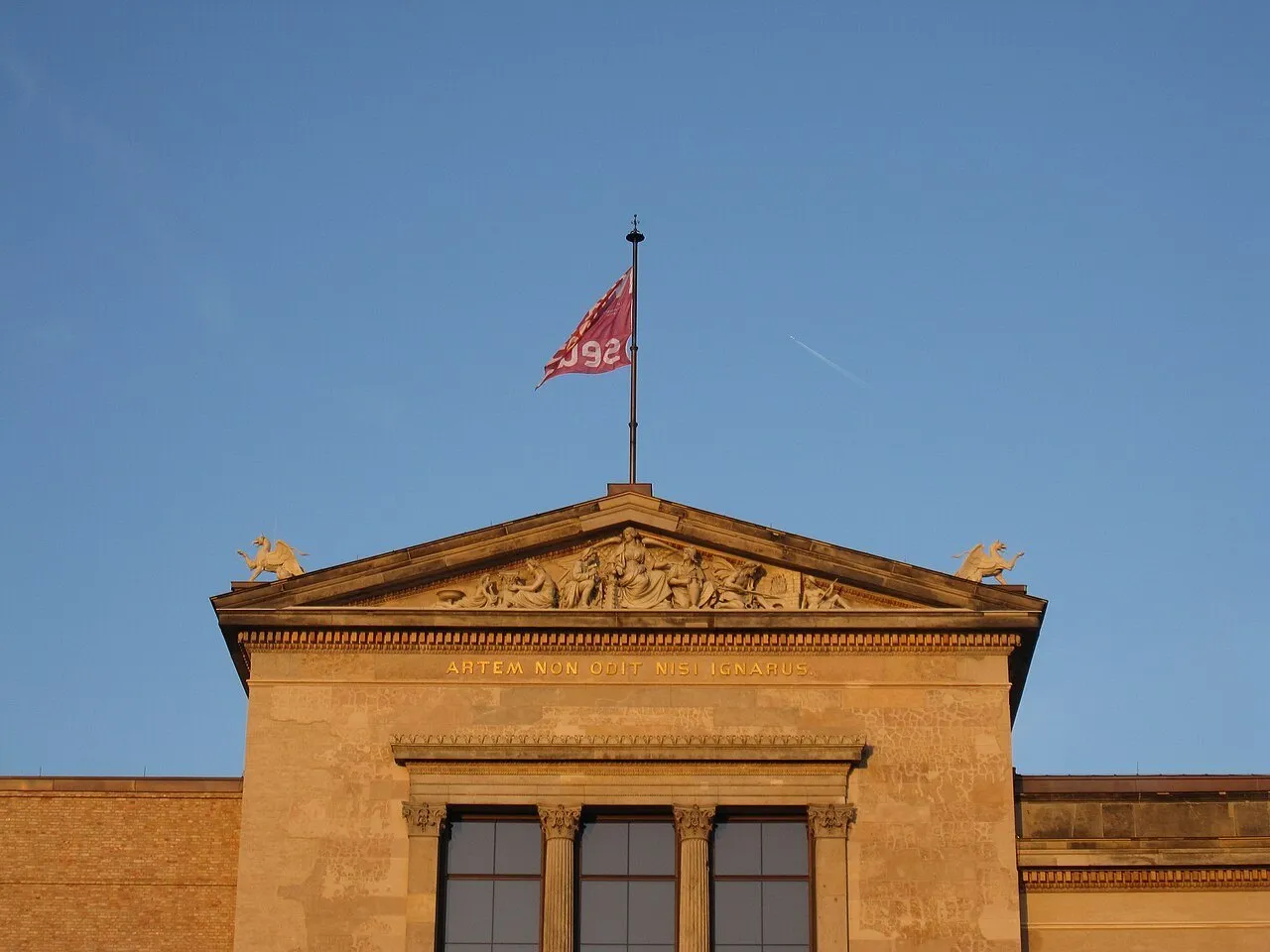 5
Egyptian art and archaeology, with the bust of Nefertiti among the highlights. The restoration preserves marks of the building's destruction.
View details for Neues Museum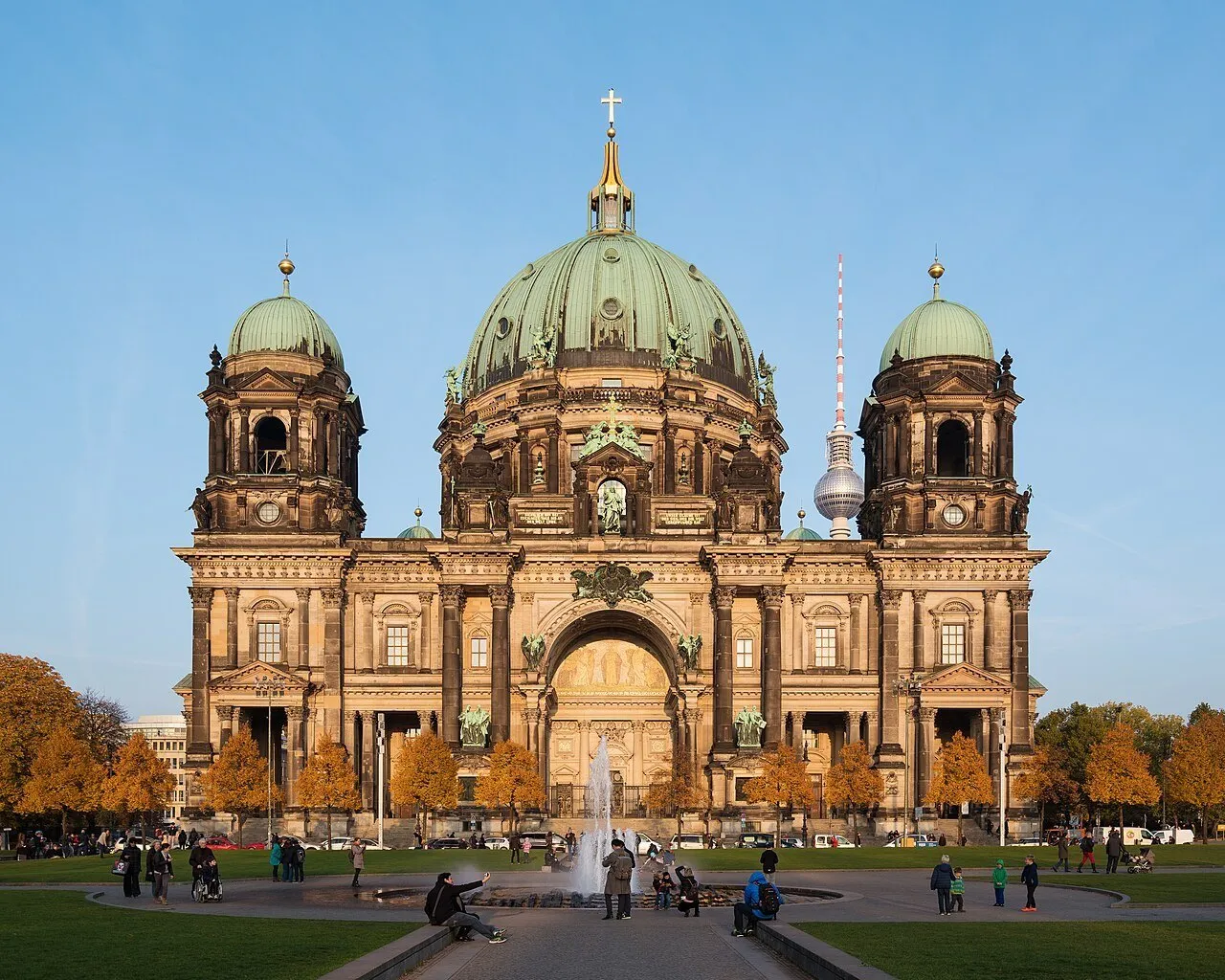 6
The green dome dominates the Lustgarten. The church includes worship spaces, the Hohenzollern crypt and a climb for views over Berlin.
View details for Berlin Cathedral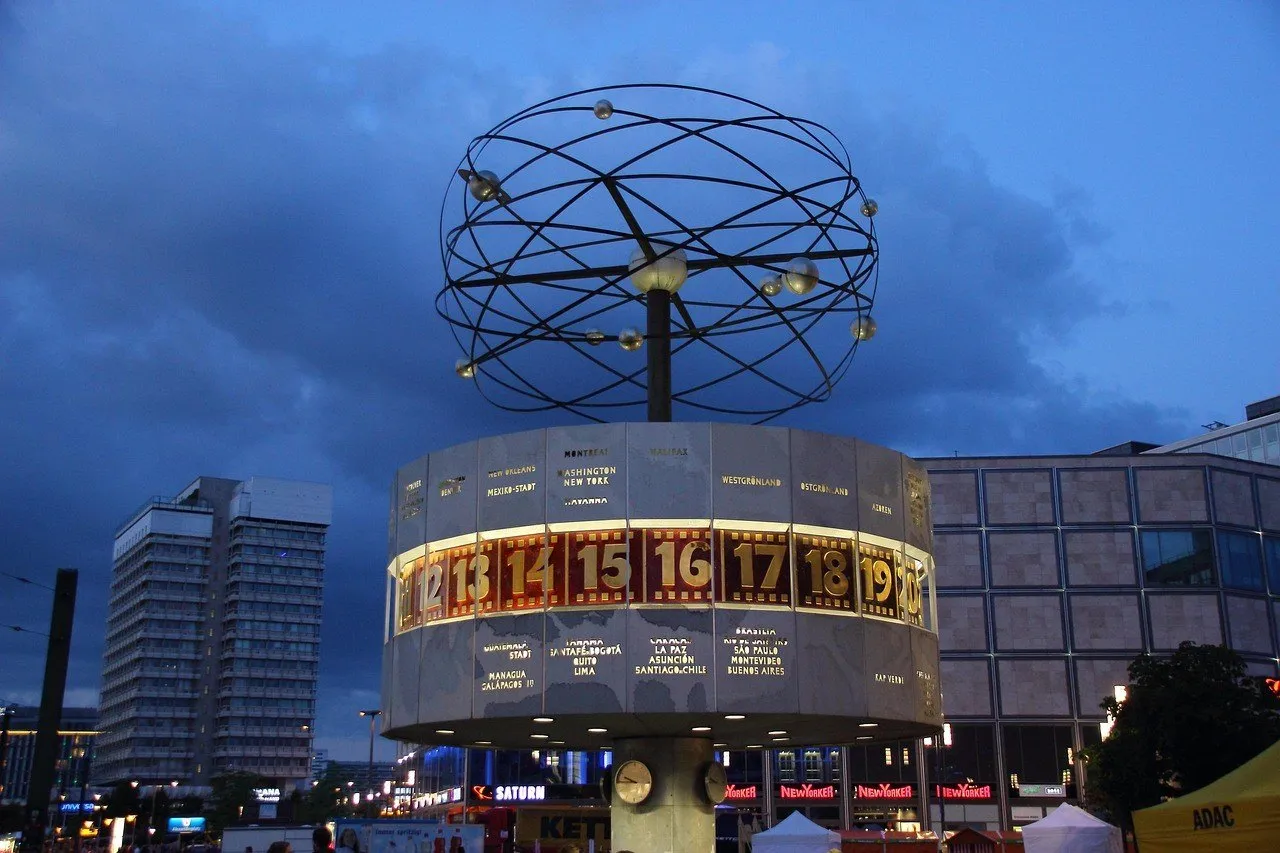 7
The World Clock and the movement of trains mark the square by the TV tower. The itinerary plans an outdoor stroll, without going up the tower.
View details for Alexanderplatz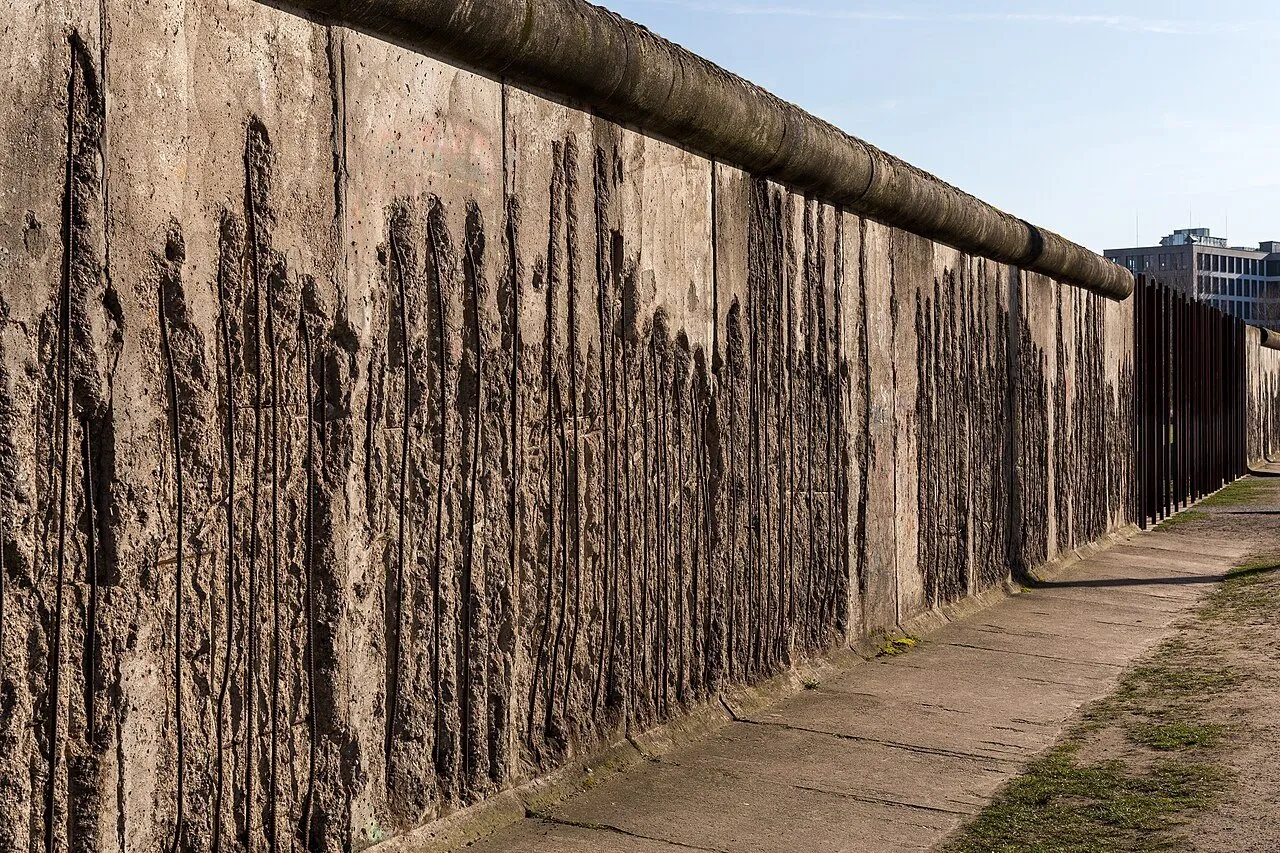 8
On Bernauer Straße, remnants and personal accounts show the division of Berlin. The documentation center helps explain the former border.
View details for Berlin Wall Memorial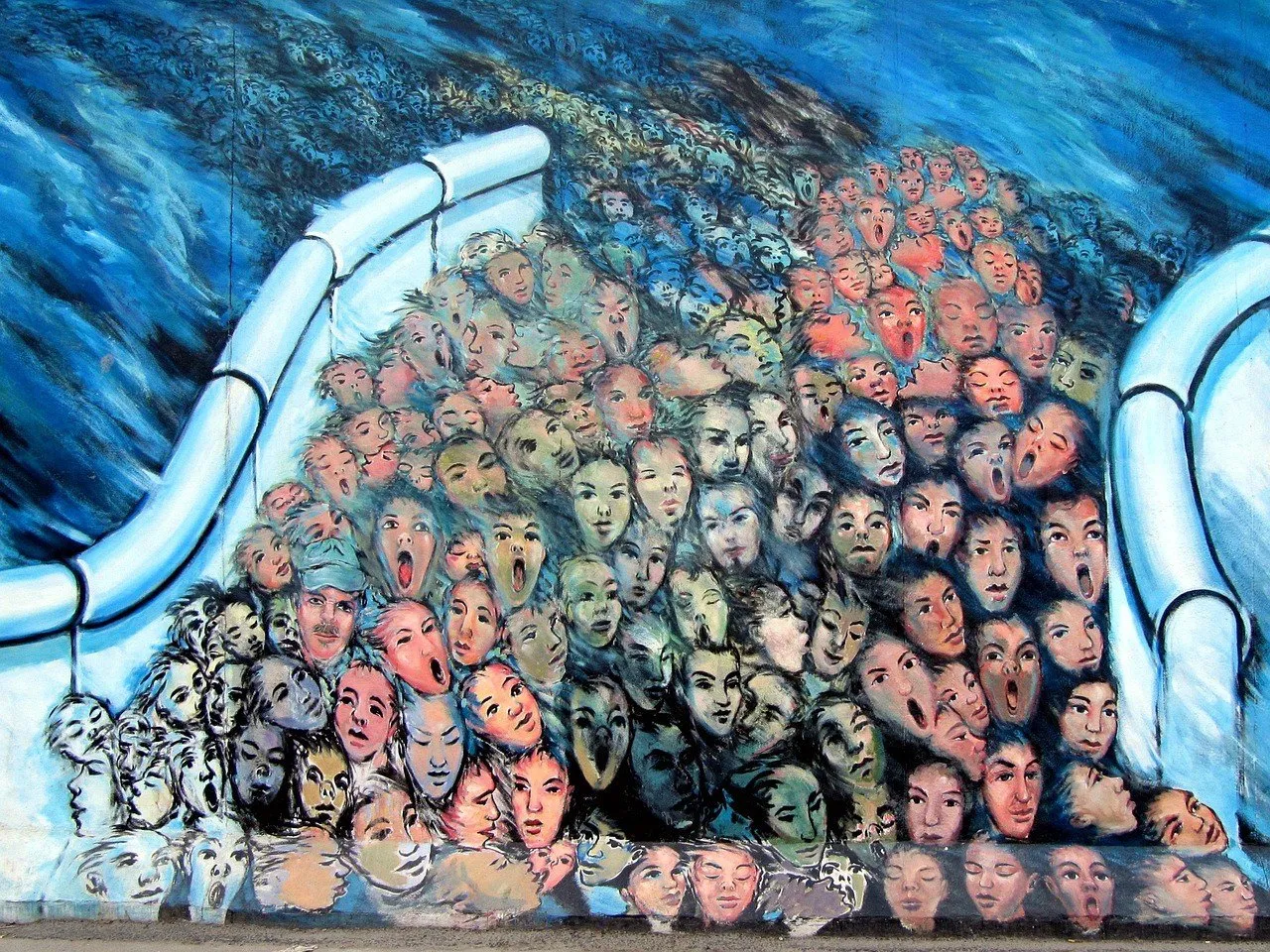 9
Murals cover a preserved stretch of the Wall beside the Spree. See the paintings and remember a structure that kept people apart.
View details for East Side Gallery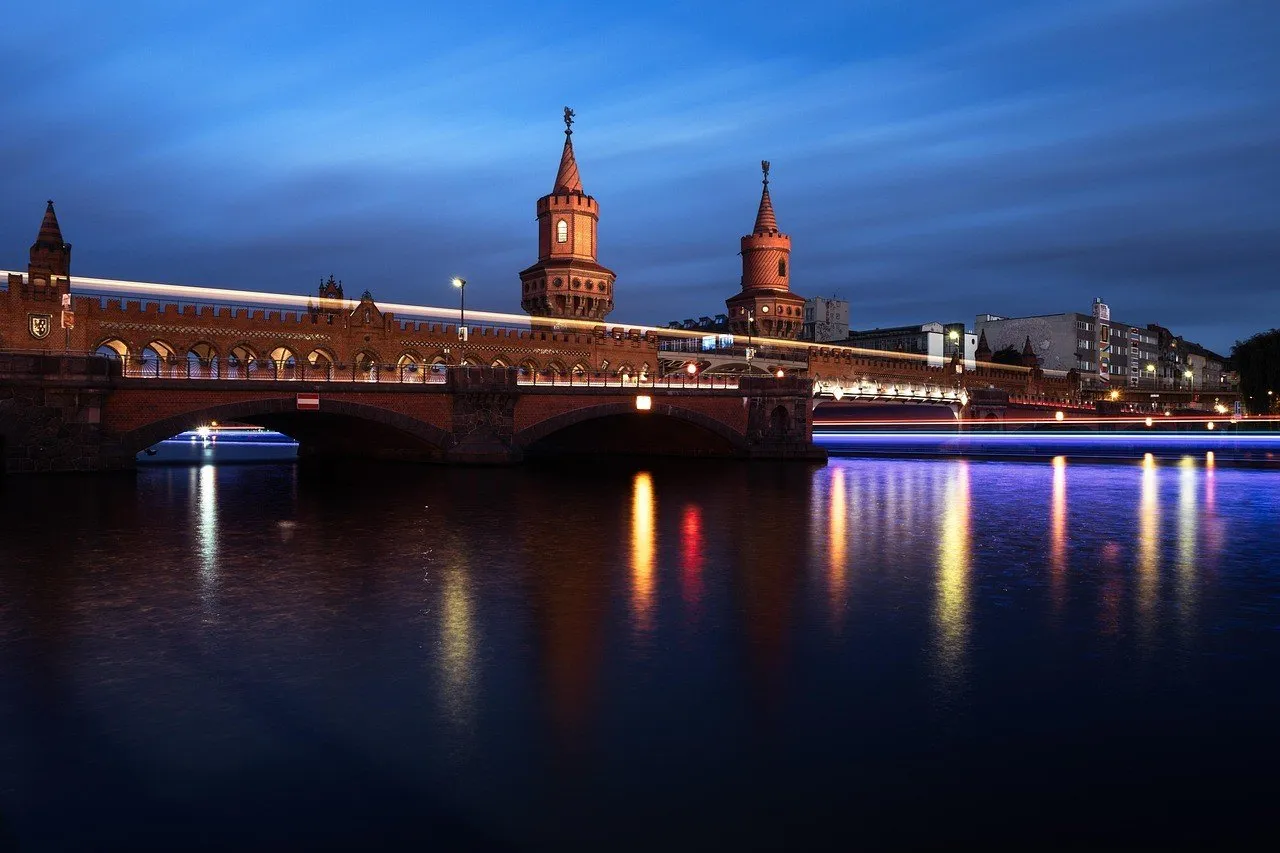 10
Red-brick towers and trains over the Spree link Friedrichshain and Kreuzberg. Cross on foot and see the whole bridge from the bank.
View details for Oberbaum Bridge1Standing under the quadriga, look both ways: Pariser Platz lies on one side, the Tiergarten on the other. The sandstone gate shapes the view with its columns and the horses on top. While the city was divided, it stood in a restricted area next to the Wall.
Walk through the passage and notice how a place that was once inaccessible became a space for people to move through. Photograph the whole gate from the square, then move closer for the details. Events can affect access.
2The stone facade prepares you for a solemn building; the glass dome changes the conversation about the roof. The Reichstag houses the Bundestag, the German Parliament, and the terrace lets you look out over the government district.
A visit to the dome is usually free, with registration and an identity check. Plan your morning around the confirmed time slot and bring the original ID document required. If you have no reservation or the dome is closed, keep the stop to the outside and move on with the itinerary.
3The concrete blocks stand in rows near the Brandenburg Gate, but the ground and the heights change as you walk. Peter Eisenman's memorial commemorates the Jews murdered in the Holocaust; move through its corridors mindful of where you are.
When it is open, include the underground information center: the personal accounts give the monument a human context. Set aside time to read and listen, plus a break afterward. This reflection deserves room before the next stop of the day.
4After the Parliament and the memorials, step into the Tiergarten and let the trees fill your field of view. The former hunting ground became a public park, with lakes, lawns and paths for slowing down.
Choose one stretch rather than trying to cover it all. The section near the Brandenburg Gate fits this itinerary; the Neuer See means extending the walk. A park bench counts as an activity too: your feet will probably back the decision before you do.
5Nefertiti is often what motivates the visit, but look at the building too. The restoration of the Neues Museum kept traces of the war damage as part of the architecture; old walls and modern interventions sit alongside the Egyptian and archaeological collections.
Set aside a morning to see the bust and keep going through the galleries. Check the entrance printed on your ticket and the rules for each room. The Pergamonmuseum remains closed as of this research; plan the Neues as your main visit so you don't count on a museum that is unavailable.
6From the Lustgarten, the facade and green dome of the Berliner Dom stand with enough room around them to take in the scale of the whole complex. Look from outside before you go in, and don't let the line set your pace.
Explore the interior and the access to the Hohenzollern crypt. Climbing the dome adds another perspective, if it is open and suits your mobility. The building still hosts religious services; adapt your visit to the calendar of services and events.
7Use the World Clock as your landmark and notice the names of the cities beside the hours. Alexanderplatz is a meeting spot and a transport hub; among trains, shopping and pedestrians, the visit follows everyday life.
The TV tower looms nearby, but going up takes its own planning: this itinerary plans an outdoor stroll. Agree on an exact meeting point with your companions; saying only "at the station exit" leaves too much work to chance.
8Start at the visitor center on Bernauer Straße to get your bearings. The memorial follows the former border, with remnants and exhibitions on the division of Berlin. Accounts from residents show what the Wall imposed on everyday life.
Walk the outdoor area and, depending on opening hours, the documentation center and its viewing platform. The view helps you make sense of the elements of the border strip. These testimonies give context to the East Side Gallery murals later on.
9The paintings interrupt your walk along Mühlenstraße: you move on, meet another image and stop again. The East Side Gallery occupies a remaining section of the Wall that received works by artists after the border opened.
Arrive via Ostbahnhof and walk toward the Oberbaum Bridge, looking beyond the most photographed murals. Check the foundation's information to understand the works. The colors share space with the memory of separation; adding inscriptions damages the monument and the conservation work.
10The train runs overhead, pedestrians below, and the red-brick towers frame the movement over the Spree. The Oberbaumbrücke links Friedrichshain to Kreuzberg and served as a border crossing during the division of Berlin.
After the murals, cross on foot and look at the bridge from the bank to take in the whole structure. Wait for the train out of the walkway's flow: getting the photo right is easier when you skip the last-minute detours.
BER is in zone C: to get downtown, check for an ABC ticket. See whether AB is enough for your other trips and consult the official app.
Validate the paper ticket or activate the digital one before your trip, depending on the product. Buying without validating can leave the ticket invalid; compare passes against your real use.
Carry a few euros and ask about cards before ordering: stalls and bakeries may work in cash. Your craving for a döner will thank you.
In stations and squares, keep your phone and wallet secure and watch your backpack. To take photos or check the map, step out of the pedestrian flow.
Bring rain protection and an extra layer for the evening, even between May and September. In winter, shorten your walks and add more indoor visits.
At memorials, read the accounts, speak quietly and avoid posing on the monuments. Book the Reichstag and museums through official channels; check what each confirmation or ticket covers.
In Berlin, currywurst and döner solve lunch at a snack stand; the taverns offer a slower meal. Choose by neighborhood and appetite, without crossing the city just for a line. At the bakery, save room for a Pfannkuchen.
Sausage served with tomato-curry sauce, with versions and spice levels that vary from stall to stall.
Bread with meat sliced from the spit, salad and sauces: an important part of the city's German-Turkish cooking.
Flat meat patties, served in a bread roll at snack bars or with sides in a tavern meal.
In Berlin, the name also refers to the fried pastry in the doughnut family, found in bakeries in different versions.
We use cookies and similar technologies, such as Google Analytics, in accordance with our Privacy Policy and, by continuing to browse, you agree to these terms. You can decline at any time in the policy.