 1
History and architecture
National Monument — Monas
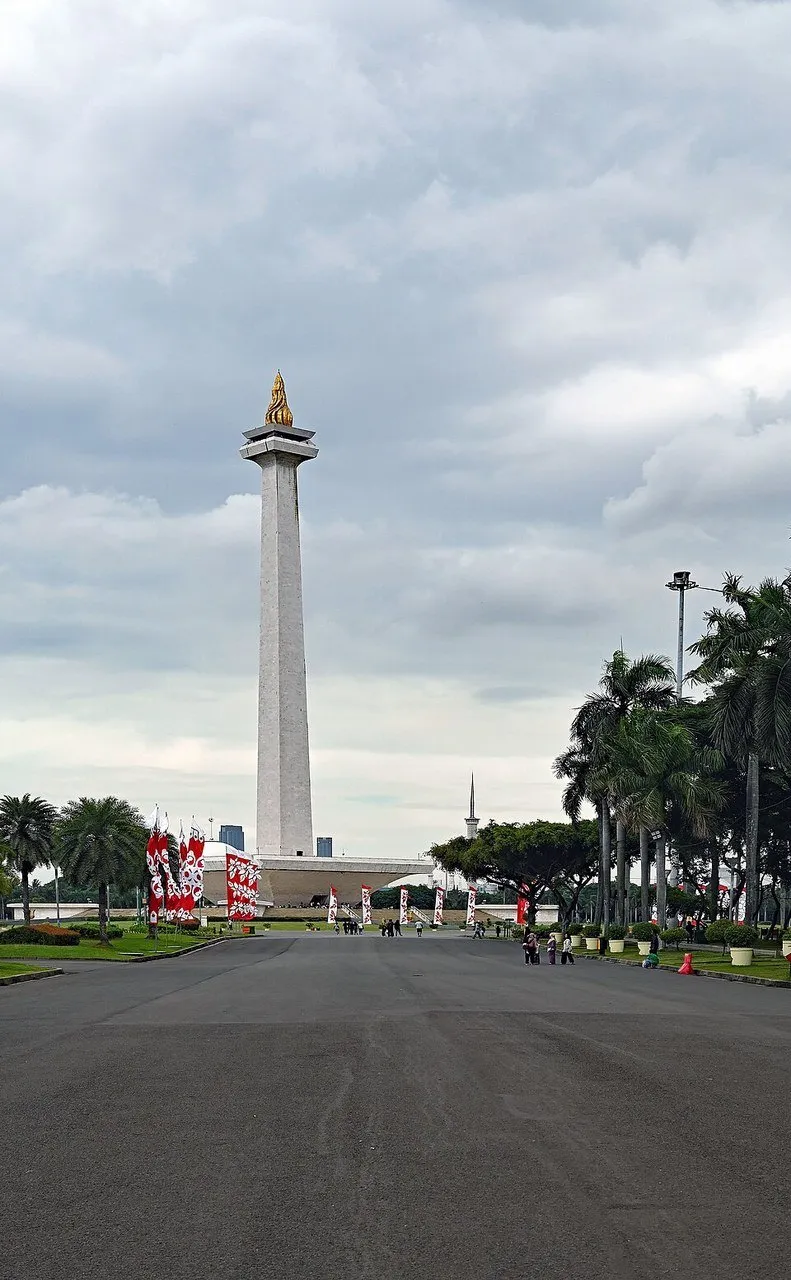
A golden flame crowns the independence monument in Merdeka Square, with a history museum at the base and an observation deck with controlled access.
View details for National Monument — Monas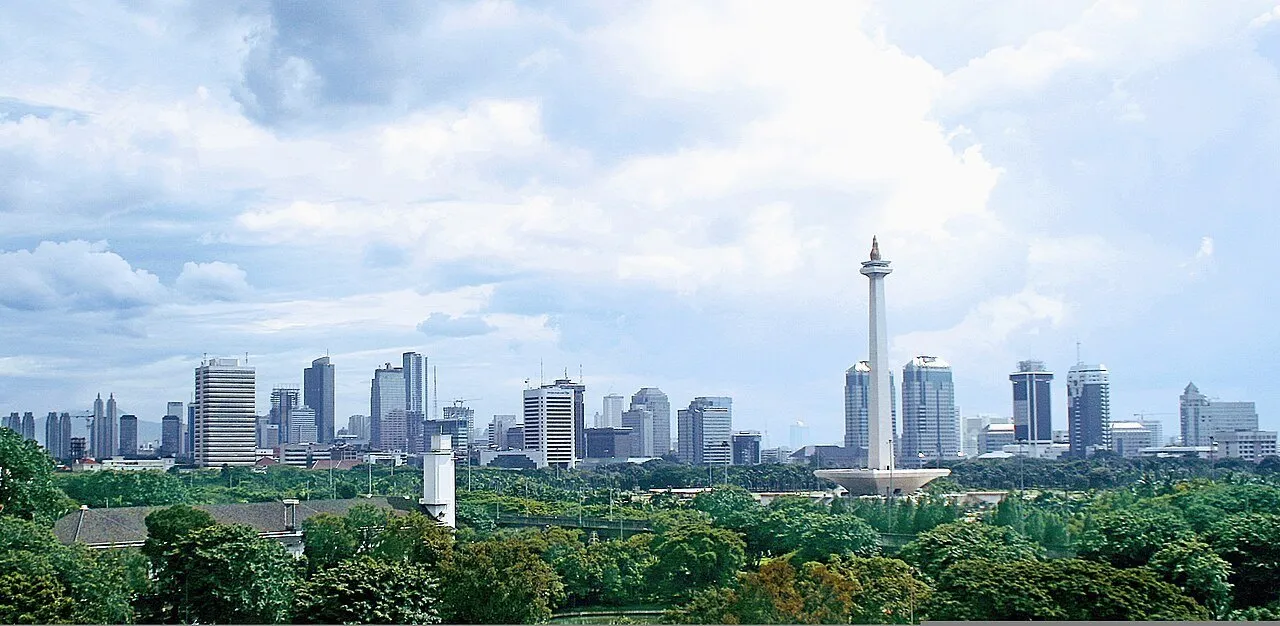
In Jakarta, the golden flame of Monas points to the sky while, in Glodok, lunch starts in an alley of noodles and coffee. Between stops, the traffic also asks for a place in your itinerary.
The golden flame of Monas rises above a huge esplanade; farther north, colorful bicycles cross Fatahillah Square and wooden boats work the port of Sunda Kelapa. Jakarta spreads along the coast of Java and calls for its own way of sightseeing: pick one area, explore it unhurriedly and accept that distance on the map explains only half of the trip. The other half is traffic.
Plan your first visit in three blocks: the monuments and museums of the center, old Batavia with the Chinese quarter of Glodok, and one day for the cultural pavilions of Taman Mini. In between, leave room for Betawi cooking, from coconut-milk broth to egg with sticky rice. Here, setting aside time for lunch makes as much sense as setting aside time for the museum.
The National Museum earned the nickname Museum Gajah, the Elephant Museum, thanks to the sculpture given by King Chulalongkorn of Thailand that stands in front of its facade.
The Istiqlal Mosque was designed by Friedrich Silaban, a Protestant Christian architect; Jakarta Cathedral stands across the street.
At Taman Mini, traditional houses surround a lake shaped like a representation of the archipelago: the name suggests a miniature, but your legs will get quite a workout.
Bir pletok is not beer: this Betawi drink is made with spices such as ginger and secang, and contains no alcohol.
1A golden flame crowns the independence monument in Merdeka Square, with a history museum at the base and an observation deck with controlled access.
View details for National Monument — Monas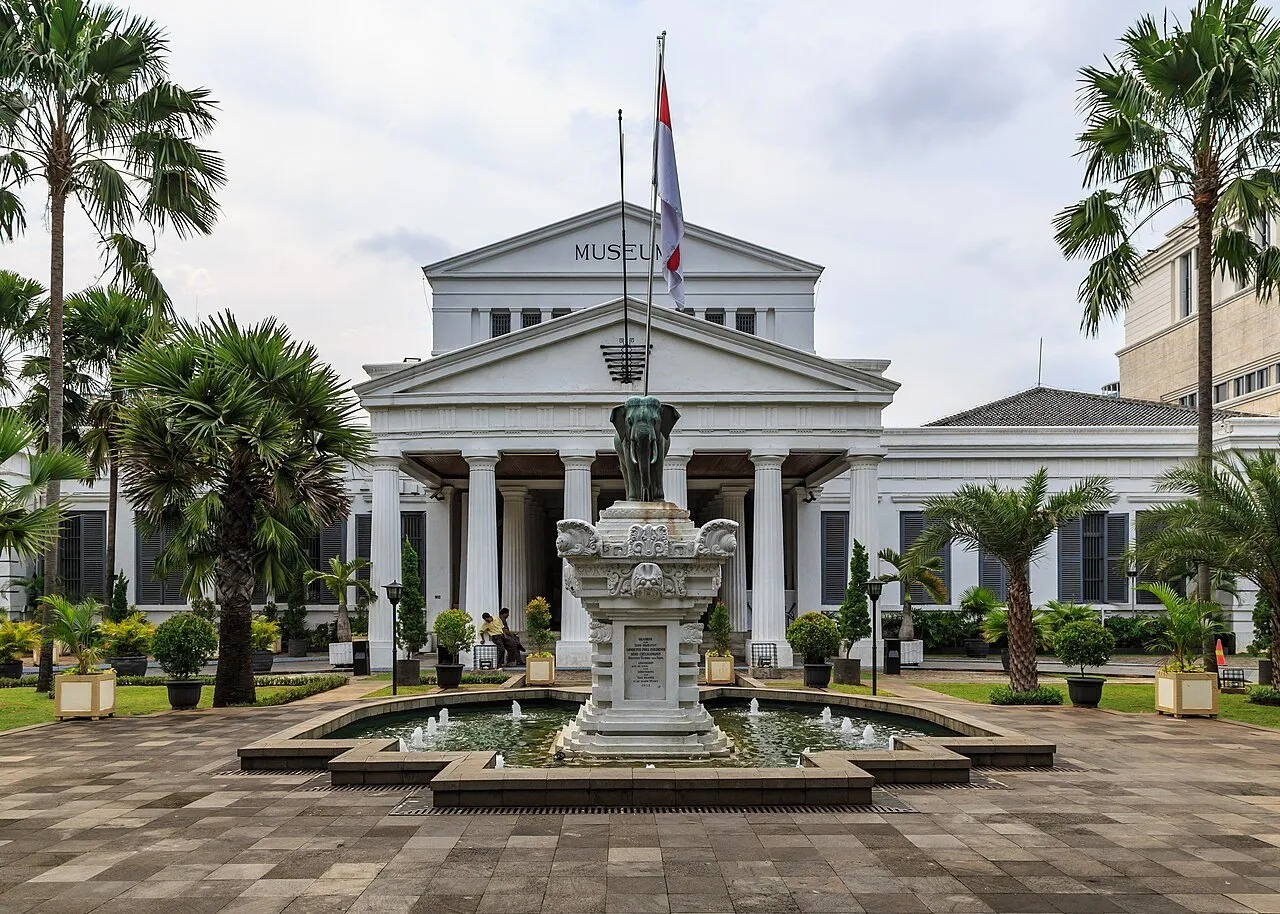 2
Archaeology and the cultures of the archipelago at Museum Gajah, easy to spot thanks to the bronze elephant in front of the white-columned facade.
View details for National Museum of Indonesia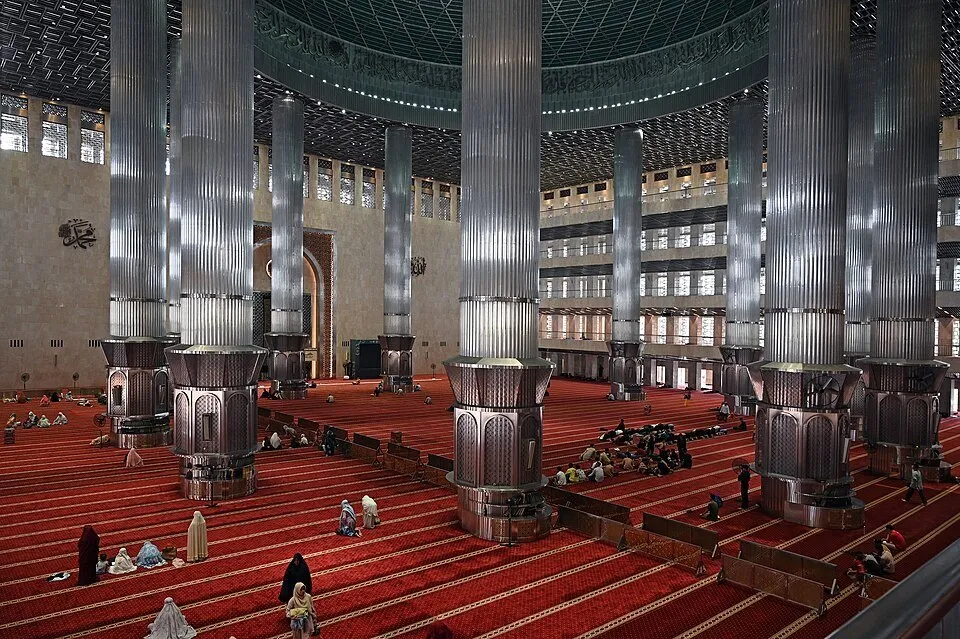 3
The national mosque welcomes visitors on guided routes, among the dome, galleries and wide courtyards used for real, everyday prayer.
View details for Istiqlal Mosque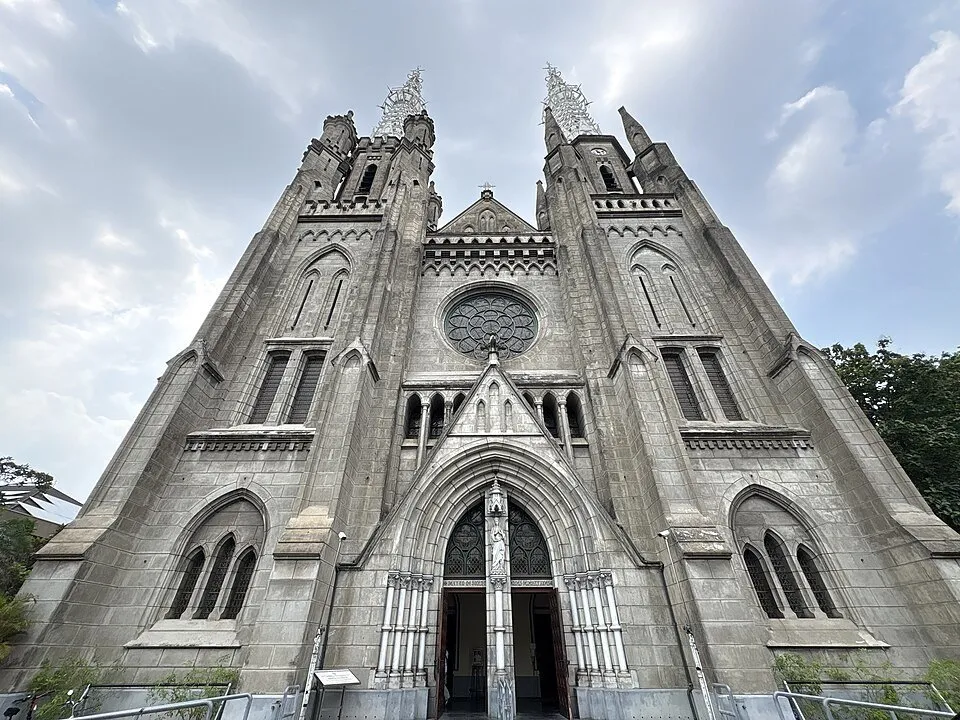 4
Neo-Gothic towers, stained glass and a rose window mark the Catholic cathedral facing Istiqlal, in a pairing that calls for a quiet pause.
View details for Jakarta Cathedral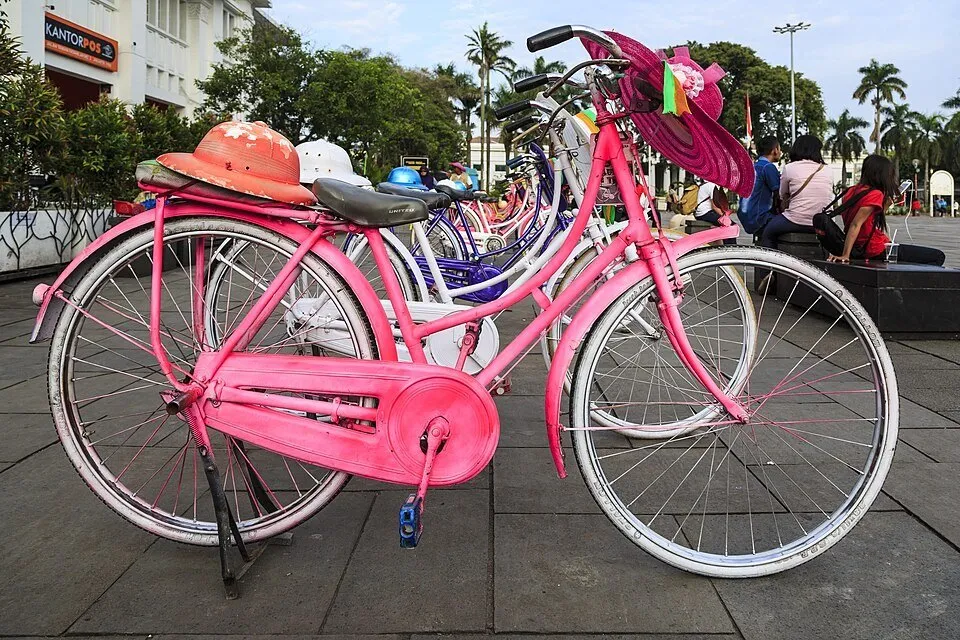 5
Fatahillah Square anchors a stroll through old Batavia, among colonial facades, colorful bicycles and museums with separate tickets.
View details for Kota Tua and Fatahillah Square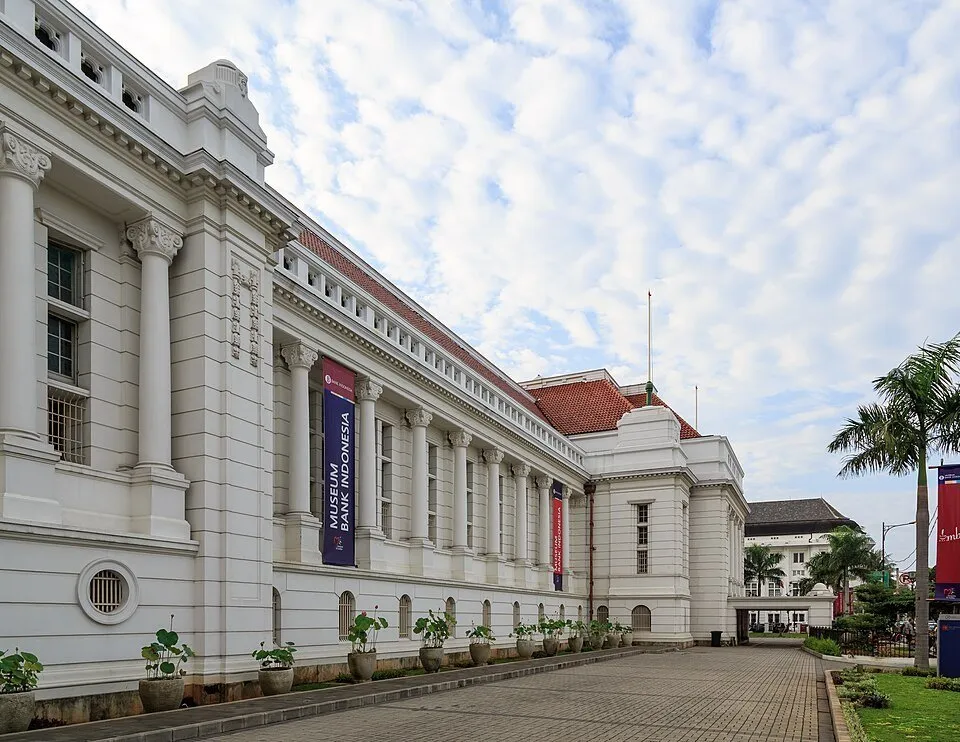 6
Coins, banknotes and exhibits on the Indonesian economy fill a historic building in Kota Tua; do not mix it up with the neighboring Mandiri Museum.
View details for Bank Indonesia Museum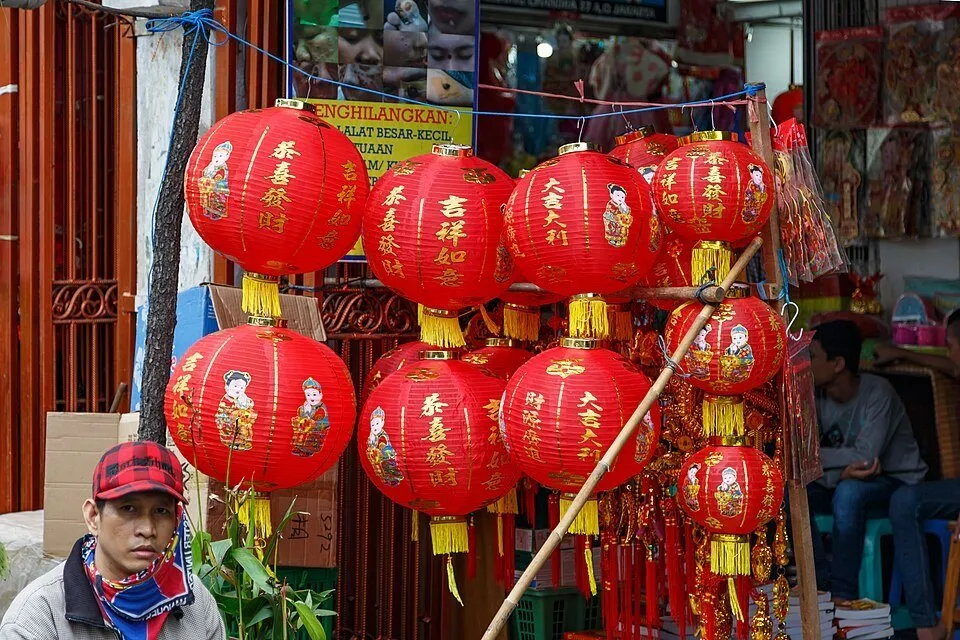 7
The Chinatown quarter brings together markets, temples and Chinese-Indonesian food; Petak Sembilan and Gang Gloria are good reasons to walk without hurrying.
View details for Glodok and Petak Sembilan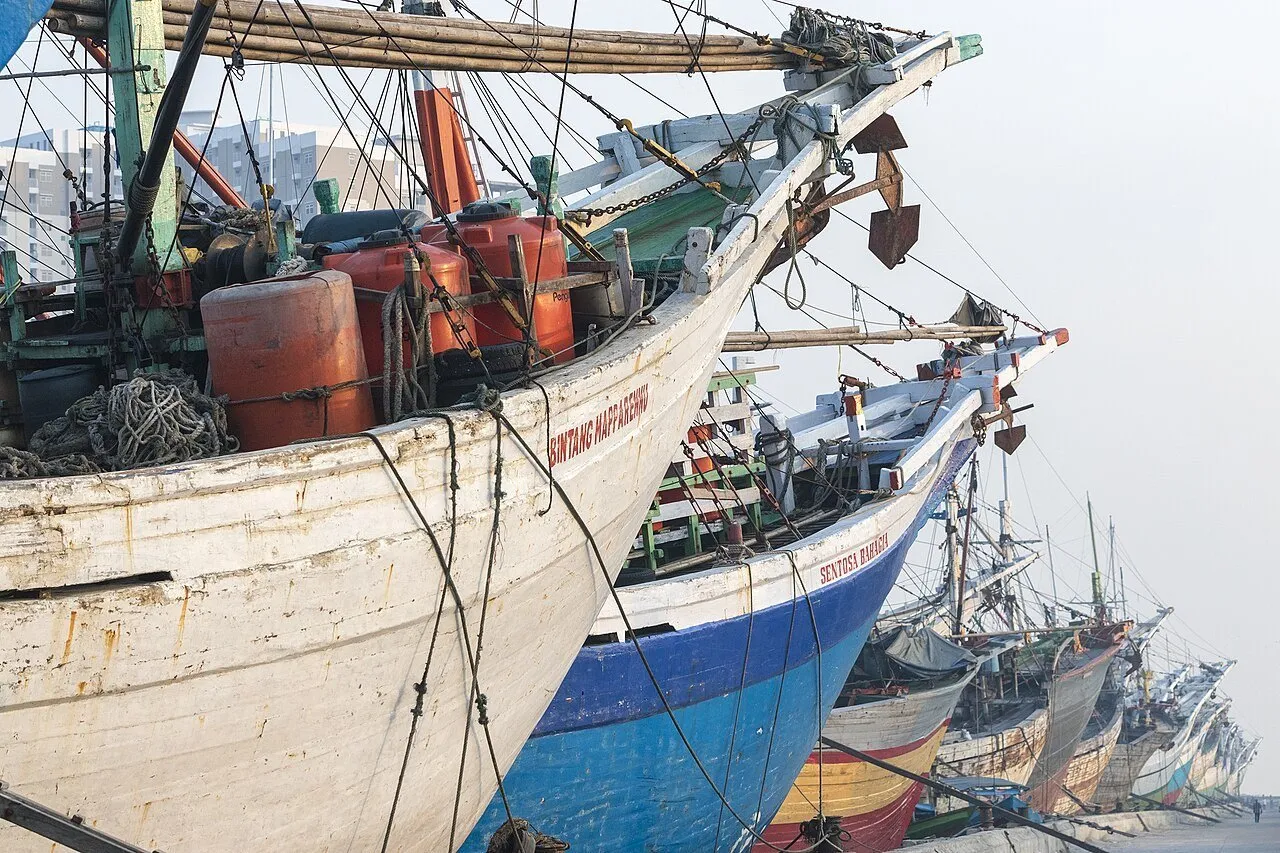 8
Traditional wooden boats and cargo operations show the maritime side of Jakarta in a working port, north of Kota Tua.
View details for Sunda Kelapa Port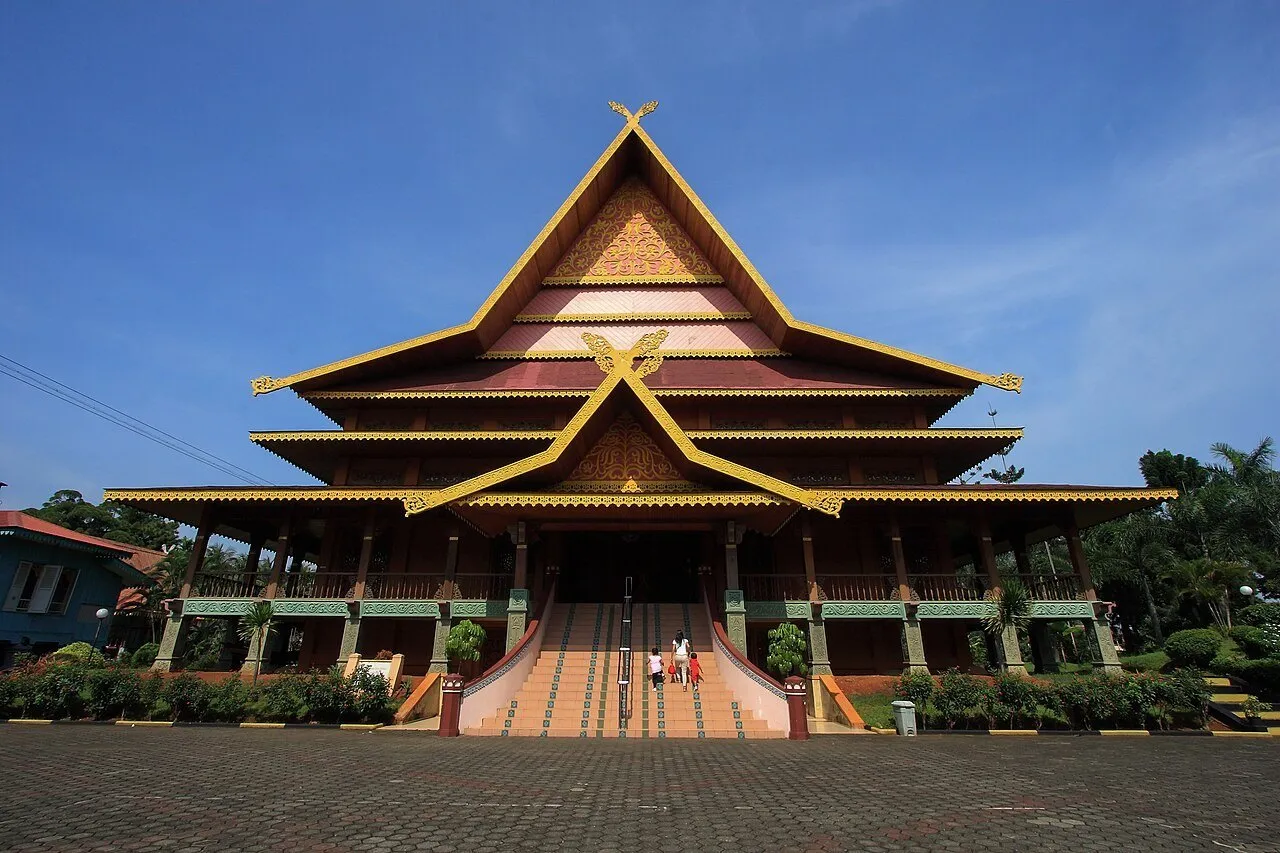 9
Pavilions with traditional houses present different regions of Indonesia around a lake that represents the archipelago in miniature.
View details for Taman Mini Indonesia Indah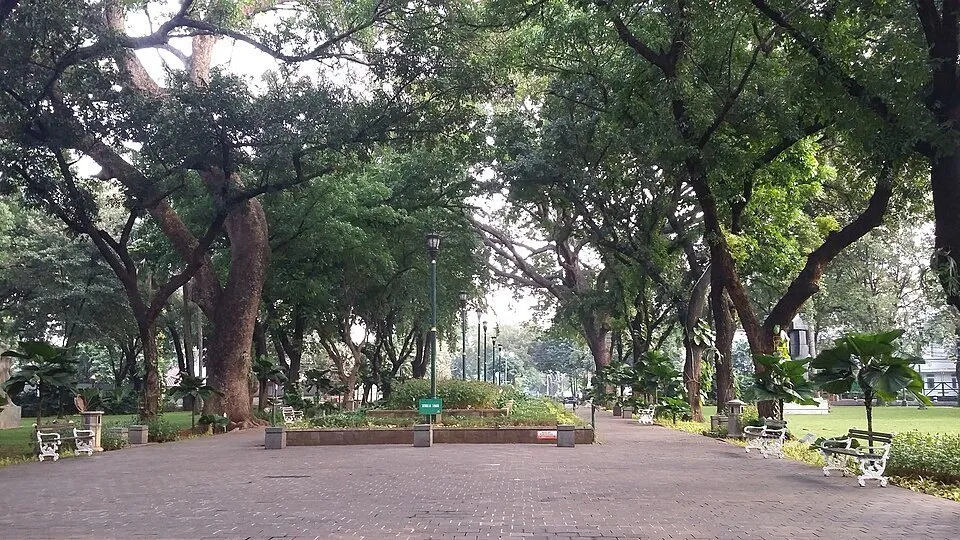 10
Trees, fountains and benches make a short pause in Menteng, good for ending the day without adding another visit with a ticket and a line.
View details for Taman Suropati1The golden flame announces Monas, the monument to Indonesia's struggle for independence. At the base, a museum presents historical dioramas; the elevator takes you to the observation deck when access is available. Even from the ground, the esplanade makes the scale of the complex clear.
Start early and tell the park, the monument entrance and the ride up apart: they are not the same thing. If the line threatens to eat up your morning, stick to the exterior and save your time for the National Museum.
2The bronze elephant at the entrance earns the museum its nickname, Museum Gajah, but the subject goes well beyond the animal. Archaeology, objects from different peoples and sculptures help put your trip through Indonesia in perspective, before you head to other islands.
Pick a few rooms instead of racing the display cases. The museum is open, but the recovery of areas hit by a fire means you should check which sections are available. The immersive experience has its own ticket; see whether it fits your schedule.
3Courtyards and galleries give you a sense of Istiqlal before you even look at the dome. The design is by Friedrich Silaban, a Protestant Christian architect, a detail that takes on another dimension with the cathedral across the street.
People of other faiths may visit authorized areas with a guide; that does not mean free access to the main prayer hall. Ask at the tourist desk, cover your legs and shoulders, take off your shoes when asked and follow the instructions on head coverings and photography.
4The towers of Jakarta Cathedral trade the broad surfaces of Istiqlal for pointed arches and neo-Gothic details. Notice the rose window and the stained glass: looking up is part of the visit, though it is wise to stop walking first.
The church is still a place of worship: go in only with permission and keep quiet. The exterior alone justifies a stop during a service. The Cathedral Museum has its own schedule; treat it as an extra, and do not assume it opens at the same hours as the church.
5Colorful bicycles cross Fatahillah Square, ringed by Dutch colonial buildings. It is the starting point for understanding Kota Tua, the core of old Batavia, tied to trade and colonial rule. Look at what the buildings tell you, beyond the facade in the photo.
Stroll the open space without trying to enter every museum. In this itinerary, the chosen one is Bank Indonesia, right nearby. To add another, cut one stop: the sun and the clock do not negotiate together.
6Money in a display case feels like a break from vacation. At the Bank Indonesia Museum, coins from old kingdoms, banknotes and multimedia resources help trace the country's economic changes. The historic building also deserves attention, beyond the notes.
Pair the stop with Fatahillah to deepen your reading of Kota Tua without crossing Jakarta. There is individual entry and booking for groups. Check the name on the facade: the Mandiri Museum is a different institution, despite the neighborhood and the banking theme.
7In Petak Sembilan, the walk passes through markets; in Gang Gloria, it follows the smell of food and coffee. Glodok gathers Chinese-Indonesian traditions in its cooking and in temples such as Dharma Bhakti. Above all, save room for lunch.
Pick a short circuit and stop where the dishes spark your curiosity. Ask about ingredients: some restaurants serve pork, and sauces will not tell you what is in them. At the temples, watch the flow of prayer and ask permission before entering or taking photos.
8Wooden hulls make Sunda Kelapa feel like another page of Jakarta. The port hosts pinisi vessels and cargo traffic, a reminder that the city's trading history is still tied to the sea. The charm lies in watching the dock at work.
Go by car after Kota Tua and Glodok, in daylight. Confirm entry and permitted areas: vehicles, cargo and workers have priority. Boats are not public walkways; any invitation to climb aboard needs clear terms, and this itinerary sticks to watching from land.
9Very different rooflines share the landscape of Taman Mini Indonesia Indah, or TMII. Regional pavilions present traditional houses, such as the Rumah Gadang of West Sumatra and the Javanese joglo, around the lake with the miniature archipelago.
Set aside a good part of the day and choose a few pavilions, without turning the park into a marathon. Cultural activities depend on the schedule. Check the internal transport and which museums or attractions need extra tickets before buying a package.
10After Taman Mini, a bench under the trees of Suropati feels like a well-planned attraction. The Menteng park has fountains and shade in a space that invites you to sit down more than to complete a checklist.
Take a short walk before dinner. Music events happen on some occasions, but showing up expecting a concert is betting on a schedule that needs confirmation. If traffic delays your return or heavy rain comes, skip the stop and head to the hotel.
Use the commuter train and TransJakarta when it makes sense and fill in the routes with a taxi or ride-hailing app. The MRT to Kota is still under construction: do not plan the trip as if the extension were running. Check the route and leave slack between appointments.
Soekarno-Hatta is outside the center. The train serves BNI City and Manggarai; compare the final connection with an authorized car depending on your lodging and luggage. On the way back, add up traffic, terminal access and flight procedures.
Plan Monas and Kota Tua early, with water, a hat and sunscreen. May to September usually favors outdoor sightseeing, but it still rains. Use proper crossings and check the sidewalk before accepting the walk suggested by the app.
At Istiqlal, go to the tourist desk and follow the dress and circulation rules. At the cathedral and the temples of Glodok, confirm that visiting is allowed at that moment and ask permission before photographing people.
The museums on the itinerary usually close on Mondays, and holidays change the schedule. Check fees for foreign visitors and what each ticket includes. Carry rupiah for small purchases; at Taman Mini, do not assume a single ticket covers everything.
In Glodok, keep your belongings close while checking the map. At the port, stay only in authorized areas, away from cargo and vehicles. Agree on prices before accepting guides or services offered during your walk.
Betawi cooking introduces Jakarta through rice, coconut and spices. In Glodok, Chinese-Indonesian flavors widen the conversation. Ask about ingredients and chili: the calm look of a sauce does not predict what comes next.
Beef soup, sometimes with offal, in a broth of coconut milk, milk or both; ask about the cuts.
Sticky rice with egg, toasted coconut and dried shrimp, cooked over charcoal in a small pan.
Vegetables with peanut sauce, tang and chili, for those who want a break from hot broth without leaving Jakarta's seasonings behind.
A non-alcoholic drink with ginger and secang; the beer in the name is misleading, but the aroma points in another direction.
We use cookies and similar technologies, such as Google Analytics, in accordance with our Privacy Policy and, by continuing to browse, you agree to these terms. You can decline at any time in the policy.