 1
Antiquity
Giza Pyramids
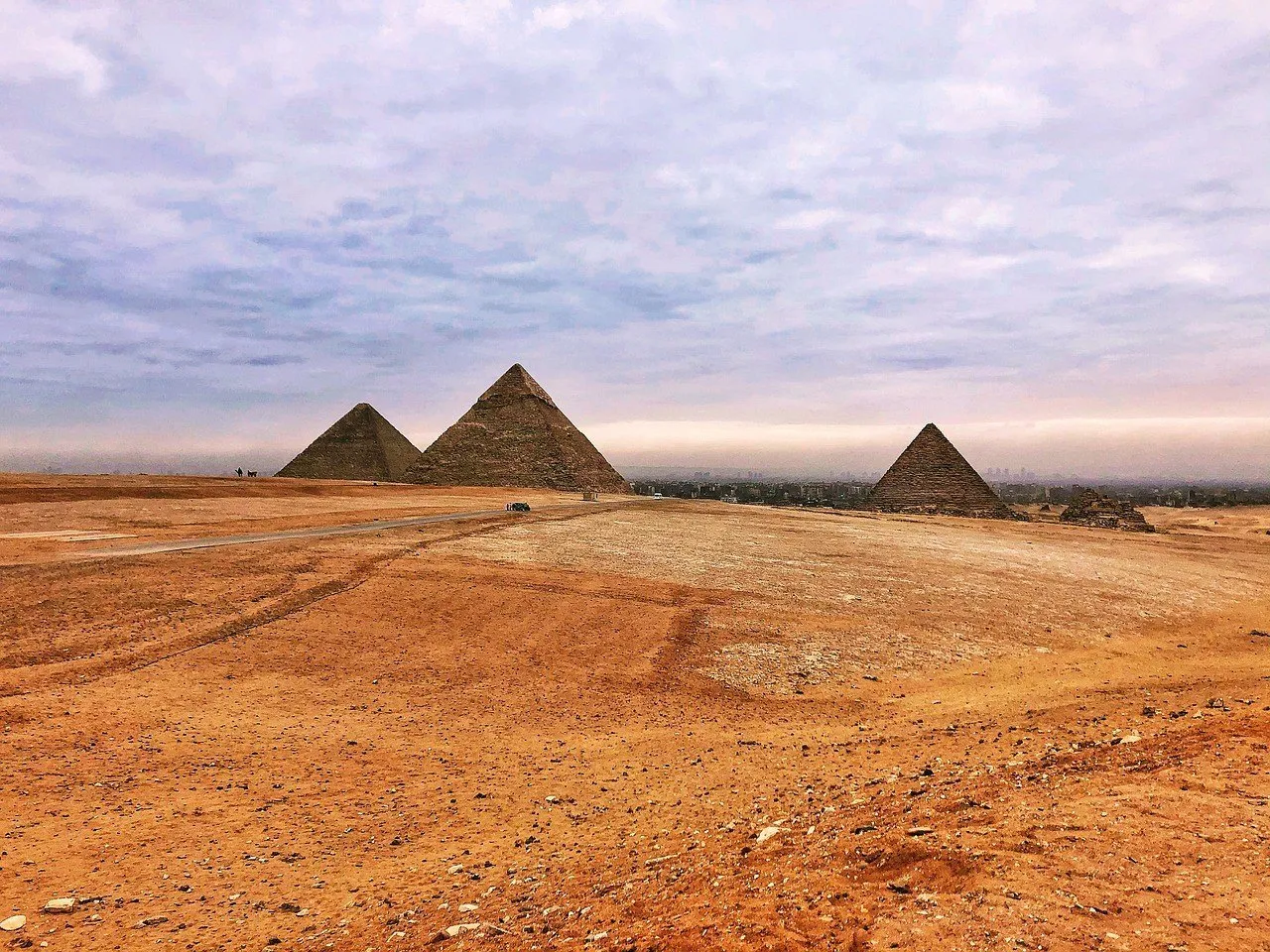
Khufu, Khafre and Menkaure dominate a funerary complex that covers far more ground than photos suggest; set aside a morning for the plateau and the Sphinx.
View details for Giza Pyramids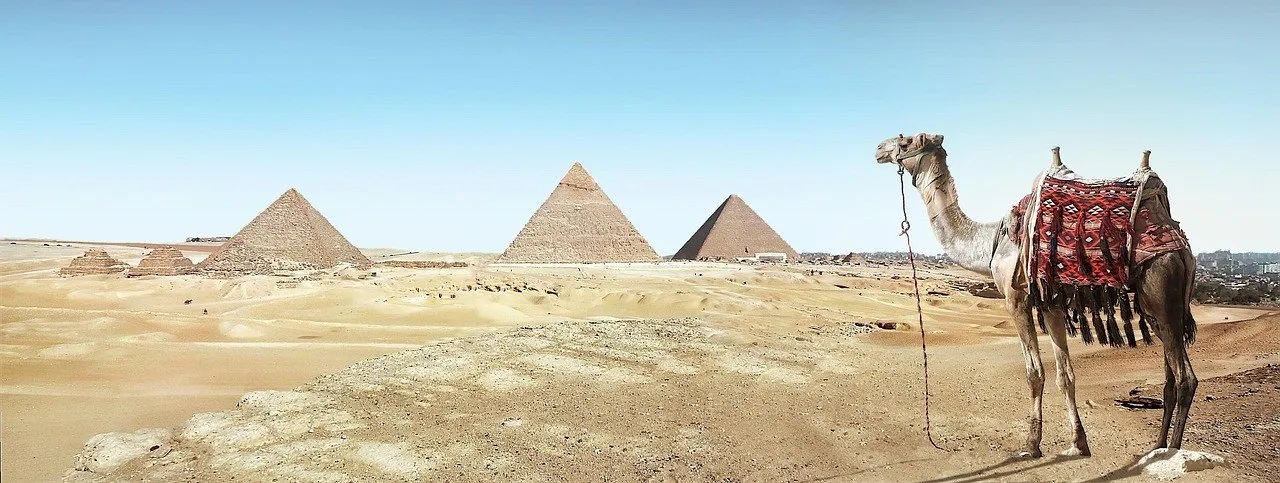
Your spoon sinks into a plate of koshari while minarets cut across the Cairo sky. The next day, in Giza, you try to frame a pyramid and realize the problem is how far your own feet still have to go.
Cairo calls for a trip organized by area. The pyramids and the Grand Egyptian Museum are in Giza, across the Nile and outside the municipality of Cairo. The Tahrir Square museum, the churches of Coptic Cairo and the streets of Al-Muizz and Khan el-Khalili belong to other blocks of sightseeing. Moving your body between them takes more planning than dragging pins around a map.
Treat these three days as a first selection: Giza and its museum; Tahrir, the Citadel and the park; then Coptic Cairo and the core of markets and mosques. The Grand Egyptian Museum welcomes visitors to the Tutankhamun galleries, while Tahrir keeps other major collections. To study the collections at length, add days. Between visits, leave room for koshari, for shade and for a reasonable chance to sit down before the next monument.
The Great Sphinx was carved directly out of the plateau's bedrock; the lion's body and human head represented royal power.
The name Hanging Church describes a building solution: the church stands over a passageway of the old Babylon Fortress, in Coptic Cairo.
Part of the land now occupied by Al-Azhar Park used to collect rubble and trash; the transformation created gardens and new spots from which to watch the minarets.
1Khufu, Khafre and Menkaure dominate a funerary complex that covers far more ground than photos suggest; set aside a morning for the plateau and the Sphinx.
View details for Giza Pyramids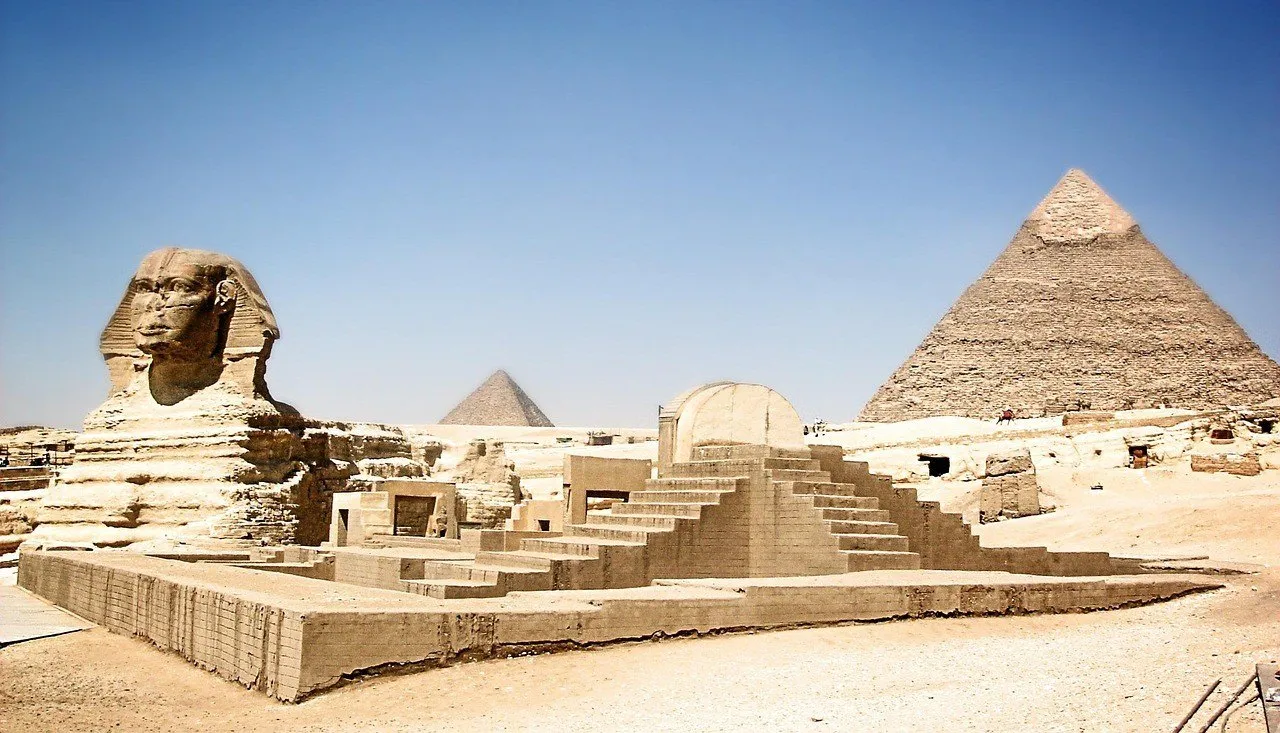 2
Carved from rock, the figure with a lion's body and human head sits beside Khafre's complex and reads differently once you take in its surroundings.
View details for Great Sphinx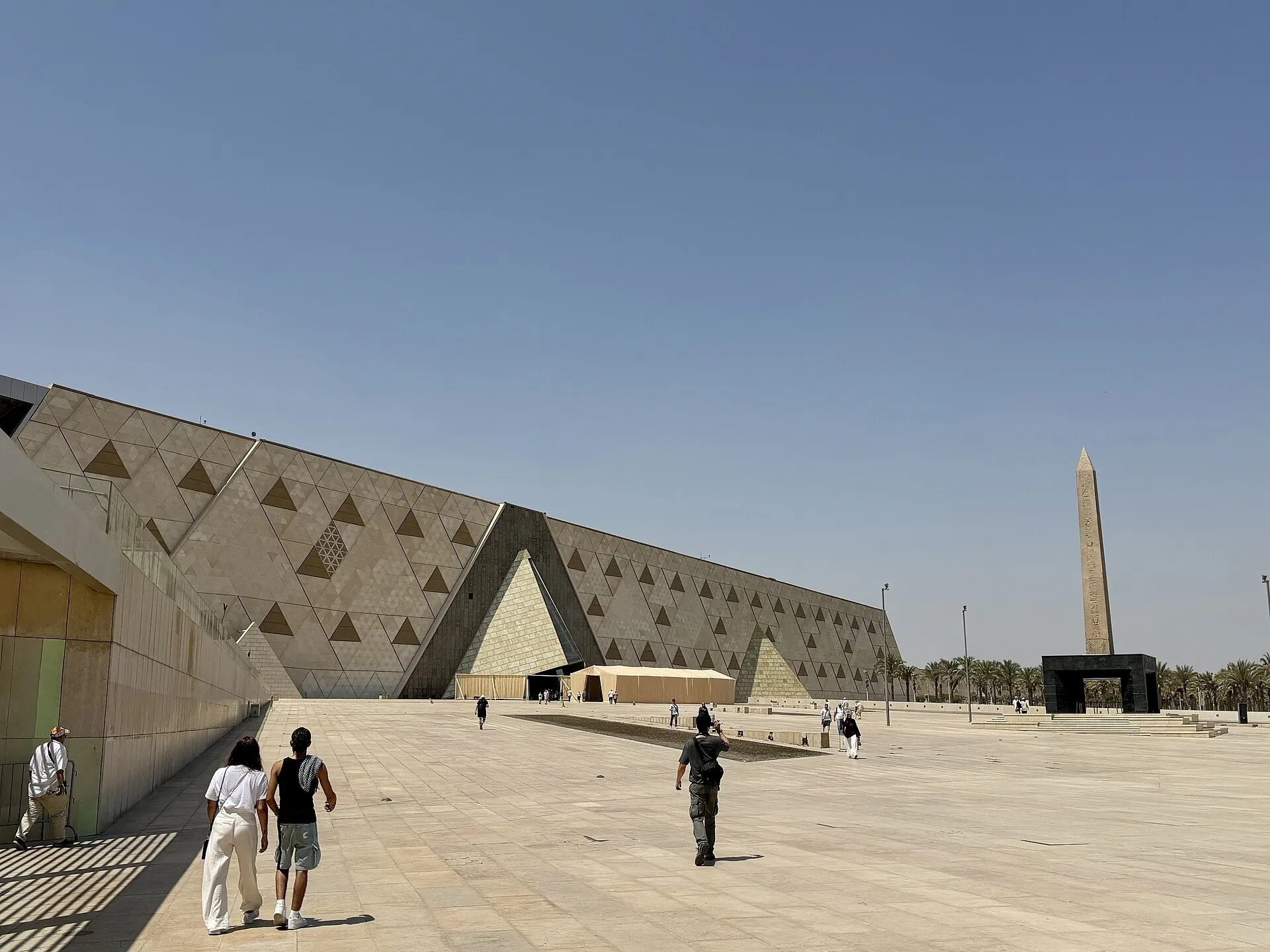 3
In Giza, the GEM brings together Tutankhamun galleries, monumental pieces and other paths through ancient Egypt; an afternoon covers a selection, not the whole museum.
View details for Grand Egyptian Museum (GEM)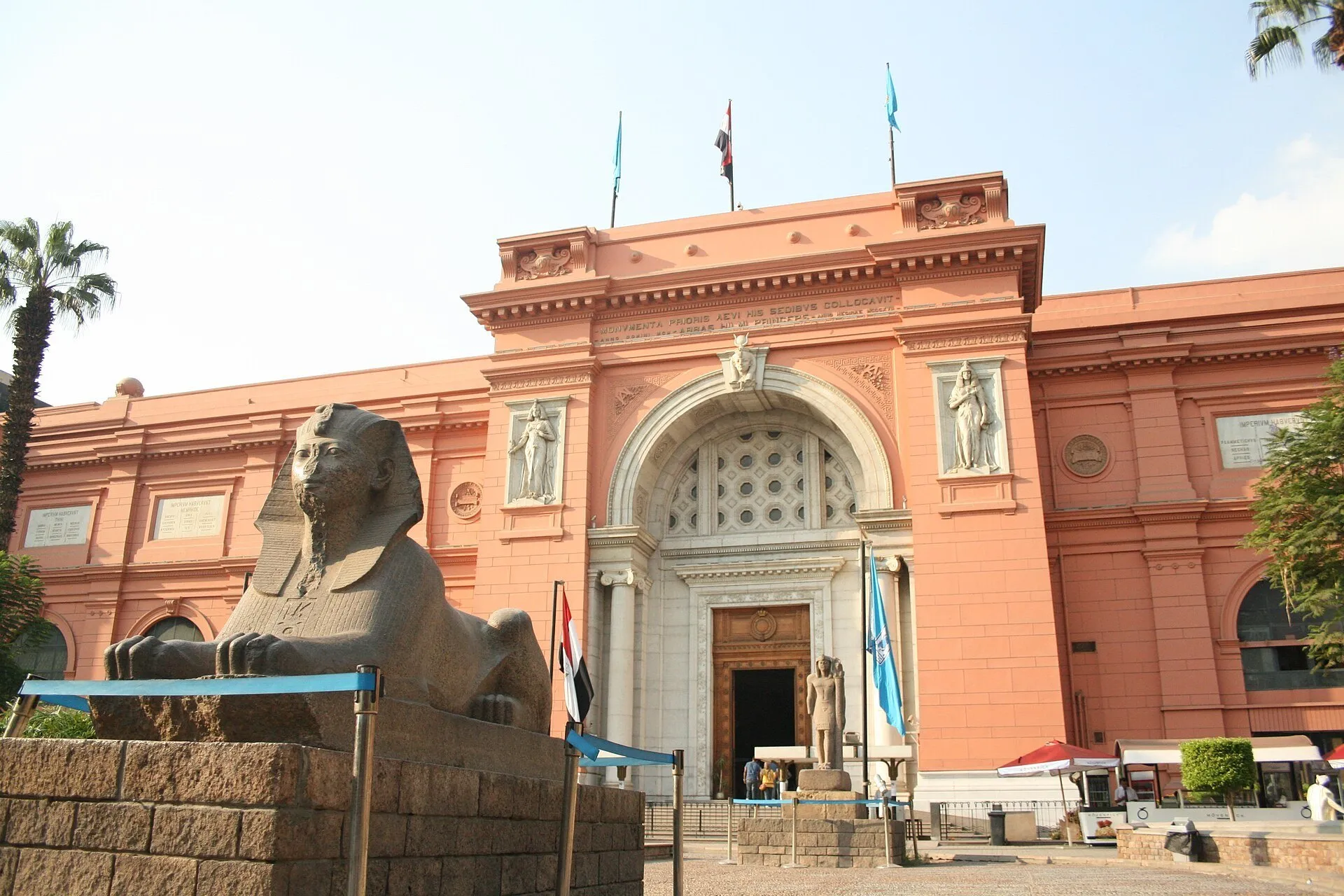 4
The Tahrir museum still holds collections such as the Tanis treasures and the Narmer Palette; it pays to choose rooms and understand its role next to the GEM.
View details for Egyptian Museum in Tahrir Square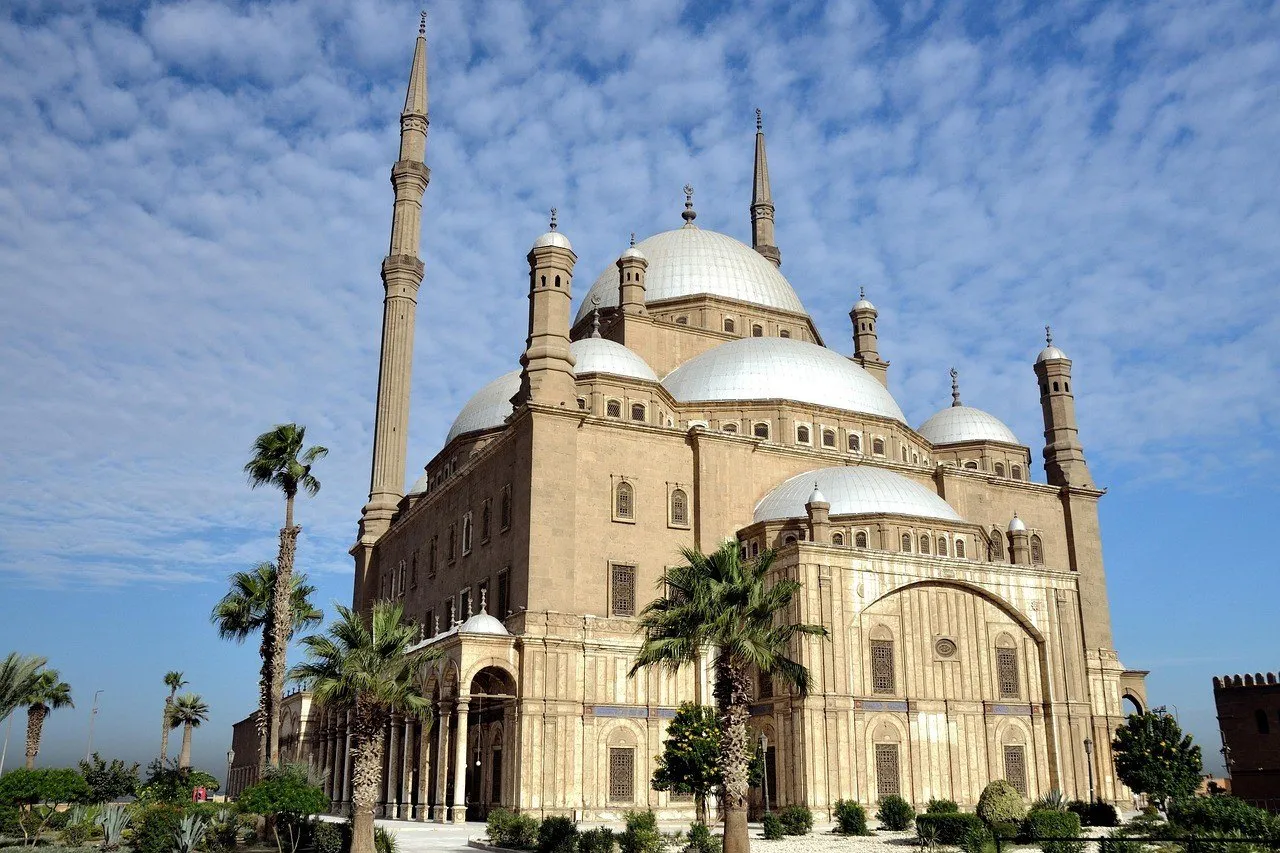 5
The fortress linked to Saladin sits high up and gathers mosques and views of Cairo; the Muhammad Ali Mosque dominates the skyline of the complex.
View details for Cairo Citadel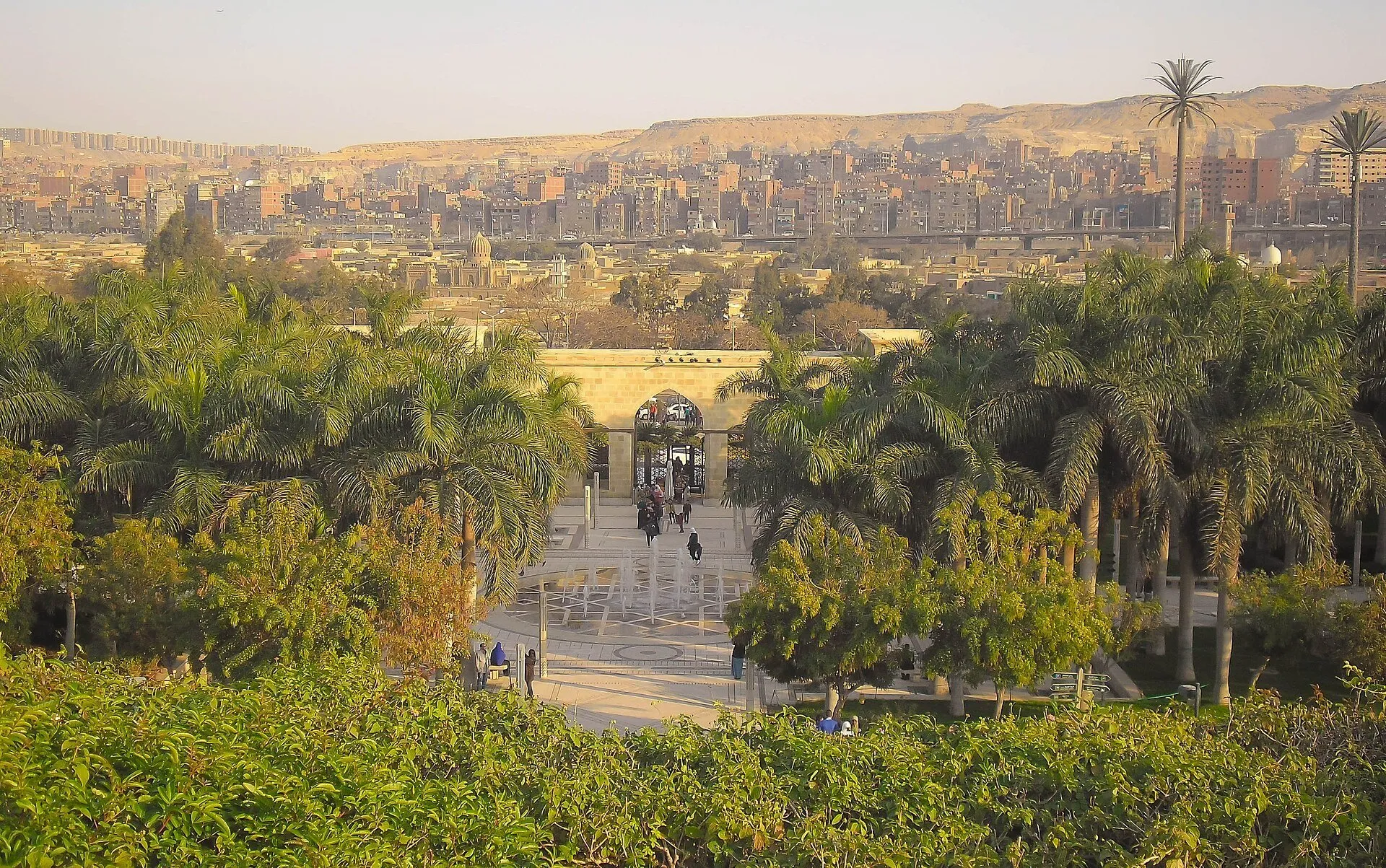 6
Gardens on land once covered in rubble offer paths, pauses and views of Cairo's minarets; a good change of pace after museum halls.
View details for Al-Azhar Park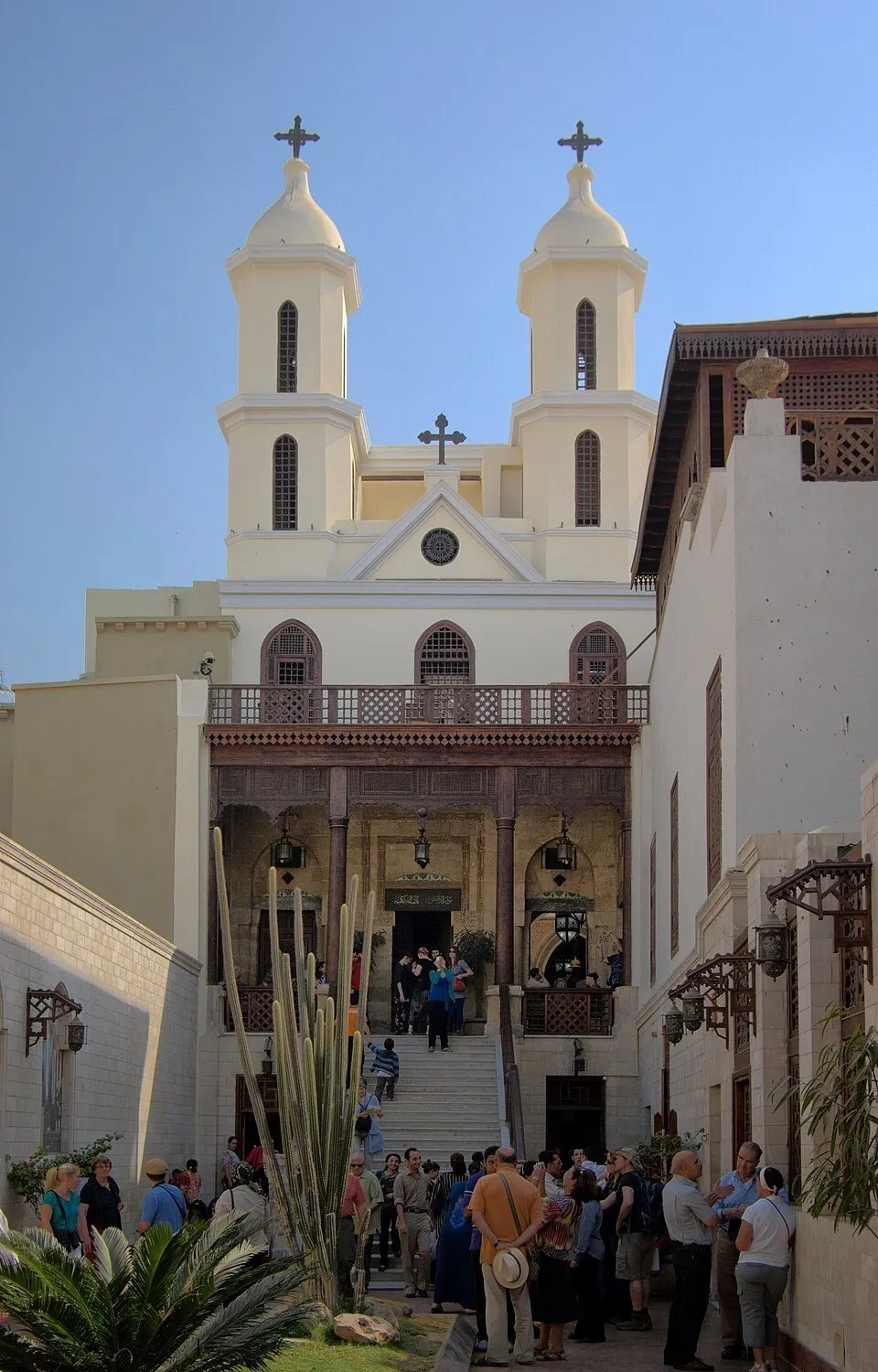 7
The Church of St. Mary got its name from its position above the old Babylon Fortress; the interior holds icons and wooden details in Coptic Cairo.
View details for Hanging Church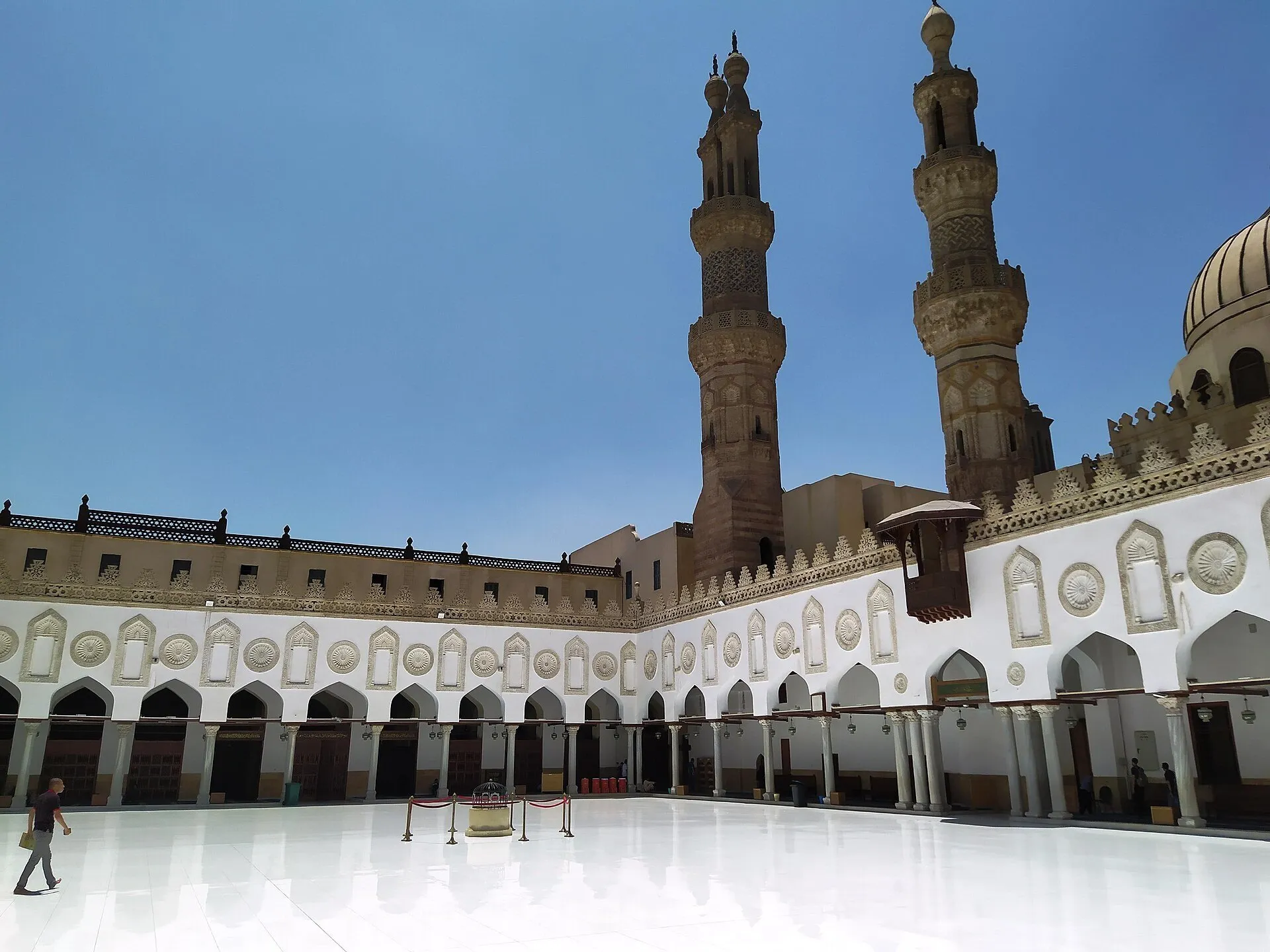 8
Courtyard, arcades and minarets reflect a long tradition of Islamic learning; a visit has to respect prayer times and the day's access rules.
View details for Al-Azhar Mosque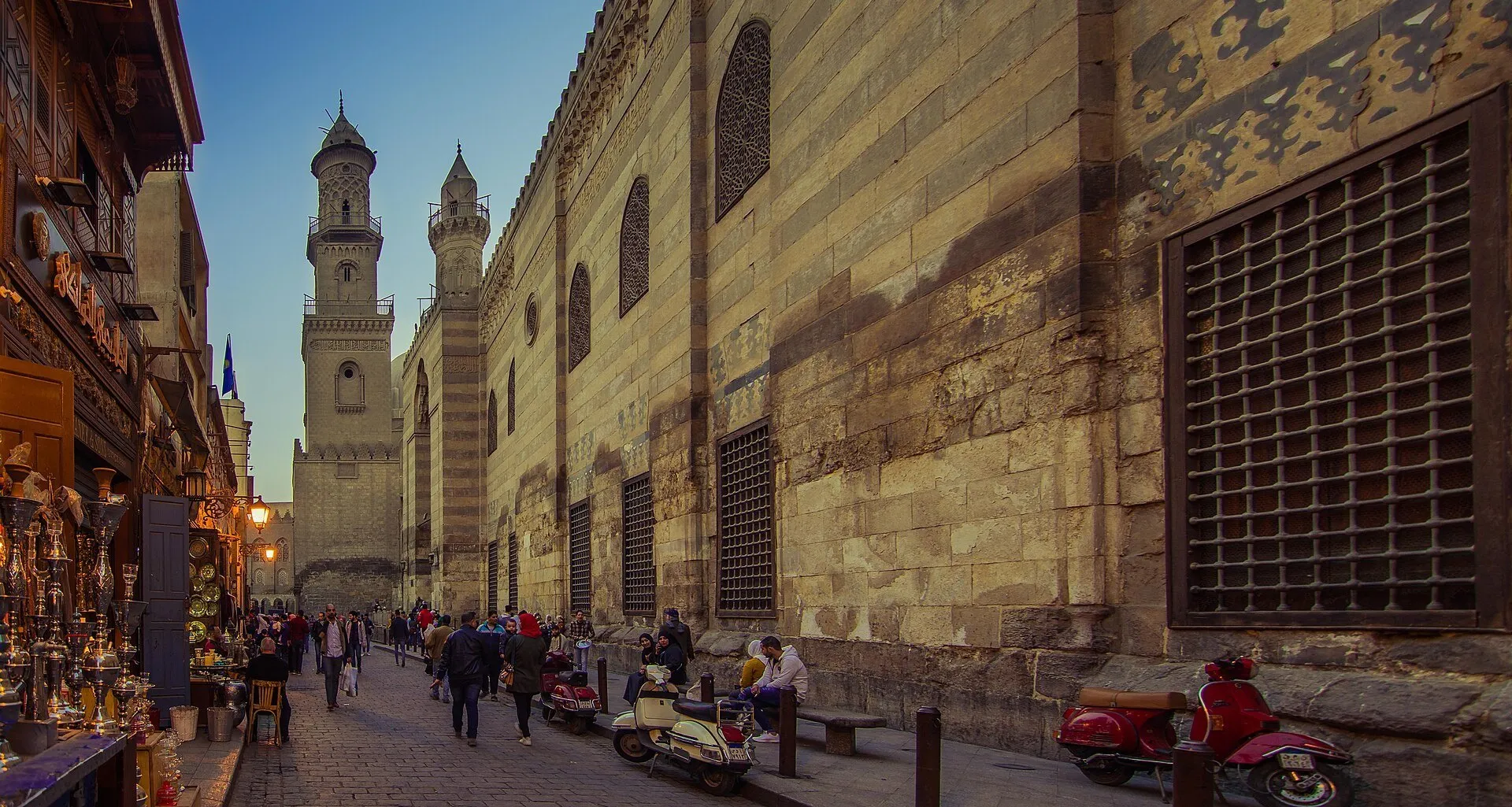 9
Mosque facades, fountains and old palaces share the street with shops; pick one stretch and a few interiors to read the architecture without rushing.
View details for Al-Muizz Street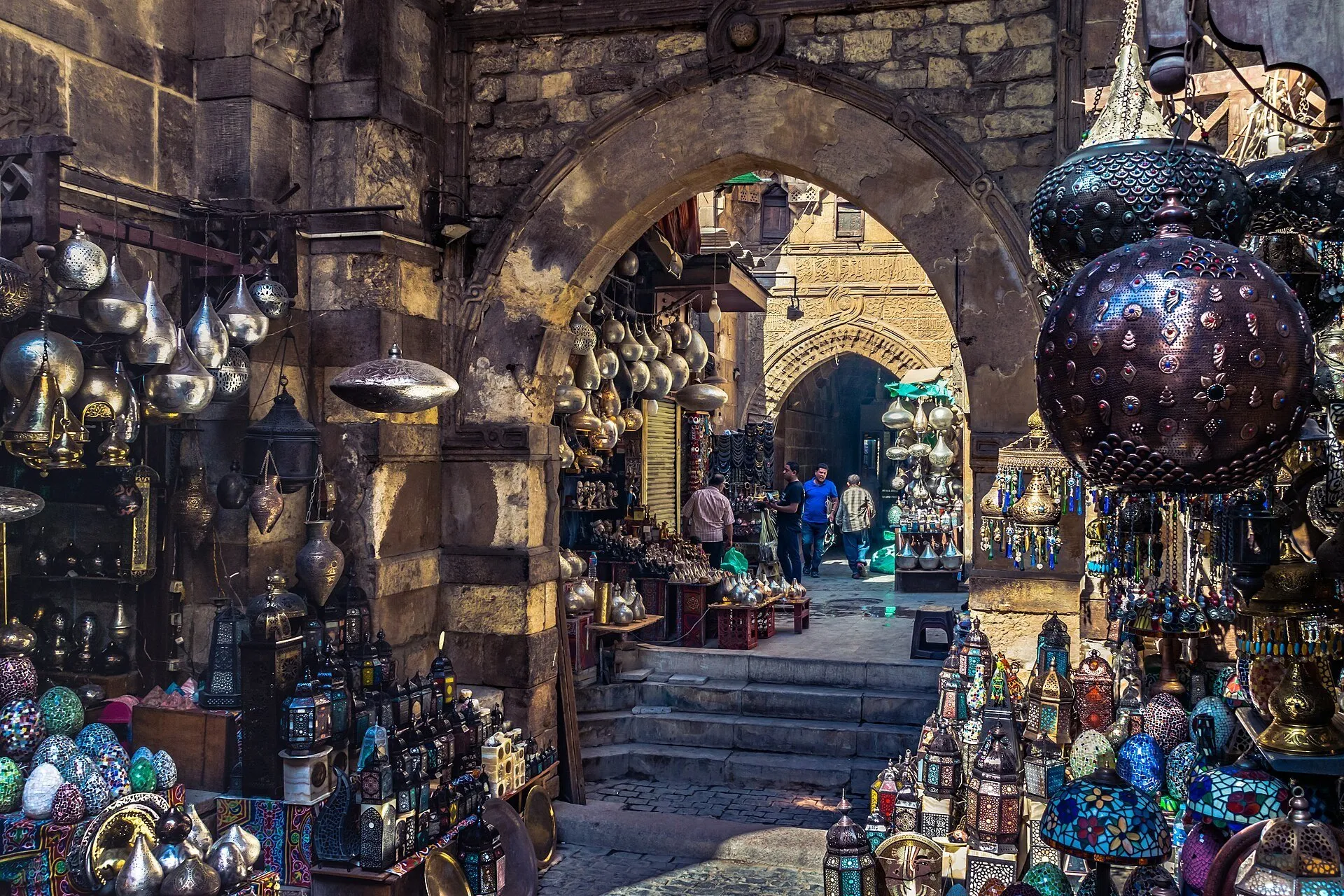 10
Narrow lanes, metalwork, fabrics and souvenir shops make up historic Cairo's bazaar; set aside time to compare products and stop at a cafe.
View details for Khan el-Khalili1Getting close changes the scale: the pyramids of Khufu, Khafre and Menkaure stop fitting in the frame. They were part of funerary complexes with temples, tombs and smaller structures. Looking only at the biggest triangle solves the photo but leaves much of the site out of your visit.
The plateau is in Giza and requires planned transport from Cairo. Do the outdoor areas early and leave time for the Sphinx on the same outing. Going inside a pyramid is optional, subject to tickets and opening; the itinerary works without it.
2The Sphinx was not assembled like a pile of blocks: its body came out of the plateau's own rock. The figure with a human head and a lion's body expressed royal power and remains tied to Khafre's funerary complex. Look at the surrounding temples and pathways too.
Fit the stop into your Giza route, without going back to the hotel between visits. Permitted areas depend on conditions that day; a standard ticket does not promise a walk between the paws. Let your phone drop for a moment so you can see beyond the frame.
3Before the display cases, the GEM puts you in front of architecture built for monumental pieces. The ticket announced through the official channel includes the Tutankhamun galleries, the main galleries, the grand hall and the staircase. The visit now goes beyond the atrium of the partial-opening phases.
The museum is in Giza, but it requires a transfer from the plateau. After the pyramids, choose a few galleries. To explore the collection at length, add another day: the size of the collection does not shrink to suit your flight home.
4The historic facade on Tahrir Square still leads to an active museum, with collections such as the Tanis treasures and the Narmer Palette. It holds pieces that justify a visit of their own; going in with priorities helps turn corridors into choices.
Collections have been redistributed among institutions, and rooms may be reorganized. Plan Tahrir around the collection currently announced, without expecting the Tutankhamun galleries of the Grand Egyptian Museum. Set aside the morning for a selection and have lunch before heading to the Citadel.
5The domes of the Muhammad Ali Mosque announce the Citadel. The fortress associated with Saladin used its elevated spot in the Muqattam Hills to watch over the city; today that position lets you look out over the buildings spread below. Alternate the wide view with the details of the accessible spaces.
The complex houses mosques and museums, and not everything will necessarily be open. Decide on a route, check what your ticket includes and follow the guidance in prayer spaces. Getting there from Tahrir takes a car and some margin for traffic.
6First come the gardens; then the minarets appear behind the greenery. Al-Azhar Park occupies land that used to collect rubble and was turned into a public space for strolling. Its raised terrain offers views of historic Cairo, after so many glimpses through a car window.
Come to walk, sit and watch the light on the buildings. Whether cafes and restaurants are open needs its own check. In the itinerary, the park closes the Citadel day: get yourself to the entrance, without assuming an internal link between the attractions.
7The name sounds like the setup for a trick, but it describes the construction: the Church of St. Mary, known as the Hanging Church, rests on a passageway of the Babylon Fortress. In this Coptic Cairo church, wood and icons invite you to notice details rather than look for a giant hall.
A tourist visit has to fit around services. Dress appropriately, keep your voice down and check whether photography is allowed. Walk the surroundings before heading to Al-Azhar, but book transport: the two areas do not make a walk.
8The bright courtyard organizes your arrival at Al-Azhar Mosque, among arcades and minarets from different building phases. Islamic learning is part of the identity of the place, which remains devoted to prayer and study. The buildings tell that story through additions.
Ask at the entrance about visitor access. Wear clothing that covers arms and legs and bring a scarf, take off your shoes as directed and do not walk in front of people praying. If there is a service or a restriction, adjust your outing to the nearby streets and return when allowed.
9On Al-Muizz Street, your attention alternates between the path ahead and the facades above. Mosques, fountains and old residential and commercial buildings line a street of shops and artisans. Here, the monuments are part of the street rather than standing on isolated ground.
Pick one stretch and a few interiors, such as those open in the Qalawun complex. Access to the street and entry to the monuments are different things. Leave Al-Azhar with time for the interiors before closing and save the bazaar shops for later.
10A lamp catches your eye, another shop appears and the small souvenir starts demanding a rethink of your suitcase. Khan el-Khalili is a network of shopping streets with fabrics, souvenirs and metal objects. The stroll pays off more if you don't look for a single main entrance.
Go in with no obligation to buy and compare quality and price before bargaining. A break at a cafe lets you watch the bustle without turning every aisle into a chore. Combine it with Al-Azhar and Al-Muizz, remembering that shops, cafes and monuments don't necessarily keep the same hours.
Use an app or a hired car between Giza, Tahrir, the Citadel and Coptic Cairo; confirm the pickup and leave gaps between bookings.
Cover arms and legs in religious spaces and bring a scarf; follow the guidance on hair and shoes and respect services.
Do Giza early and bring water, a hat and sunscreen; in winter, add a layer for mornings and evenings.
Check which interiors on the plateau are paid separately; at the GEM, use the official channel and check ticket, hours, rooms and photography rules.
Bring pounds in smaller notes, confirm prices before accepting services and compare products at the bazaar; you can politely decline offers.
Keep your bag closed and documents secured in markets and on transfers; follow museum photography signs and flash restrictions.
A bowl of koshari handles the gap between the museum and the transfer: rice, pasta, lentils and chickpeas, topped with fried onion. Egyptian cooking also does a lot with fava beans, from creamy ful to the crust of taameya. Save the hot sauce for a conscious decision, made after the first spoonful.
Rice, pasta, lentils and chickpeas with tomato sauce and fried onion; the crunch of the topping is part of lunch.
Slow-cooked fava beans served with seasonings and bread; creamy enough to justify one more piece.
Fava bean patties with herbs, fried until they form a crisp crust and a soft center.
A drink made from dried hibiscus flowers, deep in color; ask how it is sweetened before ordering.
We use cookies and similar technologies, such as Google Analytics, in accordance with our Privacy Policy and, by continuing to browse, you agree to these terms. You can decline at any time in the policy.